What are All-on-4 Dental Implants?
There are numerous factors and reasons that can lead to the loss of teeth like an accidental impact, advanced stages of tooth decay, or other oral health problems.
This tooth loss can hamper the speech and chewing ability of the person, at the same time being detrimental to the self-esteem of the person.
All-on-4 Dental Implants is a revolutionary approach that can help solve the issue of numerous missing teeth and restore the full function of the mouth.
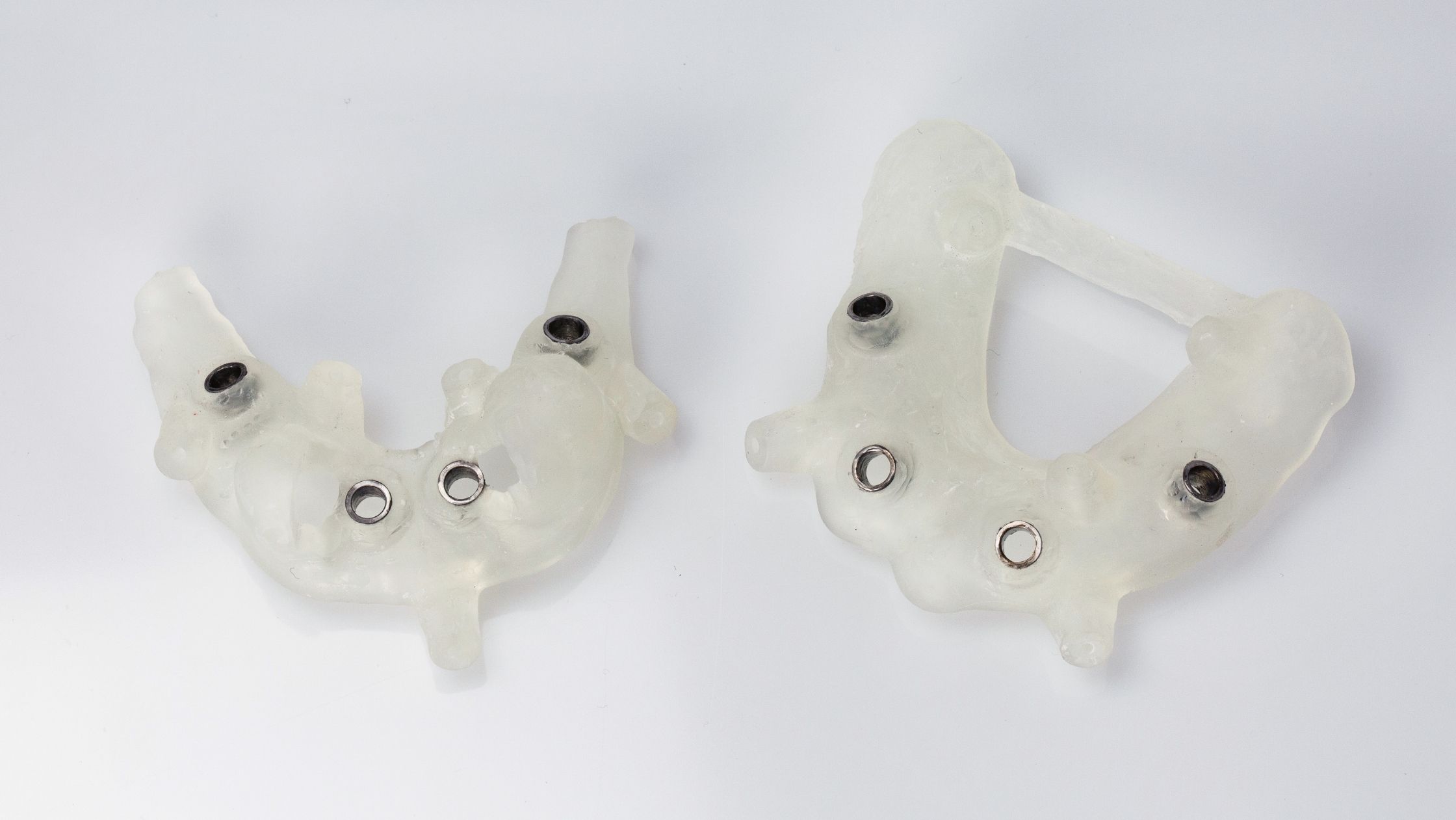
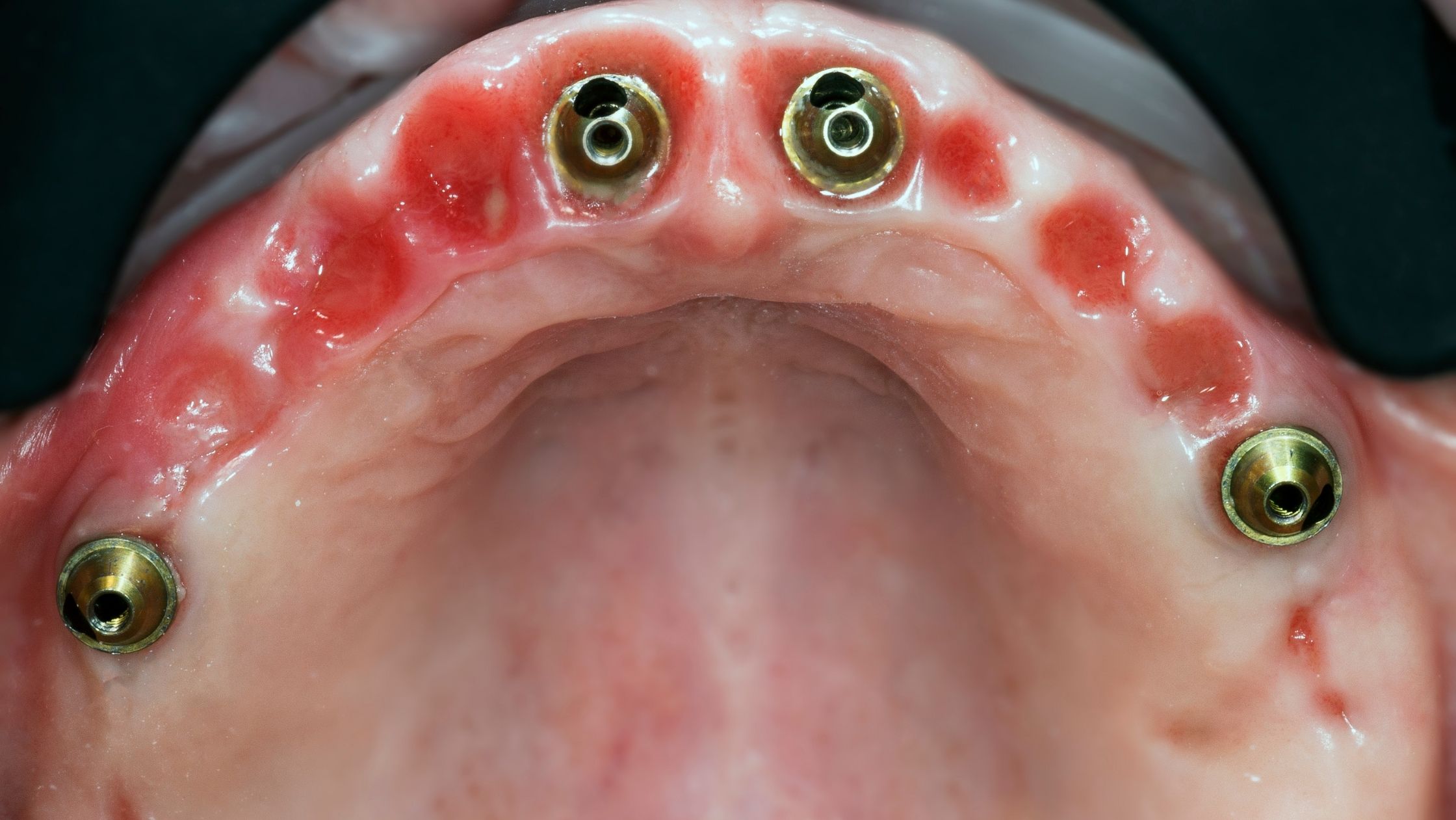
Allowing the placement of four to six implants per arch, two vertically in the front of the mouth, and two to three at an angle in the back of the mouth, All-on-4 Implants help to maximize the use of the existing structure and also encourage bone regeneration.
Moreover, there is no need for difficult procedures like nerve repositioning and bone grafts.
It has numerous other benefits like:
- Providing Immediate Function
- They are easy to clean:
- Lesser need for lengthy bone grafts
- A less expensive treatment option relatively
- Less Complex Surgery
Consultation & Examination
A comprehensive examination and consultation are performed by the doctor which includes a detailed review of the patient’s dental health, past medical history, x-rays, digital 3D scans, and a thorough physical examination of the mouth.
These investigations help the dentist gain a complete understanding of the patient’s dental health.
It also helps the patient and doctor to gain clarity about the goals on the type of outcome that can be expected upon the completion of the procedure.
Pre-Procedure & Preparation
After the dentist has made sure that the patient is an eligible candidate for All-on-4, the next stage of the procedure begins.
Several measurements are taken to plan out the placement, shape and orientation of the replacement teeth prosthesis.
This helps to ensure a perfect fit and optimum comfort and the greatest stability between the implants and the prosthesis.
These measurements include the height of the natural gum lines, the extent of any overbite or under-bite, and how much ridge reduction will be needed.
Referring to the process of removing a specific portion of bone material from the top and bottom jaw to accommodate the replacement tooth prosthesis, Ridge Reduction works towards creating enough space for a natural look and feel for the patient.
The All-on-4 Dental Implants Surgery Procedure
During the surgery, the dental surgeon measures and marks the accurate natural distance between the top and bottom jaws of the patient, to ensure that this distance is maintained at the end of the procedure.
This ensures that facial structure and jaw are in the prior position after the procedure.
The surgery is performed under sedation. The teeth and any remnants of previously lost teeth are extracted, and excess or damaged gum tissue removed.
An incision is made along the length of the ridge on both the top and bottom jaws, exposing the jawbone for ridge reduction.
After the ridge reduction, the remaining bone is smoothed and prepared for the insertion of the dental implants.
Each insertion point on the surface of the bone is marked to begin the placement of the implants.
Pilot holes are drilled at precise angles to obtain and ensure maximum strength and stability.
After the insertion and tightening of the implants optimally, the dental surgeon replaces the gum tissue around the implants and closes all incisions.
The abutments or the mounting posts for the replacement tooth prosthesis are attached to the ends of the implants, at this point.
A secure fit is ensured by marking, drilling, and testing the contact points of the abutments and the temporary prosthesis ensures a secure fit.
The temporary prosthesis is then secured in place using mechanical fasteners and the holes filled and sealed.
The process is completed by checking the bite pattern and the healing process begins.
Recovery & Final Prosthesis
After the procedure has finished, the patient is required to follow the standard guidelines for post-surgery oral care.
Pain relievers are prescribed as needed, and the patient is provided with information on how to keep the mouth properly clean to accelerate healing and tips for a swift recovery.
As deemed necessary, the dentist schedules follow-up appointments to monitor progress.
Once the healing process has been completed, the patient can return to the dentist’s office for another set of impressions which will be used to craft the final prosthesis.
To do this, the dentist removes the temporary prosthesis and takes molds of the gums and implants so that the fit of the new prosthesis can be customized to match the contours of the fully healed gums and implants.
After the impressions have been obtained, the temporary prosthesis is put back in place until the final version has been prepared.
After the final prosthesis has been attached, the procedure is officially complete and the patient is now ready to enjoy their life with their brand new set of permanent replacement teeth.
What is the Recovery Timeline of All-on-4 Dental Implants
Rest
Adequate rest is very important for the recovery process after having All-on-4 dental implants placed.
This helps to ensure the healing of the jawbone and gum tissue during the critical early recovery stage.
One must avoid participating in any arduous physical activity until after being cleared by the oral surgeon.
Diet
Altering your diet after having dental implants placed is essential to reduce potential discomfort and to allow the implants to fully integrate and bond with the surrounding bone in the jaw.
Patients should stick to a liquid and soft food-only diet to avoid unnecessary chewing. One should avoid crunchy and crispy foods.
A drinking straw should be avoided for some time as per the oral surgeon’s advice as the suction can harm incision sites.
Dental implants are made from an advanced composite that is extremely strong and highly effective at forming a strong and secure bond with the organic material that makes up bone.
This bonding process is usually complete after about 3-4 months, at which time the patient can once again broaden the diet to include firmer foods, for example, raw vegetables and nuts.
Follow-up Visits
Dr. Gaurav Sharma says that some swelling, bleeding, and bruising in the days after the implant surgery is typically experienced by most patients.
Cleaning the All-on-4 implants by brushing and flossing twice daily just like the natural teeth is recommended.
The healing is also closely monitored with follow-up visits, during your recovery. One must make it a point to keep these scheduled appointments.
Bottom Line
All-on-4 can make a vast difference in the lives of people dealing with the difficulties of lost and missing teeth, giving them a brand new smile and the option to eat their favorite foods.
Dr. Gaurav Sharma has 400+ hours of Continuing education from the prestigious AAID (American Academy of Implant Dentistry).
Dr. Sharma’s expertise combined with Kirkland Premier Dentistry’s specialty in Sedation Dentistry helps in making the procedure a smooth and pain-free experience for our patients.
To learn more about dental implants and our extraordinary and extensive treatment approach, contact Kirkland Premier Dentistry.