Introduction
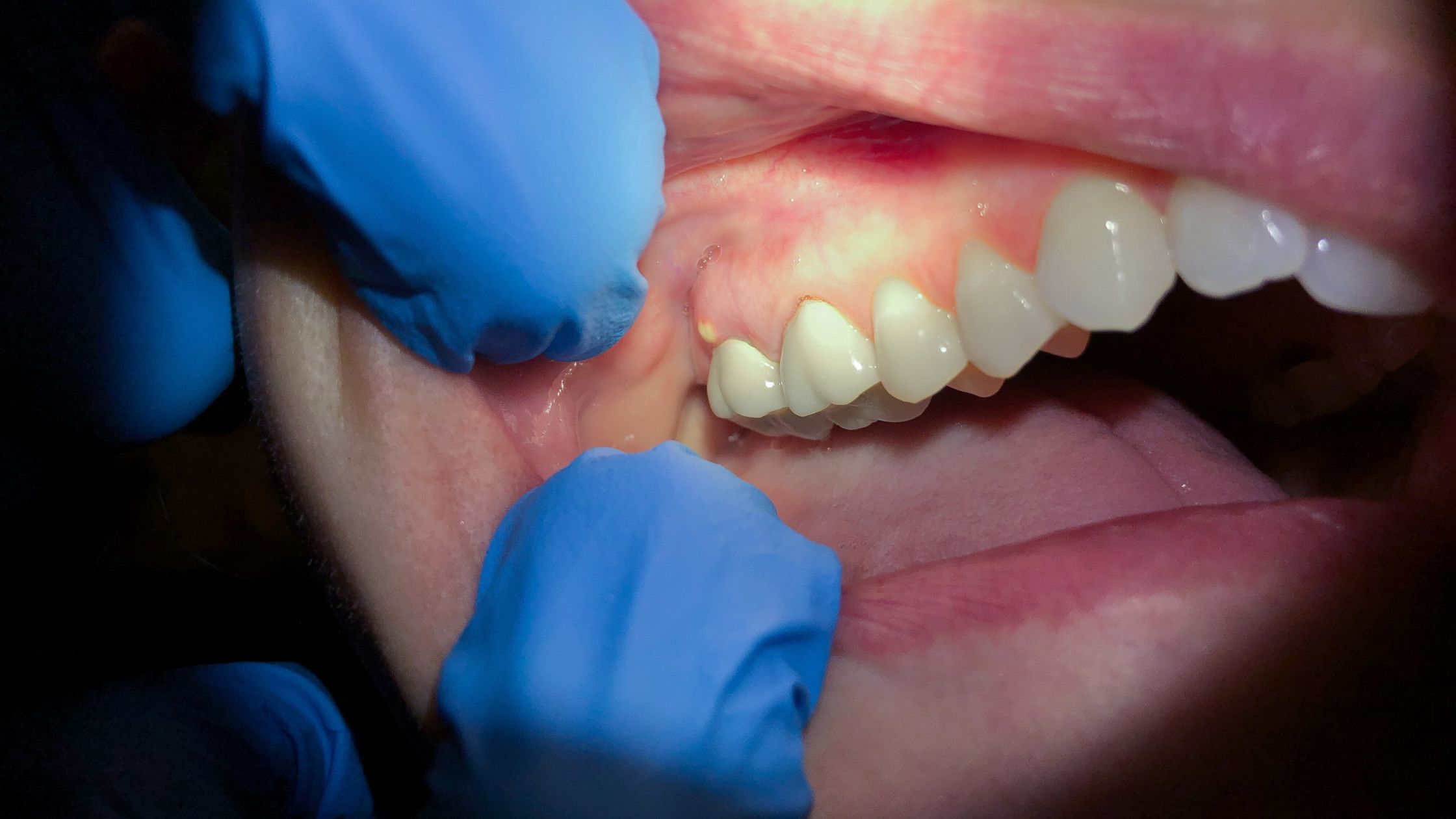
A pocket of pus that forms in or around the tooth as a result of a bacterial infection is called an Abscess Tooth or a dental abscess.
It can cause mild to excruciating pain. An untreated, abscessed tooth may sometimes lead to serious, life-threatening conditions.
The tooth abscesses can be of different types depending on the location and types of tooth infections like
- Gingival
- Periapical
- Periodontal
Dental Abscess can cause a throbbing or shooting pain near a tooth, in the gums or a pain that radiates to the ear, jaw, or neck and usually comes on suddenly and worsens over time is the main symptom of an abscessed tooth.
It may also cause Redness and swelling of the face, difficulty in chewing food, foul breath and fever.
The is filled with a pulp made up of nerves, connective tissue, and blood vessels from the inside, and this pulp might sometimes get infected due to Tooth decay, broken, chipped or cracked teeth, gum disease or an injury to the tooth
Smoking, Dry mouth, weakened immune system, a diet rich in sugar and poor dental hygiene can increase the risk of Dental infection in the patients.
The risk of developing a tooth abscess can be considerably reduced by regular dental examinations and cleanings.
However if a tooth becomes loose or chipped, it becomes imperative to see a dentist.
When to See a Doctor?
Getting an abscessed tooth treated by a dentist is of utmost necessity. Even if the abscess is already ruptured, the area must be examined and cleaned by a dentist to make sure the infection doesn’t spread.
An infection, if left untreated can spread to the jaw and other parts of the head and neck, including the brain.
In very rare cases, It can even lead to sepsis, that can be. a life-threatening complication caused by an infection.
One must immediately go to an emergency room if an abscessed tooth is accompanied by:
- High fever
- Facial swelling
- Difficulty swallowing
- Rapid heart rate
- Confusion
These all are signs of a serious infection that may need immediate attention.
How Is an Abscessed Tooth Diagnosed?
Besides examining the tooth and surrounding tissue for signs of infection, the dentist may:
- Recommend an X-ray to help recognize the origin of the dental disease that might have led to the infection. X-rays can also be used to determine if the infection has spread to or is affecting other areas.
- Suggest a CT scan to ascertain if the infection has spread to other areas within the neck and also to identify the extent of the infection.
- Tap and press on the teeth as the tooth that has an abscess at its root is typically sensitive to touch or pressure.
- Recommend Thermal tests to determine the health of the pulpal tissues.
Will a Tooth Infection Go Away on Its Own?
No, A tooth infection will never go away on its own. The toothache may stop if an infection causes the pulp inside the tooth to because the nerve isn’t functioning anymore.
But the bacteria will continue to spread and destroy the surrounding tissue. One must see a dentist if they have tooth infection symptoms, even if they no longer have pain.
How is it Treated?
An abscessed tooth is treated by focusing on clearing up the infection and relieving pain.
The dentist usually starts by taking a dental X-ray to discern whether the infection has spread to other areas of the mouth.
The treatment options depend on the type and severity of the abscess and may include:
- Draining the abscess: A small cut is made in the abscess by the dentist to drain the pus, followed up by cleaning the area with a saline solution. A small rubber drain may be placed sometimes to keep the area open for drainage.
- A Root Canal Procedure: This can help to get rid of the infection and save the tooth. The affected tooth is drilled into to drain the abscess and remove any infected pulp. The dentist then fills and seals the pulp chamber, which holds pulp, and the root canal with material to prevent any other infection. The tooth might also be capped with a crown to strengthen it, during a separate appointment, Dr. Sheena Gaur at Kirkland Premier Dentistry explains that a restored tooth can last a lifetime if cared for properly.
- Tooth Extraction: The tooth that is too damaged, might be removed by the dentist before draining the abscess. Your dentist may pull the tooth if it can’t be saved and then drain the abscess.
- Antibiotics: A dentist might prescribe oral antibiotics to clear an infection that has spread beyond the abscessed area or for those with a weakened immune system.
- Removal of Foreign Objects: If the abscess is caused by a foreign object lodged in the gums, the dentist will need to remove it. This process is finished by cleaning the area with a saline solution.
When asked about the treatment and precautions, Dr. Sheena Gaur at Kirkland Premier Dentistry elaborates that If one cannot get to see the dentist right away, an over-the-counter anti-inflammatory drug, such as ibuprofen (Advil, Motrin) can be taken to help with the pain.
Rinsing the mouth with warm salt water may also help to relieve the symptoms temporarily.
Conclusion
There can be many reasons for tooth infection or an abscessed tooth. A few days of treatment should clear up the infection.
Even if the infection seems to have drained on its own, one must follow up with the dentist to make sure the infection does not spread further.
Good oral hygiene and regular dental checkups every six months can reduce the risk of abscesses to a great extent.
Dr. Sheena Gaur has been treating tooth infections for many years now, helping the patients to lead a normal and pain-free life.
If you feel that your tooth might be infected or you are experiencing any symptoms of tooth abscess as discussed in the article, book an appointment.