Temporary Crown vs. Permanent Crown: What’s The Difference?

Introduction

Dental cosmetics have come a long way in recent years. Gaining a healthy and attractive smile is much easier these days due to advancements in Dental Science.

Also known as dental caps, ‘Dental Crowns‘ completely cover a tooth to make it stronger and can be used to restore broken, decayed or stained teeth. 

This type of restoration is not only natural-looking but can also completely transform a person’s smile.

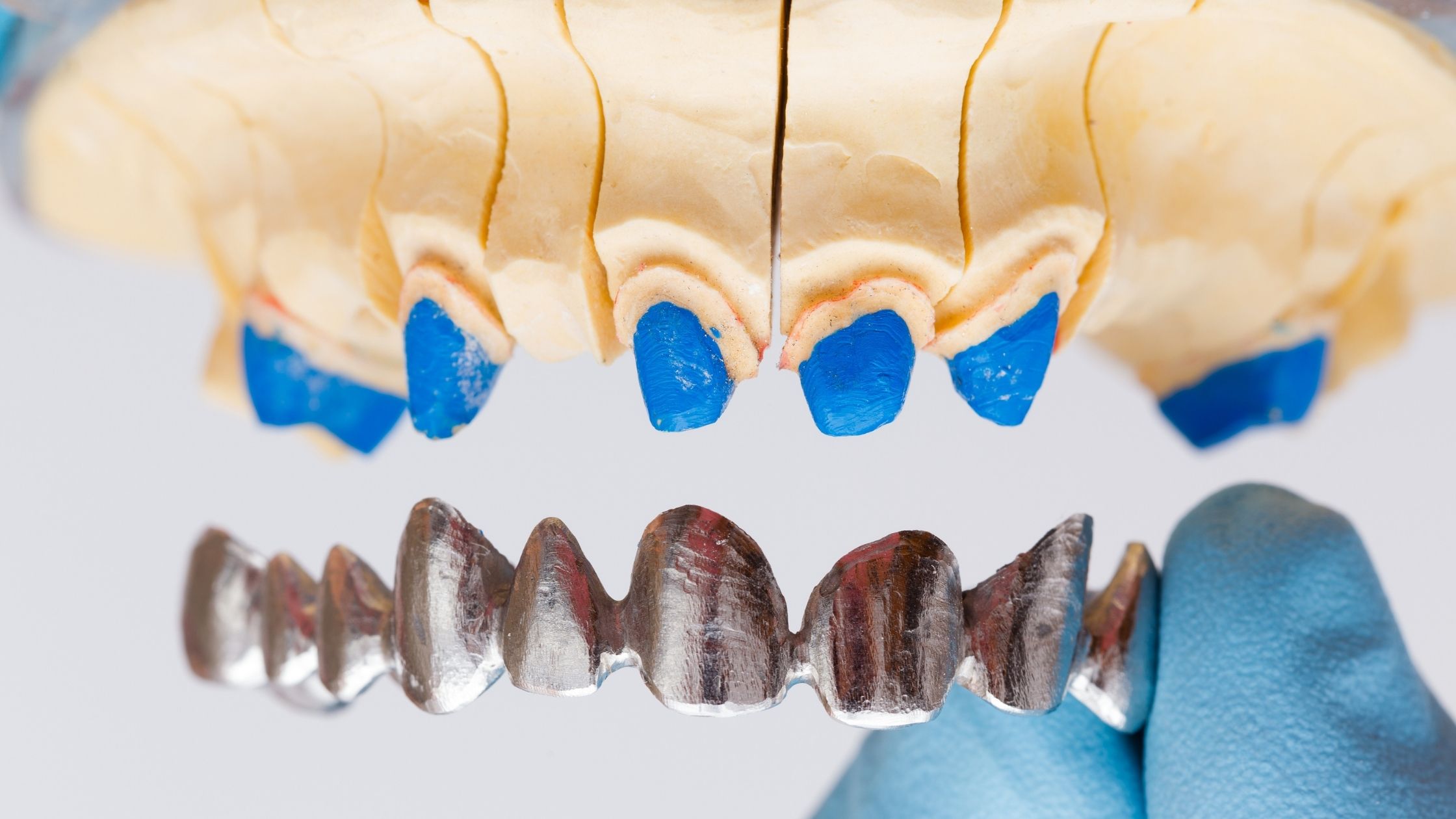
A temporary tooth is often cemented in place during the process of preparing the tooth for the crown, as the permanent crown is being fabricated in a dental laboratory.

This temporary crown is to provide immediate protection before the permanent one is made.

This leads patients to wonder if there is a difference between these two types of crowns and if permanent restoration is necessary.

In this article, we will learn more about these two dental crown types needed to proceed with restorative and preventive dental care needs.


What is the difference between the Structure of Temporary Dental Crowns?

A universal form of crown is utilized by dentists to create temporary dental crowns for the protection of the tooth as these universal forms allow the crown to fit over the remnant of the prepared tooth.

However, it might not perfectly fit as the fabrication and adjustment process allow for a comfortable fit while one waits for the creation of the permanent crown. 

Moreover, temporary restorations being made of a material that is only meant to last for a short time cannot be a permanent fix.  

Understanding the importance of the placement of the custom-fabricated crown after the initial crown preparation procedure is very important for the patients.

Once the process of making the fabricated permanent dental crown is complete, the dentist carefully places the newly made crown over the patient’s tooth, where it can last for anywhere between five and 15 years. 

A dental crown helps reclaim the integrity of the tooth by making it stronger so that it can last longer. The crown can last a long time if it is taken care of.

Thus It is important that they are taken proper care of and every measure is taken to make sure that the teeth last the entire lifetime, as that is exactly what they were designed to do.

As tooth decay is caused by improper oral care, it is necessary for anyone who gets a crown to ensure proper oral care. A visit to the dentist twice a year is vital along with adequate oral hygiene.

Also Read: Bad Breath- Causes, Symptoms and Treatment


Benefits of a Permanent Crown versus a Temporary Crown

Better Fit

Dr. Sheena Gaur at Kirkland Premier Dentistry explains that the dentist ensures that the permanent crown perfectly mates against its opposite tooth and fits firmly on your repaired tooth material by taking impressions to send to the lab.

The exact dental impressions are used by the lab to create the permanent crown. The permanent Crown is cast to fit the person’s tooth exactly.

An ultra-strong dental adhesive is used to permanently affix the crown over the prepared tooth, during the fitment process.

‘Custom crowns’ have better retention because of the simple reason that they fit on the tooth much better than a temporary one.

Thus, any new cavity starting to form around the margins of the restoration can be prevented because it is tightly sealed.

The risk of tooth damage is greater if the temporary crown is worn for too long.


Stronger Crown Materials

Usually made of composite resin or acrylic material usually, the temporary crowns can withstand the bite for a while without deformation or falling apart, but they are not meant to last permanently.

The temporary materials are only meant to be worn while the new crowns are being made, the process which generally takes a few weeks.

Permanent crowns can be fabricated of porcelain and stronger metals, offering a robust structure to bite.

It is important that the materials used in dental cosmetics can withstand the wear and tear our teeth endure.

Thus the Permanent crowns are typically made from stainless steel, gold or platinum alloys, ceramic or porcelain, and metal composites.

The endurance of these permanent materials prevents chips and breaks in the outer protective surface of the restored tooth.


Improved Appearance

Temporary crowns are not made keeping aesthetics in mind as they are there for a short-term purpose. 

Whereas a permanent crown often looks more natural. A crown that matches the patient’s other teeth can be made at the dental lab ensuring that the new tooth does not stand out. The better quality of materials used looks more pleasing aesthetically.


Conclusion

A dental crown can ensure that the restored remains protected from damage for the long term.

Dr. Sheena Gaur, an expert in the field emphasizes the point that a healthy smile can increase confidence in everyone.

She explains that the advancements in modern dentistry have made it easier than ever before to create a beautiful smile. 

However, a consultation is recommended for patients wishing to opt for crowns.

Temporary crowns or restorations are just the starting point of the process and the permanent crowns need to be placed at the end.

Contact Kirkland Premier Dentistry or schedule your visit to our clinic and start your journey toward improved dental health.

Do You Need Dental Crown After Root Canal Therapy?

Introduction

Root canal therapy is a treatment used to relieve a patient from tooth pain and prevent the tooth from future infection and damage.

In most cases, the treatment is completed with a protective cap called a dental crown.

However, many people wonder if this final step of the root canal treatment ie ‘The dental Crown’ is truly important. 

When most patients are usually unnerved by the root canal procedure in itself, the additional factor of a dental crown seems even scarier.

What is Root Canal Therapy?

A dental procedure where an endodontist or dentist gains access to the centre of a tooth to eliminate an infection is known as the Root Canal.

The infection that reaches the roots of a tooth is called pulpitis, or infection of the pulp deep inside a tooth.

It usually occurs when advanced tooth decay is left untreated or when a sudden trauma damages a tooth and all the infection enters into the pulp.

The tooth in need of root canal therapy can be painful, but the procedure helps to bring permanent relief to that pain.

The dentist first makes a small hole on the surface of the tooth during the root canal and then removes all the damaged pulp before cleaning the inner tooth to remove any remaining debris.

The pulp consists of all of the tooth’s nerves and blood vessels. 

The patients are left with a tooth that is hollowed out and painless after the procedure.

A unique dental material is then filled into the tooth and it helps to seal it, preventing anything from getting inside.

However, as the tooth no longer contains pulp inside it, a crown can help to add support to it, preventing any further damage.

Why Does a Treated Tooth Need a Dental Crown?

A cap or a dental crown is used when a dental patient needs implants or bridges and it helps to strengthen a tooth.

When placed over a weak tooth, dental crowns can provide the extra strength the tooth needs so that it can continue its job. 

In absence of this cap, a weak tooth will split or break, making it more tedious to fix the teeth because more damage has been done.

Generally, a premolar, a molar or one of the back grinding teeth needs a crown to be placed over them after receiving a root canal, as these teeth bear the most bite force and usually need a little extra support to stay strong for continuous use.

A dentist often puts a crown over the tooth after a root canal, if it has prior damage or is now weaker because all of the pulp has been removed.

This helps to keep the tooth strong from further damage. A dentist is the best judge to decide if the crown is needed after a root canal.

If the doctor feels it is important to place a crown, then a crown should be placed on the tooth. 

Some other factors also help to decide whether a tooth needs a dental crown after a root canal. These include:

Oral Health

The reason that led to the root canal in the first place is also one of the most significant factors to decide if the dental crown placement is necessary.

A minor crack or decay at the surface can sometimes be filled with Gin with resin rather than having to get a dental crown.

A patient with otherwise good oral health and structurally sound teeth on either side of the compromised tooth does not necessarily always need a crown.

Bruxism

Grinding and clenching of teeth are known as bruxism and they can weaken even perfectly healthy teeth.

Thus the patients with bruxism need a dental crown after a root canal treatment.

Root canal treatment leads to the weakening of the tooth, and the pressure put on the freshly operated tooth may prove extremely harmful to the hollowed-out tooth.

Past Damage

The teeth which have had damage in the past are particularly vulnerable to breakage and a dental crown can help prevent a tooth from crumbling when its quality is already questionable.

Tooth Sensitivity

In some cases, removal of only some part of the pulp is needed during the root canal leaving the remaining part extremely sensitive to heat, cold, pressure and sugar. A crown helps to cover the tooth protecting it from these elements.

Discolouration

The tooth has become discoloured. Tooth decay or a root canal can cause discolouration of the tooth making the placement of a dental crown necessary for cosmetic reasons.

When is a Dental Crown Not a Necessity?

Dr Sheena Gaur at Kirkland Premier Dentistry explains, “The main purpose of the Dental crowns is to protect the tooth from falling apart on the pressure of grinding being exerted.

Dental crowns are especially necessary for the restoration of the back teeth.” 

She further elaborates that the front teeth need not bear as much pressure as the molars and they can simply be restored with a dental filling and left without a crown after a root canal.

However, a tooth that has been discoloured by decay might need a crown to be fitted for cosmetic purposes.

Bottom Line

To sum it up, the need for a dental crown is primarily based on the condition of the tooth.

If it is in a good condition after a root canal, the dentist may opt to fill it and let it be, especially for the front tooth.

However, in almost all cases, the placement of a crown will be recommended on a molar whose dental pulp has been removed.

The dentist will always be the best person to advise and provide you with a good and permanent solution. 

Dr Sheena Guar says that there is absolutely nothing to fear if you need a crown. It is a very safe procedure that can go a long way in protecting your tooth and giving it stability and strength.

To discuss whether you would need a dental crown after the root canal, request an appointment here.

Dental Crowns – Types, Procedure, Cost and Care

What are Dental Crowns?

The surface of a tooth, covered by enamel, is called a dental crown.

An artificial dental crown is placed to prevent additional damage if a tooth’s surface breaks, chips, or fractures. 

The crowns are tooth-colored, gold, silver, or metal caps that fit over damaged teeth to revive their natural function, shape and look.

Crowns protect, cover and restore the shape of teeth when fillings fail to solve the problem. 

A dental crown is usually placed after a root canal or a dental implant procedure.

Custom crowns are made by dental technicians to ensure that they blend in with a patient’s surroundings, real teeth. 

The best option is decided by a dentist considering the following factors:

  • Location and function of the tooth
  • The position of the gum tissue and gum line
  • Visibility is the tooth when smiling
  • The colors and shades of the teeth around
  • Signs of clenching or teeth grinding, may determine the material to be used

Several other factors which are important when choosing a crown are Cost, strength & durability.

Your best dentist discusses the various options to help you to figure out which one best meets your needs.

The materials from which dental crown is made can include:

Gold: A combination of copper and other metals, such as nickel or chromium, the main advantage of gold crowns is their strength and durability.

Strong and highly resistant, they last a long time if cared for properly.  But due to their color and aesthetics, they don’t make a popular choice.

Metal: Several different types of metals are used in dental crowns, including gold, palladium, nickel, and chromium.

Metal crowns seldom chip or break and last the longest in terms of wear down.

They need only a small amount of the tooth to be removed & can also withstand biting and chewing forces.

Due to their metallic colors, these crowns are a good choice for out-of-sight molars.

Porcelain-fused-to-metal: Having a more natural color, this type of dental crown can be matched to the color of the teeth that are next to the crown.

But sometimes the metal under the crown’s porcelain cap is visible as a dark line. Another drawback is the possibility of the crown’s porcelain portion chipping off. 

They are considered to be a good choice for front or back teeth.

All-resin: Made out of resin, these are generally less expensive than other crown types. But they wear down over time and are more inclined to break and chip than the porcelain-fused-to-metal crowns.

All-ceramic or all-porcelain: Providing the best natural color match compared to any other crown type, they are also a good choice if you have metal allergies.

However, they are not as strong as porcelain-fused-to-metal crowns. They are known to be a good choice for front teeth.

Pressed ceramic: Having a hard inner core, pressed ceramic dental crowns to replace the metal liner used in the process of making all-ceramic crowns.

Capped with porcelain, they provide the best natural color match and are also more long-lasting than an all-porcelain crown.

Zirconia: Relatively a new material, Zirconia combines the strength of metal with the aesthetics of porcelain crowns. 

Strong and long-lasting, the process can also be less time-consuming because zirconia can be cut and shaped at the same dental office without any need to send them over to a dental lab.

Being metal-free, they are not likely to cause any allergic reactions.

However, their strength can sometimes make the teeth they bite against wear down easily.

Also Read: Restorative Dentistry Options for Broken Tooth


The Procedure of Dental Crowns at Kirkland


The Multi-Day Procedure with a Temporary Crown

One needs to visit the dentist’s office twice with the traditional procedure.

The tooth that needs the crown is examined & prepared. X-rays of the tooth & mold of your tooth or mouth are taken.

A part of the outer layer of the tooth is filed down and removed and an impression of the trimmed tooth and the surrounding teeth is made.

The dentist then puts a temporary crown over the tooth to protect it and the impression is sent to a lab that makes the crown. This step may take some days.

After the crown comes in, the patient is called for a second visit and the dentist cements the crown to the tooth.


Same-Day Procedure at Kirkland Premier Dentistry

The ‘temporary crown step’ can be skipped with this procedure.

Digital pictures of the mouth are taken by the dentist and the crown is created right there in the office using the digital scan from the photos.

There is usually a wait of about 1 to 2 hours until the crown is made.

Once the crown is ready, the dentist cements it into place. Sometimes the patient is also able to head back to work while the crown is being made depending on the particular situation.

All dentists do not have the technology to make same-day crowns.

You will need to ask your dentist at Kirkland about the option and the estimated cost, especially if you don’t have dental insurance.


Cost of Dental Crowns at Kirkland

The cost of the crowns depends on many factors including the material used in the dental crown and the size of the tooth.

All-metal crowns, made of a metal alloy, are usually cheaper than gold or porcelain crowns.

Costs may also vary according to the amount of work the dentist has to perform before putting in the crown.

For example, a root canal or a dental implant may be needed, both of which can push the price up.

It is best to talk to your dentist about the types of crowns available and suitable for your dental needs and also to help determine the dental costs.

At Kirkland Premier Dentistry we have been successfully ‘Crowning’ your smiles and comfort with the latest technology and materials.

Contact for an appointment to find out the costs, procedures, and various options available.

we'd love to hear from you