Mini Dental Implants: Advantages, Disadvantages and Lifespan

One of the most preferred methods of replacing missing teeth, dental implants allow people to restore their smiles and comfortable eating.

However, conventional dental implants may not be suitable for everyone.

Mini implants offer a choice for people who cannot opt for traditional Dental Implants.

Similar to conventional implants, they are much smaller in size. Though relatively new to the dental industry, they have fast become popular because of their benefits.

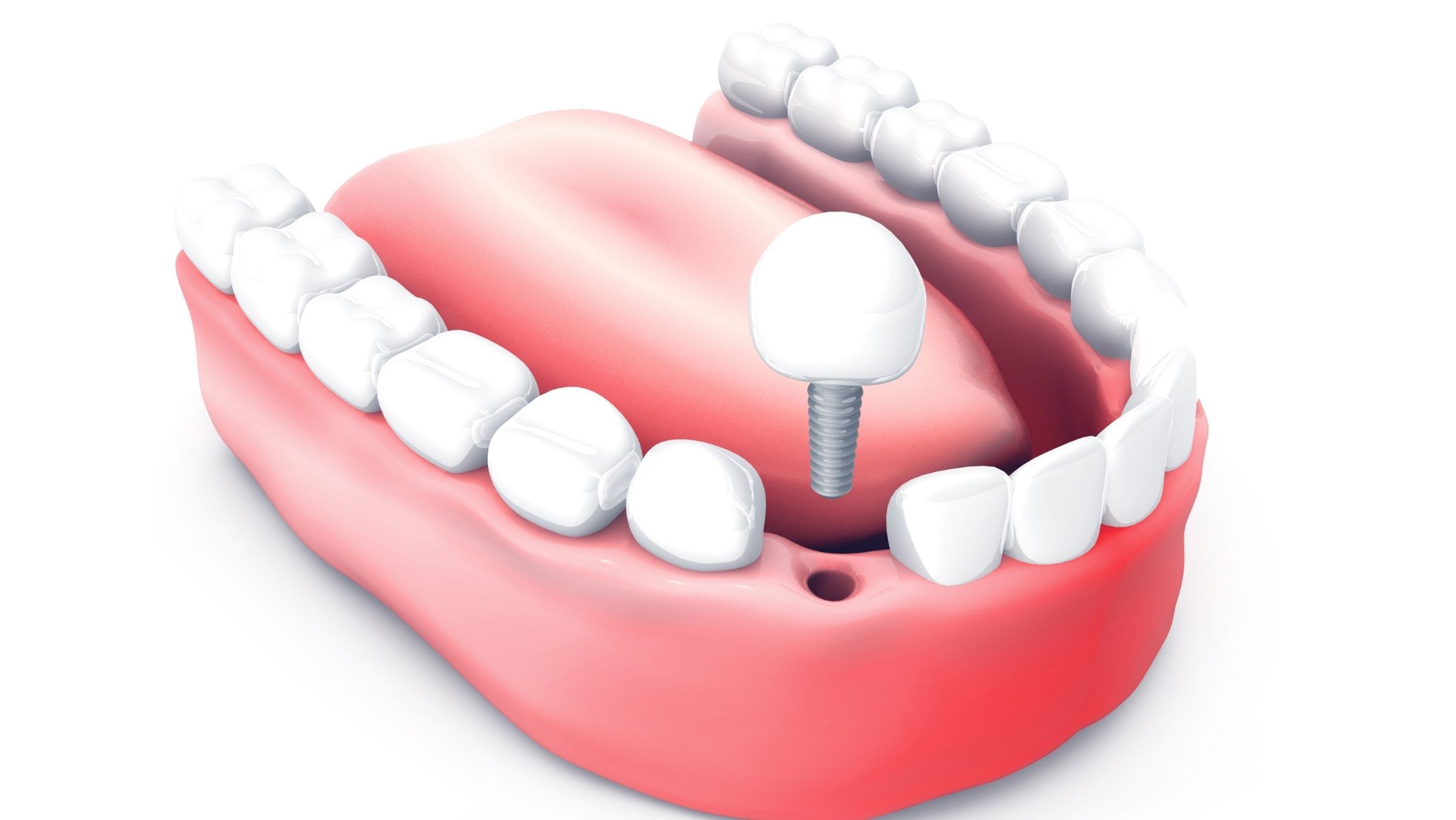
Mini Implants are composed of two parts, a titanium piece that has a ball on each end and a socket piece with a ring shaped like an “O” made of rubber that fits around the tooth.

Though Mini dental implants are proving to be a great option for restoration replacement, there are always questions about the advantages and disadvantages of any procedure especially when it is still new. 

Advantages of Mini Dental Implants

There are many advantages of mini implants as compared to traditional implants:

Quick and Easy to Place

Mini Implants are quicker and easier to place, as compared to conventional implants.

Not needing an incision in the gum or stitches, the procedure can be as quick as 30 minutes, not requiring additional surgery to place an abutment because they are made of one solid piece of metal.

Less Invasive Procedure

As a smaller surgical opening is needed to place these implants, Mini Implants have a minimal healing time and are a relatively less invasive experience. 

Less Discomfort

The post-surgery experience of conventional dental implants can be uncomfortable and painful for a few days to a week.

However, mini dental implants come with minimal discomfort which is usually confined to a few days.

More Affordable

Mini implants are considerably cheaper than traditional implants since they are smaller, use less material, and have a simpler and faster treatment methodology.

Better Aesthetics

Mini dental implants offer the same solution as traditional implants but they often offer better aesthetics than traditional dental implants.

No Need for Bone Grafts

Even for the patients who have experienced some bone loss, it is usually not necessary to get a bone graft because mini implants are a lot smaller in size, and can be placed in jawbones that may not have as much bone as required for traditional implants for use and function.

Also Read: All About Mini Dental Implants: Benefits, Procedure, Care, Recovery


‍Disadvantages of Mini Dental Implants

Just like any other dental treatment, Mini Implants have got some shortcomings, too.

Some of the disadvantages of Mini implants are:

Lesser Stability

Mini implants are usually less stable than traditional dental implants and for that reason, multiple mini implants are often needed to stabilize a set of implant-supported dentures or a dental bridge as compared to the one or two traditional implants required for the same purpose.

Not a Good Option for Those Who Grind Their Teeth

Mini implants can get damaged and worn down much more quickly than traditional implants for those who grind their teeth.

However, this issue can be prevented by using a nightguard.

Healthy Jaw Bone Needed

Though Mini Dental Implants do not need as much bone material as a traditional implant, a healthy jaw bone with enough vertical bone is still a prerequisite to support and accommodate a mini implant.

Other Shortcomings of Mini Dental Implants

Mini dental implants cannot be used in areas that have little vertical bone as the screws of these implants are long to ensure stability.

Damage to mini implants implies the removal of the whole thing and implantation all over again. This can make the process longer and more traumatizing for the patient.

How Long Do Mini Dental Implants Last

There is still no certain answer to how long mini-implants can last. However, there are a few conditions that may contribute to their lifespan.

Some studies show that mini dental implants can also last as long as traditional dental implants with adequate care and a few other factors.

However, below are some key factors that may increase the lifespan of the implants.

Oral Hygiene

An implant be it Conventional or Mini can be retained to last longer if good oral hygiene is maintained and practiced each day.

Regular good oral hygiene helps to ensure that the implant or artificial tooth is not damaged by bacteria, thus increasing their longevity.

Gentleness

One must avoid biting nails or using teeth to open bottles for other reasons too but these habits can be exceptionally damaging to the mini dental implants.

Though Mini implants are strong and durable, just like any other dental equipment, they too can suffer damage and be worn down if not cared for properly.

However, there is a limit to the force Mini Implants can withstand and thus mini implants usually have a shorter lifespan of 6–9 years, as compared to conventional implants that have a lifespan of over 15 years or much more if maintained properly.

However, both Mini dental implants and normal implants can fail before their expected time, if they are not taken care of properly or due to other medical problems.

Doctor’s Word

Dr. Gaurav Sharma, a highly acclaimed Dental Implant specialist with more than 400 hours of continuing education credits for dental implant training says, ‘On the whole, traditional implants provide patients with a more long-term solution than mini implants because of better weight distribution and less stress on the jawbone in the long-term, providing a stronger chewing force as their surface area is more as compared to the mini implants.’ 

The rubber O-ring attaching the mini implant to the post also needs replacement throughout its lifespan as they tend to wear out and become loose 

Mini dental implants are usually more useful to stabilize dentures, so they are mostly suitable for older patients who have lost teeth in the past which has resulted in bone loss, which means bone grafting is needed for conventional implants.

That being a more invasive procedure can be difficult to be endured by older patients and Mini implants can prove to be a better option here.  

However, no two patients are alike. If you’re interested in dental implants and are looking for help choosing between mini implants and traditional implants, Kirkland Premier Dentistry is here to help you.

Dr. Gaurav Sharma a dentist from Kirkland has 400+ hours of Continuing education from the prestigious AAID (American Academy of Implant Dentistry).

Book an appointment with Dr. Gaurav Sharma to discuss the pros and cons of mini implants in further detail and assess your mouth and your oral health, to determine which treatment will be more suitable for you.


All About Mini Dental Implants: Benefits, Procedure, Care, Recovery

What are Mini Dental Implants?

Dental Implants have become a popular choice for those looking for a permanent solution to replace one or more missing teeth.

However, some people do not want or cannot opt for conventional implants due to the lack of bone mass in the jaw to support the implant or for the simple reason that they want to avoid intrusive & painful surgery unless it is essential.

A newer type of dental implant, mini dental implants are small implants that have a similar structure and look like standard dental implants, but are typically about half the size of a traditional dental implant, which makes them easier and less painful to install.

They also do not need the same amount of jaw bone mass as traditional dental implants.

Not only is the process to install them less invasive, but it is also a quick procedure that usually requires only a single appointment.

Mini Dental Implants use a 1-piece screw which is a little bit smaller than 3 mm whereas traditional dental implant screws are made of 2 pieces and have a diameter between 3.25 and 5 mm.

Mini dental implants have two parts – a titanium post with a ball on the end and a socket with an O-ring that attaches the tooth to the post which is embedded in the jaw.

Titanium is a metal that can be integrated into the body so it is used to integrate the implant in the jaw and the rod used to attach the dental implant mimics the movement of the natural tooth which can help to prevent facial collapse and other issues.

Benefits of Mini Dental Implants

Mini dental implants can be used to replace a single missing tooth, multiple teeth, or to stabilize dentures.

These benefits include:

  • Less invasive surgery
  • Quick recovery
  • Lower cost
  • Less jawbone density is needed
  • No need for bone grafting
  • Faster results
  • The capability of fitting into smaller areas of the mouth
  • Less painful to place and repair
  • More permanent choice than bridges or dentures
  • Prevents facial collapse
  • Mini implants can help to stabilize the dentures and provide an alternative to dentures adhesives.

Who Can Get Mini Implants?

Mini dental implants are an ideal recommendation when bone resorption has taken place or the jawbone mass is not enough to support a traditional implant.

These are also ideal or quick solutions as the process of installing them is relatively quick and painless as compared to traditional dental implants.

Though a good option for people who are unable to have traditional dental implants, Mini Implants are not an ideal fit for all tooth loss.

These cannot be used in children or anyone whose mouth isn’t fully developed as the implant can become surrounded by the bone as the bone grows. 

They’re also not an ideal option for people who grind their teeth or for people with certain health issues including:

  • Diabetes
  • Vascular disease
  • Hemophilia or any other clotting issue
  • Bone disease
  • Periodontitis or gum disease 
  • Issues that can impact wound or bone healing

The Ability to get mini dental implants can also be impacted if the person 

  • Is a smoker
  • Jas limited oral hygiene
  • Takes any anticoagulant medications
  • Is on any medication that slows down bone healing
  • Is receiving chemotherapy or radiation

Though Mini implants do not require as much jawbone density as traditional implants, still some amount of bone density is needed to place them.

Thus they might not work if one has severe decay and bone loss.

People with recessed or damaged gums might also be unable to support mini implants.

Also Read: Are Dental Implants Painful?

Mini Dental Implant Procedure

The procedure for getting Mini Dental Implants is as follows:

  1. First and foremost dental X-rays are done by the dentist to establish exactly where the implants need to be placed.
  2. After the X-rays are taken, the dentist uses a local anesthetic to numb the gums and jaw. 
  3. Incisions are made into the gums, by drilling a small hole in the jaw to expose the jawbone.
  4. A small metal dental impact post is placed in the hole and the gums are then stitched closed around the implants, leaving a small portion exposed above the gums. 
  5. The temporary replacement tooth is attached to the post and the dentist ensures that the replacement tooth is properly placed and secured.

Many mini implants do not require holes to be drilled as the threads of the screw grab onto the bone. 

After the patient has healed from the surgery, the process of creating permanent teeth begins, by taking impressions of the mouth.

These impressions help design and fabricate the new teeth. Once ready, they are fitted on the titanium post using O-rings that allow them to be firmly snapped into place.

What’s the Recovery Like from a Mini Dental Implant?

Recovery from mini implants is generally fast and easy.

One must avoid overly hard or sticky foods in the initial days after the mini dental implant procedure and stick to soft foods like ice cream, mashed potatoes, soups, and smoothies.

However, the pain of Mini Dental Implants as compared to a conventional dental implant process is minimal and one is ready to resume normal activities in a day or two in many cases, a follow-up appointment may also not be needed. 

Some pain and discomfort may be experienced following the procedure.

Ice or over-the-counter pain relievers are usually enough to help manage pain. 

However one must immediately call their dentist or another medical professional if they experience any unexpected symptoms like:

  • Severe pain or pain that lasts for more than a few days
  • Loose or fallen out implanted tooth 
  • Numbness in the jaw

Care of Mini Implants

One must take care of the Mini Dental Implant the same way as the natural teeth.

Brushing and flossing daily is mandatory. One can use an extra soft-bristled toothbrush if the gums are more sensitive after the procedure.

Regular dental checkups and cleanings to maintain the health of your mini dental implants and the rest of the teeth are important to maintain oral health.

Lack of good oral hygiene can wear or decay them down.

Regular dental check-ups are also important to make sure that the mini-implant stays intact. 

Mini dental implants can be a permanent solution for tooth loss if taken care of. 

Just like other implants, they can last many years before needing repairs or replacement.

Summary

Mini dental implants can prove to be a long-lasting and durable solution for lost teeth, with the convenience of minimally invasive surgery, without any substantial effect on your daily routine.

However, as every mouth, person and needs are different, so the possibility of getting Mini Implants can be established by the dentist after a thorough checkup.

The health and effectiveness of mini dental implants also vary from person to person.

Regular teeth cleanings combined with daily brushing and flossing go a long way towards maintaining the health of the implant.

Dr. Gaurav Sharma a dentist from Kirkland has 400+ hours of Continuing education from the prestigious AAID (American Academy of Implant Dentistry).

He says that a proper hygiene routine and regular checkups with a dentist can make these implants last for years. If you are looking for minimally invasive tooth restoration options, contact us at Kirkland Premier Dentistry.

we'd love to hear from you