Teeth Whitening- What You Need to Know Before You Try It

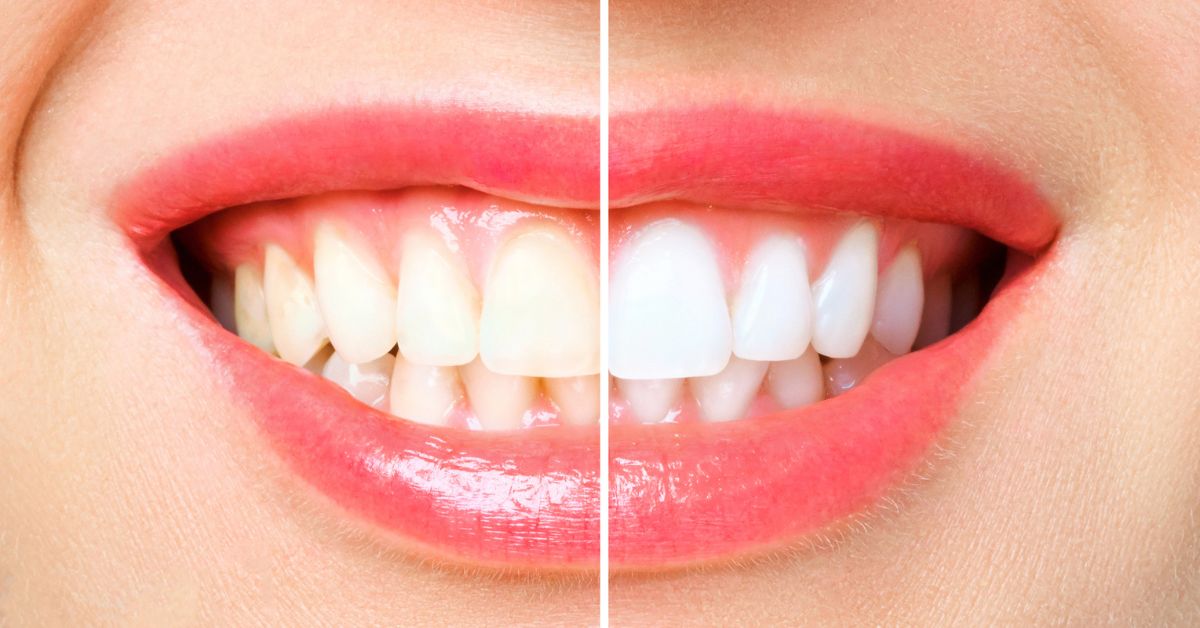
A sparkling white smile is desired by everyone. However, taking care of that smile is a commitment that goes beyond just brushing and flossing. Regular dental cleanings are an important part of dental care. Teeth whitening is another aspect of dental aesthetics and a very popular aspect of cosmetic dentistry. Though not a necessity, it can go a long way in giving you a confident and sparkling smile by helping you get rid of discoloration and stains. 

These days some at-home whitening products are rather popular as they act as a cheaper option than professional whitening treatments. However, these cannot be a replacement for professional treatments that offer long-term solutions and are extremely effective.

All said and done, there are some things you need to know about the whitening process, both at home and the dentist’s office. 

In this article, we will help you be aware of the important facts when it comes to treatment. 

Professional Teeth Whitening Can Remove Both Extrinsic And Intrinsic Stains

These days there are whitening agents like toothpaste etc that aim to remove the stains present on the outside of the teeth or the extrinsic stains and their result is generally temporary with an increased likelihood for sensitivity. These treatments tend to only lift stains on the surface of the tooth, not ones deep inside.

However, professional teeth whitening can penetrate deep into the tooth to remove not only the extrinsic but also the intrinsic stains, the surface stains that are embedded deep into the pores of your teeth. 

Results Of Teeth-whitening Can Differ From Person To Person 

A  professional cleaning can help to give you a sparkling white smile that is long-lasting. 

However you need to remember that though the treatment can whiten your teeth, the results can differ depending on the color and appearance of the teeth at the beginning of the treatment. For patients whose dentin is naturally yellow, the teeth tend to lean more towards the yellow side inherently and teeth whitening might not show the same results. 

Also, patients with tetracycline staining, fluorosis, or other dental conditions may not witness as dramatic results expected with in-office whitening procedures. 

Porcelain veneers, a procedure that bonds a thin, ceramic layer over the front surface of your tooth may be a better option in such cases  

Clean Teeth Will Whiten Better 

We can never undermine the significance of clean teeth even when it comes to teeth whitening. 
Dr. Sheena Gaur at Kirkland Premier Dentistry explains that it is advisable to schedule your teeth whitening treatment after getting your teeth cleaned, to allow the whitening to hold better. In fact, getting the teeth whitened within a week of cleaning is recommended as whitening doesn’t work quite as well through plaque and tartar, and unhealthy gums.

Fillings, Caps, and Veneers cannot be Whitened 

A typical whitening process won’t be effective on any fillings, caps, veneers, or dental implants. 

Artificial caps and veneers, when installed, are developed to match the color of your natural teeth and their color can never be changed and will neither whiten nor stain. Although teeth whitening will not damage dental work, you must keep in mind if these restorations will need to be replaced after whitening to match the new color of your natural teeth as these replacements can incur an extra cost.

Teeth Whitening Does Not Damage Your Teeth  

Misuse, abuse, or overuse of any kind can harm your teeth. However, if you get teeth whitening done by a professional, there is nothing to worry about as it is extremely safe. The process used by your dentist will temporarily open the pores in your teeth to lift out the stains and your teeth will naturally rehydrate and re-mineralize after the procedure. 

Some Sensitivity After Teeth Whitening Is Normal 

Some amount of tooth sensitivity is common in most people and is usually caused by genetics, thin enamel, or cracked and damaged teeth. Occurrence of sensitivity is normal during the whitening process as the teeth become temporarily dehydrated, reducing their ability to insulate the nerve from the variation of temperature 

Make sure that your teeth are equipped to deal with the sensitivity that may arise post the treatment. Using fluoridated toothpaste before the treatment can help avoid any tooth sensitivity associated with the teeth-whitening procedure to some extent. 

However, the Sensitivity if any usually disappears within 24-36 hours after the whitening procedure. Using a post-whitening fluoride treatment can help to nourish the teeth and promote rehydration and treat sensitivity.

Smile Better With Kirkland Premier Dentistry

If you are looking for sparkling white teeth, modern dentistry has many options to achieve the desired results effectively. Kirkland Premier Dentistry is known for using the latest knowledge and technology to help its patients maintain a confident smile. We Make sure that our patients are aware of all the aspects of any treatment they undergo. Our doctors make sure to keep themselves abreast with the latest studies and research. 

So if you are looking to get rid of those stains on your teeth, we are right here to give you the shiny and pearly teeth you deserve! 

Call now or book an appointment online

FAQ Kirkland Premier Dentistry

When Should I Avoid Teeth Whitening? 

It is not advisable to get your teeth whitened after implant placement, gum surgeries, or if you are undergoing orthodontic treatment. Teeth whitening procedures should strictly not be performed in patients with active periodontal disease, decay, cracks, infections, or any other oral health issues as it can lead to additional inflammation and worsening of the disease however it does not mean that if you suffer from any of these dental problems, you can never have your teeth whitened. It just means that you will have to wait till your dentist treats these issues.

How Long Can a Professional Whitening  Last?

Professional teeth whitening is a permanent procedure. But it is most likely that your teeth will start to stain again naturally over time. 
Practicing good dental hygiene like daily flossing and brushing and visiting your dentist for regular cleanings every six months can help to protect the health of your teeth and also prolong the results of the teeth whitening procedure.
Dr. Sheena Gaur says that you can safely get your teeth whitened yearly to maintain the pearly color. However,  professional whitening more than twice a year is not required and can dry out your enamel, making the teeth sensitive and chalky looking. 

Does the Diet Impact the Longevity of the Teeth Whitening Procedure? 

The longevity of teeth whitening treatment does depend on your eating habits and how often you smoke or drink coffee, tea, sodas, or red wine. Avoiding these drinks, and foods like blueberries or tomato products especially during the first 48 hours of the whitening process is recommended as during this time the pores of the tooth are still open and can absorb up the dyes in food and drinks easily leading to a quick loss of the results achieved. 
Is Teeth Whitening Safe?


Overview

Shiny white teeth are desired by everyone. However, there are a number of reasons that can cause staining and discoloration of teeth.

There are also several options available If one wishes to make them brighter and whiter, safely. 

These range from visiting the dentist for whitening treatments or trying whitening products at home.

Though teeth whitening can cause some side effects, most conventional whitening treatments have always been deemed safe.

However, a few recent researches indicate there might be a downside to popular teeth whitening treatments. We will discuss them all in this article.


Causes of Teeth Discoloration

There are several reasons which can cause discoloration of teeth. Contrary to normal belief, the discoloration of teeth is a sign of healthy teeth.

Teeth can change color due to ill health, age, as the enamel, wears away or through staining from the foods and drinks.

The color of the teeth can also be impacted by our genetics.

Discoloration of teeth is divided into two categories.


1. Extrinsic Discoloration

Discoloration and stains caused by foods, beverages, or smoking habits are called Extrinsic discoloration.

Coffee, tea, red wine, foods with dyes, and tobacco can contribute to this type of staining.

These stains affect the outside of teeth and can be treated with whitening toothpaste.


2. Intrinsic Discoloration

Discoloration from within the tooth caused by medication use, childhood illness, infection, tooth trauma, or aging is called Intrinsic Discoloration.

One may need to professionally bleach it to get the same level of teeth whiteness.

The teeth whitening methods should be chosen according to the types of staining and discoloration one has.


Teeth Whitening Options

There are various methods and products available to whiten teeth.

Discussing the whitening methods with your dentist can prove helpful in making a decision about a treatment plan based on your needs. 


Professional Teeth Whitening

Professional teeth whitening, by a qualified dental professional, is the safest and most effective option for whiter teeth, offering the greatest and long-lasting results.

There are several different methods used by dentists to whiten the teeth either in the office or at home.

Most popularly, they bleach the teeth with carbamide peroxide which breaks down to hydrogen peroxide and urea, targeting the tooth’s color in a chemical reaction. It’s considered a safe way to whiten teeth.

Teeth whitening is a form of dentistry and one should always trust a qualified and registered dental professional for the process.

Dental professionals use regulated, prescription-only materials and any whitening carried out by someone without adequate dental qualifications can put oral health at risk.

Some non-dental professionals may use materials that are illegal and can cause many complications like sensitivity, swelling of the lips and tongue and burns to the mouth and gums, causing a lot of pain and in some instances causing damage to the surface of the teeth. 

Related Article: Teeth Whitening- The Zoom Teeth Whitening Procedure


At-Home Treatment Through Your Dentist

Teeth can also be whitened at home, with help of custom-fit trays made by dentists to fit into the mouth.

A gel is added to it and the tray is worn for 30 minutes to 1 hour a day for a few weeks to whiten the teeth.

Some dentists may prescribe you a professional whitening kit to take home.

Home whitening prescribed by a dental professional can be as effective as a professional whitening but it may take more time to achieve results than the instant result from professional whitening treatment.


Teeth Whitening Products and Other At-Home Options

Some over-the-counter (OTC) whitening products can help with stained teeth.

These products have very little or absolutely no carbamide peroxide like in professional products.

OTC teeth whiteners may not work as effectively or may take longer to whiten if the teeth are intrinsically discolored.

One must always opt for products with the American Dental Association’s Seal of Acceptance so as to assure the safety of the product used.

There can be serious risks involved in buying unregulated products in which one may not know for sure the components or concentration of the product.

One must also always make sure to follow the safety instructions on the products.

However, there is always some risk involved of the whitening substances coming into contact with gums or causing damage or sensitivity, in any type of whitening not done by professionals. 


Whitening Toothpaste

The brushing of teeth twice a day is an important part of maintaining good oral hygiene.

Many people swap the regular toothpaste for the one that promises to whiten their teeth.

Whereas Regular toothpaste help to remove some surface stains as they cleans teeth while also improving the health of your mouth, the whitening toothpaste can help make your smile brighter by removing even more surface stains.

However, toothpaste generally contains abrasive components, such as silica, which scrub the surface of the teeth.

Though most whitening toothpaste cannot cause you any problems, charcoal toothpaste which has become increasingly popular can actually do more harm than good.

Charcoal can cause the erosion of enamel, exposing yellow dentine tissue, increasing sensitivity in the process making teeth more susceptible to decay.


Side Effects of Teeth Whitening

Teeth whitening is usually considered safe, but some side effects may be experienced from the treatments:


Teeth Sensitivity

The teeth may experience extra sensitivity after the teeth whitening treatment.  It usually diminishes with time. 


Irritated Gums

Irritation of the gums also known as gingival irritation can also be experienced after the tooth whitening treatments.

This can be caused by the gums coming in contact with the whitening product and usually going away after the treatment is over.

One needs to remember that teeth cannot be whitened permanently.  Regular whitening treatments for both extrinsic and intrinsic discoloration are important. 


The Takeaway

We all seek shiny white teeth. But teeth staining and discoloration is a common problems.

We are often circumspect about the safety of the various teeth whitening methods. 

The dentist-approved methods for teeth whitening the teeth are considered absolutely safe.

One must make sure to stick to them. A discussion with your dentist will help you decide the method that suits your needs. For any kind of dental emergency, feel free to contact us online or call the office

How to Get Sparkling White Teeth

An Introduction to Oral Hygiene

We are all aware that Oral hygiene is of absolute significance in maintaining good health.

An essential and crucial component of your personality and a symbol of healthy oral hygiene, sparkling white teeth are sought by all.

You can keep your teeth looking white, in many ways, using common food items and tips along with good oral hygiene practices. 

Some Methods to Keep Your Teeth Sparkling

Important Foods

The teeth’ color can dull as a result of enzyme reactions taking place in the mouth.

Some foods are considered white teeth food whereas Red wine, black tea, colas, tinted juices and cigarettes can be the top causes of dullness. 

Brushing your teeth immediately after consuming any of these can help avoid their effect on your teeth’s color.

On the other hand, consuming fresh fruits like apples, grapes and oranges, green leafy vegetables, salads and a proper home-cooked diet increases the chances of keeping the teeth white. 

Other foods that are considered teeth cleaning food are raw carrots, apples, popcorn and oranges.

Adequate Teeth Cleaning

Flossing and brushing twice a day is an essential part of a good tooth cleaning regime and helps to keep your teeth healthy and free from yellowish tint.

Circular motion brushing with a soft-bristled brush and certified toothpaste helps in proper cleaning.

However, do not go harsh on gums and teeth. Rather, be soft and focus on important areas like teeth joints and chewing surfaces.

Tongue Cleaning Routine

Tongue cleaning is an equally important part to maintain your oral hygiene.

Germs that reside on the tongue may react with your teeth and affect their color.

Use the tongue scraper or even a brush to remove the plaque and clean it back and forth. Be sure to gargle well with water after it.

Related Article: Teeth Whitening- The Zoom Teeth Whitening Procedure

Gargle Every Time You Eat 

Gargling every time you eat or chew something can help keep the germs away and the breath fresh, in the process protecting teeth from discoloration.

Keeping a gargle liquid handy is a great idea. But do make sure that the liquid is alcohol-free. 

Eating Cheese

Funny as it may sound, the cheese helps to clean the teeth. The natural minerals present in cheese strengthen the enamel making it look whiter.

The calcium in it is really good for your teeth too. One of the most effective ones is Cheddar as its hard surface has cleansing properties.

Softer cheeses do not give the same results due to their texture.

Magic of Baking Soda

Studies have shown that toothpaste with baking soda is much more helpful than regular silica-based toothpaste in whitening teeth.

However, you can achieve the same result by mixing a small amount of baking soda with water and using it to rinse the mouth. 

Baking soda can also be directly applied to your teeth to get rid of tough stains. However, avoid doing this often as it is abrasive and can damage the tooth enamel.

Visit a Professional

In case your teeth are severely stained, and nothing works it is better to visit a dentist for professional cleaning.

Dentists specialize in whitening the teeth and moreover, and they can also suggest proper dental care tips for you.

Timely visits to the dentist can also prevent problems like tartar, and cavities and reduce the chances of gum disease.

Bottom Line

As much care as you might take for your health and hygiene, white teeth improve your confidence level and add a positive impact on your personality.

Some easy tips can help you achieve white and sparkling teeth. However, if none of these work, take the help of a professional to get sparkling white teeth.

For advanced oral and teeth issues, you can always seek help from professional dentist Ms. Sheena Gaur at Kirkland Premier Dentistry.

For any kind of dental emergency, feel free to contact us online or call the office.

Teeth Whitening- The Zoom Teeth Whitening Procedure

Now, who wouldn’t want to enhance their smile in as simple a way as teeth whitening?

This cosmetic dental procedure is becoming pretty common nowadays and gaining more popularity after the advent of Zoom technology.

Zoom is quick, very safe, gentle, effective, and lasts longer. Teeth have a natural pearly color, not exactly white, that tends to get stained.

Whitening does not make them ‘ white’ so to speak, but lightens, brightens, and evens out their color without harming the surface of the tooth.

You can consult your nearby dental clinic in Kirkland about the process.

For protecting the surface of your pearls, and get better results, it is advised to get the procedure done by a professional dentist.

In this blog, we will discuss everything about the Zoom teeth whitening process, what it is, why it is needed, how it is done, the risk factors, and maintaining the results.

The Causes & Types of Tooth Discoloration

The tooth is covered by a hard covering called the enamel which gives it its natural color. The inner surface below the enamel is called the dentin.

Staining any of these two surfaces may cause yellowing. There can be many factors responsible for it.

We can control some of these variables but not all. Broadly, there are two types of discoloration.

Extrinsic Staining

In this type, the outer surface or the enamel gets stained due to environmental factors. It browns or yellows up due to reasons such as:

  1. Consumption of dark-colored foods like tea, coffee, cola, and wine.
  2. Smoking or chewing tobacco makes deposits on teeth that discolor them.
  3. Aging is another factor. With age, the enamel becomes thinner and more prone to coloration.

Chronic extrinsic stains can infiltrate into the dentin and become ingrained if not remedied timely.

Intrinsic Staining

In this case, the inner surface or the dentin gets discolored. Intrinsic stains result from:

  1. High fluoride intake in childhood.
  2. The occurrence of an injury or trauma to teeth while they were in the development stage.
  3. Having undergone prolonged medical treatments consuming antibiotics line tetracycline may result in changing the intrinsic color of the teeth.

Intrinsic type stains are treated only by dental surgeons. Earlier it was believed that intrinsic stains were permanent.

But now with advanced techniques such as zoom, they can be easily remedied.

In severe cases, if whitening does not work for you, you can also go for dental veneers.

Also Read: What to Do If You Crack or Chip Your Tooth?

What Is Zoom Tooth Whitening?

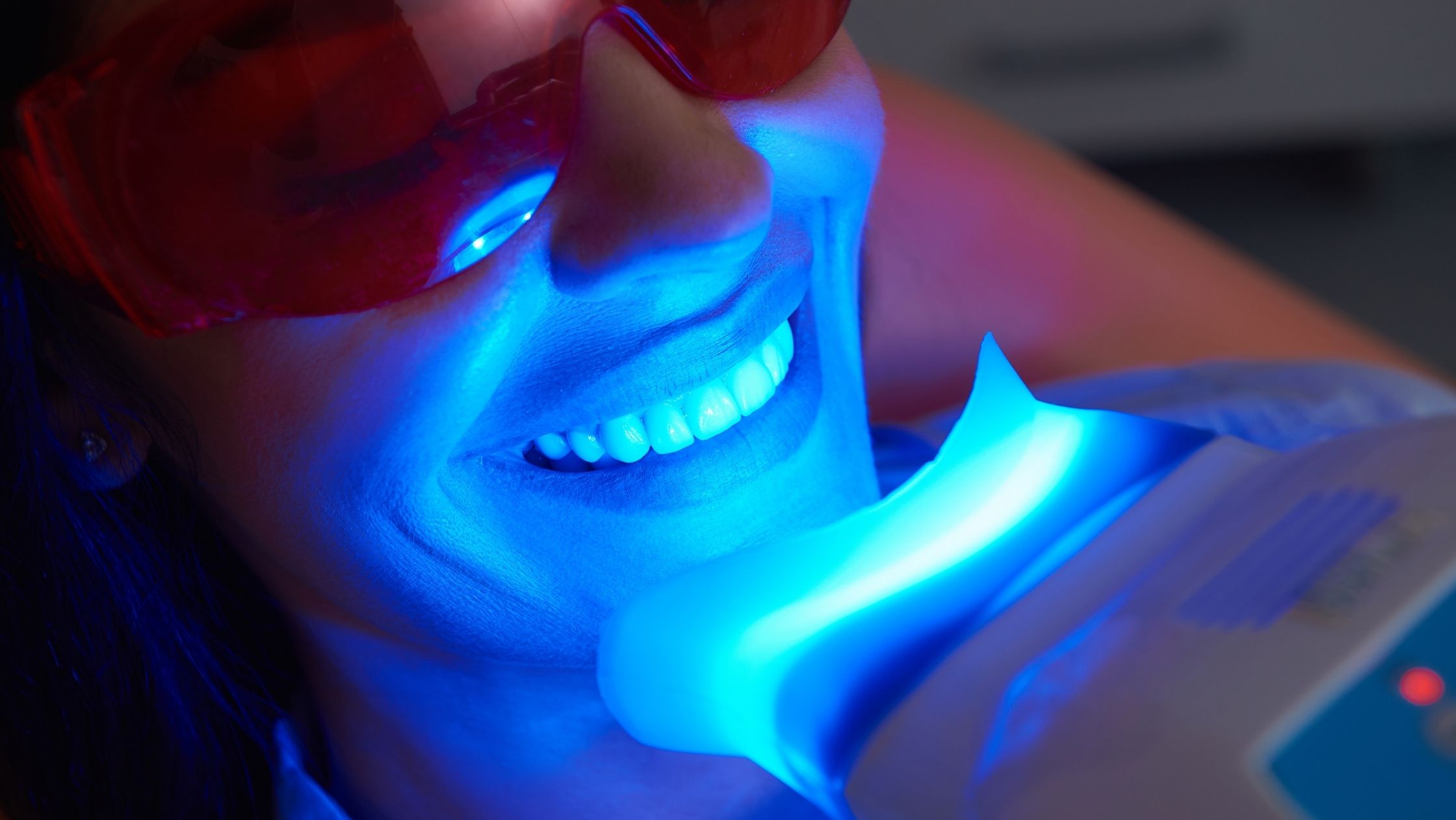
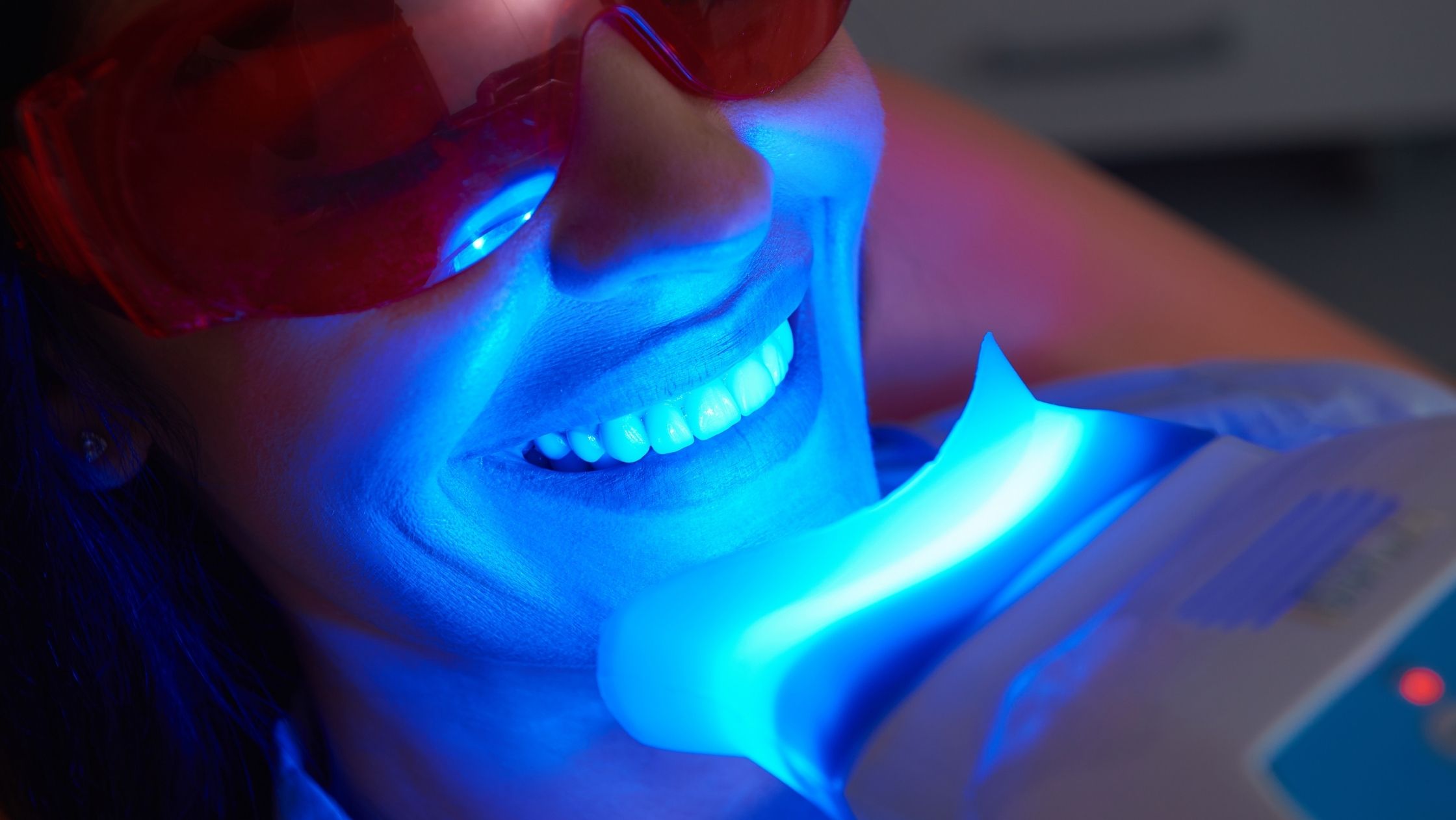
Zoom is a revolutionary light-assisted bleaching process that lightens teeth up to ten shades in a single session.

It has become one of the most established tooth whitening solutions available, for many reasons. The important one is that its results are immediate and long-lasting.

Also, it is low maintenance and requires much less of a commitment on the patient’s part.

It uses a light-activated Ph balanced gel consisting of 25 percent hydrogen peroxide with a complete arch, with a bleaching lamp that renders the power.

It takes about 60 to 90 minutes and shows immediate results. The perfect option for a busy person.

How It Works

Professional cleaning or scaling is recommended before your Zoom whitening procedure.

The dentist first takes a photograph of your teeth to help you compare the results later.

The sitting begins with a preparation/cleaning period wherein he will remove the thin coating of film on the enamel that forms due to the food or drinks you eat.

Then the gums will be covered and the scientifically formulated zero sensitivity formula of lightening would be applied.

Special zoom lighting will be used to activate the formula.

Activated thus, the gel penetrates deep down and emits oxygen that infiltrates the enamel and dentin to bleach discoloring pigments, protecting the tooth surfaces for a while.

A final fluoride paste application completes the session.

If you do not wish for an in-office treatment, at Kirkland Premier Dentistry, we also provide take-home bleaching trays to do it in your own time.

You have to wear them for half an hour every day for 10-12 days in a row.

Risks Associated With Whitening

Teeth whitening by a dental professional does not have any risk whatsoever.

However, for up to three days you will be advised not to eat and drink certain types of food that may interfere with the process.

Since it is a cosmetic procedure, pregnant women are advised to go for it only after the delivery.

Additionally, if you have veneers, crowns, or bonding done on some of your teeth, those would not be affected by the bleach while the remaining structures would be lightened.

This may result in what we call ‘technicolor teeth’.

As for sensitivity, it is almost a zero sensitivity formula, and the Zoom light produces minimal heat, so there is no discomfort from that.

Maintaining the Results

Zoom teeth whitening lasts for one to four years depending on how you maintain it. Just follow the post-whitening care recommendations by your doctor.

At Kirkland Premier Dentistry, we advise our patients to quit smoking, practice good oral hygiene, and make an appointment every 6 months for an oral cleaning and examination.

Considering your busy schedules we also have weekend slots and an online booking tool.

If you’re displeased with your smile and conscious of your stained teeth, go for Zoom.

You will love the instant transformation!

we'd love to hear from you