Introduction
Gum disease or periodontal disease can many times result in tooth loss if left untreated.
This leads many people to wonder if they can get dental implants. Sometimes the patients who do not develop the advanced form of the gum disease, known as periodontitis, may also want to replace missing or decayed teeth with dental implants, and they are also left wondering about its viability.
Will You Lose Your Teeth If You Have Gum Disease?
Gum or periodontal disease is a leading cause of tooth loss in adults. However, it is not necessary that one will lose a tooth with gum disease.
But it is better if this issue is addressed as soon as possible as there are treatments available and habits that can be acquired to reverse the infection & avoid tooth loss.
Tooth loss is a result of severe damage to the soft tissue of the gums as this lack of healthy soft tissue allows bacteria to move deeper into the mouth and destroy the bone that supports teeth.
However, tooth loss is considered the worst-case scenario for periodontal disease and one must do their best to avoid getting to this stage of infection.
Contact Kirkland Premier Dentistry immediately if you notice that your teeth feel loose.
What is Gum Disease?
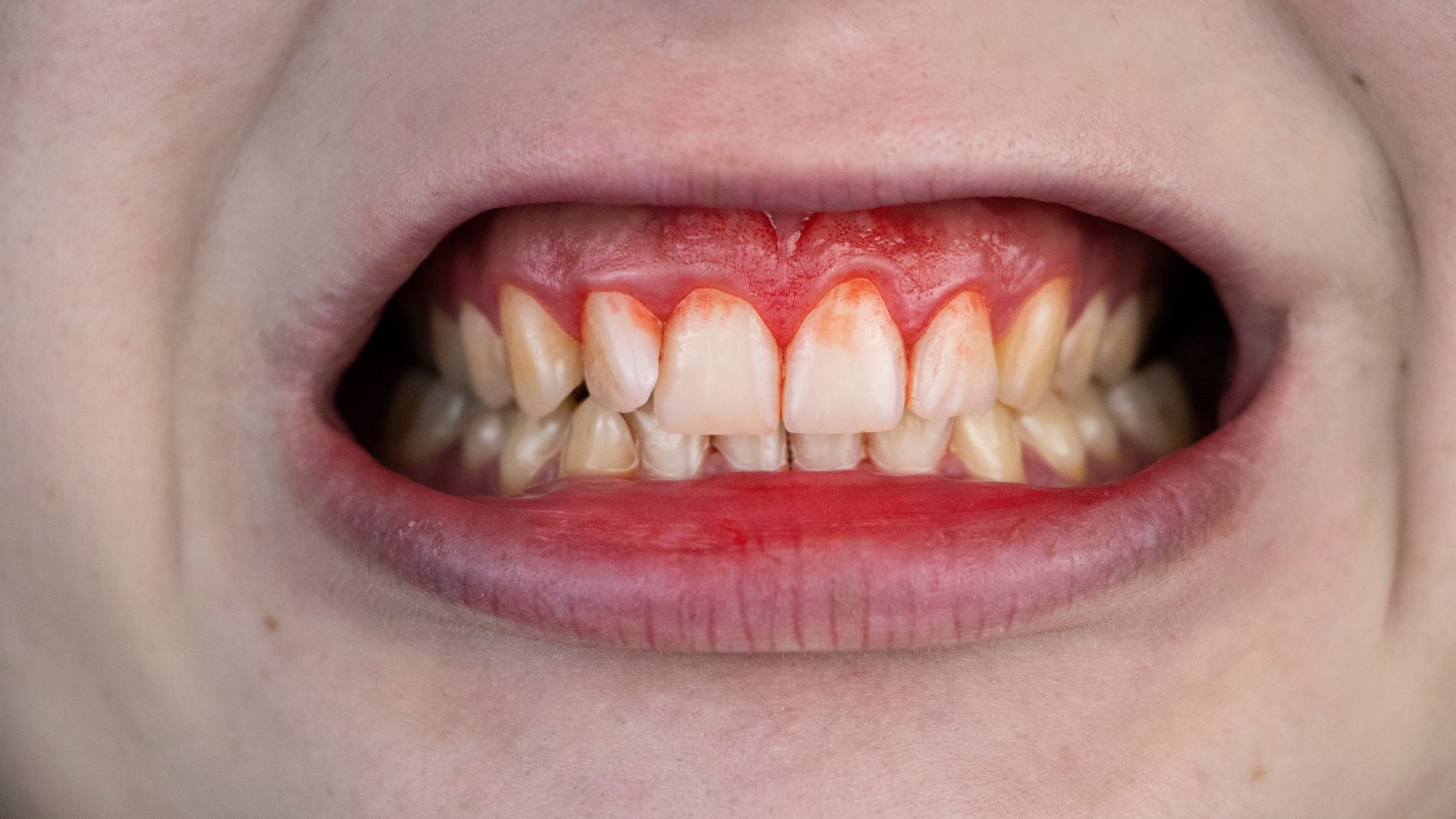
Periodontitis or periodontal disease commonly known as gum disease is a serious infection of the gums, which is quite common.
The bacteria-filled plaque sticking to and building up around the gum line is the main cause of this disease.
The leading cause of tooth loss in adults, gum disease is also associated with an increased risk of heart attack, stroke, and coronary artery disease, and affects other health issues like diabetes and even certain types of cancer.
The most common symptoms of gum disease include:
- Gums that are red, swollen and bleed easily
- Receding gum line
- Pus between the teeth
- Loose feeling in the teeth
Sometimes it is also possible that one has a periodontal disease but no warning signs or symptoms.
Thus practicing good dental hygiene habits, and visiting the dentist at least twice a year is recommended.
The sooner the disease is spotted, the better it is to help fight it promptly and stop negative outcomes like receding gums or worse or losing teeth.
See Also: Types of Gums Disease and their Treatment
What are Implants?
Dental implants are the best method for replacing one or more missing or damaged teeth.
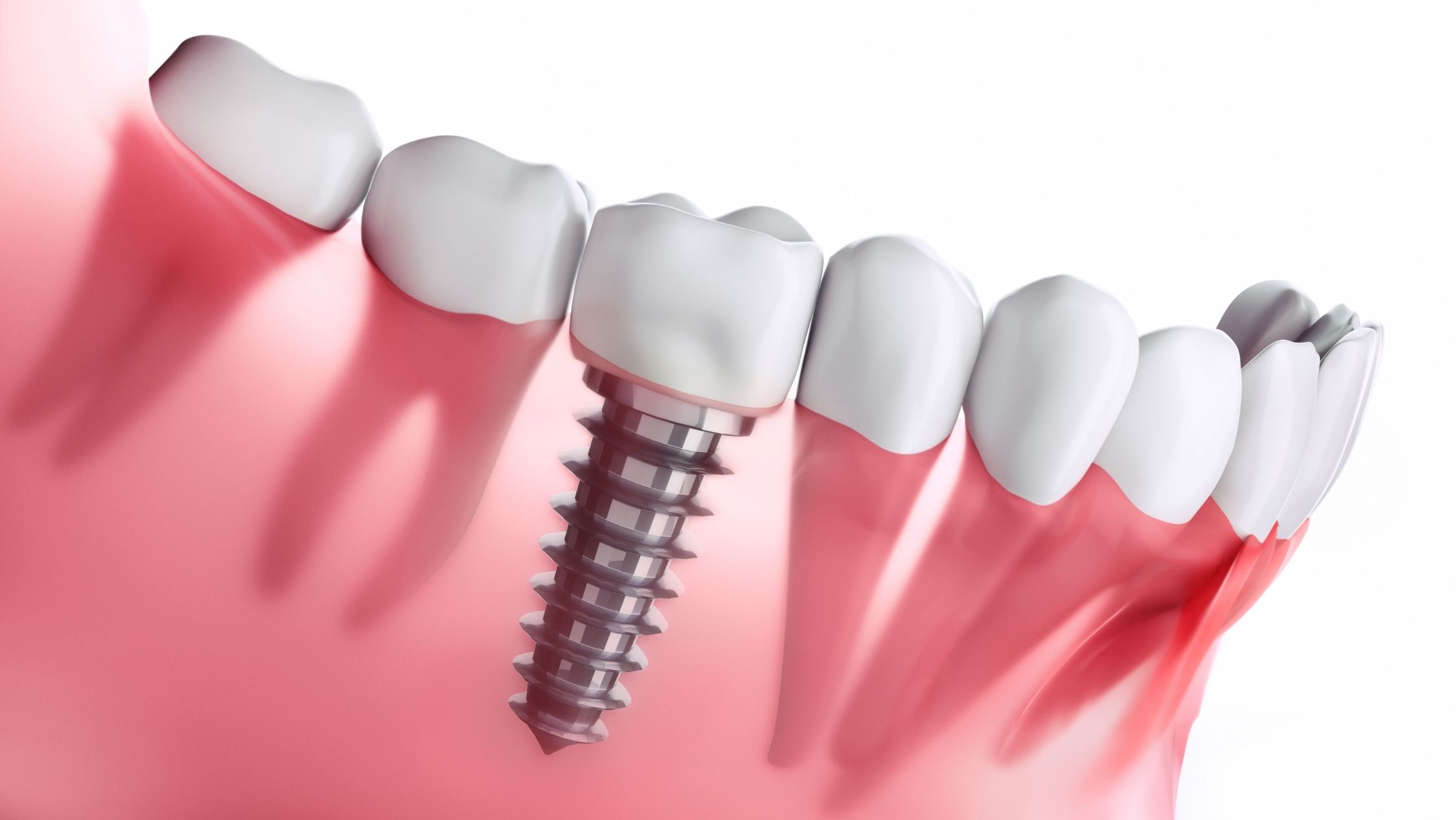
An implant is placed in the mouth and it acts as the root of the tooth. A dental crown, dental bridge, or another type of natural-looking restoration is put on top giving the patient the look and benefit of the natural tooth.
This procedure has many benefits including:
- Prevention of bone loss
- Helps in adding stability and durability
- Allows one to chew and speak more easily
- Has a completely natural look
Dental Implants Require Healthy Gums
Consisting of a titanium steel root that is inserted directly into the jawbone to replace the missing tooth, dental implants look and act like real teeth.
The implant is allowed to heal for a period of between four and six months after it is implanted.
The artificial root during healing fuses to the jawbone via a process called osseointegration.
The success of the overall procedure largely depends on this first step. The implant that does not fuse, can fall out, like the natural teeth.
There may be a few different reasons for the failure of Dental Implants. However, with periodontal or gum disease, there are two major concerns
- The implant needs underlying bone matter wide and thick enough to support the artificial titanium root. However, if the gum disease has advanced to the point where the jawbone is deteriorating, the root may not get that support.
- The gums need to surround the root and lower crown of the implants just like natural teeth but gum disease can repeatedly eat away at the gums and in this case, the implant would not receive the proper support.
Can You Get Dental Implants if You Have Gum Disease?
There is a very simple answer to this question and that is ‘No’.
Patients with any stage of gum disease can mostly qualify for dental implants.
However, as one needs healthy, strong gums to get a dental implant and the gum disease weakens and dissolves this tissue and bone, they might need to undergo certain treatments and procedures for that.
For patients with mild to moderate cases of gum disease, the disease may simply need to be brought under control through frequent dental cleanings and a strict oral hygiene routine.
Dr. Gaurav Sharma at Kirkland Premier Dentistry recommends that Certain food habits or substances that may interfere with the healing process, such as smoking, chewing tobacco or drinking alcohol, also need to be avoided.
After the clearing up of the disease, under the treatment of the dentist, the oral surgeon ascertains if the mouth is ready for implants.
For the patients where the gum disease was very advanced, the oral surgeon may also decide if bone or gum grafting is necessary before the process.
During Bone Grafting, the Bone structure is built back up via the use of donor bone or bone from another area of the patient’s body, such as the hip, jaw, or tibia whereas the gum recession is corrected with the use of healthy tissue from the roof of the mouth through gum grafting.
Conclusion
Gum disease if not managed on time can be a major cause of root loss. Not everyone with gum disease may be a candidate for dental implants.
However, with the proper dental care and after undergoing certain procedures, most people can benefit from dental implants.
If you have gum disease or have experienced tooth loss due to it, contact Kirkland Premier dentistry about your tooth replacement options.
Dr. Gaurav Sharma has been adding healthy smiles to the lives of many patients with various stages of gum disease through Dental Implants.
Request an appointment online or call Kirkland Premier Dentistry for an appointment.