Ultimate Guide: Speed Up Wisdom Teeth Recovery & Care

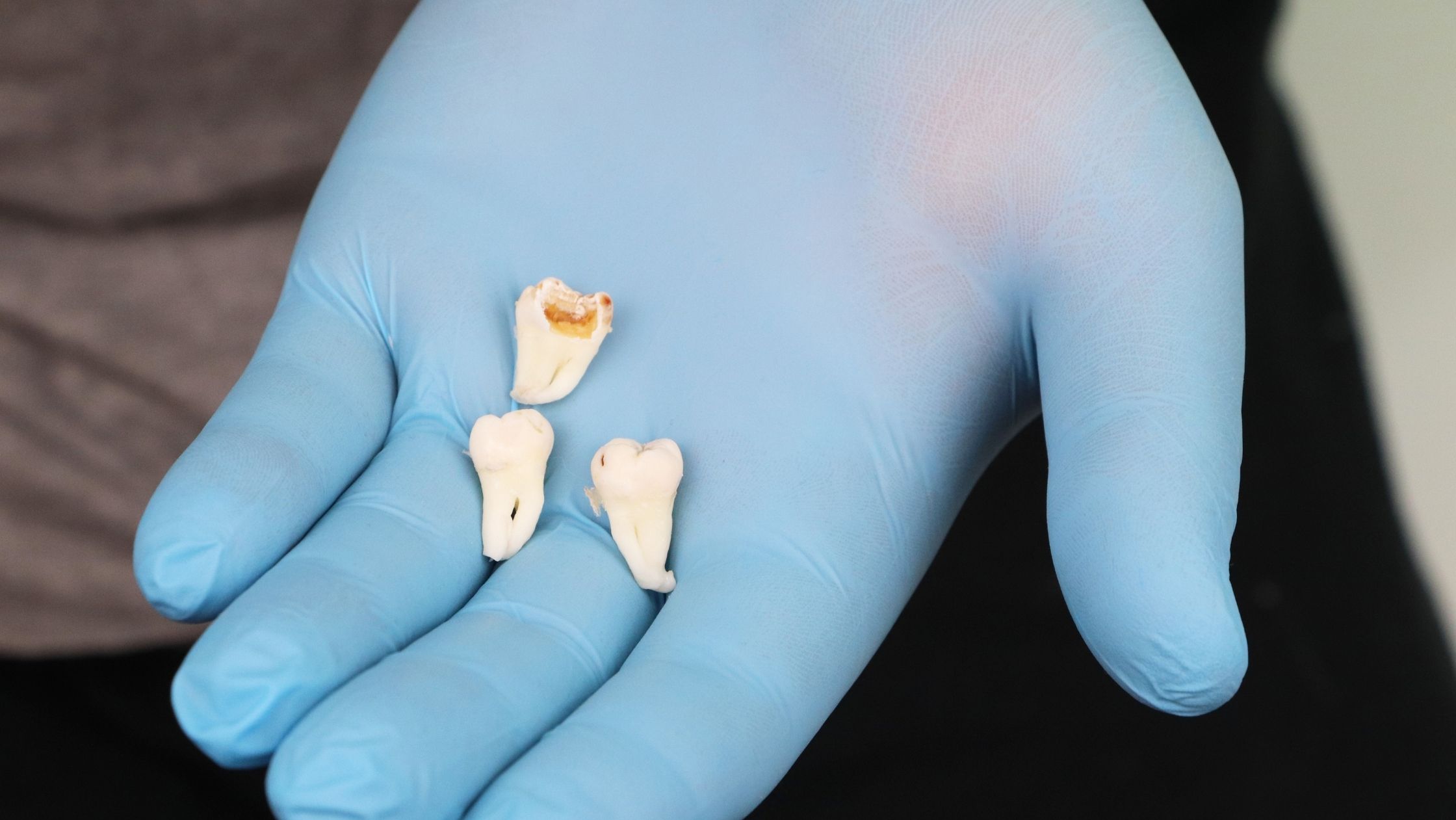
Wisdom teeth are four permanent teeth found at the top and bottom in the corners of the mouth. Impacted, infected, or poorly directed wisdom teeth may have to be extracted.

It is a common surgical procedure. You need to know how to speed up wisdom teeth healing. Many people are concerned about the recovery process after wisdom tooth extraction as they want to avoid postoperative complications and discomfort. 

Several internal and external factors influence each person’s experience with wisdom teeth extraction and recovery. This post will discuss these factors, including expected recovery times, potential complications, home remedies, aftercare to speed up recovery, etc. We hope the insights provided here help you with faster recovery.

Day-by-day wisdom teeth recovery timeline

Looking to deal with wisdom tooth woes? You are not alone. These wisdom teeth served our ancestors but didn’t play an important role for us modern humans.

They can cause problems during eruption, like pain and inflammation, overcrowding, impaction, infection, and difficulty in cleaning. This is when we are advised to get them extracted. 

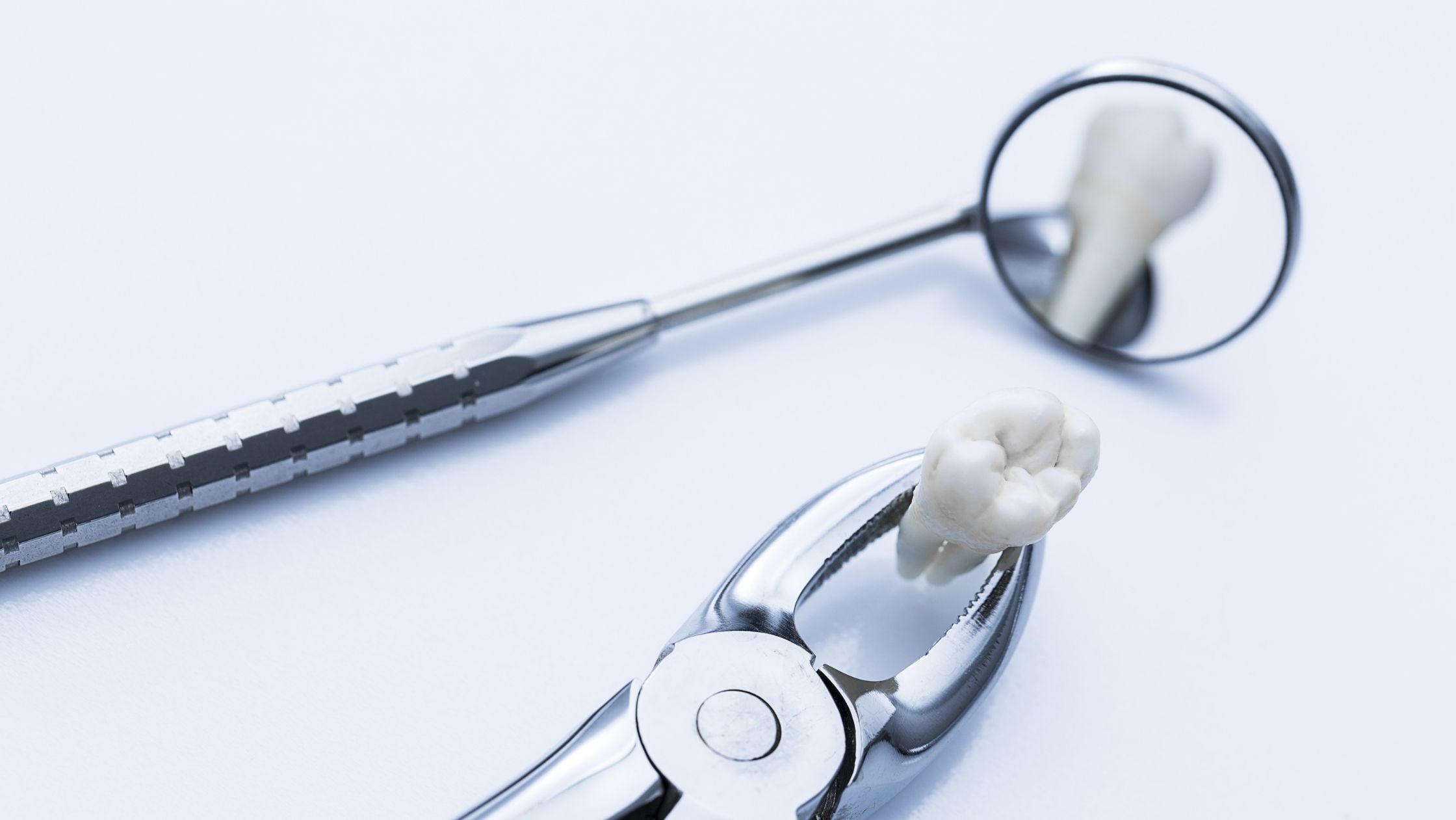
Modern-day wisdom tooth surgery puts the patient at ease with suitable numbing and anesthetic agents. An incision is made to access and remove the tooth using specialized instruments. This incision is closed with stitches. Dentists aim for fast recovery and minimal discomfort. 

A simple or non-surgical wisdom tooth extraction can be done by pulling the tooth out under anesthesia when it is visible and easy to reach. 

The stages of healing after wisdom tooth removal are: 

  • Stage 1 lasts for 24 hours. This is when the clot forms. A gauze is given to bite on to stop bleeding.
  • Stage 2, the next 48 hours, is when maximum recovery happens. Swelling and pain will reduce significantly. The worst pain day after wisdom tooth extraction for some people may be the second or third day as swelling may be maximum. 
  • Stage 3 starts after three days when the extraction site is slightly sore. But pain, swelling, and bleeding are no longer there.
  • Stage 4 lasts one to two weeks after extraction with a fully developed blood clot and a healed socket. This stage requires being careful as the healing tissue is still delicate.
  • Stage 5 is after three weeks, and healing should be complete by now. Oral hygiene with gentle attention to the extraction site is needed now.

Factors influencing recovery

The above stages are a general idea as various factors determine healing and recovery. Most discomfort goes away, and healing occurs between 7 and 10 days. Complete recovery after wisdom teeth extraction takes a few weeks to months.

The following factors determine day-by-day wisdom teeth recovery after extraction:

  • Age- Young patients have less dense bone, so the extraction is less complicated. Healing is also faster at a young age. 
  • Health status- A patient’s general well-being is important, as a healthy person has a better immune response, leading to faster recovery. On the contrary, people with chronic diseases like diabetes, autoimmune diseases, or immune deficiencies recover slowly. Some medicines can also impact recovery.
  • Type of extraction- Simple dental extraction without an incision shows faster healing than surgical extraction. The more complex the procedure, the more tissue damage there is. This also slows the recovery. 
  • Inherent healing response- Some people have less swelling, better tolerance to pain, and less inflammation. There are natural variations impacting recovery after dental procedures.

Also Read: – Process of Wisdom Teeth Removal

Foods to eat after wisdom teeth removal

Eat soft foods or pureed foods at room or cold temperatures, such as mashed potatoes, yogurt, custard, pureed lentils, and scrambled eggs, as these will not irritate the wound. You won’t have to chew these foods, so there won’t be pressure on the extraction site.

Protein shakes, smoothies, milkshakes, and fresh juices can provide hydration and nutrition while being easy to consume. Don’t use a straw. 

Lukewarm or preferably room temperature soups, broths, cooked fruits, and vegetables can also provide satiety and nutrition and satisfy taste buds. Examples are mashed bananas, stewed apples, tomato soup, etc. 

Avoid these foods for faster healing after wisdom teeth removal. 

Avoid anything that can irritate, hurt, pressure, or scrape the extraction site. 

Therefore, you must avoid hard and crunchy foods, including uncooked or lightly cooked vegetables, fruits, chips, etc. Spicy foods are avoided as they can increase inflammation and irritation.

Hot foods and beverages can cause the clot to dissolve or dislodge. They may also irritate the sore tissue. 

Alcoholic beverages and smoking can irritate as well as interfere with healing. 

How do home remedies speed up wisdom teeth recovery?

Certain home remedies are useful for relief after wisdom teeth extraction.

It is better to consult your dentist before trying home remedies, especially if you have chronic health issues or a complex case.

Here are the home remedies after wisdom teeth extraction:

  • Always follow the instructions given for aftercare.
  • As this is a surgical procedure, you should rest immediately afterward.
  • Avoid strenuous activities for a few days. Keep yourself well hydrated to help heal and keep the oral cavity moist.
  • Apply a cold compress on the outside to reduce swelling and pain.
  • Do not remove the gauze for a few hours on the first day after wisdom tooth extraction. Change it frequently as advised after that.
  • Maintain oral hygiene to speed up healing after wisdom tooth extraction. This also prevents infection of the extraction site. Brush teeth gently, only after 24 hours, as told by the dentist, avoiding the extraction site. 
  • You can gently rinse your mouth with salt water after 24 hours have passed following extraction.
  • Take antibiotics and anti-inflammatory medicines as prescribed by your dentist after tooth extraction.
  • Drink or eat only cold or normal-temperature drinks and soft foods. 
  • Avoid hot foods and drinks, spicy foods and beverages, or anything that can irritate the site or pressure the healing wound.
  • Avoid sleeping on that side. 
  • Don’t rinse the mouth vigorously; don’t use a straw for a few days as the clot (formed at the extraction site, which prevents bleeding and fastens healing) can get dislodged. 
  • Avoid smoking and alcohol as these can affect the healing time. They can also play a role in postoperative complications.
  • Avoid physical activities which can lead to a direct impact on the site of tooth extraction.

Also Read: – When Can You Use a Straw After Wisdom Teeth Removal?

Avoiding complications after wisdom teeth removal- find all the information here

Complications after wisdom teeth extraction to watch out for:

  • A dry socket is the most common issue after tooth extraction. It occurs due to the clot getting dislodged or when the clot dissolves before the wound at the extraction site has healed. This can cause intense pain and can delay healing. If you think you have a dry socket or have severe pain that is not getting better with over-the-counter painkillers, reach out to your dentist. 
  • Infection is a potential complication after any invasive dental procedure like a wisdom tooth extraction. Signs include discharge from the site, severe pain, swelling, fever, bad taste in mouth, malaise, etc. You should contact your dentist if you notice any such signs.
  • With any invasive dental procedure, there will be minor swelling and pain. However, your dentist should look at any significant bleeding and increasing swelling that does not improve over time. 
  • Nerve damage is a rare complication when the nerve is close to the tooth being extracted. See only an experienced dentist for wisdom teeth extraction, which is very important. 

With nerve damage, you can have numbness or tingling in the lip, tongue, or chin, and you should immediately see your dentist.

Few things you can do to avoid complications after wisdom teeth removal

  • Eat cold foods more often during the early stages of healing as they help to contract the blood vessels, which leads to rapid clot formation.
  • Don’t touch the extraction site with your lips or fingers.
  • Keep and change the gauze as instructed. 
  • Don’t brush or rinse for at least 24 hours after tooth extraction. Brush and rinse gently afterward, and avoid the extraction site when brushing. 
  • Don’t use a straw for a few days, as you wouldn’t want to dislodge the clot.
  • Rest well and hydrate in the early stages. 
  • Gargle gently with salt water 24-48 hours after every meal (as instructed by the dentist) because it prevents bacterial growth and reduces swelling. 
  • Take antibiotics and anti-inflammatory medicines on time as advised.
  • Eat only soft foods for a few days.
  • Don’t miss your follow-up checkups. 

Conclusion:

Following all the tips and dos and don’ts mentioned here will help you manage pain and swelling after wisdom teeth extraction and with faster recovery. 

At Kirkland Premier Dentistryour dentists are best equipped to extract wisdom teeth with a rapid recovery. Learning how to care for yourself after getting wisdom teeth removed is important. 

Experienced dentists help you avoid complications, and you don’t experience any discomfort. We are committed to providing you with a smooth, comfortable experience and recovery. Reach out to us for queries and guidance

7 Common Signs of Wisdom Teeth Coming In

The set of third molars that generally appear in early adulthood between the ages of 15 and 25 are known as Wisdom Teeth.

These are the last set of permanent teeth to grow and begin surfacing while the rest of the teeth have been there for some time.

However, when this happens, crowding may occur causing a great amount of discomfort and pain.

The surfacing of wisdom teeth is called an “eruption.” However, the wisdom teeth that partially erupt can cause pain and swelling.

On the other hand, the wisdom teeth that are unable to erupt are referred to as being “impacted”.

This is caused by the orientation of the teeth and the scarcity of space. Impacted wisdom teeth may lead to impingement, infection, and other conditions.

Oral health affects the all-around wellness of the human body. Wisdom teeth symptoms should never be ignored.

Although it is recommended to remove wisdom teeth before the age of 25, anyone can be a candidate for wisdom teeth removal depending on the patient’s needs.

How to Know if Your Wisdom Teeth Are Coming in

It is important to be on the lookout for the appearance of wisdom teeth and any signs that it might be time to get them removed.

1. Jaw Pain and Discomfort

The wisdom teeth that begin to grow in blocked or misaligned ways put more pressure on surrounding teeth,  the jawline, and sinuses and even cause chronic headaches.

This results in pain, stiffness, and discomfort. Moreover, when the wisdom teeth erupt and press on nerves and bone, the pain becomes more intense.

2. Red and Swollen Gums

Wisdom teeth can also cause Redness, tenderness, and swelling around the site which can make chewing and other ordinary tasks difficult.

Irritation of the gums is another symptom of the wisdom tooth and a tell-tale sign you need to see your dentist for a cleaning and take care to brush and floss around the area afterward.

3. Crowded Feeling in the Mouth

While growing, wisdom teeth grow and begin to put pressure on encircling teeth, attempting to displace them, leading to swelling of gums and jaw muscles which ends up crowding the mouth even more.

The tongue might also get swollen and get in the way while eating or speaking.

Related Article: Wisdom Teeth Removal Surgery – Preparation, Cost and Recovery

4. Facial Swelling

Pain, pressure, and overcrowding in the mouth can cause swelling of the jaw. The swelling can also be visible in the cheekbones and other areas with or without pain.

5. Bad Breath

Wisdom teeth during eruption can cause pockets in the back of the mouth that are difficult to reach with a regular toothbrush.

As a result, bacteria can build up there rapidly. This might lead to a bad taste or bad breath.

6. Difficulty Opening Your Mouth or Eating

A stiff jaw can be a result of wisdom teeth coming in and making it difficult to eat.

One might constantly bite down on the tongue or the inside of the cheek because the wisdom teeth have moved the others out of alignment. Or it might simply be too painful to eat.

7. When The Dentist Suggests It

Sometimes the symptoms may be very trivial or one may not have felt them at all.

However, it’s important to listen to your dentists as they might spot the first signs of wisdom teeth coming through or foresee the apparent problems that you might not have felt as yet.

Doctor’s Note

Now that you know the symptoms to watch out for wisdom teeth eruption, the good news is you don’t have to live with this.

If you have felt your wisdom teeth coming through or it’s been noticed during another check-up, it is advisable to listen to the professional if they say you should consider having them removed.

Dr. Sheena Gaur at Kirkland Premier Dentistry says that wisdom teeth extraction is a minor surgery with a very low risk of complications, so you have no reason to worry if your dentist suggests it to you.

The complications otherwise may outweigh the slight discomfort of the surgery. For any kind of dental emergency, feel free to contact us online or call the office.

Wisdom Teeth Removal Surgery – Preparation, Cost and Recovery

Overview

An outpatient procedure performed by a dentist or oral surgeon, to remove the third set of molars, is known as Wisdom Teeth Surgery.

An impacted or misaligned wisdom tooth is one that doesn’t have enough room to grow naturally is present in most people.

Removal of impacted wisdom teeth ensures that they don’t damage the surrounding teeth and bones.

A few other reasons to have this surgery are tooth decay (dental cavities, dental caries, a hole in your tooth)/or an infection of the wisdom tooth. Sometimes the wisdom tooth may have an existing cyst.

Wisdom tooth removal is a common oral surgery but the procedure can be complicated if wisdom teeth have not yet erupted. 

Impacted or unerupted wisdom teeth require the services of an oral surgeon. Most patients prefer to be heavily sedated for the procedure.

So make sure, dentists have the equipment and skill necessary to sedate or provide general anesthesia to patients.

Preparation of Wisdom Teeth Removal Surgery at Kirkland

Discuss any concerns you may have with your dentist before the procedure.

They can guide you about what to do in the days before surgery and how to plan for recovery time afterward.

They will also discuss with you the type of anesthesia that will be used.

It is important to tell your dentist if you are under any medications. Also, do tell the dentist if you are planning any other treatment with intravenous medicine.

It is also important that you let your dentist know if you have any of the conditions outlined below.

  • Diabetes
  • Congenital heart condition
  • Liver or renal disease
  • Thyroid 
  • Have an artificial joint
  • Hypertension
  • A damaged heart valve
  • Impaired immunity 
  • Adrenal disease
  • Bacterial endocarditis

The dentist might want to make sure that any underlying medical condition is treated or stabilized before the tooth extraction.

Some antibiotics might also be prescribed for a few days before the procedure if you have a weak immune system or in case of an infection.

To ensure the best treatment, on the day of surgery follow the following tips:

  • Avoid smoking and drinking for at least a day before surgery
  • In case you have a cold, inform the dentist about rescheduling.
  • If you experienced nausea or vomiting on the eve of the appointment day, you might require rescheduling or different anesthesia, so inform the dentist.

Ensure you have someone to take you home, in case you will receive general anesthesia. 

Also buy some soft or liquid-based foods like smoothies, applesauce, oatmeal, yogurt, and other foods that are easy to eat without chewing, after surgery.

Surgery of Wisdom Teeth Removal at Kirkland

The surgery usually takes 45 minutes or less.

Gauze will be provided for you to bite down on to help the blood clot in the area.

A few mild effects of the anesthesia may be felt including nausea, dizziness, and shivering.

You will be monitored in a recovery room for some time. Once a specialist feels that you are stable, you’ll be sent home.

Usually, it takes less than an hour in the recovery room. You can feel groggy and swollen post-surgery.

Not much pain can be felt immediately, but it will probably increase as the local anesthetic wears off after a few hours. An ice pack can be applied directly to minimize swelling. 

Dr. Gaurav Sharma has 400+ hours of Continuing education from the prestigious AAID (American Academy of Implant Dentistry) He applies for the latest research & advances in dentistry to provide the best dental care to patients.

Also Read: Are Dental Implants Safe?

Healing and Recovery of Wisdom Teeth Removal Surgery at Kirkland

In case of bleeding after the gauze is removed, fold another piece of clean gauze into a pad and dampen it with warm water and gently hold it between your teeth in the area of the extraction.

Keep it for about 30 minutes & replace it if it becomes soaked with blood.

Some dentists may also recommend moistening a tea bag and gently biting down on it for 30 minutes to control bleeding.

Tannins in tea, the compounds that can constrict blood vessels, help stop bleeding.

For the first one day post-surgery, avoid rinsing your mouth vigorously or drinking through a straw.

Avoid alcohol, smoking, or any mouthwash with alcohol. Use a soft manual toothbrush, to brush your teeth and do not brush the teeth next to the extraction site.

Some pain, bleeding, and swelling of the mouth and cheeks may continue for several days after the surgery. 

Make sure to take any prescribed medication, including OTC painkillers. 

Relax and rest for one day after the surgery. Keep your head up using some pillows.

Consume soft foods and use warm salty water to rinse your mouth. You can steadily reintroduce other types of foods as you heal.

Risks and Complications of Wisdom Teeth Removal Surgery at Kirkland

As you recover be careful about the formation of dry sockets. It means the extraction site’s exposure either because of the failure of the blood to clot or because of its dislodging.

This condition can cause intense pain radiating out from the socket toward the neck or side of the visible bone in the extraction site.

This pain can last for several days and be accompanied by a foul smell or a bad taste in the mouth.

Inform your surgeon immediately if you experience severe pain after two or three days.

However, by following the dentist’s instructions, a dry socket can be avoided. Another possible complication is infection.

This can occur when bacteria infect your gum line around the socket after one or two days after the surgery.

However, do follow up with your dentist even if you have not experienced any complications. The stitches will dissolve on their own though and will not require any removal.

Cost of Wisdom Teeth Removal Surgery at Kirkland

The cost for wisdom teeth extraction surgery is dependent on the level of impaction.

A simple tooth extraction can on average cost $800 to $4,000 for each tooth. The type of anesthesia used also determines the tooth extraction cost.

You can talk with your dentist, surgeon, and insurance provider about your benefits and what will be covered.

Our dental team at Kirkland Premier Dentistry is always ready and fully equipped to assist you if you have an oral problem.

In case of any questions regarding your oral health or dental condition, please schedule an appointment with us today.

we'd love to hear from you