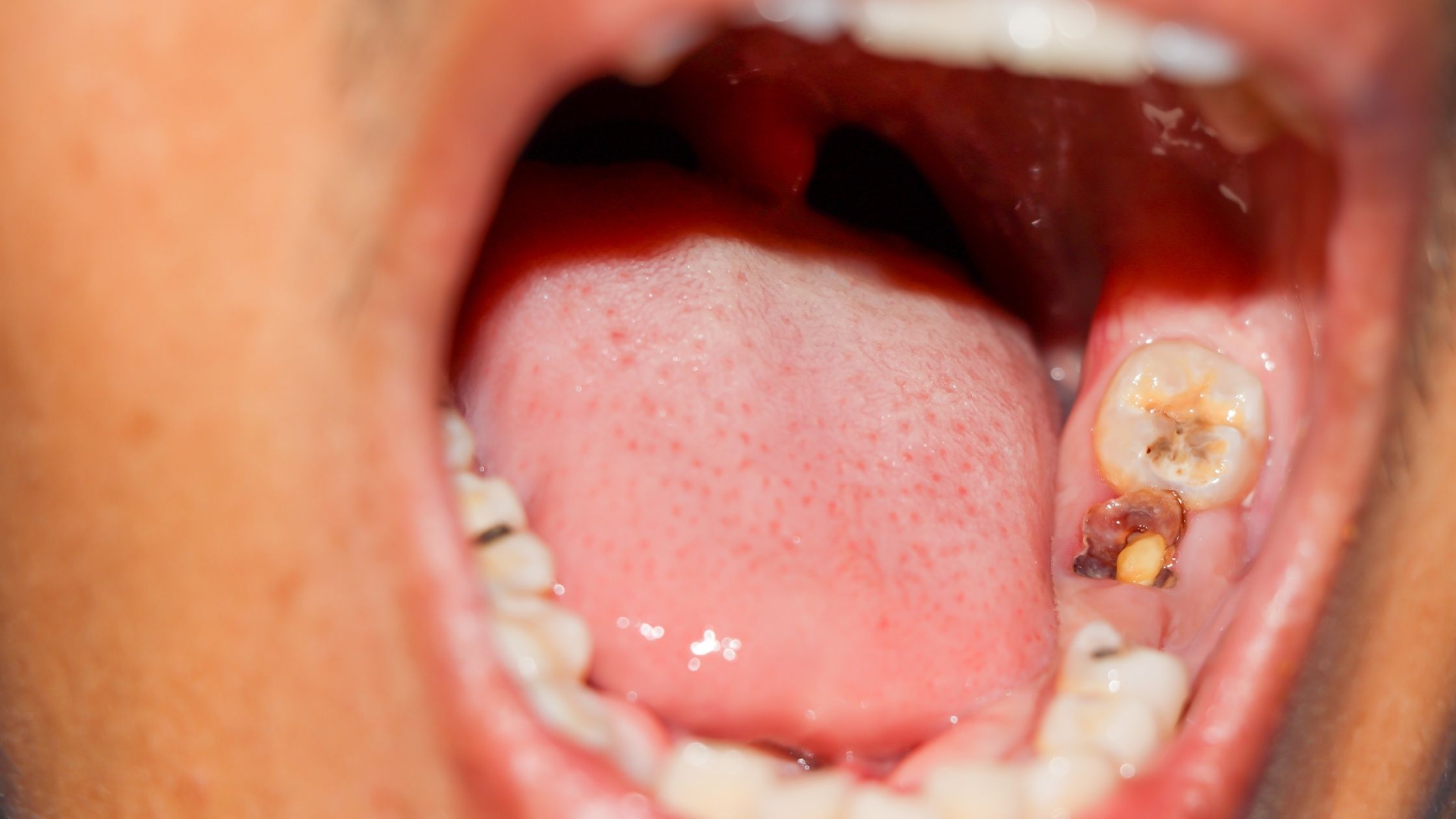
Everyone loves a dazzling smile. Do you know what to do to keep your smile radiant and healthy? Every good thing takes work. Let us find what you can do to keep all dental problems away.
Here, you are going to find the best tips to take care of your teeth. You are going to find tips that actually work. If you want to avoid dental problems like cavities, tooth decay, and gum disease, you should read this article till the end.
Here Are The Best Oral Care Tips That You Should Follow
You need to take care of your teeth to keep them healthy. Healthy teeth are indicators of a healthy body. You should follow a regular dental hygiene routine. This should definitely include flossing and brushing your teeth twice a day. Never go to bed without brushing your teeth.
Rinse your mouth after eating or drinking. Flossing is largely ignored but it is the best way to avoid cavities and tooth decay. Flossing allows you to remove plaque and food particles that get stuck between your teeth.
1. Always Use The Right Toothbrush and Toothpaste:
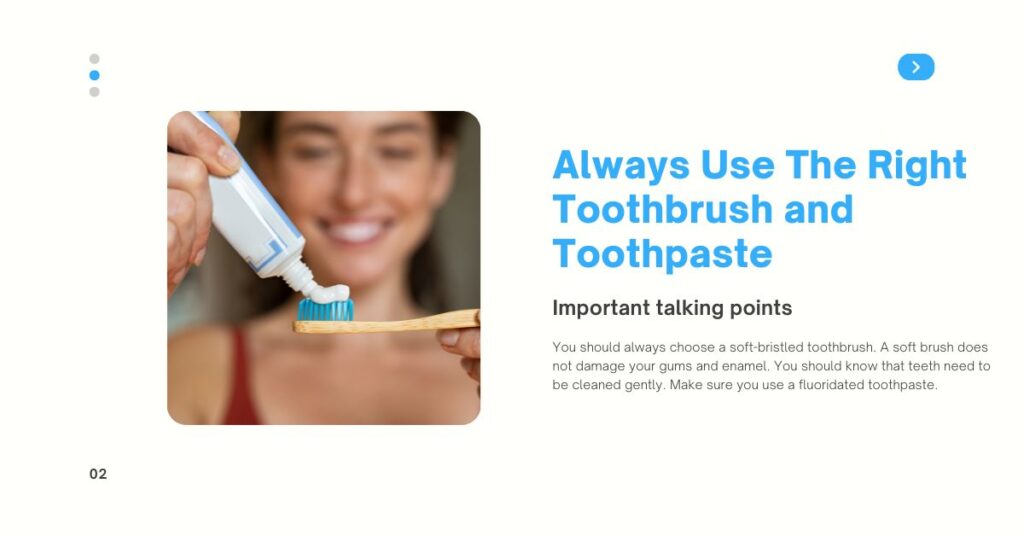
Many people just pick any toothpaste and start using it. You should always choose a soft-bristled toothbrush. A soft brush does not damage your gums and enamel. You should know that teeth need to be cleaned gently. Make sure you use a fluoridated toothpaste. Fluoride is a mineral that is essential for strengthening the enamel. It also prevents cavities. Fluoride has the ability to remineralize early-stage cavities, therefore keeping them from getting worse.
You should include using an antiseptic mouthwash in your oral care routine. A good mouthwash can help eliminate or reduce bacteria in your mouth, therefore, preventing cavities.
2. Avoid Sugar And Acidic Products:
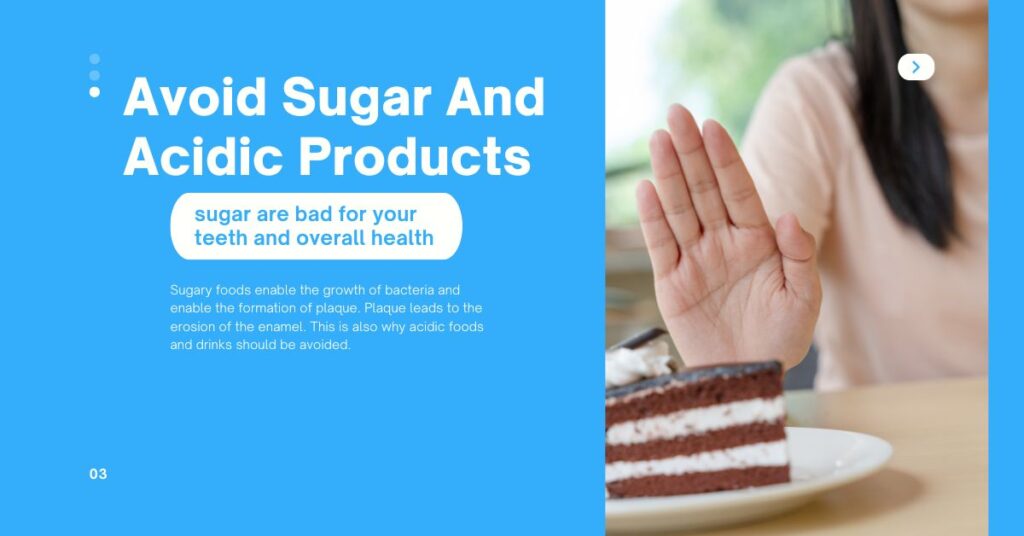
It is widely known that foods rich in sugar are bad for your teeth and overall health. Sugary foods enable the growth of bacteria and enable the formation of plaque. Plaque leads to the erosion of the enamel. This is also why acidic foods and drinks should be avoided. Try to restrict sugary foods and drinks if you want to avoid cavities and other dental issues. Make sure you rinse your mouth after you eat or drink anything sugary or acidic. Brush your teeth twice daily.
3. Use Sugar-Free Chewing Gum:
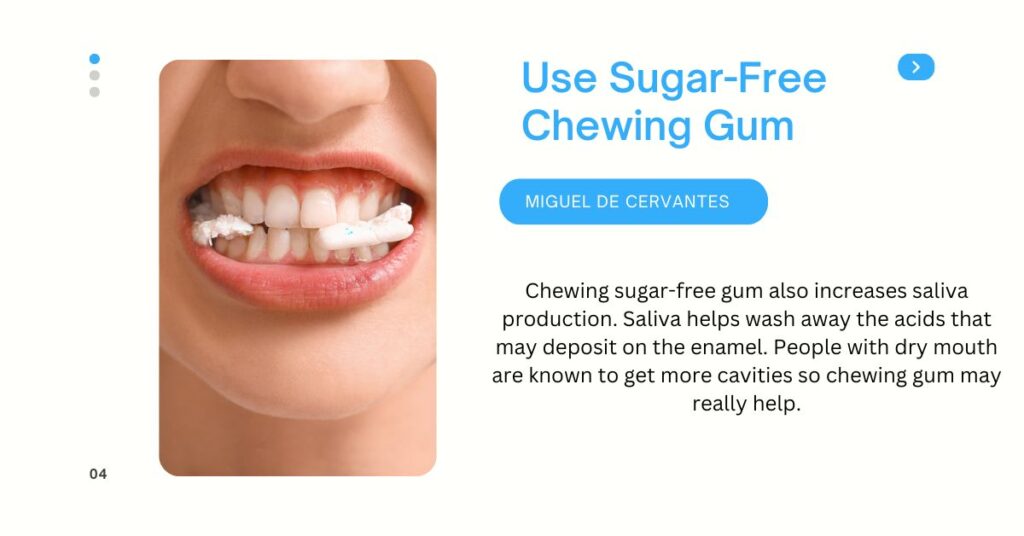
Sugar-free gum is great for your teeth if you suffer from dry mouth. Chewing sugar-free gum also increases saliva production. Saliva helps wash away the acids that may deposit on the enamel. People with dry mouth are known to get more cavities so chewing gum may really help. You should drink a lot of water throughout the day. Rinsing your mouth after each meal may help wash away the acids too. If you are suffering from dry mouth, talk to your dentist.
4. Quit Smoking:
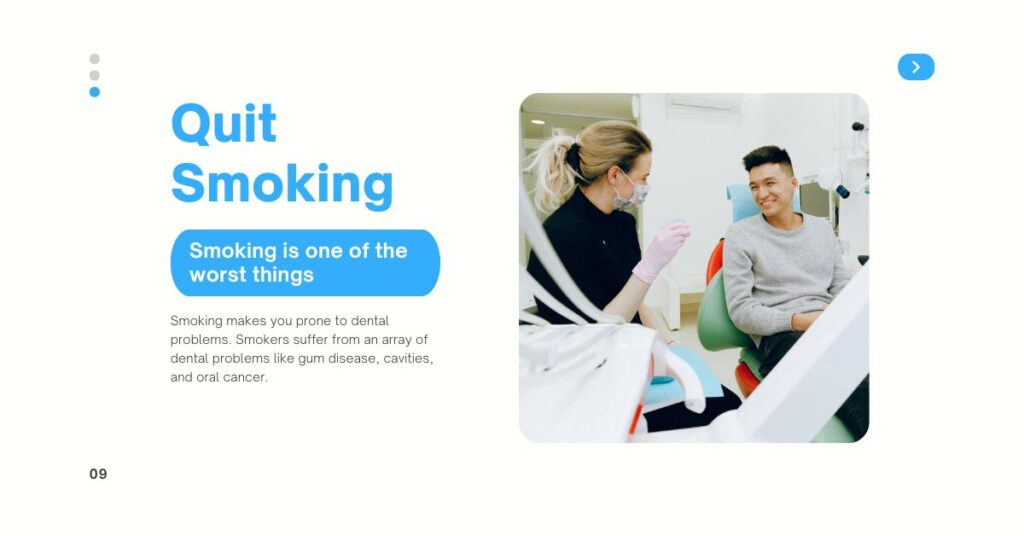
Smoking is one of the worst things that you can do for your oral health. Smoking makes you prone to dental problems. Smokers suffer from an array of dental problems like gum disease, cavities, and oral cancer. Smoking negatively affects your oral health and overall health. Try to reduce or quit smoking. If you find yourself unable to quit, you may seek help.
5. Get Frequent Dental Checkups:
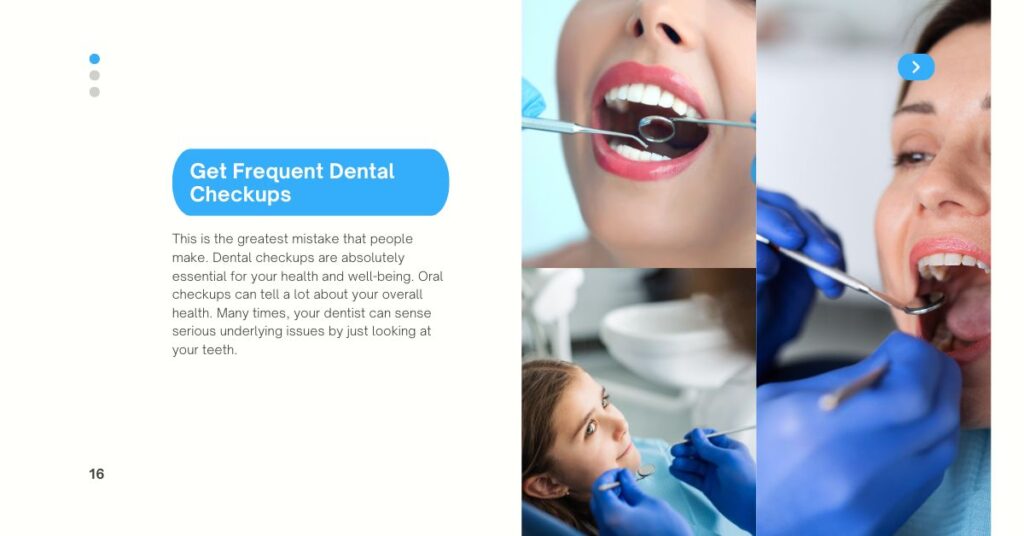
Most people fear going to the dentist. A dentist’s chair is often people’s worst nightmare. This is the greatest mistake that people make. Dental checkups are absolutely essential for your health and well-being. Oral checkups can tell a lot about your overall health. Many times, your dentist can sense serious underlying issues by just looking at your teeth. You should take oral health seriously and should make it a priority. Most people go to the dentist after they observe a dental problem. It is recommended to visit a dentist for a regular dental checkup at least two times a year. This is how you can take care of your oral health and keep your smile radiant for a long time.
6. Don’t Brush Too Hard:
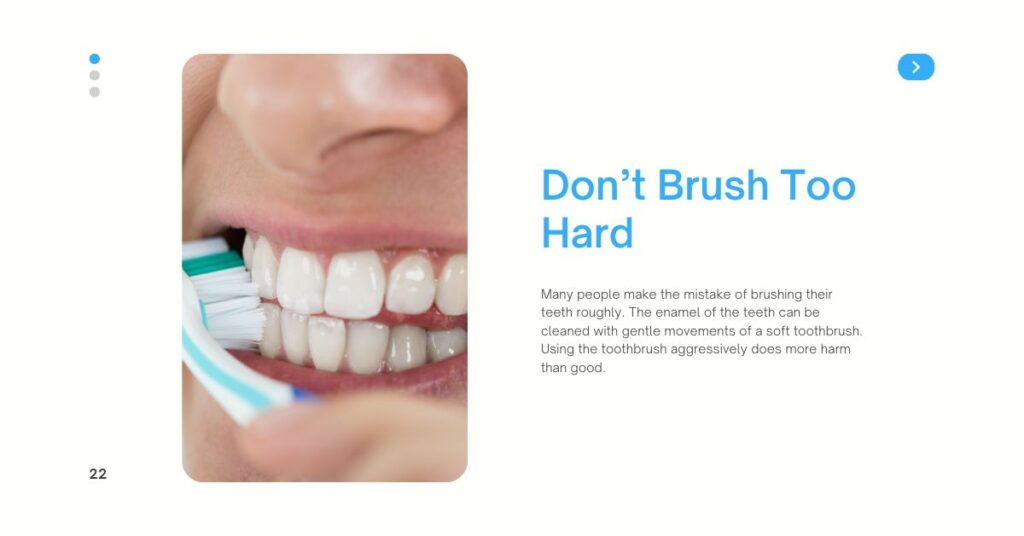
Many people make the mistake of brushing their teeth roughly. The enamel of the teeth can be cleaned with gentle movements of a soft toothbrush. Using the toothbrush aggressively does more harm than good. Keep a light hand while brushing your teeth and you will sense improvement in your oral health.
7. Brush Your Teeth At The Right Time:
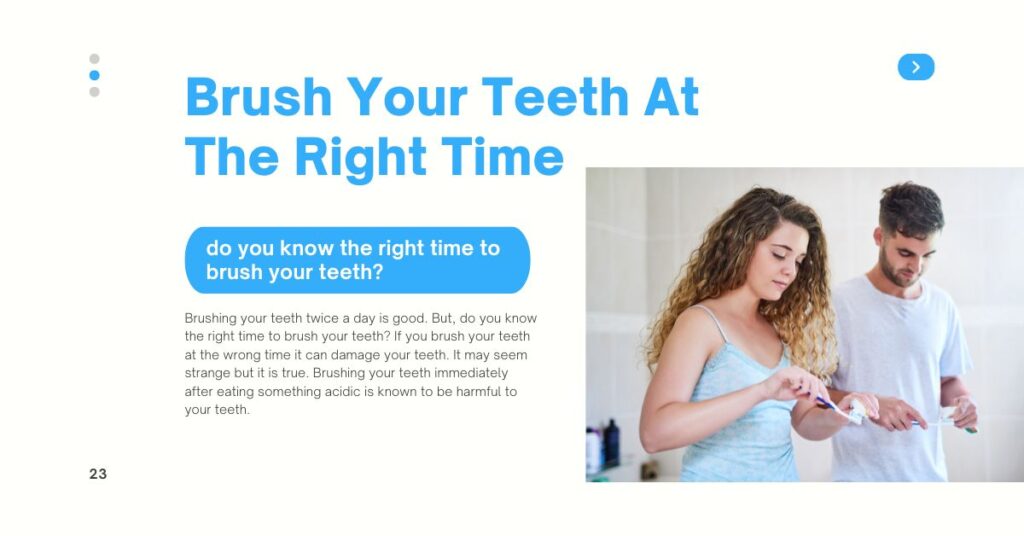
Brushing your teeth twice a day is good. But, do you know the right time to brush your teeth? If you brush your teeth at the wrong time it can damage your teeth. It may seem strange but it is true. Brushing your teeth immediately after eating something acidic is known to be harmful to your teeth. Your teeth are prone to damage and erosion right after you eat or drink acidic food products like orange juice or coffee. You should brush your teeth once after you wake up and once before you go to bed at night. If you want to brush your teeth after a meal, rinse your mouth well and wait for 30 minutes.
8. Clean Between Teeth:
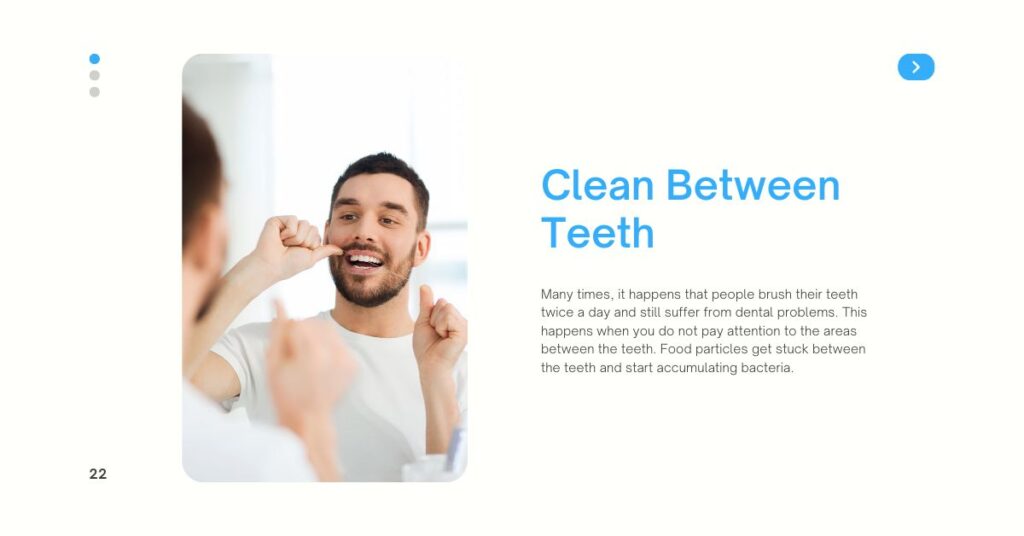
Many times, it happens that people brush their teeth twice a day and still suffer from dental problems. This happens when you do not pay attention to the areas between the teeth. Food particles get stuck between the teeth and start accumulating bacteria. Plaque needs to be cleaned from between the teeth through flossing. A toothbrush can not reach several places in the mouth and this is why it is recommended to include flossing in your dental hygiene routine. Flossing allows you to dislodge the food particles stuck between teeth and prevent cavities between teeth.
Conclusion
These are some of the best tips that dentists recommend to prevent dental issues. Dental issues, if ignored, can lead to more serious health problems. This is why it is essential to take care of your teeth and make dental care a priority. You should certainly see a qualified dentist at least twice a year. Children are prone to dental issues too and should be encouraged to get dental checkups. If you have children, make sure you schedule dental appointments for your child from an early age. Frequent interactions with a dentist will make them more responsible for taking care of their oral health.
If you have any questions about oral care, you should reach out to us at Kirkland Premier Dentistry. Our expert orthodontists will patiently listen to your problems and suggest suitable solutions and treatments.