Dentures- An Introduction

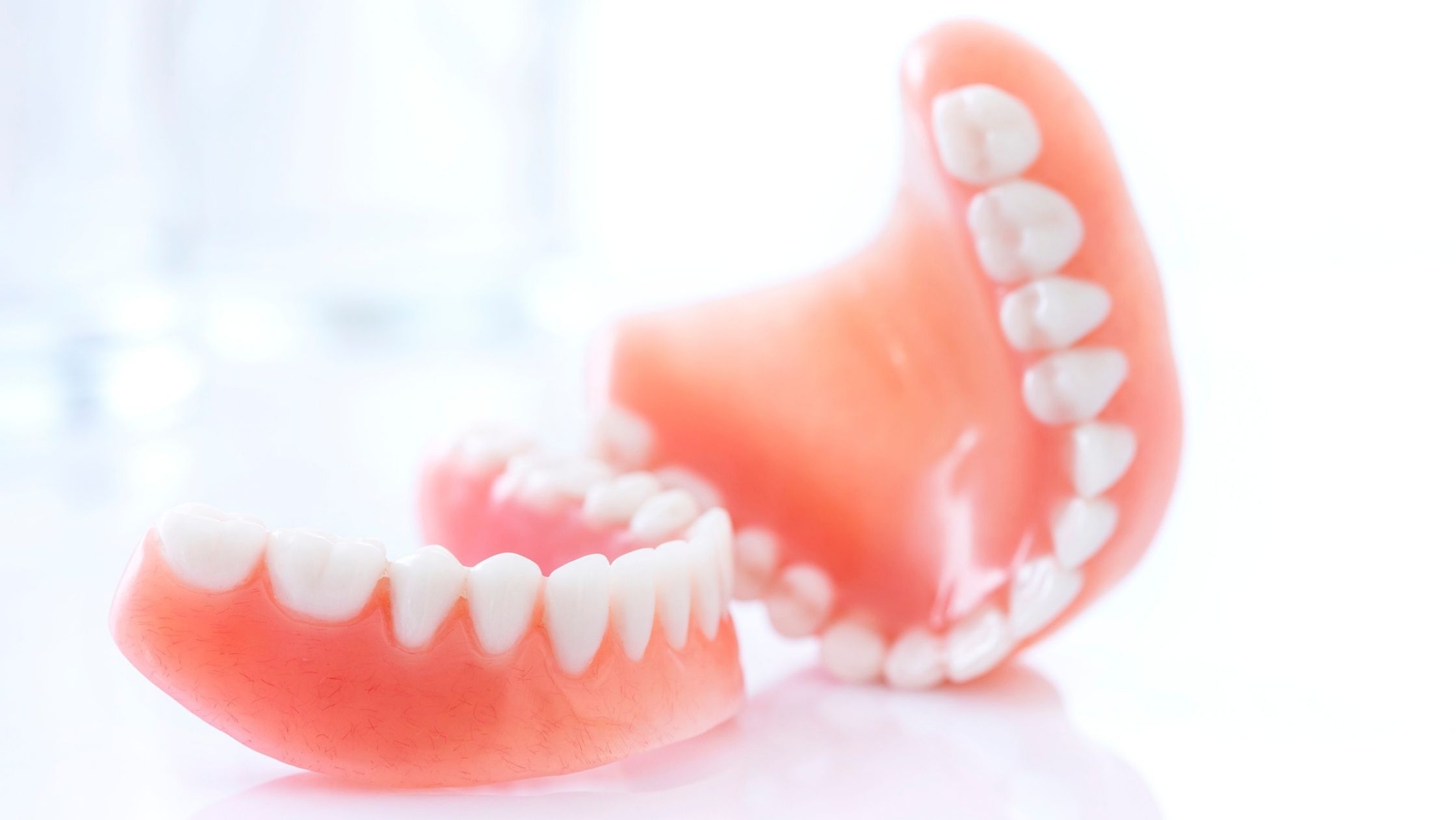
Dentures or false teeth used to replace natural teeth after their having fallen out or have been extracted, allow you to eat and speak without constraint.

Loose dentures can be very uncomfortable and embarrassing. 

They can also create friction at the gum line which is minor initially, but can eventually create sores.

When left unattended, this inflammation is not only painful but can also pose a serious risk to your oral health. 

Though the dentures generally fit securely in your mouth, they sometimes become loose and no longer feel the way they are meant to.

They might start slipping & sliding in the mouth when you are eating or speaking.

A visit to a dentist can ascertain if the dentures can be relined or if a new set is required.

Upon noticing loose dentures, it is best to schedule an appointment to talk to your dentist & fix the situation as quickly as possible.

Reasons for Loose Dentures

There can be various reasons for the dentures becoming loose. Bone resorption, a  process where your gums begin to shrink is the most common reason among others.

Gradual wear and tear can be another reason for dentures becoming loose.

Good care of your dentures can prevent this, which implies taking them out before sleeping at night and avoiding chewing or biting down on hard food.

Loose Denture Fixes

There are a variety of options for loose denture fixes, including fast, in-office fixes or permanent changes to your denture that can last several years.

New Denture Adhesive

You can hold them in place with a strong denture adhesive, to prevent them from moving around too much in your mouth.

A paste with a firmer grip and better fill can buy you time while more permanent options are accessed.

Soft Relining

A quick in-office procedure, the soft relining helps re-mold the inner lining of removable dentures.

This helps to accommodate the changes in your jaw shape.

This is done by cleaning the dentures and adding polymer to the tray. The tray is again replaced in the mouth to take shape, giving a soft, more secure fit.

According to the severity of loosening, this option can sustain from months to years providing you with a dependable and inexpensive solution.

Hard Relining

Similar to its less permanent counterpart, in this relining, the newly molded dentures are sent out to a lab where hard denture plastic is used permanently to reshape the tray.

This offers a more durable fit, but the procedure is more costly and time-consuming.

Also, your dentures will be unavailable to you for a couple of days while they are at the lab, which may result in some inconvenience.

It is recommended that patients have the dentures relined to improve the fit when bone loss occurs.

Visiting the dentist regularly can help ensure relining is done when it is rather than waiting for the dentures to break.

Usually, a dentist can adjust the way the dentures fit with repairs and relining.

But almost all dentures will need replacement at some juncture, especially if there is considerable bone loss.

Besides, the dentures that do not fit well are more inclined to breakage.

Also Read: When Do Dentists Recommend Dental Sealants?

Dental Implants

Your dentist may recommend switching to implant-supported dentures also known as overdentures if he feels you are eligible.

In this process, the implants or titanium posts are fused to your jawbone to keep your artificial teeth secured in place.

These are more secure removable dentures as the artificial teeth are anchored to your jawbone using dental implants.

Implants are regarded as a better alternative to dentures because the titanium posts act like your tooth root and stimulate the growth of bone, instead of reducing your bone density like dentures.

An invasive procedure, this is expensive but one of the best ways of lessening denture adjustment.

But not everyone is eligible for this method as adequate bone health to fully support implant rods may be missing.

The two types of implant-supported dentures are bar-retained and ball-retained dentures.

Bar-Retained Dentures: 

Your jawline and is wrapped around with a thin metal bar, attached to two to five dental implants in your jawbone using clips.

Ball-Retained Dentures: 

Each of the implants in the mouth requires to have a metal attachment that fits into a part of the denture.

Conclusion

Loose dentures can be cumbersome and difficult and pose a hindrance to chewing food and speaking properly.

In case of loose dentures, schedule an appointment with Dr. Gaurav Sharma at Kirkland Premier Dentistry, to get them adjusted and to discuss more secure alternatives.
Dentures: Types and Uses

Perfect smiles and aligned teeth are aesthetically pleasing and a sign of good oral hygiene. It is a known truth that we cannot escape the effect of aging. 

With time, our body needs additional care and if we are not careful enough, we are going to face serious health problems.

These health problems worsen with due time, and it is the same with your oral hygiene. 

Our oral health will deteriorate as we age if we are not careful, and if we continue neglecting it.

There may come a time when due to various reasons of neglect, we start losing our teeth. At this time, one needs to get the first set of dentures to replace the missing teeth.

What are Dentures?

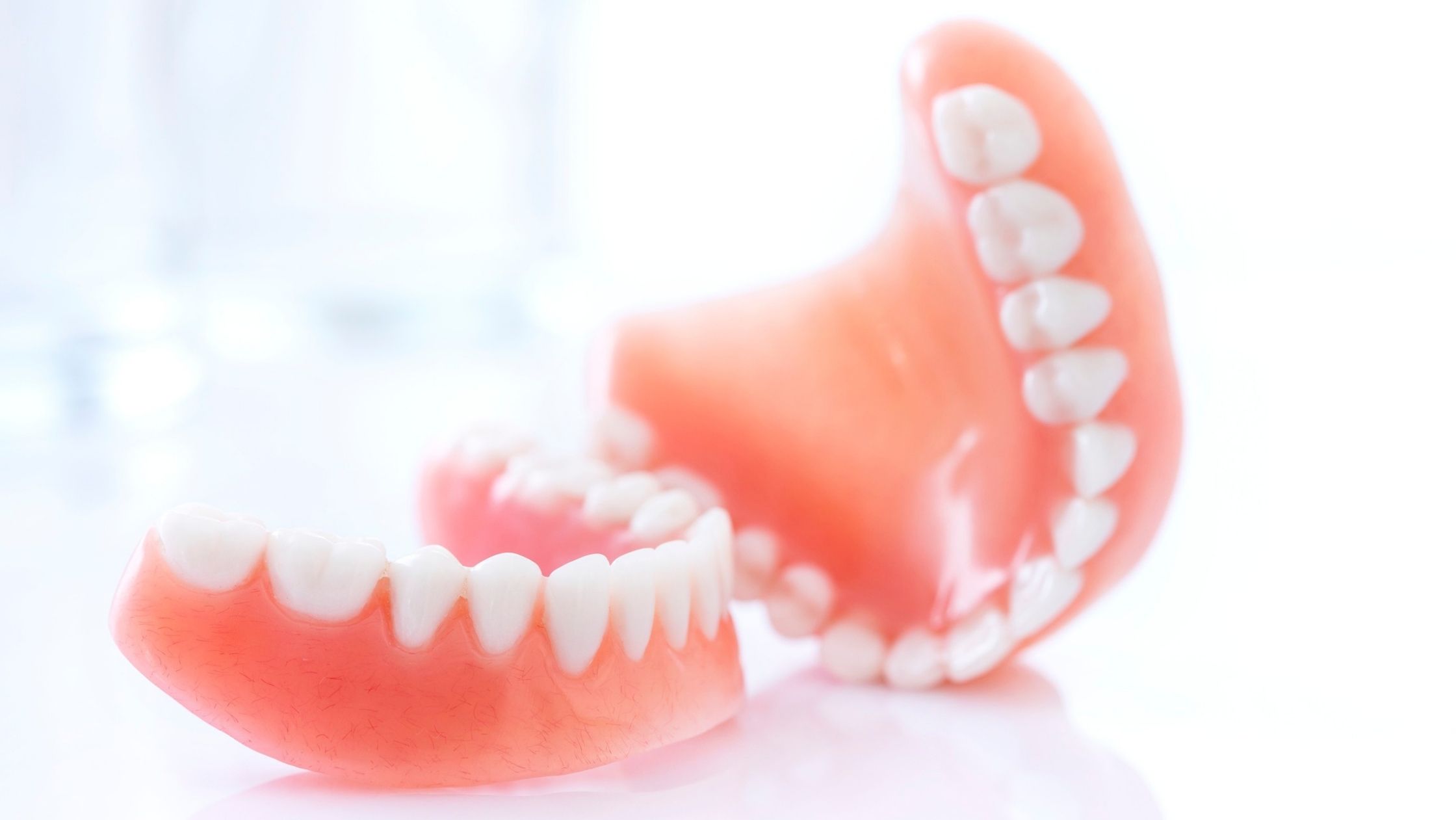
In simple words, dentures are “false teeth”, a prosthetic device that is used to replace your missing teeth.

There are several designs, and some may come in the form of fixed prosthodontics or dental implants

There are two main types known as partial and full dentures. 

Partial Dentures

Partial dentures are for those individuals who still have healthy teeth.

Patients who are looking forward to partial dentures must have healthy jaws with teeth available in the upper and lower parts of the mouth.

They can be very useful in restoring good oral hygiene and health.

Partial dentures come as clips that have the teeth to fill the gaps of the missing teeth which are placed around the healthy tooth.

Depending on your choice, you may either choose clips that are visible or tooth-colored ones that will camouflage when you are in conversation. 

Also Read: Realigning Your Teeth for a Better Look

Reasons to Go for a Partial Denture 

Consider the following reasons if you are going for a partial denture: 

  • Need to enhance your speaking ability due to missing teeth 
  • Not for 24/7 use
  • Constantly being hurt by cavity 
  • Reducing further risk to your oral health 
  • To chew food better and easily 

There are various types of partial dentures available in the market, depending on how many teeth one needs to cover. 

It also depends on the cause of one’s discomfort, the necessity for partial dentures and the cost involved therein.

It is always desirable to seek consultation first and figure out the best possible plan for your needs.

How Do Partial Dentures Help?

  • Partial dentures help in your ability to regain that lost confidence of your missing tooth. 
  • It adds support to your facial muscles making it easier for you to communicate. 
  • Makes it easier for you to chew food
  • It repairs the way you smile, making it visibly appealing. 
  • It is a great benefit for your oral health too as it will protect you from further decay due to a cavity or injury. 

Having said that, it could be one of the best investments you will make.

At Kirkland Premier Dentistry Dr. Gaurav Sharma has 400+ hours of Continuing education from the prestigious AAID (American Academy of Implant Dentistry) He applies for the latest research & advances in dentistry to provide the best dental care to patients.

If you are sad and have stopped smiling because you lost your teeth over time, you need not worry. 

Contact us today and get your happy one!

Dental Implants vs Dentures

Dental implants are fast gaining popularity as a superior substitute for missing teeth compared to dentures.

Dentures are made by Prosthodontists whereas a trained Implantologist performs implantation.

In this article we will understand what purpose they serve, the pros, and cons and which one is more suitable for you.

What are Dentures?

As a given, dentures are removable dental accessories for the mouth that restore missing teeth. They are made to size and fit snugly.

They consist of artificial crowns fitted on a pink acrylic base ( like gums) and a light wired framework.

You might have seen them lying at your grandparent’s bedside in a cup of water.

One can just slide them into the mouth whenever required( for eating) or keep them on all the time. They need to be removed and cleaned every day.

Dentures are of two types:

  • Complete
  • Partial

Complete Dentures

Complete means the full semi-circle. You have two sets of teeth, upper and lower.

The complete denture replaces the entire upper or lower set. They get positioned directly on top of the toothless gums.

You can remove them for cleaning and also wear them again without requiring any help.   

Partial Dentures

Partial dentures fill in the gaps where teeth have been extracted. Most people who have some teeth remaining require partial devices only.

These are smaller and have built-in clasps to fit into adjacent dental structures.

A small movement in these dentures is always there and requires getting used to. Discuss this with your dentist.

At Kirkland Premier Dentistry, we provide you with the best solution that works for you and which you wouldn’t have to reverse in the future. We work for your smile.

Also Read: Teeth Whitening- The Zoom Teeth whitening Procedure

Comparison with Implants

Advantages of Dentures

Removable dentures cost less than implants. They can also be used as an interim treatment before permanent replacement teeth can be placed.

As opposed to implants, they do not necessitate any grinding of adjacent teeth to fit them.

They are the best option when bone growth is poor because they don’t attach to the bone.

It is a non-invasive technique whereas implantologists drill the artificial tooth into the bone.

The entire process is relatively quick.

Disadvantages of Dentures

Partial or complete, dentures are uncomfortable and it may take you a considerable time to get used to having a device in the mouth.

Speaking and chewing become a little uncomfortable and there is undue salivation.

They are not as good for bone growth. Eventually, the bones and jaw move and the denture has to be remodeled.

The functioning is not as good as implanted teeth and the look is not so natural too.

While eating, food particles tend to get lodged between the apparatus and the gums.

What are Dental Implants?

Implants are synthetic individual structures that are permanently drilled into space where a tooth is missing.

It is like a screw attached to the bone underneath to support the restorative tooth or crown.

They are surgically placed by a professional implant dentist. An implant looks feels and functions just like a real tooth.

They require normal care similar to that of natural teeth and can last for more than 20 years or even a lifetime. They are made of titanium that fuses naturally with bones.

At Kirkland Premier Dentistry Mr. Gaurav Sharma has 300+ hours of Continuing education from the prestigious AAID (American Academy of Implant Dentistry).

He applies for the latest research & advances in dentistry to provide the best dental care to patients.

Comparison with Dentures

Compared to dentures, dental implants provide a long-term, permanent, natural, and value-for-money solution. They might require some grinding or crowning of other teeth to adjust.

Implants are permanent posts that hold replacement teeth whereas dentures are removable devices.

They preserve your youthful looks by maintaining the jaw structure while dentures do not maintain the jaw and lip line.

Replacement teeth protect the natural jaw bone and promote its growth.

You do not have to worry about the restorative implants slipping or clicking when you talk, eat, laugh or kiss.

There is no food lodgement between gums and artificial teeth.

They are low maintenance. One does not need to take them out and clean them each night. They only require oral care as you would do for all your pearls.

Final Words

Dental implants are the closest one can get to having natural & healthy teeth.

The advantages far outweigh those of dentures, as demonstrated above. Expensive as they might seem, they provide long-term value for money.

Everyone may not be a candidate for them though, as they require healthy bones and gums.

More than 3 million people in America have them and the number is increasing day by day.

So what you are waiting for?  Schedule your appointment with the best dentist in Kirkland for the weekend.

we'd love to hear from you