Table of Contents
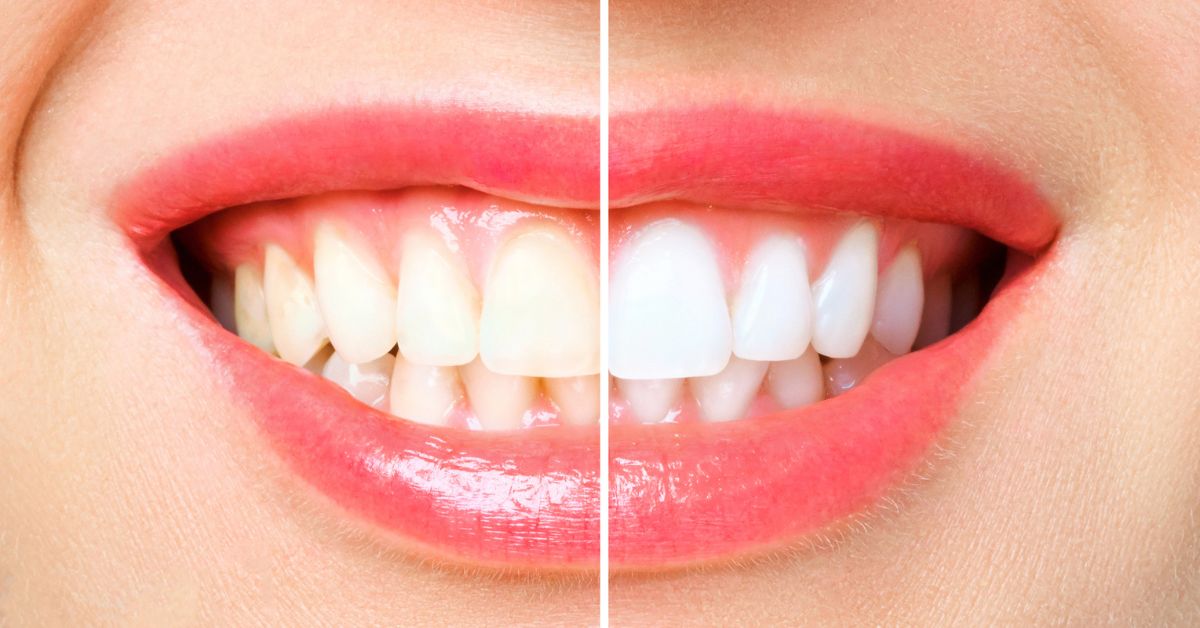
A sparkling white smile is desired by everyone. However, taking care of that smile is a commitment that goes beyond just brushing and flossing. Regular dental cleanings are an important part of dental care. Teeth whitening is another aspect of dental aesthetics and a very popular aspect of cosmetic dentistry. Though not a necessity, it can go a long way in giving you a confident and sparkling smile by helping you get rid of discoloration and stains.
These days some at-home whitening products are rather popular as they act as a cheaper option than professional whitening treatments. However, these cannot be a replacement for professional treatments that offer long-term solutions and are extremely effective.
All said and done, there are some things you need to know about the whitening process, both at home and the dentist’s office.
In this article, we will help you be aware of the important facts when it comes to treatment.
Professional Teeth Whitening Can Remove Both Extrinsic And Intrinsic Stains
These days there are whitening agents like toothpaste etc that aim to remove the stains present on the outside of the teeth or the extrinsic stains and their result is generally temporary with an increased likelihood for sensitivity. These treatments tend to only lift stains on the surface of the tooth, not ones deep inside.
However, professional teeth whitening can penetrate deep into the tooth to remove not only the extrinsic but also the intrinsic stains, the surface stains that are embedded deep into the pores of your teeth.
Results Of Teeth-whitening Can Differ From Person To Person
A professional cleaning can help to give you a sparkling white smile that is long-lasting.
However you need to remember that though the treatment can whiten your teeth, the results can differ depending on the color and appearance of the teeth at the beginning of the treatment. For patients whose dentin is naturally yellow, the teeth tend to lean more towards the yellow side inherently and teeth whitening might not show the same results.
Also, patients with tetracycline staining, fluorosis, or other dental conditions may not witness as dramatic results expected with in-office whitening procedures.
Porcelain veneers, a procedure that bonds a thin, ceramic layer over the front surface of your tooth may be a better option in such cases
Clean Teeth Will Whiten Better
We can never undermine the significance of clean teeth even when it comes to teeth whitening.
Dr. Sheena Gaur at Kirkland Premier Dentistry explains that it is advisable to schedule your teeth whitening treatment after getting your teeth cleaned, to allow the whitening to hold better. In fact, getting the teeth whitened within a week of cleaning is recommended as whitening doesn’t work quite as well through plaque and tartar, and unhealthy gums.
Fillings, Caps, and Veneers cannot be Whitened
A typical whitening process won’t be effective on any fillings, caps, veneers, or dental implants.
Artificial caps and veneers, when installed, are developed to match the color of your natural teeth and their color can never be changed and will neither whiten nor stain. Although teeth whitening will not damage dental work, you must keep in mind if these restorations will need to be replaced after whitening to match the new color of your natural teeth as these replacements can incur an extra cost.
Teeth Whitening Does Not Damage Your Teeth
Misuse, abuse, or overuse of any kind can harm your teeth. However, if you get teeth whitening done by a professional, there is nothing to worry about as it is extremely safe. The process used by your dentist will temporarily open the pores in your teeth to lift out the stains and your teeth will naturally rehydrate and re-mineralize after the procedure.
Some Sensitivity After Teeth Whitening Is Normal
Some amount of tooth sensitivity is common in most people and is usually caused by genetics, thin enamel, or cracked and damaged teeth. Occurrence of sensitivity is normal during the whitening process as the teeth become temporarily dehydrated, reducing their ability to insulate the nerve from the variation of temperature
Make sure that your teeth are equipped to deal with the sensitivity that may arise post the treatment. Using fluoridated toothpaste before the treatment can help avoid any tooth sensitivity associated with the teeth-whitening procedure to some extent.
However, the Sensitivity if any usually disappears within 24-36 hours after the whitening procedure. Using a post-whitening fluoride treatment can help to nourish the teeth and promote rehydration and treat sensitivity.
Smile Better With Kirkland Premier Dentistry
If you are looking for sparkling white teeth, modern dentistry has many options to achieve the desired results effectively. Kirkland Premier Dentistry is known for using the latest knowledge and technology to help its patients maintain a confident smile. We Make sure that our patients are aware of all the aspects of any treatment they undergo. Our doctors make sure to keep themselves abreast with the latest studies and research.
So if you are looking to get rid of those stains on your teeth, we are right here to give you the shiny and pearly teeth you deserve!
Call now or book an appointment online
FAQ Kirkland Premier Dentistry
When Should I Avoid Teeth Whitening?
It is not advisable to get your teeth whitened after implant placement, gum surgeries, or if you are undergoing orthodontic treatment. Teeth whitening procedures should strictly not be performed in patients with active periodontal disease, decay, cracks, infections, or any other oral health issues as it can lead to additional inflammation and worsening of the disease however it does not mean that if you suffer from any of these dental problems, you can never have your teeth whitened. It just means that you will have to wait till your dentist treats these issues.
How Long Can a Professional Whitening Last?
Professional teeth whitening is a permanent procedure. But it is most likely that your teeth will start to stain again naturally over time.
Practicing good dental hygiene like daily flossing and brushing and visiting your dentist for regular cleanings every six months can help to protect the health of your teeth and also prolong the results of the teeth whitening procedure.
Dr. Sheena Gaur says that you can safely get your teeth whitened yearly to maintain the pearly color. However, professional whitening more than twice a year is not required and can dry out your enamel, making the teeth sensitive and chalky looking.
Does the Diet Impact the Longevity of the Teeth Whitening Procedure?
The longevity of teeth whitening treatment does depend on your eating habits and how often you smoke or drink coffee, tea, sodas, or red wine. Avoiding these drinks, and foods like blueberries or tomato products especially during the first 48 hours of the whitening process is recommended as during this time the pores of the tooth are still open and can absorb up the dyes in food and drinks easily leading to a quick loss of the results achieved.