Root Canal Infections and Jaw Infections: Symptoms, Causes, and Prevention

 Root canals are known to be pretty safe and are done quite commonly by dentists all around the world. While it is rare for patients to experience complications after the root canal treatment, there are still chances of having an infection after a root canal. 

It is necessary to know the symptoms of a jaw infection after a root canal so that you can seek medical intervention and stop the infection from spreading further. In this article, we will find out the most common symptoms of an infection after a root canal along with the causes and treatment. 

What exactly is a Root Canal?

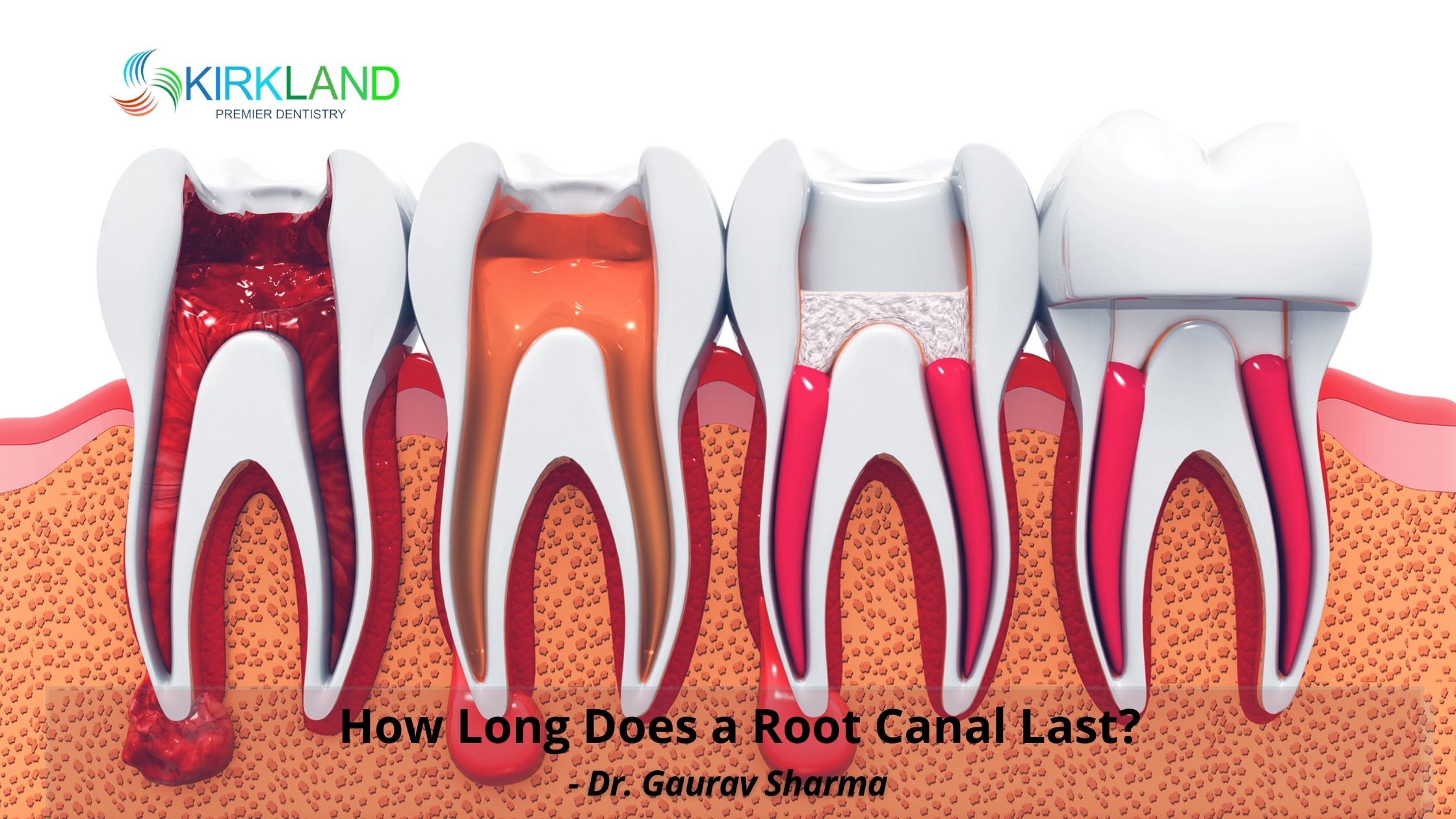
A root canal is done to repair the damage sustained by the tooth due to an infected pulp. A dentist will remove the infected pulp after drilling a hole into the affected tooth. The gap is filled and the tooth is sealed generally by placing a crown over the affected tooth to protect it for the future. 

Should you feel pain after a root canal treatment?

It is quite common for patients to feel mild pain and swelling after getting a root canal treatment. Since the pulp contains blood vessels and nerve endings, the area around the treated tooth becomes inflamed and that may cause some discomfort for a few days. 

Your dentist prescribes you a dose of OTC painkillers to keep the pain and swelling under control. While you are taking the prescribed painkillers, you should not be having much pain. However, if that is the case and your pain does not subside even after 1-2 weeks of treatment, you should have it checked. This is not normal and may point towards a root canal infection. 

You should know the symptoms of jaw infection after a root canal so that you can seek timely treatment. 

Root Canal Infection: What exactly happens

Root canals are done mostly after a tooth has been damaged after decay. Root canal infections may also happen if your tooth is damaged due to a different cause but the bacteria have managed to reach the pulp. Now, most of the time, a root canal will successfully treat such an infection. However, if the root canal has not been done correctly, reinfection can occur. A dentist will thoroughly clean the area to remove all infected pulp. If any bacteria remains, you can get a root canal infection or a jaw infection after the root canal

How long after a root canal can you get a jaw infection?

If the infected pulp has not been completely removed, you will start to show signs of root canal infection right from that day. On the other hand, if you feel lasting pain even after 1-2 weeks post-treatment, chances are that the affected area was not properly disinfected, therefore causing re-infection. 

Why is a Root Canal infection caused?

An infection after getting a root canal is rare, but not impossible. Even if this is rare, it can happen and that is why you should know how it happens. 

A root canal infection may be due to several reasons 

  • Your dentist may have delayed placing a crown over the treated tooth. Sometimes, bacteria are quick to get into open areas. 
  • Extreme infection or reasons causing bacteria to stay 
  • Insufficient cleaning of infected root canals 
  • Presence of bacteria in accessory canals 
  • The presence of bacteria in unfound areas because of complexly shaped root canals 
  • Insufficient sealing of the cavity during treatment 

If you do not seek immediate attention, the root canal infection may spread and turn into a full-fledged jaw infection and may affect other parts of your face too. This is why you should go to your dentist at the first sign of infection. If an infection is left untreated, it may spread to your jaw, face, and bloodstream. 

Symptoms of jaw infection after root canal 

You can prevent complications by being vigilant about the signs and symptoms of an infection after getting a root canal. You should know that infections can be stopped and your health can be restored. This is why knowing the symptoms is the best thing for you. 

Here are a few symptoms of a Root Canal infection after getting a root canal 

  • Constant pain 
  • Increased lingering tooth sensitivity 
  • An abscess on the area around the root 
  • Chronic foul smell from mouth 
  • Constant bad taste in the mouth 
  • Tooth discoloration 
  • Unexplained fatigue 
  • Unexplained or sudden fever 

When to see your dentist for a Root Canal infection?

If you sense any of the signs of a root canal infection, you should visit your dentist immediately. Infections can be dangerous if they are left untreated. If a root canal infection is left untreated, it may spread to the jawbone and start eroding it. Untreated infections may cause the bone to deteriorate and the affected tooth/teeth may need to be extracted. 

You should know that significant bone loss is not reversible and you may not even qualify to get implants after a certain stage. This is why you should not delay the treatment and seek the advice of your dentist. 

Your dentist may perform a process very similar to your initial root canal. After using X-rays to find infected tissue,  your dentist will follow general procedures to numb the tooth and drill into the affected tooth to remove infected pulp and clean the surrounding area. 

Your dentist may place a dental crown after carving off some enamel. This will be done with the intention of preventing any further infections in the future. 

How to prevent Root Canal infection?

The best way to prevent root canal infection is by taking good care of your teeth and overall oral health

After a root canal treatment, you can prevent infection by using antiseptic mouthwash for a week or as required. You may take the OTC pain and swelling medication as prescribed by the dentist. Follow the oral hygiene instructions given by your dentist. 

If you take good care of your teeth, chances are that you may not need a root canal in the first place. Brush and floss your teeth twice a day. Rinse your mouth after every meal. 

You should get regular dental cleaning and examinations from a trusted dental clinic. 

If you have any questions related to root canal infections or other dental issues, feel free to contact us at Kirkland Premier Dentistry. Our team of dental experts will be glad to answer your questions and suggest possible treatments. 

Symptoms that one can identify if root canal is required

Endodontic treatment, also known as a root canal treatment, enables the long-term retention of teeth that would otherwise need extraction because of the damage to the tissue of the tooth pulp that is contained within the tooth.

A lot of sensitivity to cold or hot beverages and food, sudden toothache, and/or swelling are some common symptoms that hint toward the need for a root canal.

If you are trying to find out whether you need root canal treatment or not, don’t worry; this post discusses some symptoms that will help you identify whether you need RCT or not. So let’s begin!


Constant toothache


One of the symptoms that may indicate that you might need a root canal is constant toothache. Moreover, it is possible that you feel pain in other parts as well, for instance, pain in the face, jaw, or other teeth. So, if you are dealing with persistent tooth pain, it’s highly recommended to let your dentist examine it.


Tooth discoloration


Have a dark, discolored tooth? It can be a result of bad eating habits, poor hygiene, or serious harm to the nerve beneath your tooth’s surface. Root canal treatment is needed in case of any harm to the nerve and blood vessels.


Inflammation and gum tenderness


Gum tenderness and inflammation do not always hint toward the RCT, but in some cases, they do. No matter if the inflammation looks normal or if there is an obvious lump that causes some pain, you may require root canal treatment. Three symptoms to look out for include:


  • Swelling of gums is around the root tip
  • Inflammation that lasts weeks or months
  • Bad odor as a result of pus coming from your root canal


Presence of an abscess

An abscess is usually visible on an x-ray as a dark spot. In simple terms, the abscess is a hole in your jawbone.


Toothache while chewing


Toothache usually ranges from moderate to intense. In fact, patients in need of a root canal treatment go through severe pain while chewing food.


Exposed nerves in teeth


Had some dental work before, such as fillings or crowns? If they have worn out or damaged over time, they can lead to exposed nerves which can further cause severe pain as air, hot/cold substances, and bacteria can easily reach the surface and cause further damage.


So, if you are experiencing all these issues, it’s best to have a professional opinion. Visit our Kirkland Premier Dentistry today or book your appointment online!

Do You Need Dental Crown After Root Canal Therapy?

Introduction

Root canal therapy is a treatment used to relieve a patient from tooth pain and prevent the tooth from future infection and damage.

In most cases, the treatment is completed with a protective cap called a dental crown.

However, many people wonder if this final step of the root canal treatment ie ‘The dental Crown’ is truly important. 

When most patients are usually unnerved by the root canal procedure in itself, the additional factor of a dental crown seems even scarier.

What is Root Canal Therapy?

A dental procedure where an endodontist or dentist gains access to the centre of a tooth to eliminate an infection is known as the Root Canal.

The infection that reaches the roots of a tooth is called pulpitis, or infection of the pulp deep inside a tooth.

It usually occurs when advanced tooth decay is left untreated or when a sudden trauma damages a tooth and all the infection enters into the pulp.

The tooth in need of root canal therapy can be painful, but the procedure helps to bring permanent relief to that pain.

The dentist first makes a small hole on the surface of the tooth during the root canal and then removes all the damaged pulp before cleaning the inner tooth to remove any remaining debris.

The pulp consists of all of the tooth’s nerves and blood vessels. 

The patients are left with a tooth that is hollowed out and painless after the procedure.

A unique dental material is then filled into the tooth and it helps to seal it, preventing anything from getting inside.

However, as the tooth no longer contains pulp inside it, a crown can help to add support to it, preventing any further damage.

Why Does a Treated Tooth Need a Dental Crown?

A cap or a dental crown is used when a dental patient needs implants or bridges and it helps to strengthen a tooth.

When placed over a weak tooth, dental crowns can provide the extra strength the tooth needs so that it can continue its job. 

In absence of this cap, a weak tooth will split or break, making it more tedious to fix the teeth because more damage has been done.

Generally, a premolar, a molar or one of the back grinding teeth needs a crown to be placed over them after receiving a root canal, as these teeth bear the most bite force and usually need a little extra support to stay strong for continuous use.

A dentist often puts a crown over the tooth after a root canal, if it has prior damage or is now weaker because all of the pulp has been removed.

This helps to keep the tooth strong from further damage. A dentist is the best judge to decide if the crown is needed after a root canal.

If the doctor feels it is important to place a crown, then a crown should be placed on the tooth. 

Some other factors also help to decide whether a tooth needs a dental crown after a root canal. These include:

Oral Health

The reason that led to the root canal in the first place is also one of the most significant factors to decide if the dental crown placement is necessary.

A minor crack or decay at the surface can sometimes be filled with Gin with resin rather than having to get a dental crown.

A patient with otherwise good oral health and structurally sound teeth on either side of the compromised tooth does not necessarily always need a crown.

Bruxism

Grinding and clenching of teeth are known as bruxism and they can weaken even perfectly healthy teeth.

Thus the patients with bruxism need a dental crown after a root canal treatment.

Root canal treatment leads to the weakening of the tooth, and the pressure put on the freshly operated tooth may prove extremely harmful to the hollowed-out tooth.

Past Damage

The teeth which have had damage in the past are particularly vulnerable to breakage and a dental crown can help prevent a tooth from crumbling when its quality is already questionable.

Tooth Sensitivity

In some cases, removal of only some part of the pulp is needed during the root canal leaving the remaining part extremely sensitive to heat, cold, pressure and sugar. A crown helps to cover the tooth protecting it from these elements.

Discolouration

The tooth has become discoloured. Tooth decay or a root canal can cause discolouration of the tooth making the placement of a dental crown necessary for cosmetic reasons.

When is a Dental Crown Not a Necessity?

Dr Sheena Gaur at Kirkland Premier Dentistry explains, “The main purpose of the Dental crowns is to protect the tooth from falling apart on the pressure of grinding being exerted.

Dental crowns are especially necessary for the restoration of the back teeth.” 

She further elaborates that the front teeth need not bear as much pressure as the molars and they can simply be restored with a dental filling and left without a crown after a root canal.

However, a tooth that has been discoloured by decay might need a crown to be fitted for cosmetic purposes.

Bottom Line

To sum it up, the need for a dental crown is primarily based on the condition of the tooth.

If it is in a good condition after a root canal, the dentist may opt to fill it and let it be, especially for the front tooth.

However, in almost all cases, the placement of a crown will be recommended on a molar whose dental pulp has been removed.

The dentist will always be the best person to advise and provide you with a good and permanent solution. 

Dr Sheena Guar says that there is absolutely nothing to fear if you need a crown. It is a very safe procedure that can go a long way in protecting your tooth and giving it stability and strength.

To discuss whether you would need a dental crown after the root canal, request an appointment here.

Root Canal: Symptoms, Procedure and Treatment

What is a Root Canal?

Root Canal is a dental procedure that relieves pain caused by an infected or abscessed tooth, it involves the removal of the soft centre of the tooth or inflamed pulp which is made up of nerves, connective tissue & blood vessels that help the tooth grow.

The removal of the pulp is followed by cleaning and disinfecting the surfaces inside the tooth. A filling is finally placed to seal the space.

The procedure is mostly performed by a general dentist or endodontist under local anaesthesia.

When is a Root Canal Needed?

Sometimes the oral bacteria invade the soft inner part of a tooth, known as the pulp, causing injury, inflammation or infection. In such cases, a root canal becomes a necessity.

The crown of the tooth can remain intact even when the pulp is dead. Thus removing the injured or the infected pulp becomes the only way to preserve the structure of the tooth.

Common causes of damage to the pulp include:

A cavity left untreated for a long time, causing deep decay

A tooth that is cracked, chipped or damaged due to trauma.

Multiple dental procedures have been performed on the same tooth

An injury to the tooth including those where the crown is not damaged.

Symptoms of Root Canal

Though in some cases, a patient may not know they have an infected tooth, there are usually some symptoms that indicate that one needs a root canal. These include:

Persistent Tooth Pain

A deep pain in the tooth that may also radiate to the jaw, face or other teeth may be an indication that one needs root canal therapy. 

Sensitivity to Heat and Cold

A tooth that hurts from drinking or eating hot or cold foods, especially where the pain persists for more than a few seconds can mean that one needs a root canal treatment

Swollen Gums

Pus can accumulate in the area when the tooth is infected, leading to puffy, swollen or tender gums.

Bad Smell

A pimple or boil may develop on the gums and pus from the infected tooth that drains from the pimple, can cause an unpleasant taste or smell.

Swollen Jaw

Lack of drainage from the site may result in a swollen jaw.

Tooth discolouration: Infected pulp of a tooth can cause the tooth to look darker because of a poor blood supply to the tooth.

Pain on Applying Pressure

Pain on eating or touching the tooth could be a sign that the nerves around the pulp are damaged.

Loose Tooth

The pus from the infected pulp can soften the bone that supports the tooth, resulting in the tooth becoming loose.

Also Read: Dental Implant Vs. Bridge: Which One Is the Best Option for You

How is a Root Canal Performed?

A root canal is performed in a dental office. The painful tooth is examined and X-rays are taken by the dentist to confirm the diagnosis and determine the extent of damage 

The steps of a root canal procedure include:

Anaesthesia

A small amount of numbing medication is placed on the gum near the affected tooth.

A local anaesthetic is injected into the gums once the area is numb.

Other medications like nitrous oxide, oral sedatives or intravenous (IV) sedation may also be used to help the patient relax.

Sedation might be recommended for those who face dental anxiety. 

Removal of the Pulp

A small rubber dam is placed over the area to isolate the tooth and keep it dry during the procedure and a small opening is made in the crown of the tooth to expose the infected or damaged.

Nerves, blood vessels and tissues inside the tooth are removed using tiny dental instruments called files. All the pathways or canals in the tooth are carefully cleared.

Antibiotics

After removing the pulp, the dentist coats the area with a topical antibiotic to ensure disinfection. 

After cleaning and disinfecting the canals, the dentist fills and seals the tooth with a flexible, rubbery dental material called gutta-percha.

Some oral antibiotics may also be provided to prevent further infection. 

Temporary Filling

The procedure ends with filling the top of the tooth with a soft, temporary dental filling to seal the tooth, prevent bacteria from re-entering and prevent the canals from being damaged by saliva.

Placing the Final Restoration

A dental crown is needed in most cases to protect the treated tooth and restore the patient’s comfort and bite.

The realistic appearance of the crown is also one of its benefits. As the crowns are custom-made, their fabrication generally takes two to three weeks.

Once the crown is ready, the dentist removes the temporary filling and places the permanent crown. 

How Long Does a Root Canal Take?

The root canal therapy may need one or two appointments depending on the amount of infection in the tooth.

The total time taken by a root canal treatment is about 30 to 60 minutes. If it’s a larger tooth with multiple roots, which requires treatment, this time can go up to an hour and a half.

What to Expect After the Procedure?

Pain After Root Canal

The gums might feel a little sore and may swell as the numbing medication wears off.

However, these symptoms are easily treatable with over-the-counter pain medications such as Tylenol or Advil.

There may be some sensitivity also for the initial few days. However one must call the dentist if the pain becomes unbearable or persists for more than a few days.

What to Eat After Root Canal?

One can eat normally after the effects of the anaesthesia wear off.

However, one should try to stick with softer foods like pasta, mashed potatoes and yoghurts for the first two days.

Solid food can be introduced as the comfort level improves.

One should avoid biting or chewing with the treated tooth and try chewing on the other side of the mouth until the permanent dental crown is in place.

Resuming Normal Activity

One can resume normal activities the same or the next day. However, if one takes sedation during the dental procedure, an extra day or two may be needed to fully recover.

Aftercare 

As root canal is considered a restorative procedure, its positive results can be enjoyed for the rest of life.

However, how long the results last depends on good oral hygiene habits.

One must brush and floss normally, and preferably use an antibacterial mouthwash.

A Note from the Doctor

Dr Sheena Gaur, a dentist at Kirkland Premier Dentistry says a Root canal is a very safe procedure, which can help save the tooth.

One must consult a healthcare professional immediately if they notice any symptoms, such as tooth pain, swelling, bad taste or other warning signs.

The sooner the infected tooth is treated, the better the chance of saving it.

He further adds that Regular dental check-ups can play a big part in curtailing the risk of infection as this gives the dentist a chance to detect problems before they worsen.

A timely Root canal procedure can prevent infection from spreading and relieve pain so that one can return to their routine activities.

For any kind of dental emergency, feel free to contact us online or call the office.

How Long Does a Root Canal Last?

This article provides insights into the longevity of a root canal, answering the common question: How long does a root canal last? Additionally, it explores factors that may potentially decrease the lifespan of a root canal treatment.

Root canal, also called RCT, is a treatment for a tooth that is badly infected down to the root.

How Long Does a Root Canal Last?

The treatment successfully repairs the tooth. It will last a lifetime.

But since the tooth was severely damaged before the treatment, it would certainly be weaker than your other healthy teeth.

It would last for a good 10-15 years, but if they are crowned, it will increase their life. For this, you should know exactly how a root canal treatment is done.

What Exactly Happens During RCT

So, you’ve heard about root canal treatment (RCT), and you’re wondering what goes on during this dental procedure. Let’s break it down into simple steps to demystify the process:

1. Diagnosis and Examination:

  • Your journey begins with your dentist taking X-rays to get a clear picture of what’s happening beneath the surface. They’ll examine the affected tooth, looking for signs of infection, decay, or damage.

2. Anesthesia – Numbing the Area:

    • Your dentist will carefully administer a local anesthetic to ensure the area around the affected tooth is completely pain-free. This guarantees a comfortable experience throughout the procedure.

    3. Access Opening – Getting Inside the Tooth:

    • The dentist creates a small access point in the tooth, providing a pathway to the pulp chamber and root canals. It’s like opening a door to the heart of the tooth.

    4. Pulp Removal – Bid Farewell to Infected Tissues:

    • Now, it’s time to say goodbye to the infected or damaged pulp. Specialized instruments are used to carefully remove it from the root canals, ensuring a clean slate for the next steps.

    5. Cleaning and Shaping – Creating a Clean Canvas:

    • The root canals are meticulously cleaned and shaped to get rid of any remaining debris. Think of it as giving the channels a fresh start, free from infection and ready for healing.

    6. Filling the Canals – Sealing the Deal:

    • A biocompatible material, often gutta-percha, is used to seal the cleaned root canals and prevent future trouble. It’s like putting a protective barrier in place.

    7. Temporary or Permanent Seal – Shielding the Tooth:

    • Depending on the specific case, your dentist might place a temporary or permanent seal to protect the treated tooth. It’s a shield against external elements that could cause harm.

    8. Restoration with a Crown – Adding Strength and Protection:

    • The final step involves placing a crown on the treated tooth. This crown acts as a robust shield, providing strength and protection to the once-affected tooth, ensuring its longevity.

    And there you have it — the step-by-step journey of a root canal. While the process may sound intricate, it’s a common dental procedure aimed at saving your natural tooth and providing long-lasting relief. Always remember, your dentist is your guide through this journey, ensuring you’re at ease every step of the way.

    However, many other factors may increase or decrease the life of an RCT. 

    Also Read: When and Why Do You Need a Root Canal Treatment?

    Factors That Decrease the Life of RCT

    • The first reason is negligence on the patient’s part. The patient may not have taken good care of the tooth, especially if he is a kid or teenager who invariably has inconsistent oral hygiene habits.
    • The second is a natural occurrence of the tooth having two roots. One of those roots may have a very tiny infection that is not possible to detect. It may flare up later. While this occurrence is highly unlikely, it still does happen sometimes.
    •  Though uncommon, sometimes the filling can become weak over time, and bacteria make their way inside the tooth. The patient does not feel any pain, that’s why regular checkups are important.
    • Occasionally, teeth that have had RCT done may fracture after many years. It usually happens with patients who unknowingly grind or clench their teeth. So, if you feel pain or sensitivity in an RCT tooth, see your dentist.
    •  Teeth that have received root canal therapy would last a lifetime only if they have been properly restored anatomically after the endodontic treatment. Proper restoration ensures that the altered tooth is strong enough to survive the rigorous actions of its everyday functioning.

    No medical procedure or technology comes with a 100 percent guarantee of laying a lifetime, but if good care is taken, your treated tooth will last forever. 

    If the tooth is properly restored, you are maintaining good oral hygiene, and following your dentist’s advice of routine checkups, your tooth could very well last for the rest of your life. 

    If you want to know more about how root canals, fillings, and crowns are used for treatment and restoration, contact your dentist at Kirkland Premier Dentistry today! 

    When and Why Do You Need a Root Canal Treatment?

    Have you also heard similar words from your dentist? Most probably, yes.

    The RCT is a very popular dental treatment that saves your natural tooth and restores your beautiful smile.

    According to the American Association of Endodontists, around 40,000 people in America undergo RCT every day.

    What exactly does a root canal treatment do?

    Why and when would anyone require one?

    Let’s try to understand everything about it.


    What is a Root Canal Treatment?

    Root canal therapy is a dental treatment performed to remove the infected pulp and the root nerve of the tooth.

    Space is then filled and the tooth is covered with a crown to restore normal functioning. The procedure saves the tooth whose infection has spread to its root.


    Which Doctor Performs Root Canal

    Dentists receive training in all sorts of treatments during their studies. However, an Endodontist has advanced training and specialization in RCT.

    All dentists can do it, but they prefer the more complex cases to an Endodontist. 


    When Do You Need an RCT?

    Root Canal Treatment is required in severe cases when the infection has spread to the inside of the tooth. There is a soft tissue present inside the teeth called the pulp.

    When the pulp is infected or inflamed, endodontic treatment becomes necessary.

    In cases where only the outer cover of the teeth has cavities, they can be cleaned and filled. 

    However, if not addressed in time, the infection spreads to the “endo” region, the base nerves and pulp. 

    Apart from this, in cases of accidents or injuries, a severe impact can inflame and damage the pulp as well. 


    What Are the Symptoms of RCT?

    These are a few of the symptoms that indicate treating the root canal:


    Pain While Eating

    The toothaches when you bite or munch. 


    Persistent Pain

    The toothaches all the time. The pain seems to go deep down. Also, the pain increases when you lie down or tilt your head.


    Sensitivity

    When the pulp is inflamed, your teeth become sensitive to heat and cold. Especially when you drink a hot or chilled beverage, there is an unnerving painful sensation in the affected area. 


    Inflamed Gums

    Swelling, pain, darkening, or bumps on the gums indicate issues down below. Many a time, root canal treatment is required to remove infections that are affecting the gums.

    Also Read: Everything You Need to Know About Dental Crowns and Tooth Bridges


    What Are the Things That Cause Root Canals?

    Endodontic problems are painful occurrences that can destroy the tooth if not addressed in time.

    Cavities and decay take a long time to penetrate the inner core of the teeth, even years.

    If you are particular about your dental hygiene, cleanliness, and regular treatment, chances are the problem is tackled on the surface only.

    There are warning signs that appear months before an RCT becomes imperative. 

    However, certain occurrences make the procedure more likely:

    Ignoring Thorough Cleansing

    If you want your pearls to be healthy, strong, and original, maintain strict vigilance over the cleansing process.

    Brush and floss at least twice a day, especially at bedtime.

    Keeping your mouth clear of food particles restricts the growth of bacteria that convert into plaque.

    Flossing flushes out lodgings in between two teeth that are not possible to clean with a brush.

    The bacteria make colonies and can penetrate even the hardest surfaces.


    Avoiding Regular Visits to the Dentist

    A visit to the dentist every six months is mandatory. But believe it, people dread going to the dentist for no reason. On the other hand, it is beneficial in the long run.

    No matter how much you brush and floss, over some time you get plaque and tartar deposits.

    That’s why scaling is important every few months. It smoothens the roots and securely attaches gums to the teeth. 

    At Kirkland Premier Dentistry, we perform a thorough checkup to spot early signs of infection and gum issues that you cannot know by yourself.


    Chronic Gum Disease

    It takes a long time before any disease attacks the soft pulp that is the blood and life of the tooth.

    Gum diseases if left untreated for long, turn into periodontal as well as endodontic disorders.

    Any bleeding or discoloration of gums should not be ignored and treated fast. It could spread its legs below the surface.


    Tooth Decay

    When the tooth starts decaying and is unnoticed, it penetrates inside and infects the root canal. This is the most common cause of endodontic problems.


    Disease and Trauma

    Oral infections, direct injury, and multiple or large fillings are frequent risk factors of pulp inflammation.

    If it is accompanied by pain, your dentist will diagnose and recommend an Root Canal Treatment if needed.


    Lastly

    If you see any of the above symptoms, visit the dental clinic near you offering comprehensive treatments, and check if there is a weekend appointment available. For any kind of dental emergency, feel free to contact us online or call the office.

    we'd love to hear from you