The Mouth-Body Connection: Nutrition and Oral Health

Introduction

It is known that there is a strong relationship between nutrition and oral health. Our oral cavity is as important as any other part of our body. This is why good or bad nutrition directly reflects on our oral health. Interestingly, good nutrition and oral health are interrelated in a way that both affect each other. If you make the wrong food choices, they are going to negatively affect your oral health and overall health. 

Nutrition And Oral Health: The Connection 

If you do not take care of your diet, the chances of having oral problems increase drastically. If you ensure good nutrition, you encourage the development of a healthy and flourishing microbiome. Most interestingly, if you have enough good bacteria in your mouth, your teeth and gums will be better at resisting oral issues like cavities and tooth erosion. 

You have to start with the basic fact that what we eat affects our health in some way or the other. Oral health is a part of your physical health and can cause or prevent many general health problems based on our approach. If you follow a good lifestyle and take care of your teeth, your general health and nutrition will improve drastically. 

How Wrong Foods Affect Your Teeth 

You should avoid eating foods with too much sugar, and carbohydrates because they are the most common contributors to dental decay and enamel erosion. Most studies show a clear connection between the intake of sugary and acidic foods and dental diseases and problems like erosion and cavities. 

Dr. Sheena Gaur at Kirkland Premier Dentistry stresses on the need to understand the difference between dental decay and erosion. She says that you will be able to understand how certain foods can ruin your oral health. Not only that, but you may think that erosion and decay are the same things, but they are totally different things.

Tooth decay is another term for cavities. Cavities occur when a layer of plaque deposits on the surface of your teeth and certain bacteria create acids that dissolve and damage your teeth. Frequent exposure to the plaque is caused due to improper cleaning techniques and eating sugary snacks throughout the day. 

Tooth erosion is also called demineralization. Erosion generally means the wearing down of something, mostly due to external factors. Dental erosion means the wearing away of the hard surface of the teeth due to regular exposure to foods and drinks which are acidic. This directly weakens the structure of your teeth and makes them prone to getting chipped or cracked. 

Sugar And Dental Decay 

Sugar is one of the worst enemies of your dental health. When we eat something, a film of bacteria builds on the surface of the teeth. This plaque is to be removed daily, otherwise, it keeps building up. When you eat sugary foods, this film of bacteria converts the sugar from the food into acids, which deteriorates and wears down the hard part of your tooth. This is the chief cause of tooth decay in modern society. 

This is why it is not recommended to keep snacking all day or have sugary drinks in excess. Excess sugar is not only harmful to your teeth but is also the cause of a plethora of general health problems like diabetes, heart disease, and obesity.

You may be thinking that you do not consume so much sugar in your food, but you should also take added sugars into consideration. Added sugars are the hidden enemy which negatively affects our oral health and general health. It would be a good idea to learn how to identify added sugars so that you can identify and eliminate them from your diet. 

Healthy Food Choices: What You Can Eat For Good Oral Health? 

You should include foods like Spinach and kale in your diet. Whole grains are great for your gut and overall health. If you can, you should include more legumes, beans, and peas in your diet. 

Fresh fruits and vegetables can improve your health and provide you with essential nutrients and much-needed natural sugars and fiber. Good quality natural cheese is good for you. 

If you chew sugar-free chewing gum for 20 minutes after a meal, your chances of developing cavities go down. Your enamel is also strengthened and you get fresh breath. 

Some foods are specifically great for oral health because they provide essential vitamins and minerals and also increase the production of saliva in the mouth. Saliva flow is known to prevent tooth decay. 

 Healthy Drinks For Oral Health 

Water will come at the top because it dilutes the oral acids and also prevents excessive plaque build-up. You should also rinse your mouth with water after every meal. 

You can drink green tea because it is rich in antioxidants and may generally contribute to better health. You should drink milk because it is rich in calcium and contributes to healthy bones and teeth. Milk is considered to be a healthy drink when too much sugar has not been added to it. 

The Benefits Of Dental Health 

The benefits of good oral hygiene and health are not limited to your oral cavity. 

Dental health is a part of your oral health, and there are numerous benefits to having good dental health

  • Healthy gums and low risk of gum disease 
  • Reduces the risk of heart disease 
  • Avoid respiratory infections 
  • Reduce the risk of type 2 diabetes 
  • Reduce the risk of cancer 
  • Improve reproductive health 
  • Better weight management 
  • Safer pregnancy 

Practicing good oral hygiene is the most important factor which contributes to your dental health. 

If you have any questions about improving your oral health and avoiding common dental problems, you should reach out to us at Kirkland Premier Dentistry

How are Oral Health and Heart Health Connected?

Overview

Inflammation of the Gums which can be a cause of the deterioration of the gums, teeth & bone tissues that hold gums in place is known as Gum Disease or Periodontal disease.

We all have often heard that oral health is important for all-around health. However, many people live with undiagnosed periodontal or gum disease as the patients do not go to the doctor as their teeth feel fine.

According to recent studies, There is now an indication of two particular links between oral health and heart disease. These include-

  • Gum disease in a moderate or advanced stage puts one at greater risk of heart disease than someone with healthy gums. 
  • An insight into Oral health can provide doctors with warning signs for a range of diseases and disorders, including heart disease.

A wide set of situations, like a heart attack & stroke, are a result of Heart disease, which is caused by the shrinking or blockage of vital blood vessels.

In this article, we will discuss the relation between these two conditions and what can be done to reduce the risk.

How are Gum Disease and Heart Disease Related?

Patients who suffer from persistent gum conditions such as gingivitis or advanced periodontal disease are at the highest risk for heart disease caused by poor oral health, especially when undiagnosed and untreated.

The bacteria associated with gum infection reside in the mouth and can enter the bloodstream. They can attach to the blood vessels, increasing the risk of cardiovascular disease. 

The bacteria that migrate into the bloodstream can elevate C-reactive protein, which is considered a marker for inflammation in the blood vessels, further increasing the risk of heart disease and stroke.

These bacteria can attach themselves to any sensitive or damaged area, leading to inflammation. This may further lead to illnesses such as endocarditis, which is an infection of the inner lining of the heart. 

Studies suggest that people who receive satisfactory care for gum disease had 10 to 40 % lesser cardiovascular care costs as compared to the people who didn’t get adequate oral care. A person’s risk of heart disease in people with gum disease is increased by up to 20 percent. 

All this evidence and studies have led the American Dental Association and American Heart Association to recognize the relationship between gum disease and heart disease. 

Also Read: What is Burning Mouth Syndrome?

Symptoms and Warning Signs of Gum Disease

Gum disease can be diagnosed and treated at an early stage if one is regular with visits to the dentist.

Even in the cases where the gum inflammation may be unnoticeable, insufficient oral hygiene and amassed plaque can put one at risk of gum disease.

The following signs and symptoms may indicate gum disease and must be discussed with the dentist:

  • The gums are red, swollen and sore to the touch.
  • The gums that bleed on eating, brushing, or flossing.
  • Highly sensitive teeth.
  • Pus or any other indications of infection around the gums & teeth.
  • The gums look as if they are pulling away from the teeth.
  • A frequent bad breath or a bad taste in the mouth.
  • Teeth that are loose, or seem to be moving away from the other teeth.

Gum disease and oral health are also believed to be related to a few other conditions too, like:

  • Osteoporosis
  • Respiratory disease
  • Certain types of Cancer
  • Rheumatoid arthritis 

Some conditions like diabetes may also increase your risk of developing gum disease due to higher inflammation & an increased risk of infections in general.

Pregnancy is also known to increase the risk of gum disease due to hormonal changes & increased blood flow.

However, it is important to keep in mind that having the above symptoms or risk factors doesn’t necessarily mean that you have gum disease.

Dr. Sheena Gaur at Kirkland Premier Dentistry, explains that a formal diagnosis has to be made by analyzing the severity and length of the symptoms. The dentist evaluates the teeth and reviews the medical history by:

  • Measuring the gums with a tiny ruler to check the depth of the pocket
  • Assessing the gums for signs of inflammation and plaque buildup
  • Taking X-rays of underlying jawbone to find out the bone loss, if any
  • Examining sensitive teeth for receding gums

What are the Symptoms of Heart Disease?

Diagnosis of heart disease is based on the person’s medical history, the severity of the symptoms and a thorough physical examination. The following are considered to be common symptoms of heart disease:

  • Chest pain is known as angina, resulting from the heart not getting sufficient oxygen
  • Arrhythmia or irregular heartbeat
  • Shortness of breath
  • Unexpected or unexplained fatigue
  • Dizziness and lightheadedness
  • Sudden confusion or impaired thinking
  • The buildup of fluid in excess known as oedema
  • Heart Attack

The doctor also evaluates the blood and assesses the risk factors for heart disease which include family history and body weight. The diagnosis can be confirmed with the following tests:

  • Recording the heart’s electrical activity with the help of an EKG
  • Chest X-ray to check the heart & other organs in the chest
  • Blood tests to evaluate levels of proteins, lipids & glucose
  • Stress test to record abnormal changes in the heartbeat & breathing pattern during exercise

Prevention

The development of gum disease can be quite effectively prevented with good oral hygiene and regular dental checkups.

Being aware and proactive about oral health can protect one from developing a connection between oral health and heart disease and keep your smile healthy, and clean.

  • Brush teeth and tongue at least twice a day
  • Floss between the teeth and gums daily
  • Use an antibacterial mouthwash.
  • Avoid smoking or chewing tobacco.
  • Consume a diet high in fiber, vegetables, low-sugar fruits, and vegetable-based proteins.
  • Regulate your blood sugar levels and keep them under control especially if you have diabetes.
  • Visit a dentist twice a year for regular cleanings and checkups.

If you put off your dentist visits due to your busy work schedule during weekdays, remember Kirkland Premier Dentistry is a dental office with highly trained staff and is open on Saturdays.

Doctor’s Word

Dr. Sheena Gaur says that the connection between gum disease and heart disease has been established by quite a few researchers due to the buildup of bacteria that can lead to inflammation in the oral cavity, ultimately leading to narrowing and blockage of blood vessels. 

However, there is no need to panic. Awareness about your oral health and regular visits to the dentist can help you avoid the risk.

We are here to help you, not only with the health of your teeth but also to ensure that your heart keeps up its healthy beat.

Why Healthy Teeth Are So Important?

Our teeth have an important role to play in our lives. They help us chew and digest food, help us to speak clearly, and also give our face its shape.

Teeth are the caretakers of our smile and are also the first wall of protection of our general wellbeing.

However, we tend to overlook them and many times end up abusing them. The gums are the soft pink tissue in the mouth that holds the teeth in place.

The sugar bugs go crazy over the sugar on the teeth, after we eat, turning the sugar into acids that eat away tooth enamel, causing cavities.

These sugar bugs can also be the root cause of gingivitis, a gum disease that can make the gums red, swollen, and sore.

Inadequate care of teeth, cavities, and unhealthy gums can end up making the mouth very, very uncomfortable, causing difficulty in eating meals and the way one smiles.

Most people tend to delay the vital six-monthly check-up at the dentist because of convenience. 

Many also forget teeth’s actual function and use them as tools to open bottles, or to cut through threads.

However, we also tend to complain when our teeth show signs of abuse causing excruciating pain in us, in an attempt to get the message across that they are in trouble.


Why Do We Need Healthy Teeth?

Healthy teeth are one of the rewards of good oral hygiene and can have a substantial effect on one’s personal and professional life.

People with healthy teeth get to enjoy certain advantages like a great smile and fresh-smelling breath.

The first thing people notice when they interact are teeth and those conscious of the condition of their teeth, often find themselves feeling low in confidence.

When it comes to dental health, prevention is always a lot cheaper than treating a problem that has developed fully.


Consequences of Unhealthy Teeth

Toothache is a tell-tale sign for us to rush into action, but sometimes it can come too late after the damage on a larger scale has already happened.

Teeth and mouth are a key and a kind of diagnostic system to our general health.

A swab of saliva can sometimes tell a great deal about the general health, and give necessary warning signs of the presence of systemic disease. 

Unhealthy teeth can cause

  • Tooth decay and tooth loss
  • Gum disease & bone loss
  • Heart and lungs disease
  • Worsening of diabetes
  • Strokes
  • Osteoporosis
  • Oral cancer
  • Emotional issues like low confidence, self-esteem, and embarrassment

Our teeth bite, tear, chew and break down the food we eat making it ready for the digestive process to begin.

Everything that enters our mouths needs to get past them first. If the teeth are healthy, strong, and capable of performing their intended function, the system works comfortably well.

However, if the teeth are chipped, broken, missing, or misaligned, the damage caused can be more than just a smile. Their optimum functionality can be damaged.

A chain reaction that is kicked by Cavities, gum recession, and poor hygiene in terms of bacteria and plaque build-up can further result in gum disease, leading to tooth and bone loss, impacting the overall health of the person.

Also Read: Temporary Crown vs. Permanent Crown: What’s The Difference?


Benefits Of Having Healthy Teeth

Fresh Breath

Maintaining proper oral hygiene and taking care of teeth and gums can keep the bad breath causing bacteria at a minimum.

Bad breath can have a  negative impact on both the personal and professional life of a person. 


Prevents Tooth Decay

Patients are less likely to develop tooth decay if their teeth are taken proper care of.

Adequate oral hygiene ensures that the food particles converted into acids by the bacteria in the mouth have limited exposure to teeth, helping to prevent issues like cavities, gum disease and infections that may develop over time.


Reduces The Risk Of Heart Attacks

Certain types of bacteria that live in the mouth can make their way into a person’s bloodstream, increasing the likelihood of having a stroke or heart attack.


Reducing the Risk of Cancer and Dementia

Keeping teeth and gums healthy can reduce the risk of certain cancers, particularly in women, as well as some forms of dementia.


Improves Confidence

A healthy smile can transform a person’s visual appearance, increasing the positivity of the mindset!

People with healthy teeth are generally perceived to be more sociable, attractive and successful whereas the opposite is true for the people with unhealthy teeth.


Saves Money

Brushing and flossing twice a day, and visiting the dentist twice a year is a lot cheaper than paying for the dental treatments. Thus making dental hygiene a priority can help to save a lot of money.


Keeping Teeth Healthy

Some simple tips to keep Teeth Healthy that can go a long way in ensuring good oral health are:

  • Brush with a soft brush, twice a day
  • Floss between the teeth once a day to clear out food particles from difficult-to-reach places.
  • Avoid acidic or sugary foods that can be breeding agents for Plaque and the bacteria in it.
  • Quit smoking or using tobacco products.
  • Regular dental check-ups, preferably every six months can enable the dentist to be able to check for early signs of disease, perform necessary procedures, and advise on necessary changes regarding oral hygiene.
  • A dentist should be immediately contacted if there is an apparent change, pain, or bleeding in the mouth.
  • Teeth should be used only for their designed function i.e. chewing, tearing and pulping food.


Conclusion 

A healthy mouth can be a great asset.

Dr. Sheena Gaur at Kirkland Premier Dentistry that a healthy smile has many day-to-day benefits.

It can not only give us greater confidence but also influence our social lives, careers and relationships.

Brushing teeth twice daily, maintaining a low-in-sugar diet and regular visits to a competent dental professional, help reduce the risk of diseases like dental decay and gum disease, both of which can result in tooth loss.

She explains that the permanent teeth we get at a tender age are needed to last an entire lifetime.

Fillings, crowns, dentures and implants can fill the gaps, but they cannot be the same as the teeth lost.

Keeping teeth healthy becomes especially relevant, and often more difficult, as one ages.

Optimum dental care involves working together with a dentist to ensure that the teeth stay healthy for as long as possible.

Optimal oral health can go a long way to contribute to the general state of well-being.

Our goal at Kirkland Premier Dentistry is to provide the highest quality dental care gently and compassionately, in the process providing our patients with a healthy & confident smile for a lifetime.

Call for an appointment or book it online.

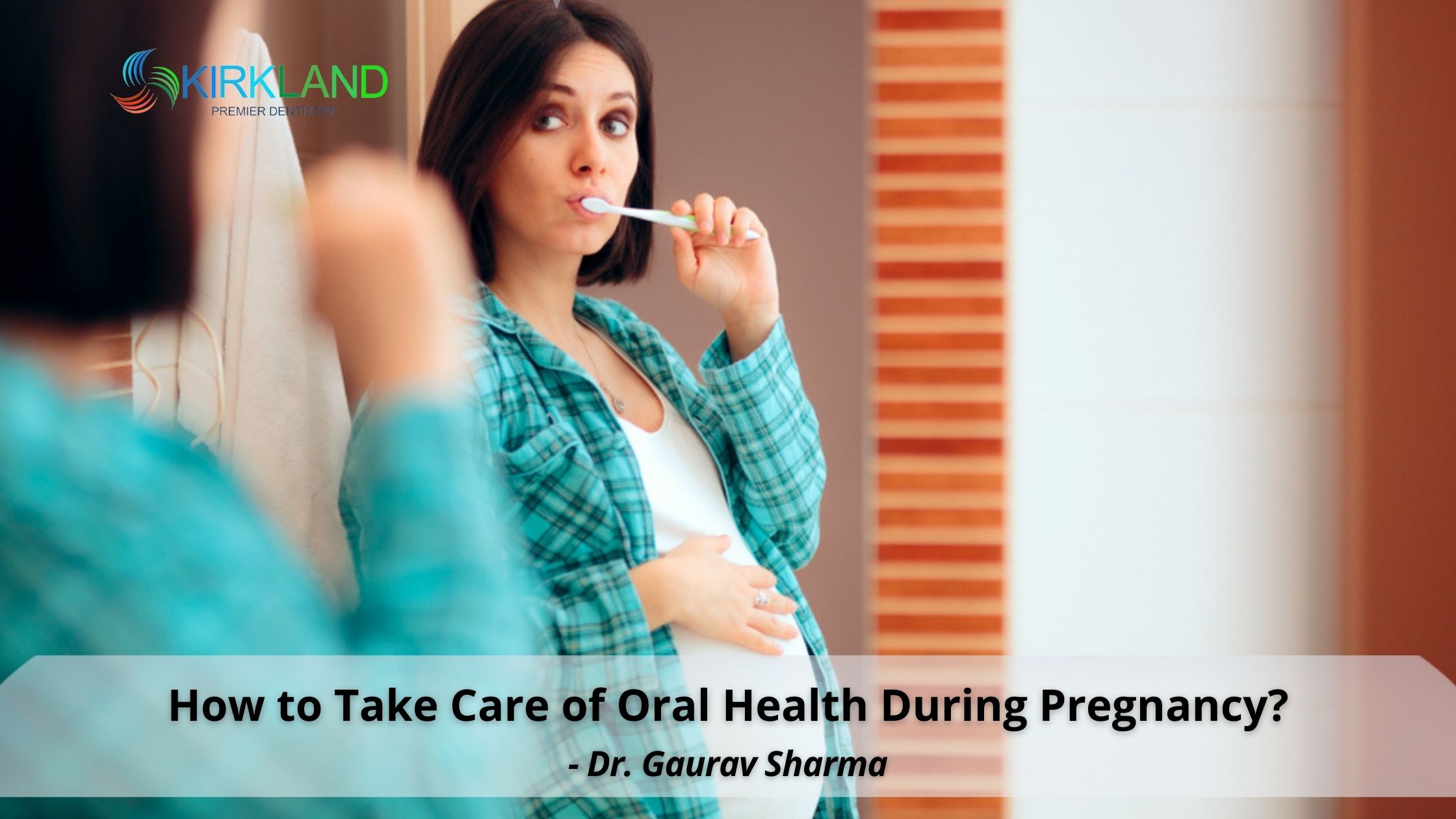
How to Take Care of Oral Health During Pregnancy?

Many gynecologists do not guide their patients about oral health care during pregnancy.

Hence women have no idea how important dental health is during this period and after delivery. 

There are many myths associated with the safety of dental treatments while you are carrying a baby. 

Consequently, pregnant women receive less dental care compared to before. However, it is a very vital part of prenatal dental hygiene.

This period makes mothers more prone to a wide range of oral health conditions that could be detrimental to their own health & the unborn child. 

At Kirkland Premier Dentistry we endeavor to emphasize the value and safety of routine oral care for pregnant women. In fact, it is also important during breastfeeding and menopausal periods.

Why Is More Dental Care Needed During Pregnancy?

The general observation is that there is tooth decay during pregnancy. Some people believe that it is due to the extraction of calcium for the baby’s bone growth needs. 

However, there is no scientific basis for that Dentists explain it as a consequence of vomiting, nausea, and neglect of oral hygiene.

More dental care is needed due to hormonal & food habit changes. Hence the following factors deteriorate oral health: 

Change in Food Habits

During the first trimester, some would-be mothers develop an inclination towards certain foods such as sweet or sour foods, especially carbohydrates, & tooth brushing may be neglected as well after eating those foods after they eat these kinds of food.

Tendency to Bleed

Pregnant women have tender gums due to changes in the levels of the hormones estrogen & progesterone.

As a result, they avoid brushing their teeth which increases plaque and bacteria. Hence, the mouth needs more care during pregnancy.

Vomiting

Most mothers experience morning sickness which makes the oral environment acidic. If enough attention is not given to brushing & rinsing after vomiting, the stomach acid attacks tooth enamel.

Less Saliva

Saliva flow declines during pregnancy. Saliva is a protective layer in the mouth that protects teeth and gums.

It also contributes to maintaining the ph. A decrease in saliva means a risk of caries. 

Neglect

Mothers tend to neglect their own dental health care while they are dealing with pregnancy or childbearing issues. This, in turn, induces a deterioration of oral health.

The Changing Hormone Levels

Pregnancy directly affects gums. Gums may become red & swollen from inflammation that gets aggravated by alterations in hormone levels during the gestation period.

If not addressed, gingivitis causes mouth dryness & affects the bones that support the teeth. They become loose and may have to be extracted. 

For these reasons, it is important to give more consideration to oral health care during this period.

Also Read: Oral Healthcare in Children

How Should Pregnant Women Prevent Tooth Decay and Gum Disease? 

The safest way of preventing tooth decay and gingivitis in pregnancy is to keep your teeth & gums clean. 

  • Adequate dental care should be taken by brushing and flossing at least twice a day.
  • Use fluoridated toothpaste twice a day & floss once a day to keep a pregnant woman’s teeth & gums healthy. Avoid foods that are high in sugar.
  • A combination of personal and in-office treatment during pregnancy is very important, it plays a major role in improving oral health. 
  • Undergo a complete oral examination before gestation to achieve optimal mouth health and establish a habit. There is a direct relationship between hormonal changes & plaque accumulation during pregnancy. It makes the oral fauna very sensitive. 
  • Gargle regularly with antiseptic mouthwashes or warm saline. It protects the gums and strengthens the teeth.

If regular care is taken there is no reason for you to lose your teeth during childbirth.

In case of tooth decay is present, contact the dentist near you in Kirkland Premier Dentistry.

At Kirkland Premier Dentistry Dr. Gaurav Sharma has 400+ hours of Continuing education from the prestigious AAID (American Academy of Implant Dentistry) He applies for the latest research & advances in dentistry to provide the best dental care to patients.

Some Tips Regarding Vomiting While Brushing Teeth

Most women feel nauseous while brushing when they are carrying. 

Some tips:

  1. If you have morning sickness, brush at night.
  2. Use a toothbrush that has a small soft head as the kiddy brush.
  3. Go slow when you brush.
  4. keep your eyes shut and concentrate on your breathing.
  5. Listening to music while at it
  6. If the toothpaste gives you nausea, switch it to a herbal one.
  7. Brush only with water and rinse with fluoride mouthwash.

Be aware! 

During pregnancy, oral and dental care requires more attention. Although it is important for everybody, an expectant mother needs to protect herself and the health of the fetus. 

Remember, neglecting dental health will not only cause problems such as tooth decay but may also cause problems such as premature birth & low birth weight in infants.

Also, take care of the calcium and vitamin D intake for the baby’s teeth to be strong.

For any kind of dental emergency, feel free to contact us online or call the office.

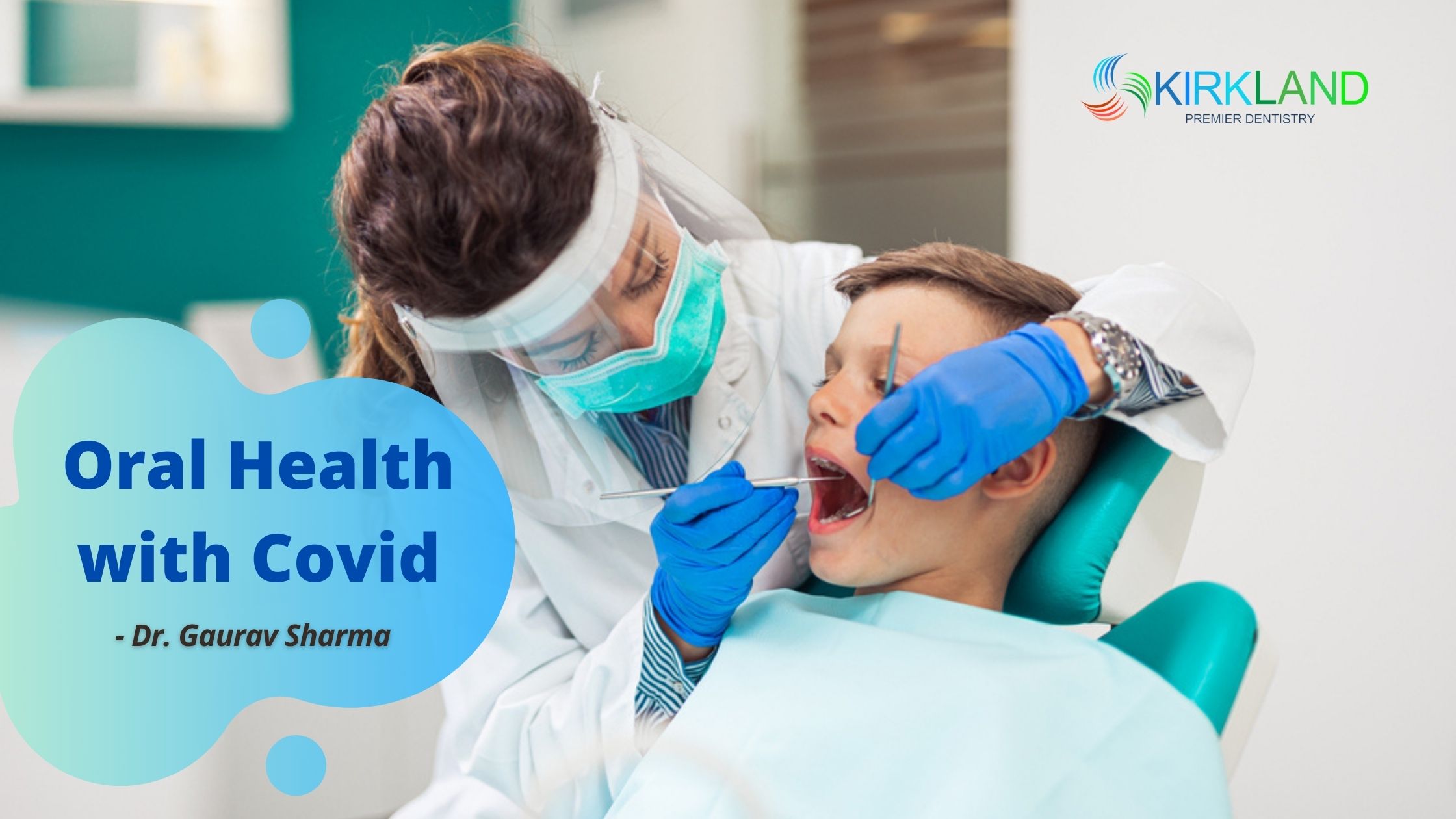
Oral Health and Covid

The covid lockdowns have led to the postponement of scheduled appointments for many.

Dentist clinics are opening their offices with the mandatory protective gear and precautions but some people are still scared to venture out. 

However, poor oral health and hygiene put you at a higher risk of severities if you contact the coronavirus infection or are exposed in other ways. 

How Important Is Oral Health in the Covid Pandemic?

We all know, that studies have linked gum disease with other systemic diseases in the body. 

Oral disorders or cavities can harbor viruses and pathogens in your mouth. Commonly the patients who face the severities from COVID-19 infection are those with elementary ailments such as obesity, diabetes, and hypertension. 

However, it is a fact that patients suffering from periodontal disease have more chances of acquiring pneumonia than other individuals. 

It may be said that promoting oral health can significantly lower the severity of the symptoms of COVID-19 and the associated morbidities.

Oral Health and General Health

Over the past few years, research has made it evident that oral health has an enormous effect on general health, and it applies to covid times even more. 

Various researches suggest that cytokines or microbial products released systemically as a consequence of gum disease cause inflammation in different organs. 

The development of systemic diseases such as Alzheimer’s, diabetes, atherosclerotic heart disease and cerebrovascular disease can get enhanced. 

Studies have also shown that poor dental health can intensify the symptoms of these diseases too.

Contrarily, obesity also puts people at risk for oral infections, particularly gingivitis and periodontitis.

Also Read: Do You Suffer From Tooth Sensitivity?

Hospitalization and Dental Problems

If an individual with an oral cavity is hospitalized due to covid, he or she is more likely to catch pneumonia-type infections compared to other healthy patients.

Oral pathogens may aggravate lung infection, especially in immunocompromised patients and seniors.

Certainly, maintaining better dental hygiene and addressing infection/cavities can lower your risk of respiratory complications that are becoming life-threatening for people in pandemic times.

Covid, The Elderly & Dental Care 

It has also been shown that improved oral hygiene and dental health maintained with regular appointments reduce the progression of lung diseases, especially for seniors who are undergoing treatment in hospitals. 

The elderly population runs the risk of developing severity due to covid if oral health is compromised.

Covid 19 and Oral Health 

The pandemic is affecting the worldwide population in harsh ways. 

Dental care is urgent many times, and delaying it can flare up the problem.

Although some cases can be dealt with via telephone consultation, often a personal visit is essential. frequent but many times it requires personal visits. 

Dental pain is one of the severest. It can interfere with normal activities of eating and sleeping.

At Kirkland Premier Dentistry, we consider pain, swelling, tooth fracture, bleeding and inflammation as dental emergencies.

We are worried about the side effects of delayed dental care. If you have any issue, contact our office and have a teleconsultation at the earliest.

Consequences of Delayed Dental Care

People with orthodontic devices or ongoing implants or cavity problems are delaying treatment and bearing with the results. However, it is not recommended.

Cavities

Unattended cavities can worsen to the stage of a root canal or you may even lose your tooth. 

Removed Tooth

After removing a tooth if the new substitute- an implant or denture is not put in the time, it causes bone loss and treatment becomes complicated in the future.

Gum Problems

Unaddressed gum diseases affect overall health and weaken the immune system as well. It can lead to inflammation, which can lower one’s immunity quite a bit.

Orthodontics

Braces and wires need regular fixing too. If there is breakage or other mishaps, it cuts through gums and causes inflammation.

Conclusion

There are various oral issues that can cause complications or intensify symptoms if you were to contact covid. Take care of dental hygiene in covid times. 

At Kirkland Premier Dentistry Dr. Gaurav Sharma has 400+ hours of Continuing education from the prestigious AAID (American Academy of Implant Dentistry)

He applies for the latest research & advances in dentistry to provide the best dental care to patients.

Even if you or your family member is isolated, we are always at your service to help in all situations. 

Stay safe, keep your smile intact and take care of oral health in covid times with brushing twice and flossing once a day at least. 

For any kind of dental emergency, feel free to contact us online or call the office.

we'd love to hear from you