Unveiling the Reasons: Why No Dairy After Dental Implant Surgery

Dental implants are commonly found as solutions for missing teeth for individuals because they provide a permanent aesthetic and pleasant look to your mouth structure. Alternatively, individuals experiencing issues with two classes of teeth also opt for dental implants. A person with a dental implant can go through minor surgery. At the same time, the routine still requires specific post-dural care for the best outcomes, and focusing on dental care after implants, you have to set in about food items, particularly avoiding dairy products, but why? Why no dairy after dental implants?

If you’ve recently undergone dental implants, you’re in the right place to find the solutions to why you don’t need any dairy products after having dental implants. May you get the best results from this article. Yes! Let’s understand closely.

What are Dental implants?

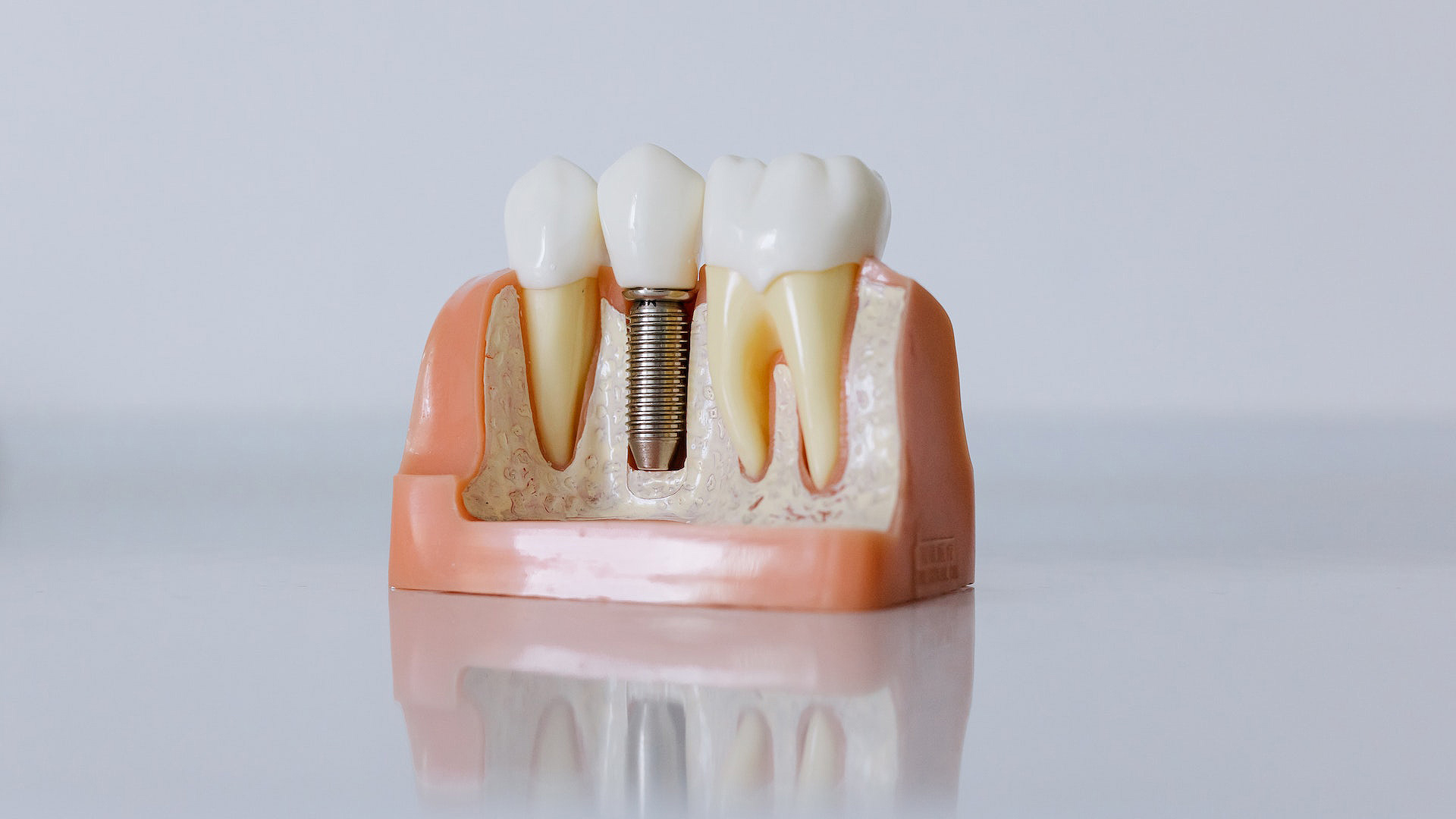
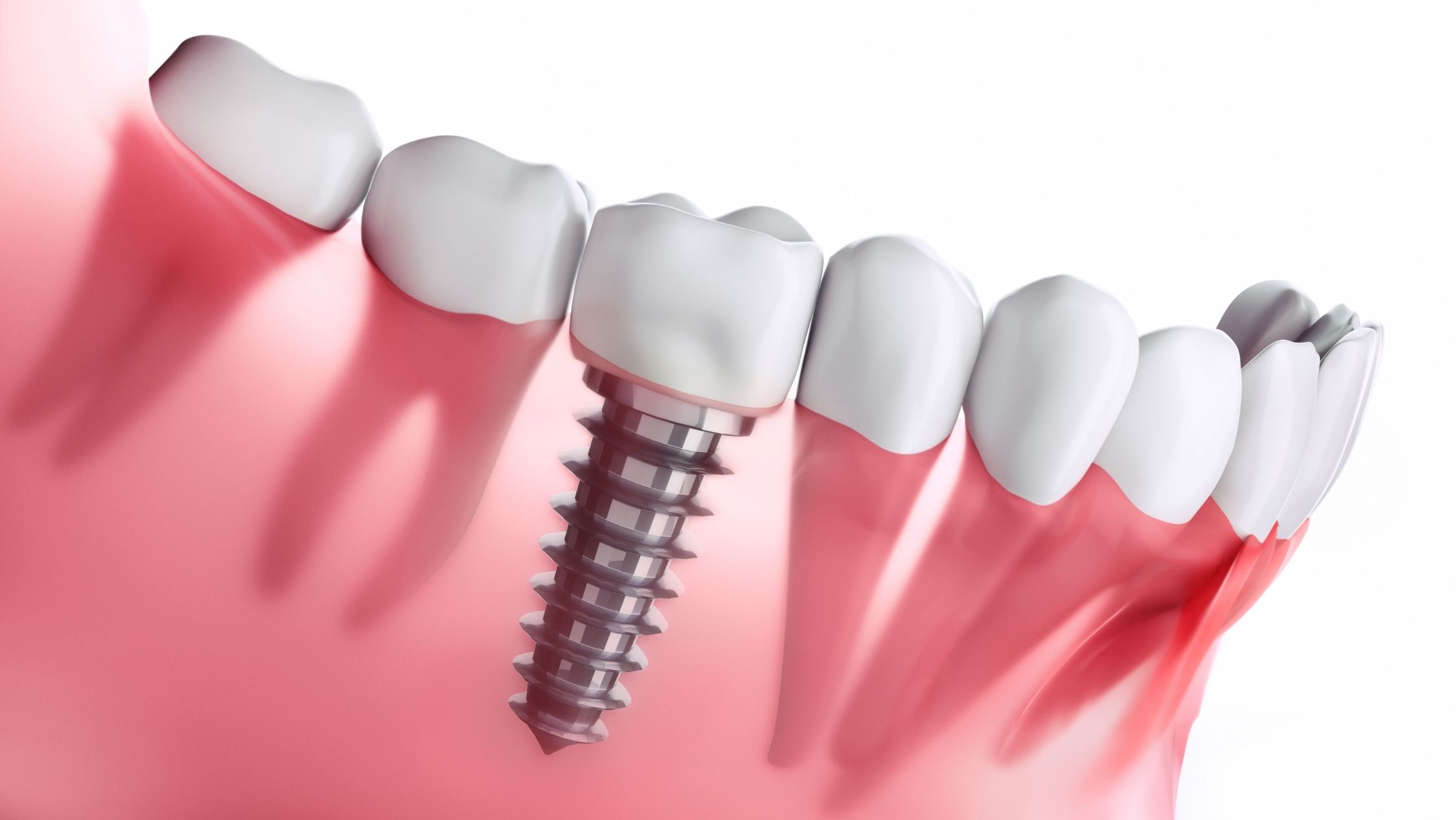
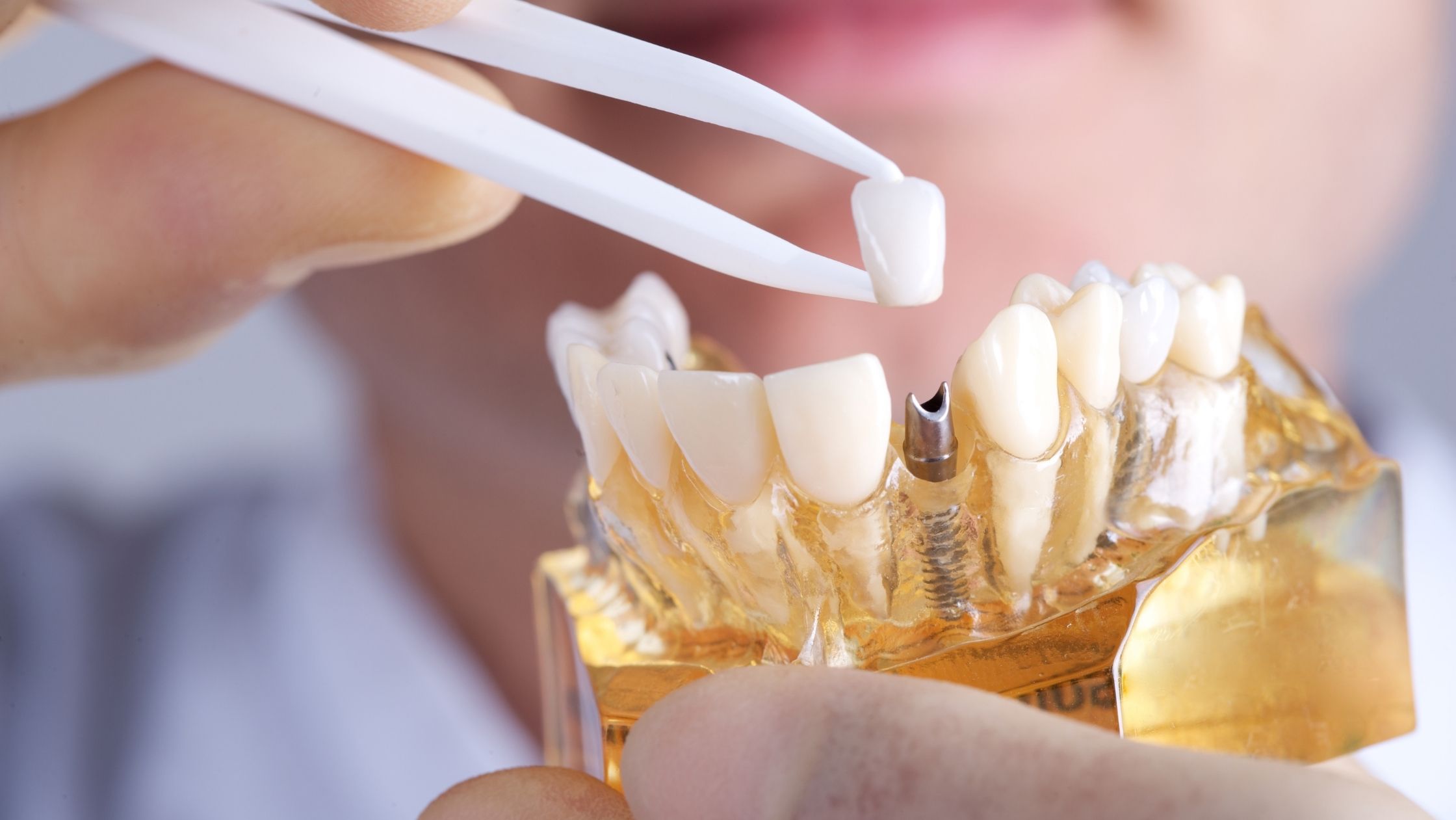
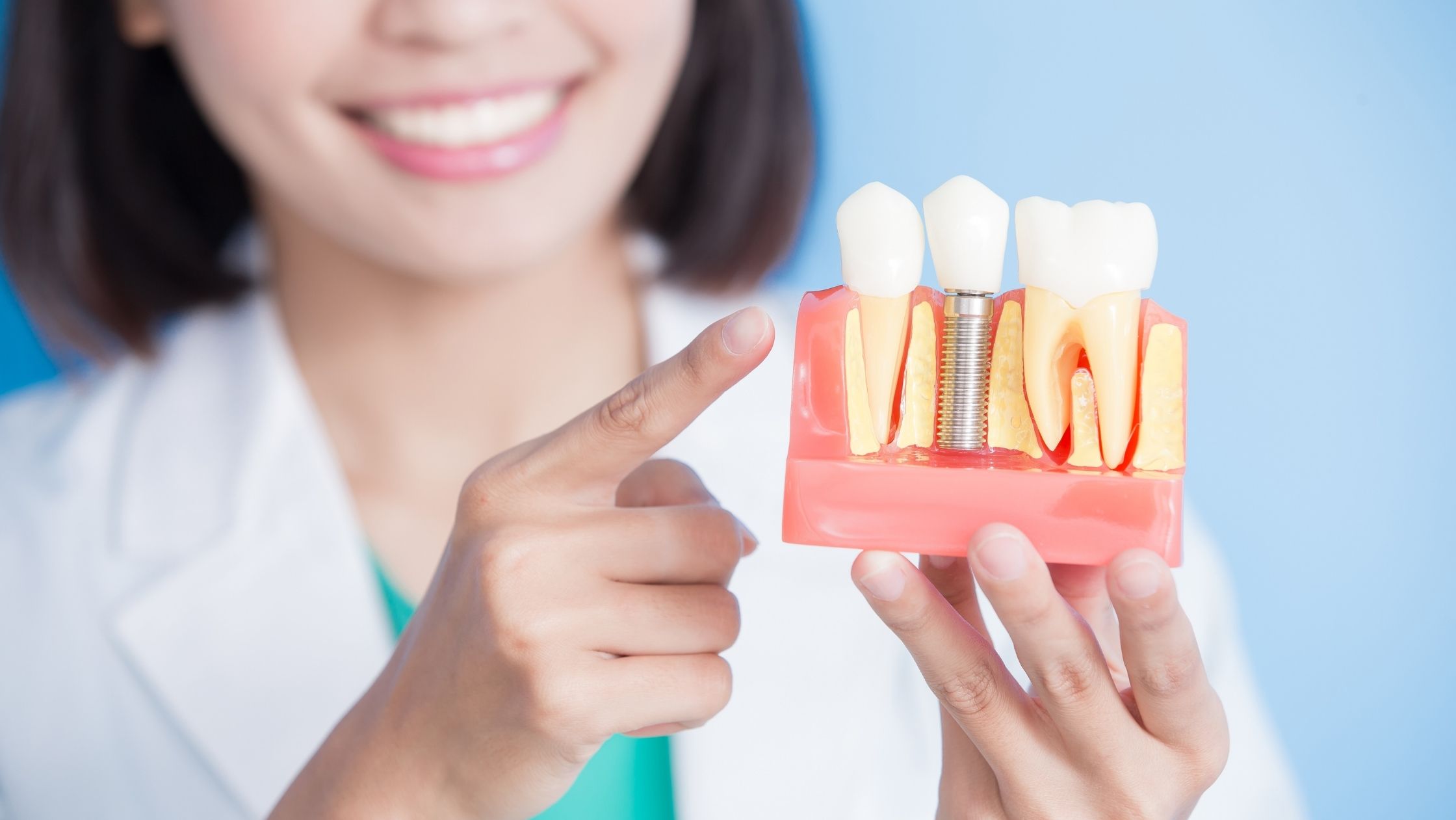
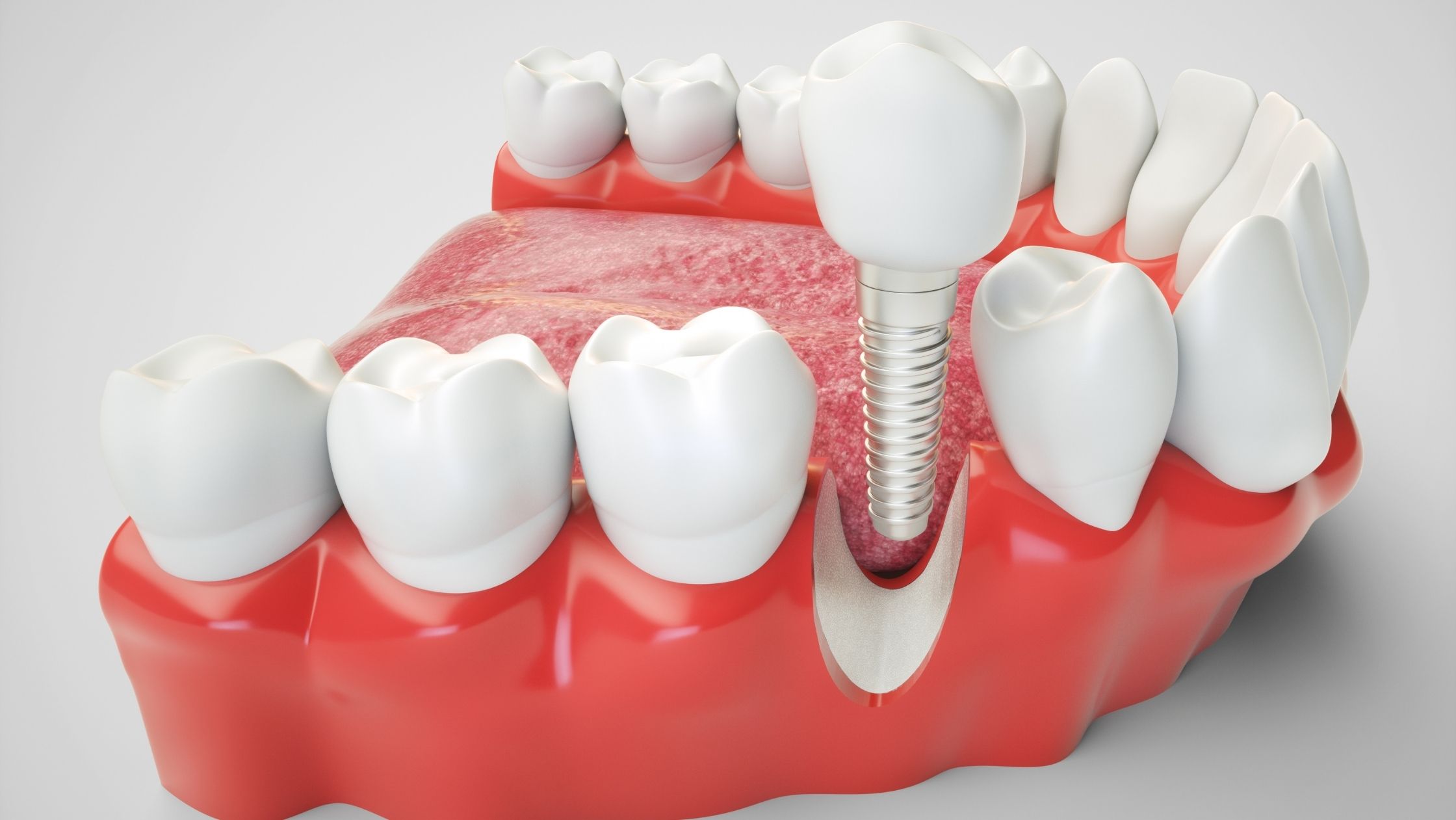
To know the complete study, we must first understand what a dental implant is. A dental implant is a permanent surgical solution for placing your missing teeth and is designed to blend it with your natural teeth. The implant consists of three parts: a small titanium post that serves as the root of the new tooth by integrating with the jaw a connector that holds the new tooth, and lastly the crown-lastly, the crown—the visible part of the tooth easily seen by the eyes.

Most of the reasons behind having a dental implant are its durability, function functionality, and aesthetic appeal. it is easier to maintain and provides good facial structure. they also prevent bone loss and offer reliable alternative dentures or bridges.

Why no dairy after dental implants?

Dairy products are healthier in terms of nutrients and proteins. No one here doubts that drinking milk is a bad option for recovery but to ensure post-procedure healing of your dental health. you must avoid dairy products because of the risk of infection and blood clotting. Let’s discuss it briefly.

  • Risk of infection – After consuming dairy products, there might be a risk of infection due to bacterial growth. dairy products, especially when left at room temperature can become breeding grounds for harmful bacteria. The same thing can happen in the mouth following surgery, potentially jeopardizing the healing process and increasing the risk of infection. Therefore, dairy products must be avoided after having a dental implant.
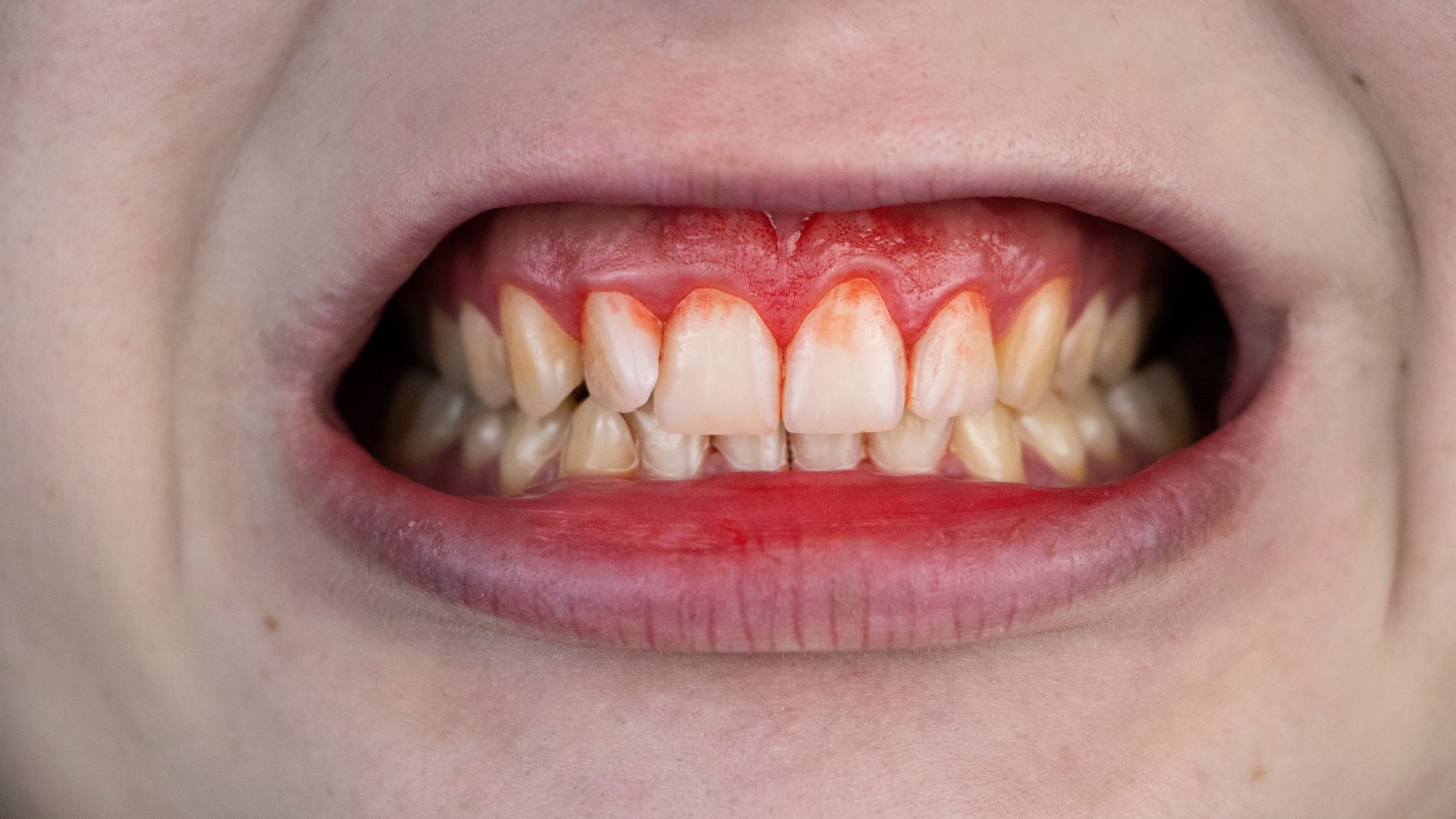
  • Blood Clotting – While chewing is often discouraged after an implant procedure to prevent unnecessary stress on the implant site, even softer dairy products like yogurt or ice Cream can disturb the implant so to prevent blood clotting you must avoid dairy products after having a dental implant.

Besides dairy what should avoid after dental implants?

  • Spicy and Acidic Foods: Consuming spicy or acidic food products could aggravate surgical sites and delay recovery timeframe. Either could increase discomfort while postponing the healing timeline.
  • Crunchy Snacks: Food with denser textures may stress implants unnecessarily and hinder their integration with your jawbone.
  • Alcohol: Too much alcohol may impede the body’s healing processes and lead to harmful side effects during recovery periods.
  • Tobacco Products: Smoking can delay healing time and increase risks such as infections.
  • Carbonated Beverages: Carbonation can create discomfort in healing environments and disrupt stability.
  • Pizza: Pizza may present unique challenges when beginning recovery, from its thick crust and sometimes difficult toppings to its unique set of ingredients; all present difficulties during its early phases. Yet, pizza also brings opportunities in this regard.
  • Rice: Particles like grains may become lodged within surgical sites and cause irritation or infection, leading to postoperative site irritation and potentially canceling surgery altogether.
  • Popcorn: When chewed up into popcorn hulls, these pieces may lodge between gum tissue healing sites, causing irritation or infection to healing gums.
  • Meat, especially Tough or Chewy Meats: Consumption of tough or chewy meat may strain an implant site and prevent full recovery.
  • Apples: Due to their dense texture and unique benefits for healing purposes, apples present unique challenges during the early healing stages.
  • Chewy Candy: Chewy candies may adhere to surgical sites and increase infection risks during critical care moments.
  • Chipped: Sharp edges on chips may irritate an implant site and result in discomfort for patients.
  • Hard and Dense Bread: Difficult bread textures may present difficulty for people with implants to chew, delaying the healing of implant sites.

What food to eat after having dental implants?

Dental recovery is the most critical phase after having dental implants. It would help if you were assured about the products you are having after dental recovery. Certain products can harm your dental recovery, so there are some excellent healthy options that you can have after having your dental surgery.

Liquid diet

In the initial stage, when you have a dental implant or surgery, you must take care of your mouth because in that stage, there is blood clotting, and you must be aware of it; so in the stage, a liquid diet must be a good option.

Liquid diet you can have

  • Vegetable Juices: Add vegetable juice to your daily health routine for a nutritional boost that supports healing from dental implants and aids recovery from surgeries. It provides essential vitamins and minerals that assist the process.
  • Stay hydrated: Adequate hydration is critical to a reasonable recovery from dental implant surgery and creates the optimal healing environment.
  • Warm Puree Soup (Not Hot): For optimal healing results when it comes to dental implant placement and restoration, choose mild soups without too much spice that are easy to swallow without straining too much on the healing implant site. These should provide nourishment without disrupting recovery processes too significantly.
  • Caffeine-Free Beverages: For optimal healing following surgery, choose caffeine-free beverages to minimize irritation at the surgical site. Herbal teas or decaf varieties offer soothing beverages during recovery.
  • Smoothies: Mixing fruit with yogurt makes smoothies an irresistibly delicious treat that is gentle on healing gums while fulfilling nutritional requirements and adding variety and zest to diets.
  • Soft Gelatin: For an additional protein boost during recovery, soft gelatin meals provide an easy-to-digest protein source that supports healing while contributing to overall nutrition balance.

You can have all those things with the help of a spoon and avoid the straw after dental implants because the sucking action can create a use impact on the surgery, and excess train through the sucking may cause a move newly from a blood clot, and it will create a delay in recovery.

Conclusion

After having a good discussion over the topic, we can say that we must avoid dairy products after having dental implants because they create a risk of infection and prevent blood clotting. There are some such good foods like a liquid diet and soft diet like good proteins we can intake after dental implants, creating sound healing procedures.

“If you have any questions related to dental implants, feel free to contact our expert dentist at Kirkland Premier Dentistry.

Five Most Common Dental Myths That Need To Be Busted

Certain factors of dental treatments and oral health are misunderstood by most people thanks to a lot of false and misleading information available all around. Some dental myths have been there for so long, having been passed down from generation to generation, that people are led to believe in them without even thinking twice.

Sticking to dental myths can cause much harm to oral health. It is important to be able to differentiate between these popular misconceptions and facts. This knowledge can go a long way in helping you maintain optimum oral health and enhance your overall well-being.

In this article Dr. Sheena Gaur a renowned dentist at Kirkland premier Dentistry removes the 5 widest misconceptions & myths based on your dental health.

Also Read: – Top 5 Clear Alignment Myths You Should Know Now

Separating Fact from Fiction: Busting Common Dental Myths

Myth 1: Teeth Whitening May Damage The Teeth

It is a common belief that teeth whitening treatments can end up damaging the tooth enamel
and exposing it to further dental problems.

However, the truth is that teeth whitening is an extremely safe procedure when done under the professional supervision of an expert dentist. Your dentist can also recommend at-home whitening kits and explain & demonstrate their proper use to you.

It is pertinent to mention here that over-the-counter teeth whitening products can contain certain acidic ingredients which can prove harmful to the enamel of your teeth. So it is always better to opt for a trusted product advised by a dentist.

Always make sure to consult your dentist before beginning any tooth whitening treatment for the appropriate product and its right use.

Myth 2: Bleeding Gums Are Normal

Inflammation of the gums can cause bleeding in them during brushing or flossing. The inflammation can be present because of several reasons like excessive plaque buildup, the beginning of gingivitis, gum disease, etc and none of these can be termed as normal. If your gums bleed while brushing or flossing, contact your dentist immediately.

Myth 3: Cavities Are caused by Sugar

People have widely continued to blame sugar as the main cause of tooth decay for ages now so much so, that it can be safely called one of the most publicly accepted myths. Though the considerable contribution of sugar in the formation of cavities cannot be denied, it’s not the sugar that is the problem.

It is actually the bacteria in your mouth that is the main cause of tooth decay. These bacteria feed on sugars and carbohydrates present in starchy and sticky foods, producing acids that attack the enamel resulting in cavities.

Rinsing and brushing after meals can help reduce acid and plaque buildup to a great extent. Make sure to visit your dentist regularly to rule out the formation of any cavities.

Myth 4: Flossing Is Not Important

Flossing like brushing is an essential part of maintaining satisfactory oral health. Flossing is an inexpensive and essential part of good oral hygiene practices. Flossing helps to remove up to 80% of plaque deposits which can promote tooth decay, if not removed.

Understandably, you may be tempted to skip flossing sometimes but it is actually one of our teeth’s primary defenses against tooth decay & gum disease.

Regular brushing cannot reach between the teeth, and without flossing, you will end up cleaning only about two-thirds of the surface area of each tooth. The bacteria left in those hard-to-reach places can cause severe issues like gum disease, decay, and pain.

Myth 5: White Teeth Are Always Healthy Teeth

Pearly white does not necessarily mean they are healthy. Cavities and infections can be present in between the pearly white teeth also. Moreover, not all teeth are always perfectly white and natural tooth color can vary from individual to individual.

However, they should be closer to white or ivory than yellow or brown. Aging can also cause discoloration and staining of the tooth but that does not necessarily imply that these teeth are unhealthy.

Dr. Sheena Gaur explains that the underlying cause of discoloration should not be left unaddressed. You must speak to your dentist if your teeth are losing their brightness and color.

Regular dental care is the best protection against tooth decay, gum disease, and other dental issues. Maintaining healthy oral habits like brushing twice a day, flossing daily, and keeping your dental checkup appointments can go a long way in protecting your teeth and making your smile last forever.

Make sure to address early signs of dental issues. Delays will only lead to more office visits and procedures. It is always advisable to nip the problem in the bud.

At Kirkland Premier Dentistry, we believe in providing the best dental care to our patients under the able guidance of our competent doctors and a trained team.

To speak to a dentist about your oral health, or to schedule an examination, Request an appointment 👇

The Advantages Of ‘All On 4’ Implant-Supported Dentures And How They Can Change Your Life

Overview 

Tooth loss can happen because of a number of reasons like an accidental impact, being in a crash, advanced stages of tooth decay, or other oral health problems. Whatever the reason, the loss of teeth can be extremely distressing and should be dealt with appropriately to restore the function of the mouth. 

Many great tooth replacement options these days give you a choice to restore your smile effectively. All-On-4 implant dentures are an incredible choice for those looking for a new type of denture or even their first pair. 

We at Kirkland Premier Dentistry have been providing our patients with the best experience possible when it comes to tooth replacements.

One of the best tooth replacement options in the market, All-On-4 implant dentures have lots of advantages over many other choices.

Also Read: – All-On-4 Dental Implants- Procedure And Recovery

What Are All-on-4 Implant-Supported Dentures?

Dentures that rest on a set of surgically placed implants in the patient’s jawbone are known as Implant-supported dentures. 

Each implant in your jawbone has an attachment that can snap into the dentures. These attachments may include sockets or dentures with bars. Easily removable, these dentures can be taken off for cleaning & also during the night while sleeping.

The All-on-4 dental implant technique requires just four implants per arch to secure a set of dentures to give you a solution to the issues created by traditional dental implants. 

Positioning implants at a strategic angle with the motive of optimizing bone-to-implant ratio, Dr. Gaurav Sharma at Kirkland Premier Dentistry performs dental implant surgery on candidates who have less jawbone density which is not feasible with traditional implants. With a quicker and more efficient procedure, the experience is relatively more comfortable and delivers excellent results.

Who is the right candidate for All On 4 Dental Implants? 

Used to fix dentures on the upper arch, the lower arch, or both arches, depending on the needs of the patient, the All-on-4 implants treatment is considered ideal for both existing denture wearers and also the patients who want the dentures fitted for the first time. 

Patients who already wear dentures make especially good candidates for the procedure as unlike traditional dentures, All-on-4 implant-supported dentures do not slip or shift out of place, giving them more comfort. 

The treatment restores their ability to chew, speak, and smile with restored comfort and confidence.

To be able to get All-on-4 implant-supported dentures, one should 

  • be missing most or all of their teeth on one or both arches 
  • be in good overall health to endure surgery 
  • be a nonsmoker or avoid smoking while recovering 
  • have a reasonable jawbone density 

What Are The Advantages Of All-on-4 Implant Supported Dentures?

Improved Stability 

Being anchored to the jawbone instead of resting on implant-supported supported dentures offer you much more stability as compared to traditional dentures, allowing the patients to enjoy their favorite foods. You don’t need to avoid chewy or crunchy foods which are not possible with traditional dentures as there is always a fear of their slipping or sliding around the mouth.

Moreover, the speech can also be impacted by traditional dentures because there is always a chance of their shifting

but dentures with implants allow the patient to speak with greater ease. 

Improve Quality Of Life 

Having a set of dentures that will fit properly can improve a patient’s quality of life because it boosts the patient’s self-esteem. These dentures allow patients to have smiles that are attractive and comfortable. The dentures also provide a functional smile, allowing patients to eat a wide variety of different types of foods. 

Improve Oral Health 

Traditional dentures can begin to eventually wear down the gum tissues in a patient’s mouth. Whereas, implant-supported dentures not being supported by the gums, do not wear down parts of the patient’s mouth protecting the overall oral health.

Confident Smile always 

All-on-4 dental implants can virtually last a lifetime with adequate oral care and hygiene giving you a confident smile that lasts forever. All-on-4 Implant-supported dentures will not need to be adjusted as often as traditional dentures. Because the jaw will retain its shape, the implant-supported dentures will continue to fit properly.

Enhanced Appearance 

Without the roots to stimulate the bone of the jaw, the jaw gradually loses its bone density causing your facial structure to collapse. All-On-4 implant-supported dentures can help to improve your face aesthetics to a large extent as implants act as replacement roots for the teeth and help to stimulate and retain the jawbone, preventing your facial structure from collapsing down and giving a hollow look. 

Dentures without implants can make you lose bone much faster whereas dental implants help you retain this bone & your youthful appearance giving you fewer wrinkles and a dashing smile. 

Cost Effective 

All-On-4 procedure requires only four dental implants to support the dentures, so it’s generally less expensive than the other implant denture options that require six to eight dental implants per arch to support the replacement teeth. All-On-4 is likely the most cost-effective implant denture option available. 

Quick Results 

All-On-4 implants offer immediate results. Most of the dental implant options require a bone graft followed by a healing time before you can get the implant surgery, lengthening the process by months. However,  the All-On-4 implant is designed to put an end to the need for a bone graft in most patients. Placed at a strategic angle, these implants can support your replacement teeth with relatively less jawbone. Temporary dentures are provided after the implant surgery until you heal and your permanent restorations are ready.

A single appointment can give you a brand-new smile and a comfortable, secure fit.

Bottomline 

Implant-supported dentures are an effective way to replace your missing teeth and restore both your smile and confidence. Implants not only help you maintain your bone density but also help to keep your dentures stable.

These dentures do not need to be adjusted often and thus can save you much time in the long run.  Dr. Gaurav Sharma has been helping many patients smile with ease and confidence with All-in-4 implant-supported dentures.

A single appointment with Dr. Sharma can resolve all your apprehensions and questions about the best implant-supported option for your case. 

Take the first step towards getting your implant-supported dentures today by booking an appointment with Dr. Gaurav Sharma at Kirkland Premier Dentistry. Our clinic is fully equipped with all the latest techniques and equipment. You can relax with ease as our compassionate and expert staff takes charge of your smile
Dental Implants and who should go for it.

The missing teeth not only affect appearance but also affect speech and eating habits. In addition, several people feel quite embarrassed when many of their teeth are missing. The humiliation also affects their speech as well as their self-confidence.

Many still think there are no good and viable solutions for missing teeth. As a result, they opt for temporary solutions like bridges.

Temporary bridges do not require any surgery. Still, people using temporary bridges as a solution to the missing teeth are usually not at peace. Why? The bridge is never comfortable because it is loose. Sometimes it slips out all of a sudden when eating food or having a conversation with someone. Moreover, they can be highly embarrassing if it happens in front of a lot of people.

Therefore, dentists suggest people opt for dental implants over other solutions. One major reason is that implants look very much like natural teeth. Plus, maintaining them is highly easy.

Who should go for dental implants?

Whether you have lost your teeth due to age or some accident, you can opt for dental implants to recover your smile back. The best thing is that you can replace one or all of your teeth. One can have them in place of dentures or bridges. However, ideal candidates are those who have healthy gums and the ones whose jawbones are no longer growing. Also, one should have enough bone so that it can properly support and anchor the dental implants.

Benefits of dental implants

Permanent solution

Dental implants are popular among people because they are a permanent solution. The dentist will install the implant in your jawbone. As you recover, the implant becomes highly strong and unbudging.

Since a dental implant is quite a critical treatment, it’s recommended to choose the best dentist for that. If the installation procedure doesn’t go well, you may face adverse effects.

Reliable option

If you want to enjoy your favorite food without any restrictions and fear, then dental implants are your best bet. It doesn’t involve putting an awkward wire in your mouth, so it’s more comfortable.

Also, the implants do not hurt your bone, gums, or remaining natural teeth. Over time, your replaced teeth turn strong!

Dental implants are low-maintenance

On a hunt for a permanent solution that is low-maintenance? Go for dental implants because all they need is a good oral hygiene routine to last a really long time! But what does a good routine include? Well, flossing, brushing your teeth two times a day, and using a good mouthwash. That’s it!

So, what are you waiting for?

Book your appointment with Kirkland Premier Dentistry today!

Is Molar Implant Right for You?

Introduction 

Our molars ensure that we chew food properly so that it can be easily swallowed and digested. This makes them very important and losing even one of them can be troublesome. 

These days Dental implants are the most popular method to conserve the quality of the jawbone and the most preferred way to replace missing teeth.

A missing molar can be replaced by a molar implant, but many people are not sure if it’s the right option for them. In this article, we have tried to make it easy for you to give an insight into the pros and cons of molar implants. 

Understanding Molar Implants

All molar implants are dental implants, but not all implants are meant for molars due to the function performed by molars in the mouth.

If set properly and taken care of, Implants can last a decade or longer. But implants aren’t the only option available to replace missing teeth, so it becomes important to understand their significance.

Molars lend a great amount of support to the jaw and also assist in eating the foods that are hard and need to be ground and mashed.

Multiple missing molars can often force one to swap to softer foods. 

Besides adversely affecting one’s ability to chew, a missing back molar can also dampen one’s self-esteem and hinder their confident smile.

It might also cause other teeth to move from their correct positions to fill in the empty gap left behind by the missing molars.

Patients with a missing rear molar would sooner or later want to opt for tooth replacement choices, with a dental implant being one of the most preferred alternatives to have an artificial tooth that is not only functional but also aesthetically pleasing.

An implant is usually a good choice for a single missing molar. 

What are Dental Implants?

Consisting of three main pieces: screw, abutment and crown, Dental implants are the only available tooth replacement option that includes an artificial tooth that is made of titanium and looks like a tiny screw. 

The abutment acts as an anchor for the crown and the screw as a tooth root.

The implant fuses with the bone upon being placed in the jawbone, in a process called osseointegration. This process ensures the success of the implant as the jawbone must totally fuse or bond with the artificial root to make the replacement tooth strong, tough and long-lasting.

The adequate bonding of the implant with the bone is significant for stimulating the bone in the jaw too, preventing it from deteriorating and shrinking further.

When you chew with the implant, the implant’s root stimulates the bone for proper regeneration.

The jawbone will otherwise slowly shrink, in the absence of the root, ultimately changing the shape of the face and how the jaws fit together. 

Preservation of the jawbone is one of the biggest benefits of replacing missing teeth with dental implants. People with missing back molars should consult a dentist who provides dental implants.

The back molars help to chew food correctly, which may create excess pressure on the front teeth while eating, in their absence.

Dental implants are undoubtedly the best way to protect the integrity of the jawbone while also being the most natural way to replace missing teeth. 

The molars located in the interior of the mouth are the second molars that come in around the age of twelve.

These molars are extracted because of inadequate space in the majority of people. Essential for better chewing, the second molars also help to maintain the adequate health of the jawbone and remaining teeth.

Though people with no second molars may also be able to chew comfortably, it creates problems like gum disease, tooth decay, trauma, etc in the long run.

Also Read: How to Clean Stained Invisalign Trays

Dental Implant Process Timeline

An implant procedure is a time-consuming process involving various steps:

  1. An examination is conducted by the dentist to discern the possibility of successful implants.
  1. Images of the area are taken to check the shape of teeth for the crown, the density of the jawbone, and risk if any to the surrounding teeth.
  1. Sometimes extractions need to be performed before an implant can be placed. In such cases, recovery time may be needed between the initial examination and the screw implantation.
  1. The screw is implanted by the oral surgeon around which the bone grows and integrates with it. This is a four to six months-long process. Patients may sometimes have issues with their bone density owing to age, illness, or certain genetic conditions. These patients are ideal candidates for bone grafts. For the patients requiring a bone graft, the process may take even more time. 
  1. After the integration of the screw has taken place, a crown is attached to complete the procedure. 

Dr. Gaurav Sharma at Kirkland Premier Dentistry explains that after the dental implant process is over and the crown has been placed, the surrounding bone forms a connection with the titanium surface of the implant, allowing the implant to function in the same way as a natural tooth root does, making an implant-supported crown a more stable and functional option for effective restoration of the missing back molars.

Dental Implants and Molars

Besides facing extra pressure from the type of bite force they face, the molars also are larger than the incisors and canines.

The recovery time taken by implanted molars to ensure strong osseointegration is usually longer.

The implants called subperiosteal, which are placed above the jawline in the gums, work very well for front teeth but cannot hold as strongly as the dental implant of a molar. Endosteal implants are required for this particular purpose. 

Inserted as a part of a system, molar implants work very well. For example, a single molar implant has more likelihood of holding without complication than several put together, including side by side and top/bottom of the mouth.

In case there are two or more teeth gaps, then the dentists usually recommend partial dentures or bridges.

Moreover, the longer the period that has passed since an extraction, the more the chance of the deterioration of the gum and jawbone.

The mouth being a complex system, each weak part faces the risks of deterioration that can cause damage to the nearby systems.

For a gap that has been there for ten years, an implant procedure is possible but the results depend primarily on the bone density and the condition of the gums.

The possibility of the procedure also requires some investigations such as a CT scan etc.

A skilled and experienced oral surgeon or a restorative dentist like Dr. Gaurav Sharma will be well aware of the conditions that affect the success of the implantation and will make sure to review all options and success rates based on the individual circumstances.

Who is a Good Candidate For Dental Implants?

The factors that help to make one the right candidate for dental implants include:

  • Good overall & oral health
  • Absence of immune system disorders
  • One should be free from diabetes
  • Being a non-tobacco user
  • Good jawbone health
  • Absence of a gum disease

Bottom Line

Dental implants are undoubtedly the best option to restore lost back molars because they not only function and appear just like natural teeth but also provide a natural and functional tooth. Replacing missing back molars ensures the well-being and safety of your remaining teeth too.  

To learn more about molar implants that can be well suitable for your mouth, call for an appointment at Kirkland Premier Dentistry where Dr. Gaurav Sharma has a wide experience in Molar Replacement Surgeries and can suggest to you the best way to ensure a healthy smile!

Dental Implants and Gum Disease- Things You Should Know About

Introduction

Gum disease or periodontal disease can many times result in tooth loss if left untreated.

This leads many people to wonder if they can get dental implants. Sometimes the patients who do not develop the advanced form of the gum disease, known as periodontitis, may also want to replace missing or decayed teeth with dental implants, and they are also left wondering about its viability.


Will You Lose Your Teeth If You Have Gum Disease?

Gum or periodontal disease is a leading cause of tooth loss in adults. However, it is not necessary that one will lose a tooth with gum disease.

But it is better if this issue is addressed as soon as possible as there are treatments available and habits that can be acquired to reverse the infection & avoid tooth loss.

Tooth loss is a result of severe damage to the soft tissue of the gums as this lack of healthy soft tissue allows bacteria to move deeper into the mouth and destroy the bone that supports teeth.

However, tooth loss is considered the worst-case scenario for periodontal disease and one must do their best to avoid getting to this stage of infection.

Contact Kirkland Premier Dentistry immediately if you notice that your teeth feel loose.


What is Gum Disease?

Periodontitis or periodontal disease commonly known as gum disease is a serious infection of the gums, which is quite common.

The bacteria-filled plaque sticking to and building up around the gum line is the main cause of this disease.

The leading cause of tooth loss in adults, gum disease is also associated with an increased risk of heart attack, stroke, and coronary artery disease, and affects other health issues like diabetes and even certain types of cancer.

The most common symptoms of gum disease include:

  • Gums that are red, swollen and bleed easily
  • Receding gum line
  • Pus between the teeth
  • Loose feeling in the teeth 

Sometimes it is also possible that one has a periodontal disease but no warning signs or symptoms. 

Thus practicing good dental hygiene habits, and visiting the dentist at least twice a year is recommended.

The sooner the disease is spotted, the better it is to help fight it promptly and stop negative outcomes like receding gums or worse or losing teeth.

See Also: Types of Gums Disease and their Treatment


What are Implants?

Dental implants are the best method for replacing one or more missing or damaged teeth.

An implant is placed in the mouth and it acts as the root of the tooth. A dental crown, dental bridge, or another type of natural-looking restoration is put on top giving the patient the look and benefit of the natural tooth.

This procedure has many benefits including:

  • Prevention of bone loss
  • Helps in adding stability and durability
  • Allows one to chew and speak more easily
  • Has a completely natural look


Dental Implants Require Healthy Gums

Consisting of a titanium steel root that is inserted directly into the jawbone to replace the missing tooth, dental implants look and act like real teeth. 

The implant is allowed to heal for a period of between four and six months after it is implanted.

The artificial root during healing fuses to the jawbone via a process called osseointegration.

The success of the overall procedure largely depends on this first step. The implant that does not fuse, can fall out, like the natural teeth. 

There may be a few different reasons for the failure of Dental Implants. However, with periodontal or gum disease, there are two major concerns

  • The implant needs underlying bone matter wide and thick enough to support the artificial titanium root. However, if the gum disease has advanced to the point where the jawbone is deteriorating, the root may not get that support.
  • The gums need to surround the root and lower crown of the implants just like natural teeth but gum disease can repeatedly eat away at the gums and in this case, the implant would not receive the proper support.


Can You Get Dental Implants if You Have Gum Disease?

There is a very simple answer to this question and that is ‘No’. 

Patients with any stage of gum disease can mostly qualify for dental implants.

However, as one needs healthy, strong gums to get a dental implant and the gum disease weakens and dissolves this tissue and bone, they might need to undergo certain treatments and procedures for that.

For patients with mild to moderate cases of gum disease, the disease may simply need to be brought under control through frequent dental cleanings and a strict oral hygiene routine.

Dr. Gaurav Sharma at Kirkland Premier Dentistry recommends that Certain food habits or substances that may interfere with the healing process, such as smoking, chewing tobacco or drinking alcohol, also need to be avoided.

After the clearing up of the disease, under the treatment of the dentist, the oral surgeon ascertains if the mouth is ready for implants.

For the patients where the gum disease was very advanced, the oral surgeon may also decide if bone or gum grafting is necessary before the process. 

During Bone Grafting, the Bone structure is built back up via the use of donor bone or bone from another area of the patient’s body, such as the hip, jaw, or tibia whereas the gum recession is corrected with the use of healthy tissue from the roof of the mouth through gum grafting.


Conclusion

Gum disease if not managed on time can be a major cause of root loss. Not everyone with gum disease may be a candidate for dental implants.

However, with the proper dental care and after undergoing certain procedures, most people can benefit from dental implants

If you have gum disease or have experienced tooth loss due to it, contact Kirkland Premier dentistry about your tooth replacement options.

Dr. Gaurav Sharma has been adding healthy smiles to the lives of many patients with various stages of gum disease through Dental Implants

Request an appointment online or call Kirkland Premier Dentistry for an appointment.

Everything You Need to Know About All-On-X Dental Implants?

What are All-on-X Dental Implants?

One of the most important discoveries in dental history, dental implants have changed the way people view dental restoration. The All-on-X procedure takes dental implants to the next level. 

In order to understand All-on-X implants, it is important to understand how dental implants work.

The procedure of dental implant placement consists of replacing the missing or damaged tooth with an implant that is made of either Titanium or ceramic.

The missing tooth crown is then replaced with a crown using an abutment, which connects the crown with the screw. 

The All-on-X dental implants allow patients to replace multiple missing or damaged teeth at the same time. 

What is the Procedure for All-on-X implants?

A trained dentist uses computer-guided surgery to determine the best locations for implants and inserts them into the bone. 

A temporary denture is usually inserted so that one can smile and eat normally while the natural bone heals and grows around the implants, just like it would around a natural tooth.

This process usually takes a few months, and then a full-arch denture is fitted and permanently secured to the implants.

A dental bridge anchored by 4 implants that can be placed in the top or bottom teeth is used in the All-on-X process, positioning the implants within the jawbone at the same time.

So, just four implants are needed to replace multiple missing teeth. Being made of titanium, the implant can fuse to the bone, becoming a part of the jawbone. 

Also Read: How to Prevent an Infection After Dental Implants

What are the Advantages of All-on-X Dental Implants

Can Last Much Longer

Much different from traditional crowns, titanium implants are designed to last a lifetime and to support zirconia implant crowns.

Being the most durable material used in implant dentistry, Zirconia is also chosen for its aesthetics. Zirconia crowns not only look great but also no one can tell the difference.

Time Effective

A cost-efficient and minimally invasive method All-on-X dental implants restore both the function of the mouth and the confidence that comes with a beautiful smile.

Moreover, one can leave the office with a temporarily fixed, full-arch denture the very day of treatment!

Bone Grafts Are Not Necessary

Because of the use of computer-guided technology during the procedure, the dentist can see where the highest levels of bone are without the need for bone grafting, saving patients the expense and recovery time.

Moreover, skipping this invasive treatment helps in faster healing with much less complication.

Along with restoring the beauty of the smile All-on-X implants help to prevent further bone loss as they act as a scaffold that supports the existing bone giving it something to hold on to. 

Cost-Effective

The cost of the fabrication of the prosthesis is relatively lower and moreover, the cost of repair is minimal as repairs can be easily achieved with repair resin which is added to the defects or areas of concern.

So the patient is not effected without the prosthesis for any length of time as there is no need to send the denture to the laboratory for repair.

Maintenance of All-on-X Dental Implants?

All-on-x does not affect speech or eating abilities. One can eat and drink normally and speak as clearly as with natural teeth after the implants are inserted.  

Brushing twice a day and flossing regularly are important to maintain the health of the implants.

Keeping a regular professional maintenance schedule with the dentist is also important as it allows the dentist to inspect all the pieces of the All-on-X implant system and regularly evaluate bone levels to make sure everything is in the right shape.

Conclusion

The All-on-X technique is a great option for those who are looking for Multiple teeth restoration.

The technique uses four or more, strategically placed dental implants that allow a full-arch denture to be securely and permanently placed over them.

The patients are able to eat normally and speak clearly after getting these implants. 

Dr. Gaurav Sharma at Kirkland Premier Dentistry emphasizes the importance of choosing a competent dental surgeon for the procedure.

Regular checkups and maintaining good oral habits can go a long way in preserving your smile after you get All-on-X implants!

Full Mouth Dental Implants- Types and Procedure

Even today, many adults face the problem of losing a whole arch or several teeth.

A few years back, the only solution for this issue was full-removable dentures that were inconvenient and not functional.

Full Mouth Dental Implants are one of the most remarkable methods to replace missing teeth.

Replacing the original roots in the gum and adding a crown on top can help restore the function of the teeth. 

Dental implants are a good option for one or two missing teeth, but when someone has all or most of them missing, it can be resolved by an innovative solution known as ‘Full Mouth Dental Implants‘.

Dr. Gaurav Sharma at Kirkland Premier Dentistry explains, “A permanent replacement for missing teeth along with achieving a natural look and dignified smile can be made possible through this solution.

One of the best ways of a full-scale mouth restoration is to provide a lasting, safer, and more comfortable solution for tooth loss.”

What are Full Mouth Dental Implants, and How Do They Work?

A permanent solution for several missing teeth or full-arch loss, full-mouth dental implants provide a natural smile while conserving the gums and jaw bone structure. They are quite similar to single-tooth implants. 

Four to eight implants per row of teeth are fixed in the gum to sustain the tooth.

The implants take the place of the roots, blending with the jawbones. Upon healing, the dentist places replacement teeth on the implant anchors.

The replacement teeth may consist of a dental bridge or custom-made dentures.

What Are The Types Of Full Mouth Dental Implants?

Full-mouth dental implants can be of various types and may use anywhere between 2 and 6 dental implants to support the full-arch:

1. All-On-4 Full Dental Implants

All Four dental implants are used for every row of teeth. Two straight plus two angled implants are placed to support the crowns. The process is completed by fixing the replacement teeth on the implants.

2. All-On-Six Dental Implants

All-on-six implants help to provide a firmer bite and support. However, this treatment is not possible in patients who do not have much bone structure left.

3. Zirconia Bridges

Six to eight dental implants are used to accommodate the teeth. It is considered one of the most reliable options.

4. Traditional Removable Prosthetics

These prosthetics can be retained by the implants, where two implants hold them in place but are supported by gums, or they can be implant-supported, where four or more implants attach to the denture and barely touch the gums. These are usually a less stable option.

5. Full-Implants No-Denture

A fairly less common and more expensive option, their prerequisite is having enough gum and bone structure to support one implant per tooth.

A teeth bridge without gum stimulation is then fixated on top for a permanent restoration.

Also Read:- What Are the Benefits of Full Mouth Dental Implants?

Full Mouth Dental Implant Procedure Steps By Steps

The treatment of full-mouth dental implants is an outpatient procedure. It is generally considered an invasive procedure with several surgical interventions needed to implant the roots. 

1. Diagnosis

The dentist takes X-rays to determine the bone strength, ascertain the situation, and plan the best solution.

2. Implantation Surgery

The number of implants that are needed is inserted in the form of a titanium screw into the gum and jawbone. They act as new tooth “roots.”

3. Placing the Crown

After the jawbone and gum have healed, an abutment or connector is placed on top of the titanium screw.

After this, the last component, the new tooth crown, goes into place, giving a permanent new tooth that is as stable as a natural tooth.

4. Readjustment

The dentist may sometimes re-adjust the implants until they are in the right place and have appropriate tightness within 24 hours.  

5. Recovery Period and Checkups

The first six months after getting the implants are most crucial. This is when the teeth become stable, and the implants are fixed. Several appointments may be needed till the implants have fully healed.

In Conclusion

Full arch dental implants are a great choice if one is missing many teeth, as they can act as a permanent solution while maintaining facial aesthetics.

Prompt action can help one save more teeth and money, so if you are experiencing multiple tooth losses, which is diminishing your self-esteem, then you must book an appointment with Dr Gaurav Sharma today, who, with his expertise and experience, has been working towards fixing people’s smiles forever.

Gaurav Sharma has more than 400 hours of continuing education credits for dental implant training, so you can be sure you are safe.

All On 4 Dental Implants- Why Are They Better?

What is All on 4 Dental Implants?

A revolutionary approach to solving the issue of numerous missing teeth of a patient to restore full function All on 4 Dental Implants has many benefits.

Loss of teeth can happen due to many factors like an accidental impact, advanced stages of tooth decay, or other oral health problems.

Whatever the cause, tooth loss can give rise to many issues like affecting speech and chewing abilities. It can also hamper the self-esteem of the person.

Patients with missing teeth usually have moderate to advanced bone loss in either the upper jaw, lower jaw, or both. 

Conventional dentures are one of the most popular methods used to treat them because they are not eligible to receive fixed bridges or removable implant-supported prostheses due to insufficient bone structure, jaw nerve positions, and other challenges. 

These difficulties with bridges and prostheses have inspired dentists to create All-on-4  dental implants, also known as hybrid dentures.

These implants allow for the placement of four to six implants per arch, two vertically in the front of the mouth, and two to three at an angle in the back of the mouth.

This helps to maximize the uses of the existing structure and also encourages bone regeneration.

Moreover, there is no need for difficult procedures like nerve repositioning and bone grafts.

Why All-on-4 Is A Better Option Than Traditional Implants

Conventional styles of dentures simply sit on top of the gums and have many shortcomings like premature loosening of denture adhesives resulting in dentures separating from the gums unexpectedly.

Likewise, the strength of the denture adhesive can limit the eating options of the patients, preventing them from enjoying many of their favorite foods.

Moreover, traditional dentures can also lead to gradual loss of bone density, a consequence of the absence of teeth from the jaw.

Pressure is exerted on the bone when a tooth is in place in the jaw, by the natural movements of the mouth, such as eating. 

This pressure results in stimulation of the growth and strengthening of the area by increasing the density of the jawbones.

When there is tooth loss,  this pressure is reduced, thus the bones gradually lose density and strength over time.

The secure adhesion of All-on-4 implants offers a superior result in all of these respects, as this method directly embeds the anchoring dental implants into the jawbone, providing the same stimulation as natural teeth to prevent the loss of bone density and maintain the strength of the jawbone.

Also Read: All About Mini Dental Implants: Benefits, Procedure, Care, Recovery

Benefits of All-on-4 Dental Implants

The other benefits of All on 4 Implants include:

Immediate Function

Patients can enjoy the benefits of this implant immediately as the implants bond with the jawbone immediately, creating stability and allowing the patient to return to their regular activities within a few days. 

Easy to Clean

The care of the All on 4 dental implants is relatively simple and similar to the natural teeth.

All-on-4 implants are not vulnerable to tooth decay. However, it is still significant to take adequate care of them because they can develop plaque.

One should also be cautious of not using implants for activities outside of chewing food and speaking, like opening bags or bottles.

Less Need for Bone Grafts

The traditional implants require a bone graft procedure where a new piece of bone is placed in the area where the bone needs healing.

However, most of the patients who receive All-on-4 implants do not require bone grafts because these can utilize the areas with denser bone.

Less Expensive Treatment Option in Kirkland

The traditional implants involve the expenditure of expensive prosthetics as well as the cost of the additional treatment time taken to prepare them.

Thus compared to the alternatives like traditional implants, All-on-4 implants are usually a more affordable option for replacing multiple missing teeth.

Less Complex All on 4 Dental Implants Surgery in Kirkland

Traditional implants need almost 20 implants on the upper and lower arches, often requiring bone grafts and sinus augmentation.

It also takes between three to six months for the gums to heal after traditional implant surgery and for the implants to integrate with the jawbone acting as a replacement for the missing tooth.

A second surgery is interactive to attach the dental crown to the abutment. 

Whereas the All-on-4 implants are a minimally invasive treatment that utilizes four separate implants.

This makes even patients with a significant jawbone loss a good candidate for the procedure.

Conclusion

Dr. Gaurav Sharma at Kirkland Dentistry says All-on-4 dental implants are a revolution that can benefit people with tooth loss, permanent restoration of teeth without the bone grafts and multiple processes.

Dr. Gaurav Sharma has 400+ hours of Continuing education from the prestigious AAID (American Academy of Implant Dentistry).

It’s a relatively quick procedure than the traditional implants with great results. 

Thus, All-on-4 implants offer the best technique to achieve the patient’s smile, and aesthetics and restore functionality in an affordable way. 

However, a consultation with a competent oral surgeon is important for an accurate assessment of a patient’s eligibility for these implants. For an appointment with Dr. Gaurav Sharma, Book your appointment here.

Are Dental Implants Painful?

Introduction

One of the most reliable and long-lasting ways to replace missing teeth, Dental Implants have become a popular choice for those wanting to restore their teeth.

The Dental Implants surgery involves opening up the tissue in the mouth and drilling one or more titanium rods into the bone underneath the gums, providing a permanent root for a replacement false tooth.

It is a surgery and thus is inclined to cause at least some amount of pain and discomfort.

Most dental patients are worried about the level of pain they may experience after the surgery and how long it will last.

Many patients are nervous about getting a dental implant due to fear of the pain, which is quite natural.

Though the fear of pain is understandable, modern-day technologies and procedures have made a massive improvement in pain management.


Dental Implant Surgery- A Brief Overview

Dental Implants involve the removal of the tooth, insertion of an implant rod or a screw, and insertion of the replacement tooth. All these procedures are usually spaced far apart.

After the natural tooth is removed and before an implant is placed, the area is prepared with a bone graft, to encourage the production of new bone, which helps strengthen the jawbone and ensures the proper integration of the implant with the bone.

During dental implant surgery, a hole is drilled into the jawbone by the dental surgeon and a metal post is placed into this hole.

The metal post then works as an artificial tooth root. This post needs time to integrate into the jaw bone to allow the bone to grow through it.

The whole process which is essential for a healthy and stable implant may often take months.

The component to which the dental crown is attached is called an Abutment and it is usually not placed on the post until the integration is complete.

A minor surgery might sometimes be needed to place the abutment.

This may also cause some bleeding and swelling, but the pain from this surgery is quite less than the pain experienced after placing the metal post.


Does Dental Implant Surgery Hurt?

Dental Implant Surgery implies trauma to both the gums and the jaw and can cause some pain and discomfort like any other surgery.

However, every patient has different pain tolerance and reacts differently to the pain.

Modern techniques and advanced pain management can help one get a practically pain-free treatment.

The procedure of Dental Implant involves anaesthesia, so one shouldn’t feel any pain during dental implant surgery.

This includes local anaesthesia, and may sometimes include extra sedation or general anaesthesia to reduce both pain and anxiety.

The anaesthesia options are explained by the oral surgeon before the surgery.

In some cases, a certain type of anaesthesia may be needed to avoid the pain during the procedure, according to the unique needs of the patient.

The patients usually feel some level of pain as the numbness from anaesthesia wears off.

Pain medication is provided to help manage the discomfort at the implant site. 

Also Read: Sedation Dentistry- Risks, Benefits and Recovery

Pain After a Dental Implant

Pain following a successful dental implant procedure is temporary and varies from person to person and for most patients, it is mild enough to be managed with over-the-counter pain medication for 1 or 2 days.

Normally, a single implant causes less pain and discomfort than multiple implant surgery. 

Though it is possible that one can resume daily activities the day after the procedure, there may be some symptoms that one may experience after dental implant surgery which include: 

  • Bleeding 
  • Swelling around the gums and the face
  • Minor bruising
  • Jaw pain and stiffness

These symptoms and pain usually last up to 7 to 10 days or less after the procedure. 

The dental surgeon provides some instructions to manage and reduce pain and for adequate post-surgery care, including:

  • Prescription and over-the-counter (OTC) pain killers
  • avoiding certain foods, such as hard and hot foods
  • Ice packs for reduction of swelling 
  • Complete rest on the day of the procedure and subsequent days, if possible, depending on how the person feels
  • Instructions for the proper care of the surgical site

It is imperative to contact a dental professional immediately if excessive discomfort persists after 10 days as it may be a sign of the implant site becoming infected and the dental professional will need to act promptly to save the implant.

Causes of Throbbing Pain After the Dental Implant Procedure

Though Throbbing pain for an extended period of time after a dental implant procedure is rare, one may feel sharper pain a few hours after the procedure as the anaesthesia wears off, which goes away with pain medications and time.

However, in some cases, a complication may occur after the procedure causing additional pain.

One must be aware of the chance of such instances which need immediate reviewing by the oral surgeon or dentist.

Incision Line Opening

One of the most common complications following an implant procedure, Incision line opening happens when the tissue enclosing the rod reopens after surgery.

One may feel pain or irritation if the incision opens. One must rinse the mouth a few times per day with a chlorhexidine rinse or take an antibiotic to avoid infection.

However, if the pain doesn’t lessen, immediate medical attention may be needed.

Improperly Fitted Implant

Discomfort or pain may also be a sign of the implant not fusing to the bone correctly.

This may implicate the need for removal of the implant and possibly reattaching it later.

Infection

The bacteria can sometimes enter the surgically impacted tissue causing infection and preventing it from healing.

This may lead to the reopening of the wound site or its failure to heal.

Other Possible Dental Implant Complications

Any other symptoms besides pain may be a sign of post-procedure complications.

One must call an oral surgeon or dentist immediately if they experience:

  • Fever or nausea
  • Swelling that is getting worse
  • Excessive or continuous bleeding even a few hours after the procedure

Takeaway

Temporary pain is perfectly normal when one gets Dental Implants but is treatable with medication and goes away with time.

However, the pain that lingers or worsens with time may be a sign of a complication.

One must call their doctor if the pain lasts for more than 5 days, or if they feel discomfort even 10 days after the procedure.

Every dental implant procedure is different based on the individual patient and a good dentist makes sure that the patient is aware of what to expect. 

Adequate methods of Sedation Dentistry are suggested and employed if required, allowing patients to feel more relaxed.

The patients are free to choose moderate to minimal Sedation according to how they feel about the pain.

Pain and discomfort are remarkably reduced, and our efficient team monitors each patient during sedation. 

Our motive is to leave our patients with a beautifully restored smile as they relax in the chair.

At Kirkland Premier Dentistry Dr Gaurav Sharma is committed to making a difference when it comes to the pain management associated with Dental Implant Surgery. 

Dr Gaurav Sharma a dentist from Kirkland has 400+ hours of Continuing education from the prestigious AAID (American Academy of Implant Dentistry).

He applies the latest research & advances in dentistry to provide the best dental care to patients. Book an appointment with Kirkland Premier Dentistry, We are the dentist open on Saturday

When Should Dental Implants Be Done

What Are Dental Implants?

Dental implants are titanium metal screws that replace a tooth root. They are a common intervention for tooth loss.

Consisting of an artificial tooth root placed in the jawbone that creates a lasting, strong foundation and structure for a replacement tooth, they act as an anchor for artificial teeth like:

  • Dental bridges.
  • Dental crowns.
  • Dentures.

The primary difference between tooth implants from other tooth replacement options is that it not only replaces the tooth but the root as well.

There can be great repercussions for not replacing the lost tooth on time. The whole dynamic of the teeth and mouth can change.

Missing teeth can affect overall dental health and also day-to-day life. 

Who Might Need Dental Implants?

People with one or more missing teeth are good candidates for dental implants. A dental implant may be needed if one loses a tooth due to:

  • Cavities (tooth decay).
  • Tooth root fracture.
  • Clenching or grinding habit.
  • Facial injury.
  • Gum disease.

A missing tooth can make a dental implant a necessity, especially when one cannot or does not want to get dentures, bridges or crowns.

Replacing a lost tooth is important, as doing nothing about it can develop into a much bigger problem later.

Though Dental implants have many aesthetic benefits, they also play a significant role in the overall function of the mouth.

Dental implants support a healthy bite and help to keep each tooth properly in place while supporting a healthy jawbone and preventing bone deterioration.

When a tooth, lost or pulled is not replaced, the jawbone can begin to deteriorate as the pressure and stimulus of chewing are essential for its preservation.

Also Read: How to Get Sparkling White Teeth

Signs That Tell It Is Time to Get Dental Implants 

Missing or Chipped Teeth

Missing teeth not only affect the ability to chew, talk, and drink but can also cause recurring headaches and infections.

Dental implants not only look natural but offer great security as no one will be able to notice the difference.

Dental implants are the most durable option that will allow you to eat, talk, and live your lives just as you would if they had never lost or chipped your teeth.

Dentures Aren’t Fitting Properly

The dentures that don’t fit correctly can cause pain and discomfort.

Dental implants are any day a better and more comfortable option compared to dentures because of their ability to function just like teeth.

The pain of ill-fitting dentures and gum irritation can be avoided and it can greatly reduce discomfort.

Sign of Infection

An infected tooth due to periodontal disease, injury, or other causes can get bad.

In case the infection has ruined the quality of the tooth and it cannot be saved, consider a dental implant, then the implant will not only relieve you from the pain of infection but will help prevent more severe health issues due to untreated infection.

Infections can also lead to further tooth loss and can also spread to the rest of the body and cause more health problems.

The Jawbone Is Deteriorating 

If any of your teeth have been missing for a while, it is quite possible that the jawbone may have begun to deteriorate & recede.

Dental implants also help replace tooth structure along with replacing missing teeth.

Placed directly into the jawbone, implants can help stop further recession.  Jaw problems can add up without dental implants and can lead to extra tooth loss.

The implants will stabilize the jaw over time and stop these issues from continuing.

The Face is Sinking In

If your face has a caved-in appearance, you could likely benefit from dental implants.

This can happen when there is bone loss from missing teeth, and it is quite common in patients who wear dentures.

As Dentures cannot promote bone growth as implants do, the bone continues to recede for people with dentures.

The natural lift accompanying the implants gives the face a more youthful and fuller look, improving the ability to chew and speak.

Additional Notes

The long-term success with dental implants is dependent on the patient having healthy gums, adequate bone support and density, and a healthy at-home oral hygiene routine.

A history of periodontal disease doesn’t rule out implants. But all signs of periodontal disease will need to be treated before implants can be placed.

Also, people who smoke, have had previous radiation therapy to the head and neck or have uncontrolled diabetes may not be an ideal candidate for dental implants.

Conclusion 

Dental implants have brought a revolution in the way dental professionals approach missing teeth and their accompanying problems.

Advanced technology enables patients to have teeth replaced in a way so that they look and perform just like their natural teeth. 

If you believe a dental implant may be appropriate for you, make sure to visit your dentist and find out if an implant can help you.

Your dentist can help you decide if a dental implant is necessary and ultimately come up with the right treatment plan just for you.

Dr. Gaurav Sharma has more than 400 hours of continuing education credits for dental implant training, so you can be sure of being in safe hands. For any kind of dental emergency, feel free to contact us online or call the office

What Are the Different Types of Dental Implants, and How Do You Choose One?

What Are Dental Implants? 

Dental implants are one of the best, safest, & longest-lasting options for replacing a missing tooth.

A complete restoration option for missing teeth, dental implants provide a complete tooth replacement acting as artificial roots to support full function and to stop jawbone loss.

They are created from pure titanium and are quite small to fit into the bone under the gum and act like regular tooth roots. The dentist places a molded crown on top of the implant.  

Types of Dental Implants

There are primarily two types of dental implants- Endosteal Implants and Subperiosteal Implants:

Endosteal Implants

The most commonly used type of dental implant, Endosteal Implants are suited for most patients. However, they need a good, strong jawline for the post to fuse to.

Sometimes, they are used as an alternative to a bridge or removable denture. 

They can be screw types (threaded), cylinder types (smooth) or bladed types.

Your prosthodontist can help discern the type of dental implant that will work best for you. 

Being highly safe and effective, Endosteal implants are the most popular choice used today.

Treatment

Shaped like screws, they are placeholder posts that are put into the jaw by first drilling into the jawbone and then inserting a titanium screw that acts as an artificial root.

The procedure once done takes a little time to heal. It needs time for the soft tissue and bone to heal around the root, and fuse to create a stronghold.

The false teeth can be placed onto the post to fit in with the surrounding teeth, once it is healed, which can sometimes be a couple of months.

Stability:

Endosteal Implants are known for having one of the most reliable, natural-feeling results.

Subperiosteal Implants

Subperiosteal Implants are the main alternative to Endosteal Implants.

Subperiosteal implants rest on top of the bone but under the gum, instead of being fixed into the jawbone.

A post is attached to a metal frame placed under the gum. 

The gum gradually heals around the frame to hold it in place and false teeth are then secured to the poles coming from the gum.

However, Subperiosteal Implants are rarely used today and were once mainly used to hold dentures in place in patients with inadequate bone height. 

Treatment

The all-around treatment process is accomplished in two appointments and is a far shorter treatment plan than with an endosteal implant.

Stability

Subperiosteal implants don’t possess the same degree of stability as the Endosteal as the implant doesn’t go into the jawbone but rests on top of the bone and is held in place by only soft tissue.

However, it gives more support than dentures without implants.

This option is ideal for patients who want to avoid a jaw grafting procedure or don’t have a healthy jawbone.

Moreover, subperiosteal implants are placed during a single-stage procedure.

Conclusion

Orthodontist Expert Dr. Gaurav Sharma at Kirkland Premier Dentistry says that dental implants are an ideal solution to replace lost adult teeth and that both Endosteal and Subperiosteal Implants are viable options. 

He adds that although most patients are best suited for the endosteal implant, the procedure involves screwing the implant into the jawbone, which needs adequate jawbone health and density. 

Patients having a narrow jawbone ridge naturally or the one that has narrowed and worn down due to trauma or disease, might not have sufficient bone needed to properly support an endosteal implant. 

For such cases, a subperiosteal implant may be an option. Also for those who don’t like the idea of something being placed into their jawbone, they might like the idea of the subperiosteal implant more.

Not everyone needs the same kind of dental implant as the results both options provide vary from one person to another. The dentist chooses the type based on the needs of the patient. 

In any dental emergency, feel free to contact us online or call the office.

Dr. Gaurav Sharma has more than 400 hours of continuing education credits for dental implant training, so you can be sure of being in safe hands.

Dental Implants Are a Long-Lasting Replacement for Missing Teeth

Overview

Having lost teeth due to dental disease or trauma, living with gaps, or dealing with dentures need not be the only options as Conventional bridges and dentures may help fill the gap, but they’re not right for everyone and can lead to discomfort, pain, poor mouth structure. 

Dental implants offer a strong, practical & attractive alternative for missing teeth restoring the look, feel, and health of your mouth.

One may wonder how long these implants will last. The good news is that proper Flossing, brushing and visiting the dentist can help your implants last a lifetime and let your mouth stay healthy. 

Dental implants are being chosen by more and more people to replace missing teeth and are considered the best choice.

Replacing the function, look, and structure of missing teeth, a Dental implant consists of a titanium “root” implanted into the jawbone. 

A metal abutment and porcelain crown are attached to the implant. The replaced tooth looks, feels, and functions just like your natural tooth. 

Dental implants are even better than natural teeth since they can’t develop cavities.

Moreover, Dental implants do not affect neighboring healthy teeth like fixed bridges or removable dentures do, or lead to bone loss in the jaw.

Dental implants last a lifetime if proper care is taken.

Parts of a Dental Implant

A better understanding of dental implants can help one to understand why the implant can last for so long. The implant is made up of three main parts:

Titanium Implant or Base

The part that the dentist attaches to the jawbone is the base made of titanium, a metal whose impressive biocompatibility makes it non-toxic and harmless to living tissues. 

A hole is drilled in the patient’s jaw, followed by placing the base and waiting for the bone to fuse around the base.

This makes the implant strong enough to withstand strong force.

Abutment

The abutment is the part that connects the base and the implant.

After the patient’s gum has recovered and healed from getting the base, the dentist attaches the abutment to the base.

Crown

The crown is the part of the dental implant that is visible. The crown is attached to the abutment making the dental implant complete.

Made out of a ceramic material, the crown is custom-designed to look like the rest of the teeth in the patient’s mouth

Being the part that is most exposed, it gets the most wear and tear but can still last at least 25 years with the right care and maintenance and is generally less painful to replace than the base.

Nonetheless, the base lasts for even longer than the crown.

Related Article: Teeth Straightening: 6 Reasons Adults Should Get Orthodontic Treatments

Benefits of Dental Implants:

Maintain the Health of Surrounding Teeth

The surrounding healthy teeth have to be filed down when one receives a bridge to attach it. But an implant doesn’t threaten the goodness of other teeth.

Look Like Natural Teeth

More natural look and feel wise, with implants one is not able to tell the difference between a natural tooth and an implanted one.

The chewing power is restored by the Dental Implant, and one can brush and floss normally without any additional care.

The confident smile is restored with Implants and you can eat just about anything.

Bone Preservation

The resorption of the bone that can occur when a natural tooth is lost can be avoided with the implants.

The remaining teeth don’t slide into the space left by a lost tooth or the shape of the jaw doesn’t change due to the bone loss as dental implants replace the root as well as the tooth and hence promote the preservation of the bone.

Implants are Long-Lasting

Dental Implants are a permanent solution to missing teeth unlike dentures, bridgework, or other similar restorations.

As long as good care is taken of the teeth and the implant, they can last a lifetime. However, bridges and dentures need to be replaced every 7 to 15 years.

Caring for Dental Implants

The right oral care practices can go a long way to extend the life of the dental implant.

Brushing the implant at least twice a day along with the rest of the teeth using a soft toothbrush is important. Brushing the crown all around and underneath is very vital too.

Flossing at least once a day with an interdental floss that is coated in nylon can help patients remove bits of food from underneath the implant.

A regular visit to the dentist can help keep the implants and mouth healthy. 

Role of The Oral Surgeon

The dental implant is a surgery best done by a trained dental surgeon.

The oral and maxillofacial surgeons have specialized education and training in the complexities of the bone, skin, muscles and nerves and can ensure the best possible results.

According to studies, the implant success rates are higher when the procedure is performed by a dental specialist.

At Kirkland Premier Dentistry Dr. Gaurav Sharma offers dental implants to patients who need a successful tooth replacement with lasting function and looks and can help restore smiles.

Dr. Gaurav Sharma has more than 400 hours of continuing education credits for dental implant training, so you can be sure of being in safe hands.

Call for an appointment to learn if you’re a suitable candidate for a dental implant.

If you are suffering from severe tooth pain then you can also contact us for emergency dentistry services

Dental Implants and Facial Structure

Introduction

Most of us realize that one or several missing teeth can negatively impact how we look but few of us understand how significant the change can be.

Losing a permanent tooth can alter your whole facial structure due to the resorption that occurs with the loss of teeth.

Implant-supported dentures have many benefits. These dentures do not move around in your mouth as you chew and are more comfortable to wear.

But one of the biggest benefits is the fact that these dentures can preserve and can even restore your facial structures. 

Replacement of even one tooth helps in the long-term conservation of the looks than the other tooth-replacement methods.

Lips and smiles regain their youthfulness and attractiveness with dental implants

Wrinkles can appear around the mouth or the whole lower third of the face can slowly collapse due to bone loss if multiple teeth are missing. 

Where implants can help to virtually eliminate these problems, they can also improve speech capability, make eating and chewing easier, increase self-esteem and improve overall oral health.

Resorption

Calcium is a precious resource needed by bones to prevent bone loss.

When the body thinks that your jawbone is no longer doing its designated task, it leaches calcium from the jaw to utilize elsewhere in the body. 

The tooth loss leads to the process of resorption because the teeth provide constant stimulation to the bone.

In absence of that stimulation, the body thinks that the jawbone has lost its purpose and is no longer useful.

Negatively affecting the appearance of a patient’s facial structure, this bone loss causes many people with tooth loss to have a hollow facial impression, which can considerably affect the look of the face. 

The chin appears to be smaller as it is critical to keep the jaw strong to maintain facial appearances as the jawbone can make the most substantial impact on how you look. 

Maintaining its strength and keeping it intact is important for your appearance.

Dental implants can help substantially in this aspect after you have lost one or several teeth.

Related Article:- Oral Hygiene FAQ: What Is Dental Tartar?

Dental Implants Usefulness

Placing dental implants is implanting a titanium post under the gums and securing it to the jawbone.

The body’s reaction to titanium is similar to that of natural matter.

Once the implant is secure and as you eat, the implant moves in the jawbone ever so slightly providing stimulation that tells the body that the jawbone is useful. 

The body then stops the reabsorption of the bone and begins to put bone around the implant. This process is known as osseointegration. 

The process can take many months and you can wear a temporary denture during this time.

The implant gradually starts to stimulate the jawbone from day one, immediately stopping the resorption process. 

The new tooth is secured to an abutment that is attached to the implant at a later stage.

The entire process is worth the time it takes because of the long-term advantages of having a strong replacement tooth giving you the same stability that you have with your natural teeth.

Basically, the implant acts as a new root for your replacement tooth. 

Relevance of Timely Action

The teeth need immediate replacement after you lose them. You can anticipate a 25 percent loss of the width of your bone within the first year of the tooth loss.

This can be prevented by taking timely action. Call our clinic the same day that your tooth falls out. There is a possibility of reattaching it in some cases. 

Otherwise, we can prepare to replace it. Performed under anesthesia you do not feel anything of the dental implant procedure.

This makes the entire process very comfortable. The gums can be painful for a few days after and you need to eat soft foods. However, you will feel completely normal within a week.

Bottom Line

Loss of teeth can lead to resorption or depletion of calcium from the bones leading to sagging of the facial structure.

Dental implants can help regain the structure of the face and its aesthetics. Dr. Gaurav Sharma at Kirkland Premier Dentistry can help you regain the shape of your face and your confidence.

Dr. Gaurav Sharma has more than 400 hours of continuing education credits for dental implant training, so you can be sure of being in safe hands. Kirkland Premier Dentistry also provides emergency dentistry services at Kirkland.

Are Dental Implants Safe?

Introduction

Dental implants are fixed artificial alternatives for missing or lost teeth and help restore a patient’s tooth in function and aesthetics.

The part of the implant or titanium screw that is placed inside the jawbone, is biocompatible. 

After this screw gets integrated with the patient’s jaw bone, the crown is placed on top of it to replace the missing teeth restoring the normal functioning.

Dentures and dental bridges have been a popular choice and the most common method for the replacement of teeth in the past and continue to be vastly popular even today.

However, since these are removable, and have been used for decades, their safety has never been questioned. 

Since Dental Implants are a popular tooth replacement option these days, finding out more about their safety crosses everyone’s mind.

It is quite normal to have this query as we all ought to be concerned about what goes into our bodies. 

In this article, we will try to put at ease your questions and apprehensions regarding the safety of dental implants. 

Who Can Use Dental Implants

Having been used for over 50 years with patients who are generally good oral and overall health, Dental Implants have been a fairly safe and successful option for tooth replacement.

Few conditions which prevent the immediate use of implants are

  • Active periodontal disease
  • Inadequate healthy bone tissue to hold the implant
  • Pre-existence of chronic disorders such as diabetes or heart disease

But even these conditions don’t necessarily rule out the option of dental implants.

Periodontal treatment by the dentist can restore the health of the gum tissue if one is suffering from periodontal disease.

The patient can then get the implants put in after the treatment.

Inadequate bone tissue can mostly be built up with a bone tissue graft to facilitate the successful placement of an implant.

If there are pre-existing disorders, the dentist will decide if one should have an implant based on the patient’s personal health circumstances.

Usually, most of these situations are also manageable except in rare cases.

Also Read: Dental Crowns – Types, Procedure, Cost and Care

How Safe are Dental Implants?

Dental implants have proven to be not only safe but the best method that dental professionals have been performing for over 30 years now to replace missing teeth.

Modern technology and the method of installing implants have continued to improve over the years.

Though implant procedures are fairly safe, they are nonetheless surgical procedures and similarly like any other surgical procedure, there are risks involved.

However, the possibility of infection or rejection after having implant surgery is very less.

Dental implants include two parts: the screw and the cap.

The screw is made up of titanium which is a biocompatible element and is also used in joint replacement surgeries. 

The jaw bone grows around a well-placed implant and gives the screw the strength to support the crown & function like a real tooth.

Titanium’s impressive biocompatibility makes it totally non-toxic and harmless to living tissues. This characteristic also allows it to be highly resistant to corrosion.

The cap of the implant is made up of biocompatible ceramic, just like the ones that make routine crowns and bridges

However, if one has a rare sensitivity to copper, zinc, lead, or nickel, the dentist may recommend some other dental solution to replace your teeth.

However, the dental implant procedure should strictly be performed by a qualified dentist only to ensure the full safety and success of the treatment.

Conclusion

Dental implants are the best option for the replacement of missing teeth these days. They are very safe and long-lasting tooth substitutes.

However, the surgery should be performed by a competent and qualified dentist only. Kirkland Dentist Dr. Gaurav Sharma has more than 400 hours of continuing education credits for dental implant training, so you can be sure of being in safe hands. Book an Appointment for Dental Implants now.

Dental Implants- Types, Procedure, Cost and Recovery

The artificial tooth roots used to support the restoration of a missing tooth or teeth are called Dental Implants.

They prevent jaw bone loss and are surgically implanted into your jawbone, mirroring the shape of a screw and bonding with the natural bone.

They create base support for dental crowns (artificial teeth).

Replacing the missing tooth roots with dental implants gives people the strength to eat all the foods they love, without struggling to chew.

They also help to stimulate and maintain jaw bone, preventing bone loss and helping to support facial features.

Dental Implant Structure

A dental implant consists of three pieces to serve different functions:

1. The implant or the screw acts as the tooth’s artificial root.

2. A supporting tooth called Abutment is placed between the implant and the crown to connect all the pieces together.

They connect crowns to dental bridges, removable dentures, & partial dentures too.

3. The crown or the ‘fake’ tooth made of porcelain, a tooth-colored material that matches the shape and looks of your natural teeth rests on top of the abutment.  

Dental Implant Techniques & Materials

Dental implants are available in two different forms

1. Endosteal Implant

The most common type of implant used these days is an endosteal implant (root form implant), made from titanium, small screws, & alloplastic material, which means an artificial tissue graft.

They are surgically inserted into the jawbone. Subsequently the implants bond with the natural bone.

2. Subperiosteal Implant

Subperiosteal Implant is extremely rare and probably a  better option for patients who don’t have enough natural jawbone to support endosteal implants.

This implant is placed under the gums and not surgically inserted into the jawbone.

Types of Dental Implants

The different types of dental implants available are:

1. Single Tooth Implant

A single dental implant is ideal for a single missing tooth that you wish to replace for aesthetics, comfort, and function.

Single implants need one dental crown that connects to the implant screw.

A single-tooth dental implant cost may be varied from $3,000 to $4,000.

2. Implant-Supported Bridge

Implant-supported bridges are recommended for people with more than one missing tooth. The implant acts as a support for the bridge instead of the natural tooth  

A fixed dental bridge prevents other teeth from moving to restore the functions. It helps in improving eating and speaking functions also.

The cost of the dental implant-supported bridge can between $5,000 and $16,000.

3. All-on-4 Dental Implants

All-on-4 implants are recommended for a patient looking for a secure solution for many missing teeth.

This is a permanent restoration of your entire upper or lower jaw or both the arches.

The overdenture is removable for cleaning and dental exams.

The average cost of these implants ranges from $15,000 to $20,000 per arch. 

4. 3-on-6 Dental Implants

A 3-on-6 implant is an alternative to an implant-retained denture, consisting of three individual dental bridges attached to six dental implants.

The average cost of 3-on-6 implants can range from $10,000 to $15,000 per arch.

Procedures

The procedure of dental implant surgery varies from person to person. 

The factors that influence are :

  1. The number of teeth which need replacement
  2. Location of the implants
  3. The quality & quantity of bone at the implant site. 
  4. The patient’s oral and systemic health

Based on these factors, additional procedures may be needed which include:

Also Read: Types of Gums Disease and their Treatment

Sinus Augmentation

Implant surgery in the upper jawbone is a bit difficult because of the location of the sinuses.

The surgeon then sometimes performs a sinus augmentation- a procedure to lift the floor of the sinuses permitting more bone to develop for successful implantation.

Ridge Modification

People with jawbone abnormality may not have enough bone developed for an implant.

So a surgeon needs to perform a ridge modification by lifting the gum to expose the area of deformed bone.

The surgeon then uses a bone or bone substitute to repair & build up the area, improving the quality of the jawbone to prepare it for dental implant surgery.

Procedure

1. Consultation

The consultation can take 30 to 40 minutes, giving dentists a chance to explain the options to you and answer your queries. 

The dentist assesses your overall health and talks to you about your specific dental needs. A 3D CT scan is done to decide if you’re a good candidate for the procedure and to make a treatment plan.

2. Impressions

If both you and your dentist decide you should go ahead with the treatment plan after consultation, some impressions of your jaw and teeth are taken. 

3. Extractions

Tooth extraction is not needed in all cases. The dentist lets you know if they need to extract any teeth. And in case the patient suffers from infection or bone loss, bone grafting is done.

4. Bone Grafting

Bone grafting is required not only after tooth extraction but also if a tooth or teeth have been missing for a while.

Bone grafting ensures you have a decent bone foundation available for your dental implant to adhere to. 

5. Implant Surgery

Once the preparations are done, the dentist schedules your dental implant procedure. During the surgery, the dentist inserts implants into your bone.

They either submerge the implant in your gum or not submerge it depending on your condition.

Recovery

The recovery period of a tooth implant varies from person to person. Though most of the people are able to resume their normal schedules the next day, with the exception of eating.

Soft-food diets are necessary for a few days or weeks after the procedure. 

Some people need to have a cut in their gum to reveal the jaw bone for the drilling to take place. In such cases, sutures are put in.

The sutures are then removed in 10–14 days in most cases and do not add any additional pain or time to recovery.

Once the dentist is satisfied with the degree of osseointegration the tooth implant has achieved, they attach an abutment into the tooth implant that is used to attach the tooth implant to the permanent crown.

With this process, the tooth implant is complete.

The total time to fuse the tooth implant to the jaw bone is between four months to six months.

In rare cases, it may extend past six months if there is a deterioration of the tooth that has extended into the jawbone. 

Overview

Tooth implants are a novel option for the restoration of a missing tooth or teeth and the prevention of jaw bone loss.

When performed by a competent dentist they can be very beneficial in many ways.

Kirkland Dentist Dr. Gaurav Sharma has 400+ hours of Continuing education from the prestigious AAID (American Academy of Implant Dentistry) He applies for the latest research & advances in dentistry to provide the best dental care to patients.

Visit us at Kirkland Premier Dentistry and talk to your dentist today! 

Dental Implants vs Dentures

Dental implants are fast gaining popularity as a superior substitute for missing teeth compared to dentures.

Dentures are made by Prosthodontists whereas a trained Implantologist performs implantation.

In this article we will understand what purpose they serve, the pros, and cons and which one is more suitable for you.

What are Dentures?

As a given, dentures are removable dental accessories for the mouth that restore missing teeth. They are made to size and fit snugly.

They consist of artificial crowns fitted on a pink acrylic base ( like gums) and a light wired framework.

You might have seen them lying at your grandparent’s bedside in a cup of water.

One can just slide them into the mouth whenever required( for eating) or keep them on all the time. They need to be removed and cleaned every day.

Dentures are of two types:

  • Complete
  • Partial

Complete Dentures

Complete means the full semi-circle. You have two sets of teeth, upper and lower.

The complete denture replaces the entire upper or lower set. They get positioned directly on top of the toothless gums.

You can remove them for cleaning and also wear them again without requiring any help.   

Partial Dentures

Partial dentures fill in the gaps where teeth have been extracted. Most people who have some teeth remaining require partial devices only.

These are smaller and have built-in clasps to fit into adjacent dental structures.

A small movement in these dentures is always there and requires getting used to. Discuss this with your dentist.

At Kirkland Premier Dentistry, we provide you with the best solution that works for you and which you wouldn’t have to reverse in the future. We work for your smile.

Also Read: Teeth Whitening- The Zoom Teeth whitening Procedure

Comparison with Implants

Advantages of Dentures

Removable dentures cost less than implants. They can also be used as an interim treatment before permanent replacement teeth can be placed.

As opposed to implants, they do not necessitate any grinding of adjacent teeth to fit them.

They are the best option when bone growth is poor because they don’t attach to the bone.

It is a non-invasive technique whereas implantologists drill the artificial tooth into the bone.

The entire process is relatively quick.

Disadvantages of Dentures

Partial or complete, dentures are uncomfortable and it may take you a considerable time to get used to having a device in the mouth.

Speaking and chewing become a little uncomfortable and there is undue salivation.

They are not as good for bone growth. Eventually, the bones and jaw move and the denture has to be remodeled.

The functioning is not as good as implanted teeth and the look is not so natural too.

While eating, food particles tend to get lodged between the apparatus and the gums.

What are Dental Implants?

Implants are synthetic individual structures that are permanently drilled into space where a tooth is missing.

It is like a screw attached to the bone underneath to support the restorative tooth or crown.

They are surgically placed by a professional implant dentist. An implant looks feels and functions just like a real tooth.

They require normal care similar to that of natural teeth and can last for more than 20 years or even a lifetime. They are made of titanium that fuses naturally with bones.

At Kirkland Premier Dentistry Mr. Gaurav Sharma has 300+ hours of Continuing education from the prestigious AAID (American Academy of Implant Dentistry).

He applies for the latest research & advances in dentistry to provide the best dental care to patients.

Comparison with Dentures

Compared to dentures, dental implants provide a long-term, permanent, natural, and value-for-money solution. They might require some grinding or crowning of other teeth to adjust.

Implants are permanent posts that hold replacement teeth whereas dentures are removable devices.

They preserve your youthful looks by maintaining the jaw structure while dentures do not maintain the jaw and lip line.

Replacement teeth protect the natural jaw bone and promote its growth.

You do not have to worry about the restorative implants slipping or clicking when you talk, eat, laugh or kiss.

There is no food lodgement between gums and artificial teeth.

They are low maintenance. One does not need to take them out and clean them each night. They only require oral care as you would do for all your pearls.

Final Words

Dental implants are the closest one can get to having natural & healthy teeth.

The advantages far outweigh those of dentures, as demonstrated above. Expensive as they might seem, they provide long-term value for money.

Everyone may not be a candidate for them though, as they require healthy bones and gums.

More than 3 million people in America have them and the number is increasing day by day.

So what you are waiting for?  Schedule your appointment with the best dentist in Kirkland for the weekend.

we'd love to hear from you