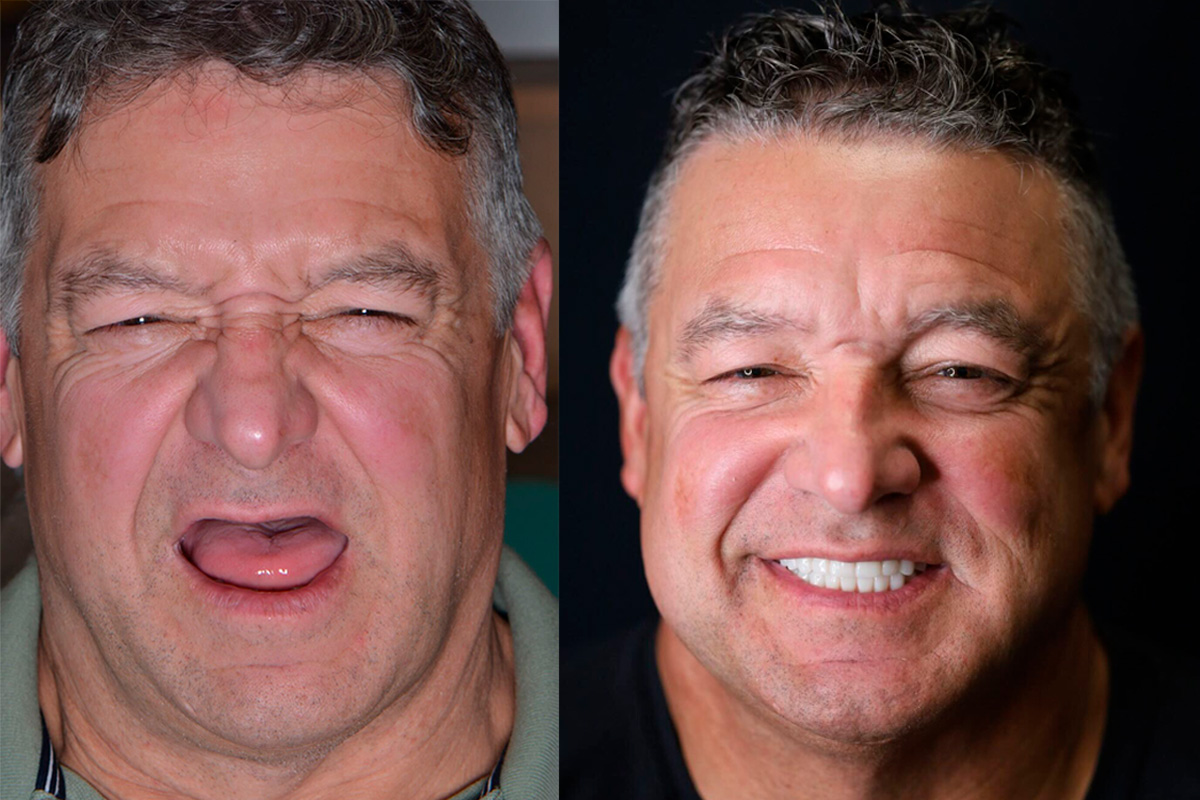
Mike’s Smile Transformation: From Dentures to a Permanent All-on-4 Smile in Kirkland, WA

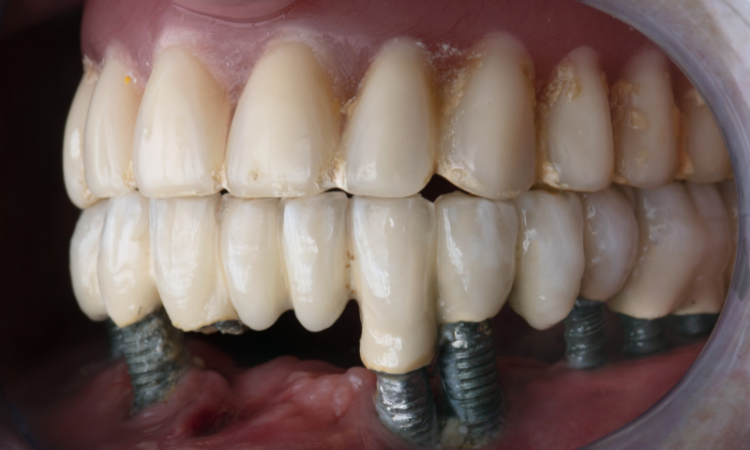
At Kirkland Premier Dentistry, every smile has a story. For Mike, that story is about saying goodbye to the discomfort and hassle of dentures and embracing the freedom of a permanent All-on-4 smile. We’re honored to have played a part in his journey to a more natural-looking, functional smile, helping him gain comfort, confidence, and a new outlook on life.

The Challenge: Life with Dentures

Mike came to us looking for a better solution. His dentures had become a source of frustration—they were uncomfortable, required constant adjustments, and limited his ability to enjoy everyday activities. He wanted a permanent solution that felt more like natural teeth and would let him live comfortably and confidently. After a thorough consultation, we recommended All-on-4 implants as the ideal option.

What is the All-on-4 Procedure?

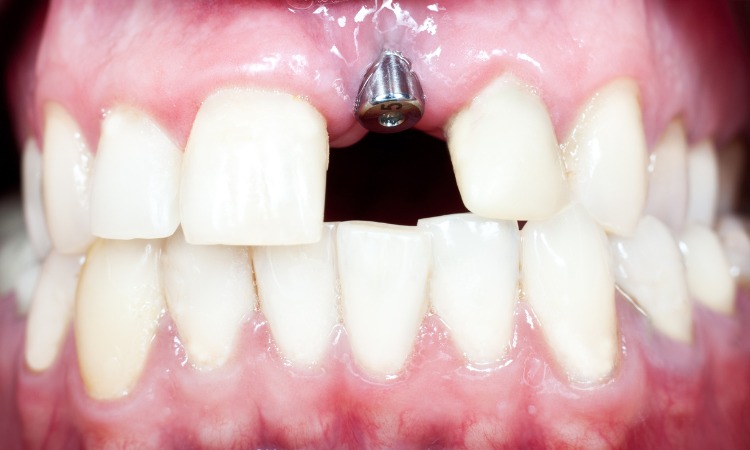
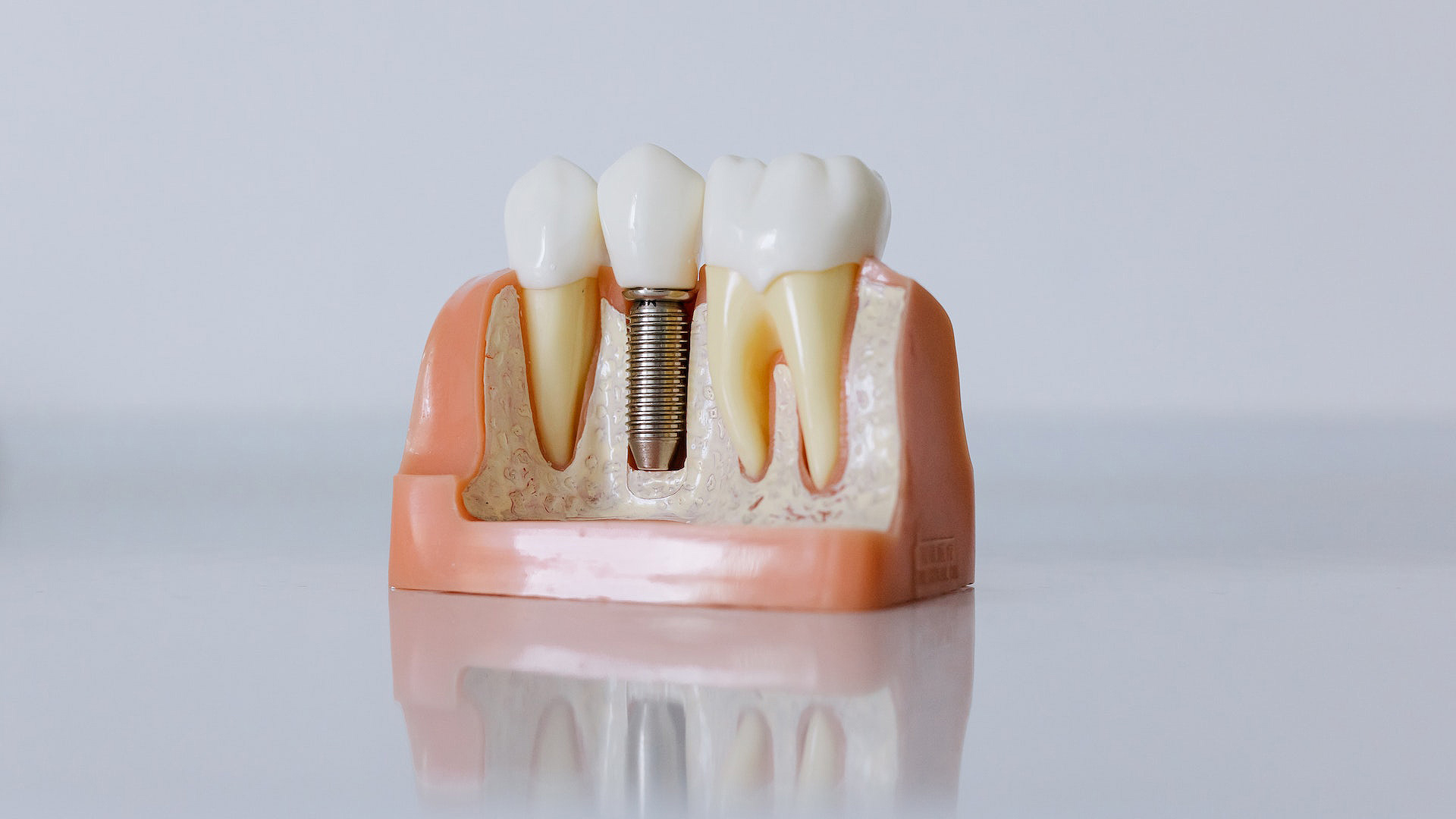
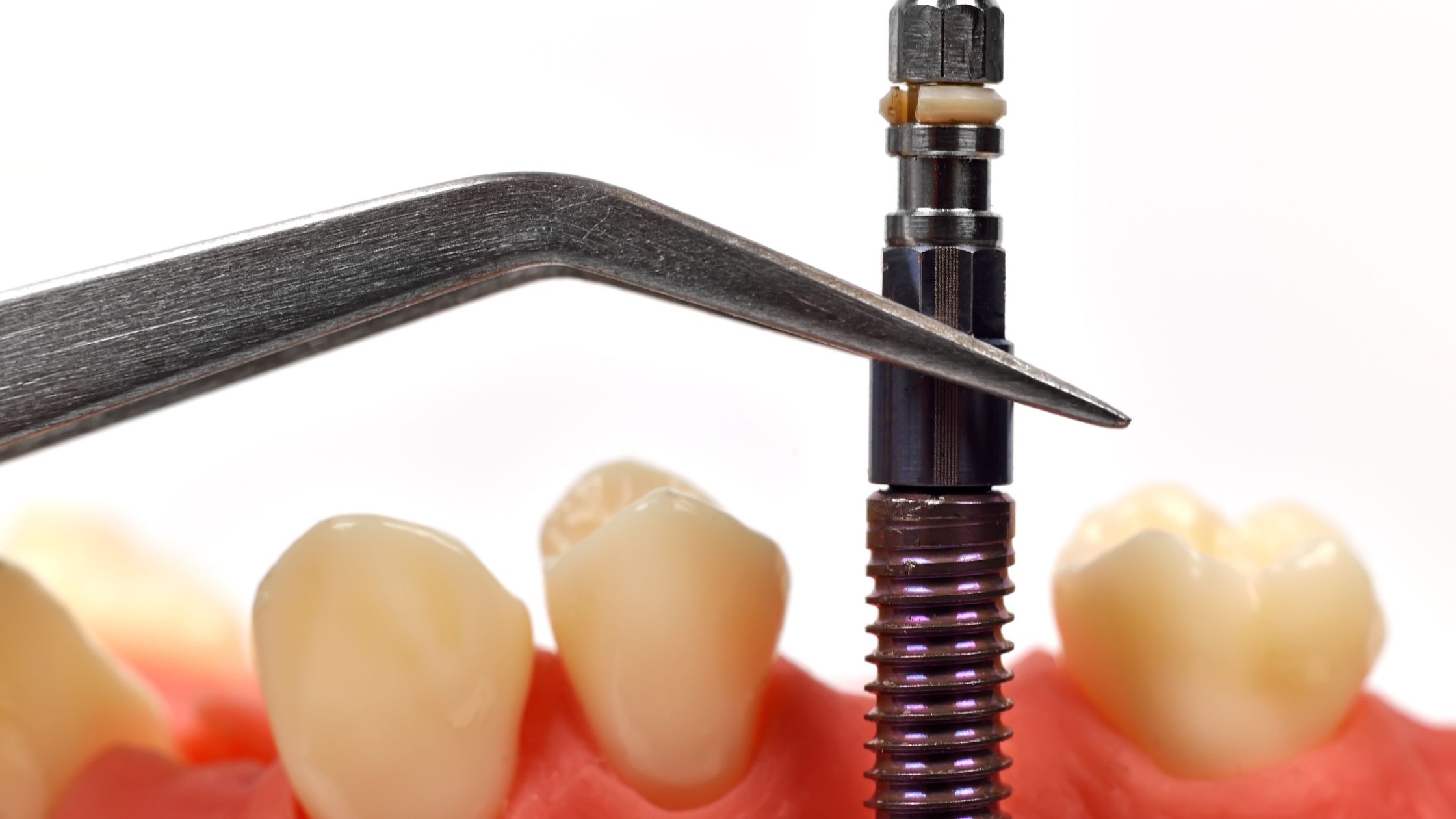
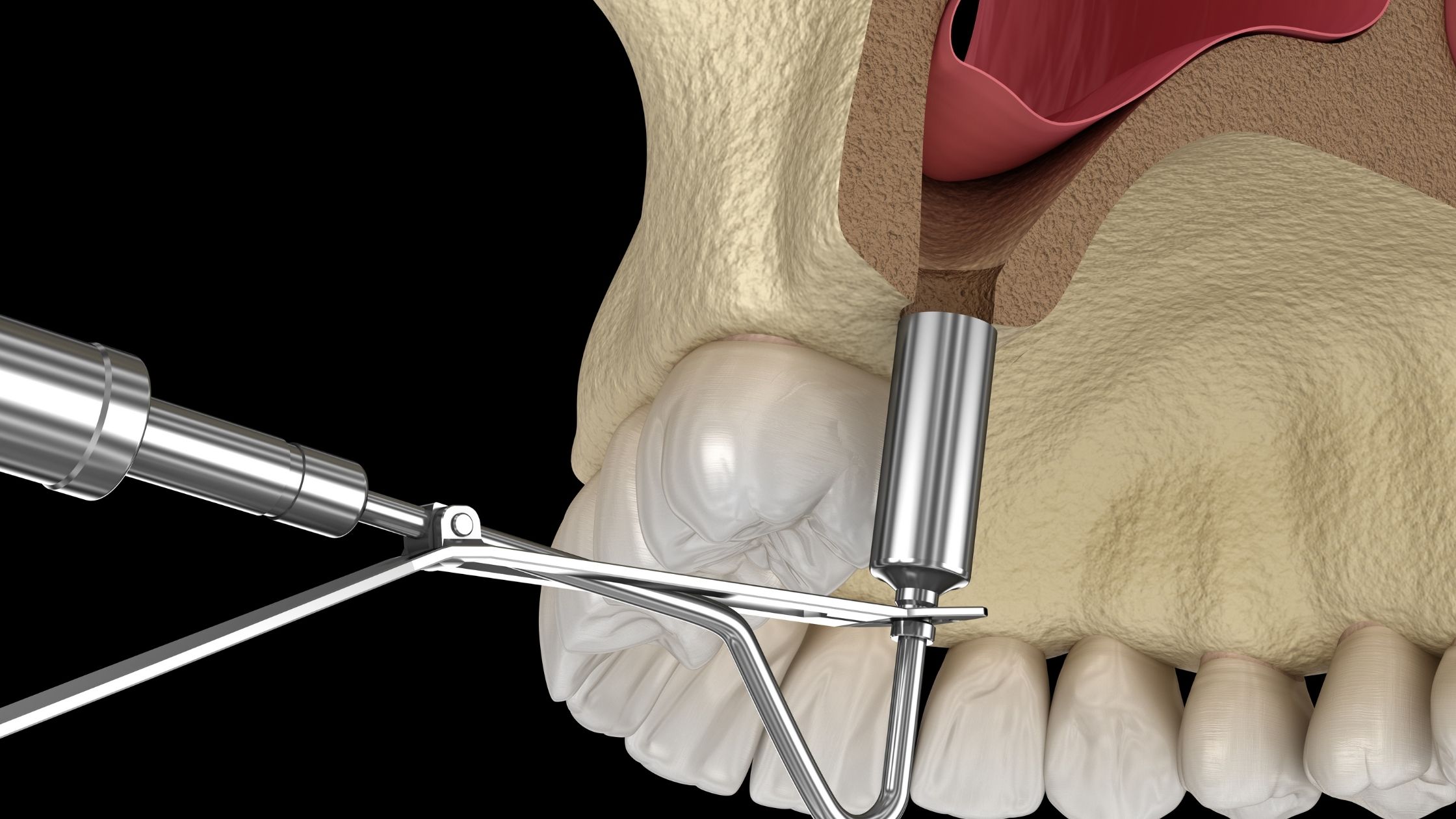
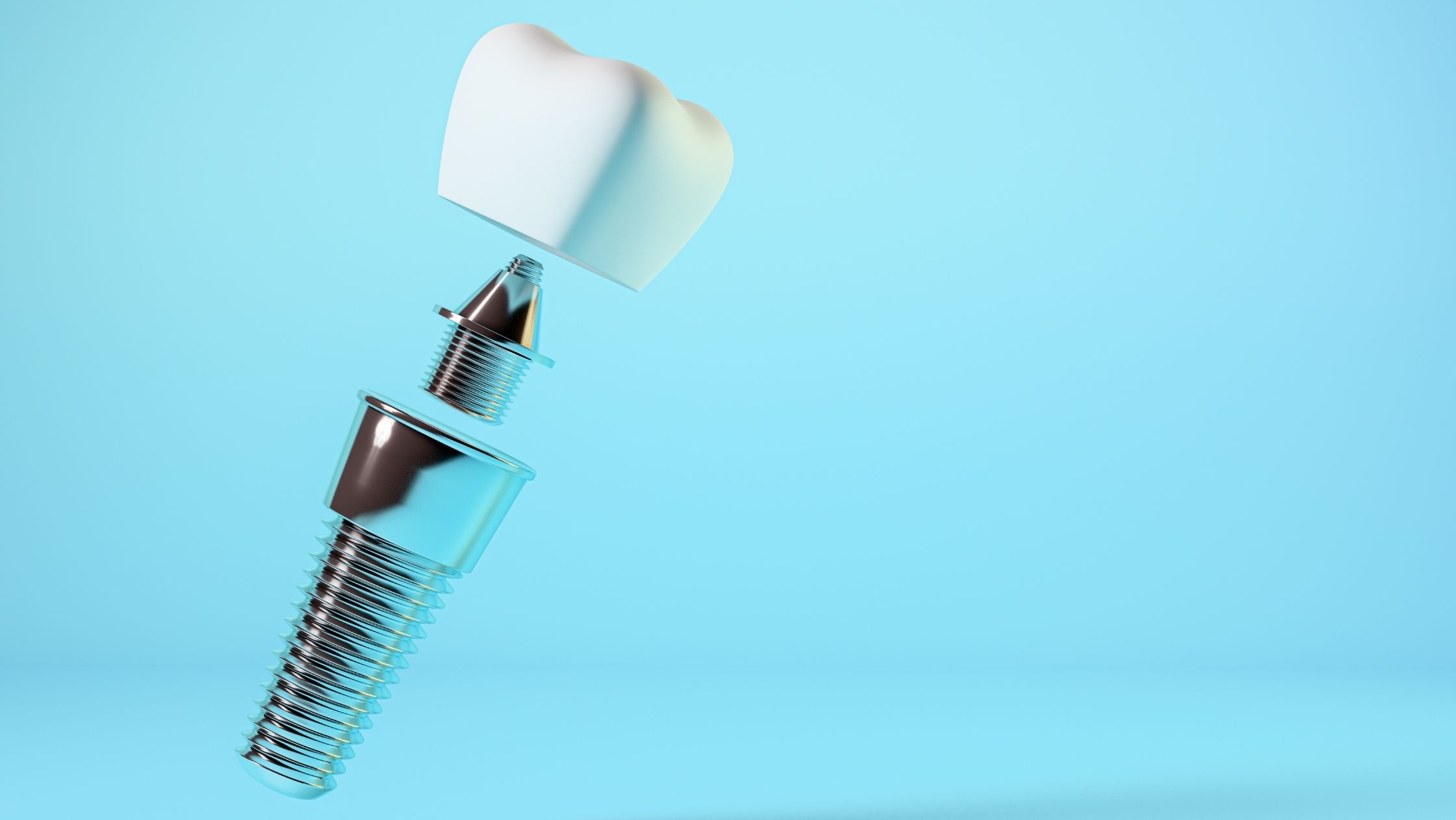
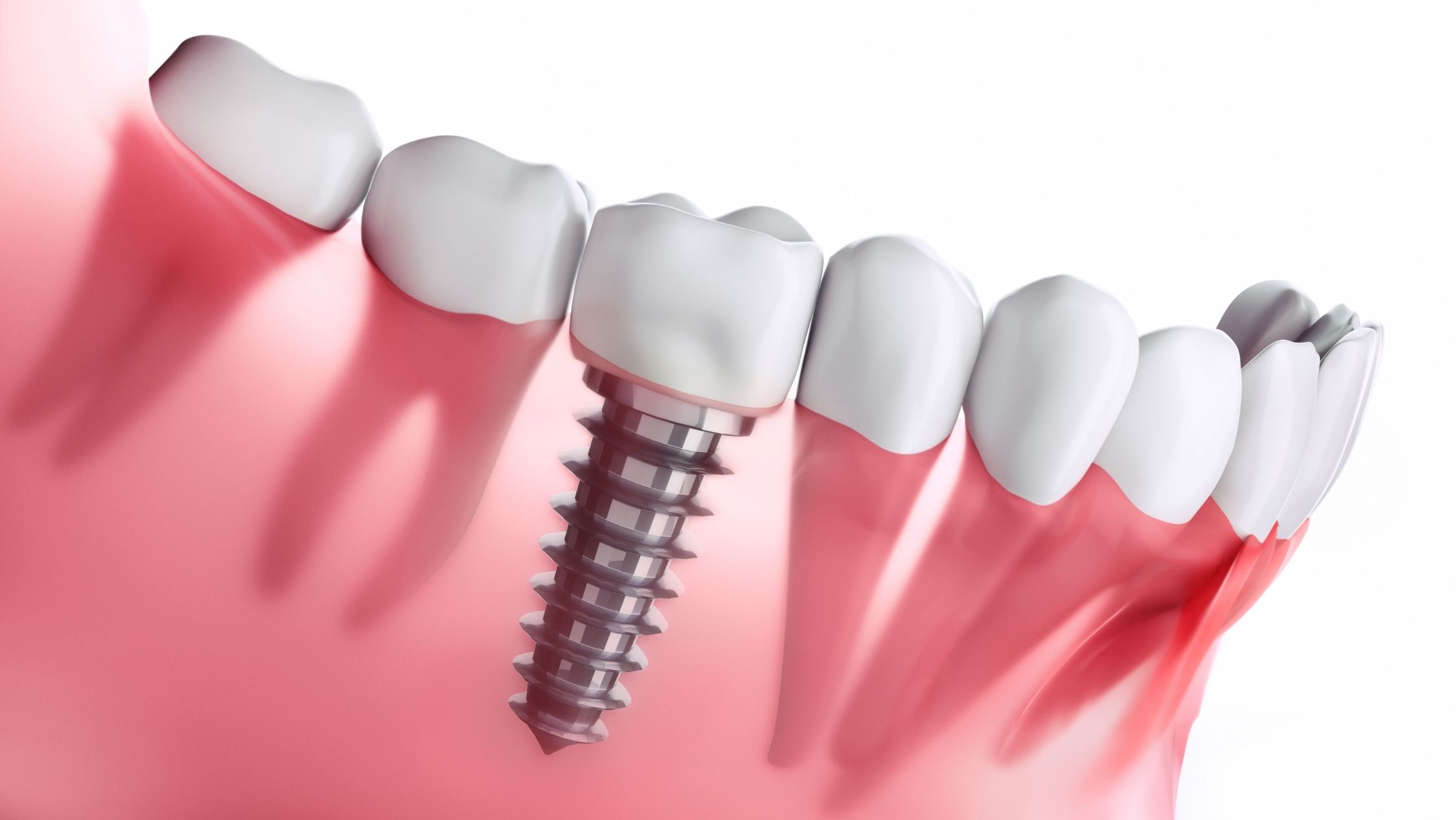
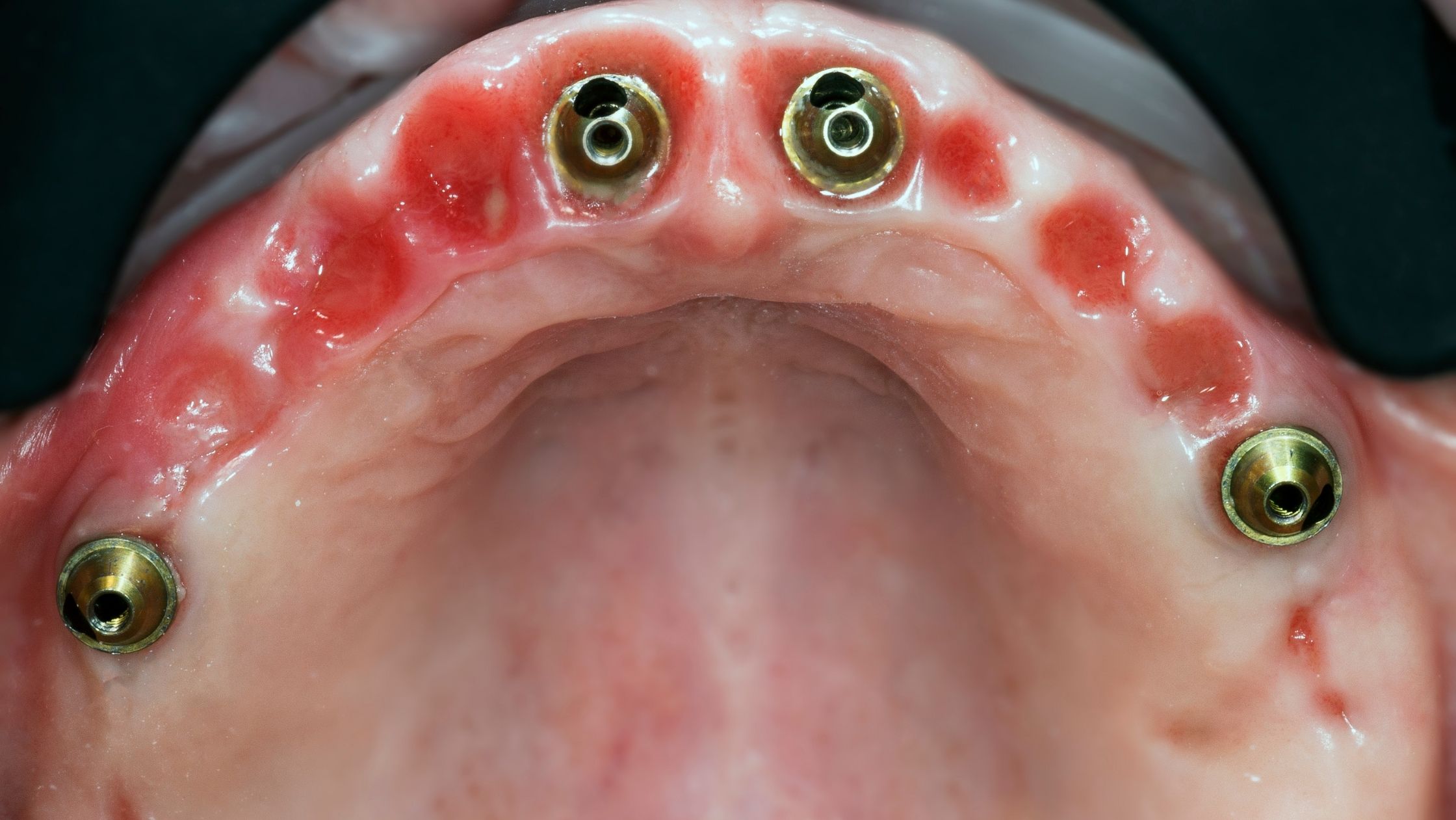
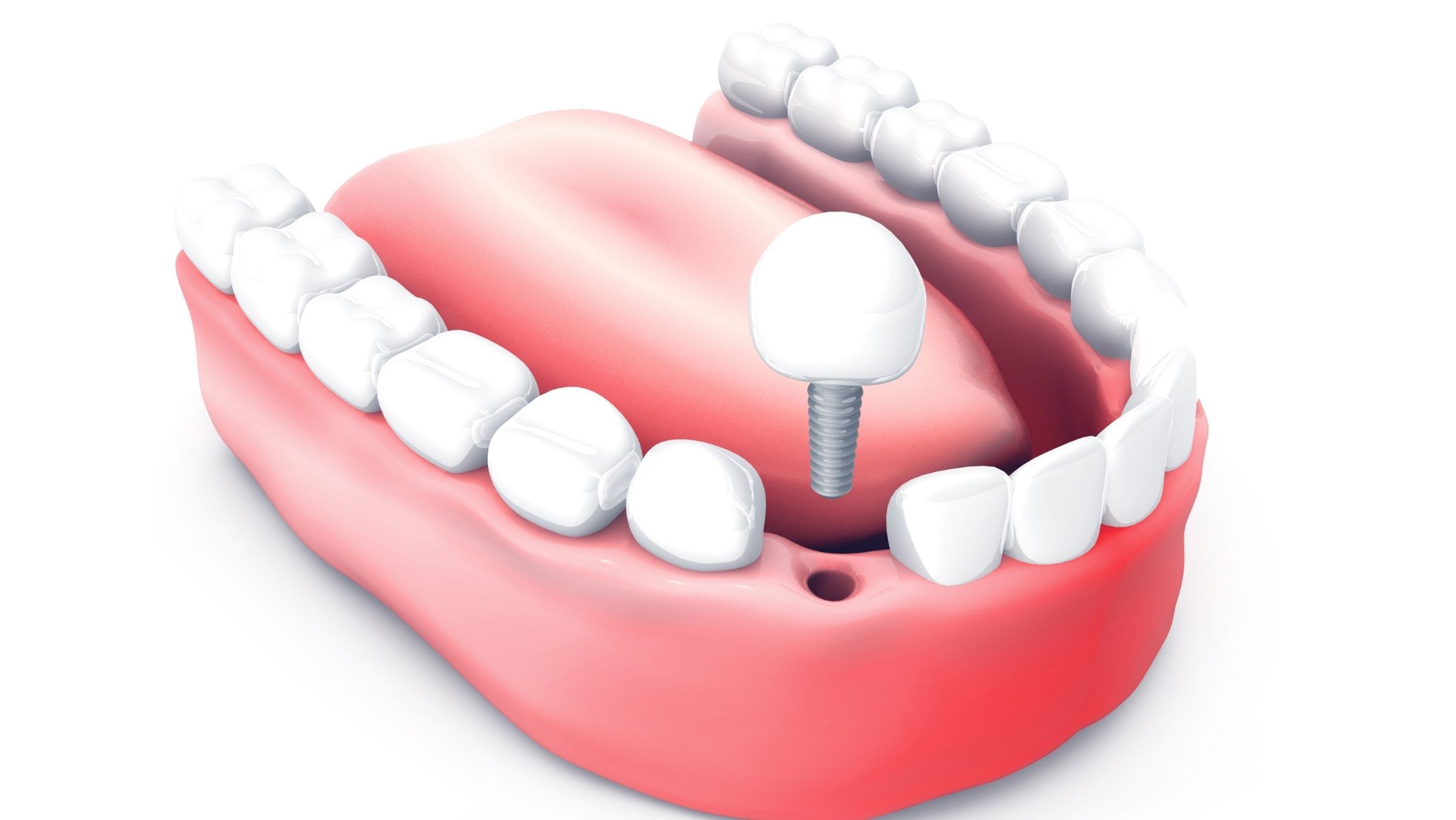
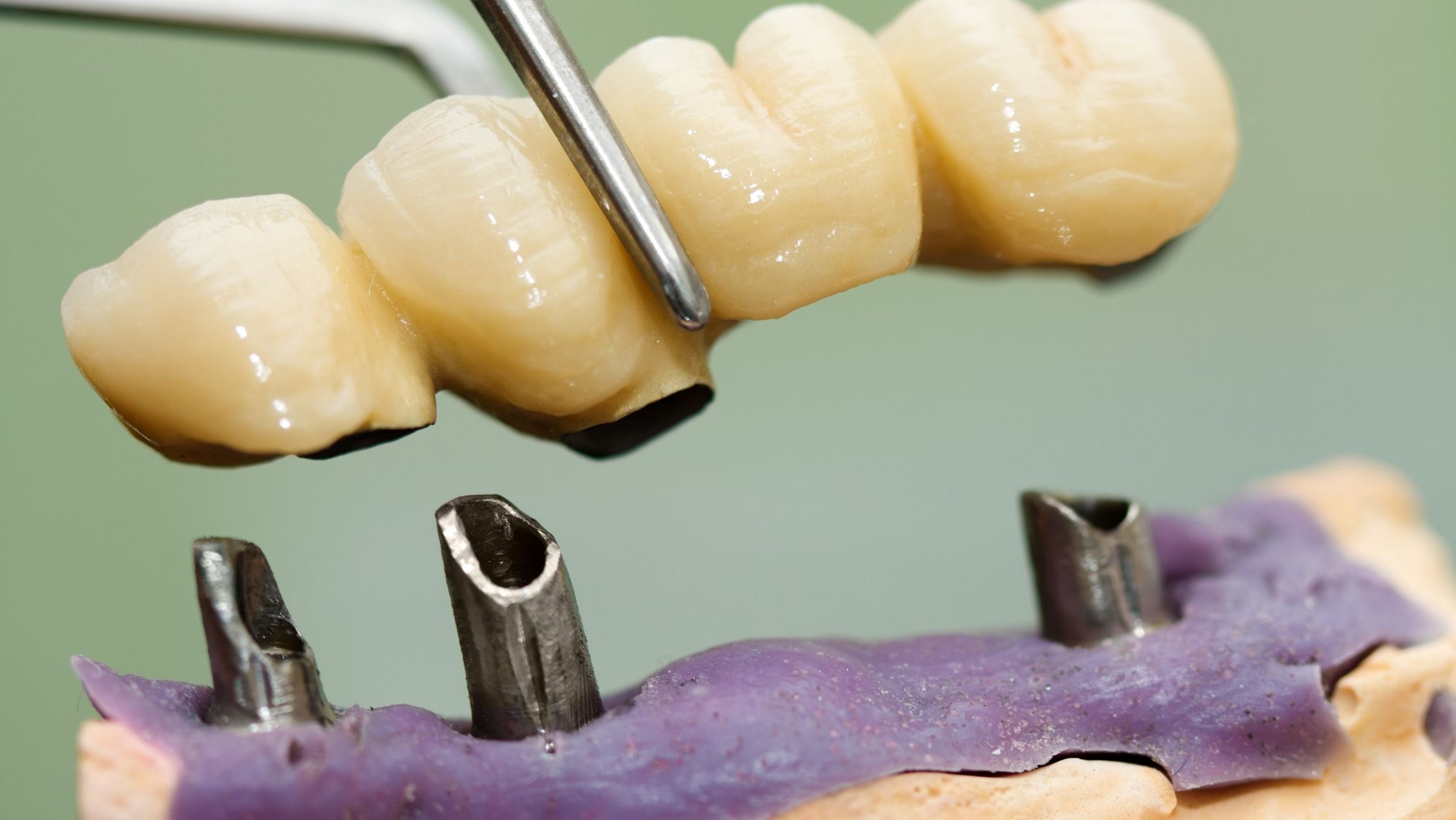
The All-on-4 implant system replaces an entire arch of teeth with a set of permanent prosthetic teeth, securely anchored to four strategically placed dental implants. This innovative solution is perfect for patients like Mike, who need a stable, functional, and natural-looking alternative to dentures.

How We Transformed Mike’s Smile

Mike’s journey to his new All-on-4 smile was carefully planned and executed by our experienced team. Here’s how we made it happen:

  1. Personalized Treatment Plan: We began with a comprehensive consultation to assess Mike’s oral health and design a custom solution.

  2. Implant Placement: Our skilled dentists placed four secure implants, ensuring the stability needed to support his new teeth.

  3. Custom Prosthetic Teeth: We attached a custom-designed arch that perfectly matched Mike’s facial features for a natural appearance.

  4. Seamless Transition: Our team provided the support and care needed to help Mike adjust to his new smile, ensuring comfort and confidence every step of the way.

Why All-on-4 Was the Perfect Solution for Mike

  • Stability and Comfort: Unlike dentures, Mike’s new All-on-4 smile feels secure, with no slipping or shifting.

  • Natural Appearance: The custom-designed teeth look just like natural teeth, enhancing his smile without anyone knowing they’re implants.

  • Ease of Maintenance: Mike can now care for his All-on-4 implants just like natural teeth—no more adhesives or soaking required.

  • Improved Quality of Life: With his permanent smile, Mike can now enjoy his favorite foods, speak confidently, and live without the inconveniences of dentures.

A New Chapter for Mike: Living Confidently with All-on-4 Implants

For Mike, the switch from dentures to All-on-4 implants was life-changing. No more worrying about loose dentures or awkward moments—just a beautiful, secure smile that allows him to focus on the things that matter most. With his new smile in place, Mike is embracing life with renewed confidence and comfort.

Ready to Say Goodbye to Dentures? Explore All-on-4 Implants in Kirkland, WA

If you’re tired of the discomfort and hassle of dentures, All-on-4 implants may be the perfect solution for you. At Kirkland Premier Dentistry, we specialize in transforming smiles and improving lives with permanent dental solutions.

Thinking About Making the Switch?
Take the first step toward a more comfortable and confident life—schedule your All-on-4 consultation today! Just like Mike, you deserve a smile that looks, feels, and functions naturally.

Mary’s Invisalign Journey: It’s Never Too Late for the Perfect Smile in Kirkland, WA

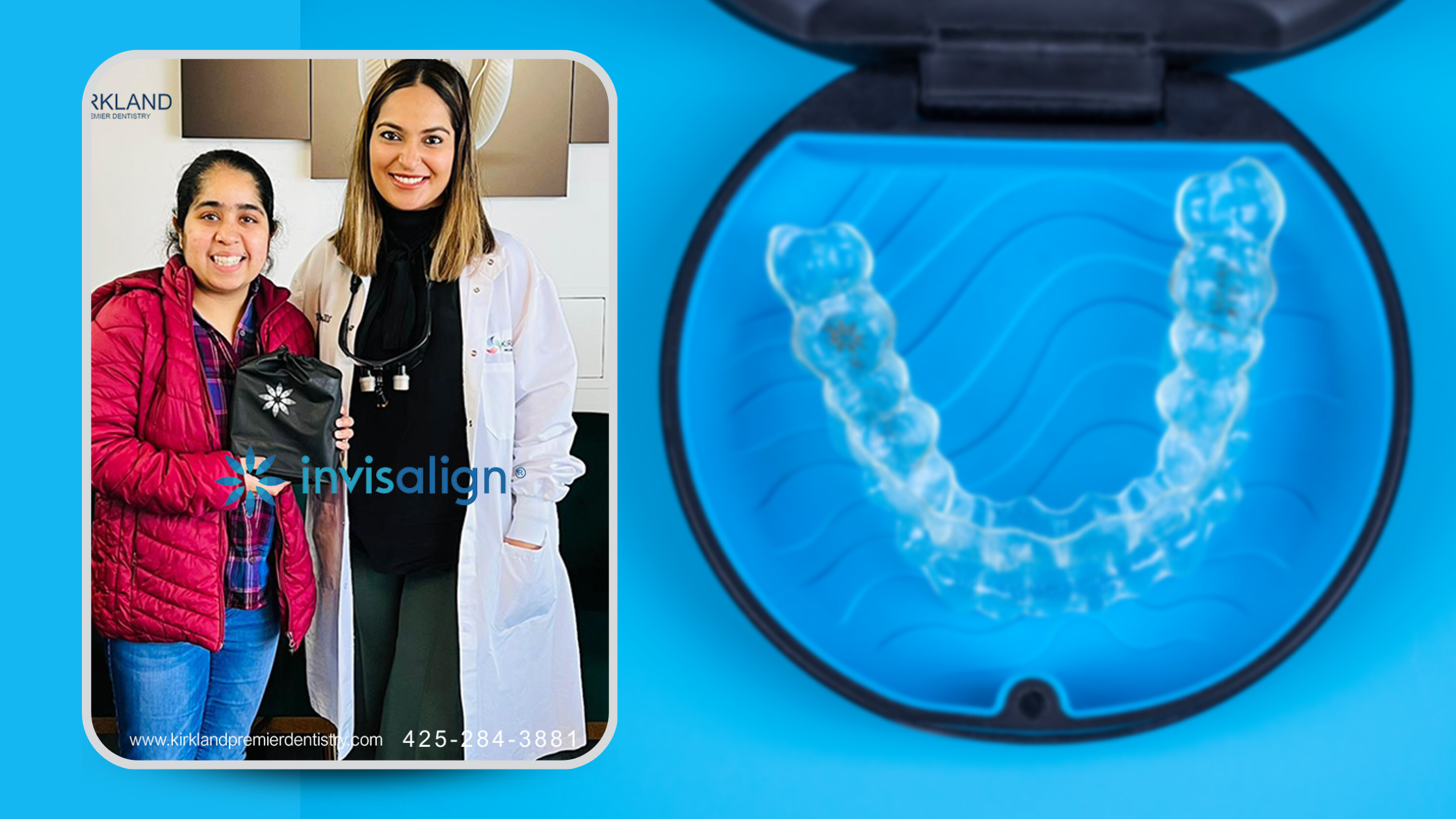
At Kirkland Premier Dentistry, we believe that everyone deserves to love their smile—no matter their age. Mary’s Invisalign transformation is a beautiful example of that philosophy. As our oldest Invisalign patient, Mary took the leap to improve her smile, proving that it’s never too late to achieve the look you’ve always dreamed of.


Mary’s Journey with Invisalign: From First Aligner to Stunning Results

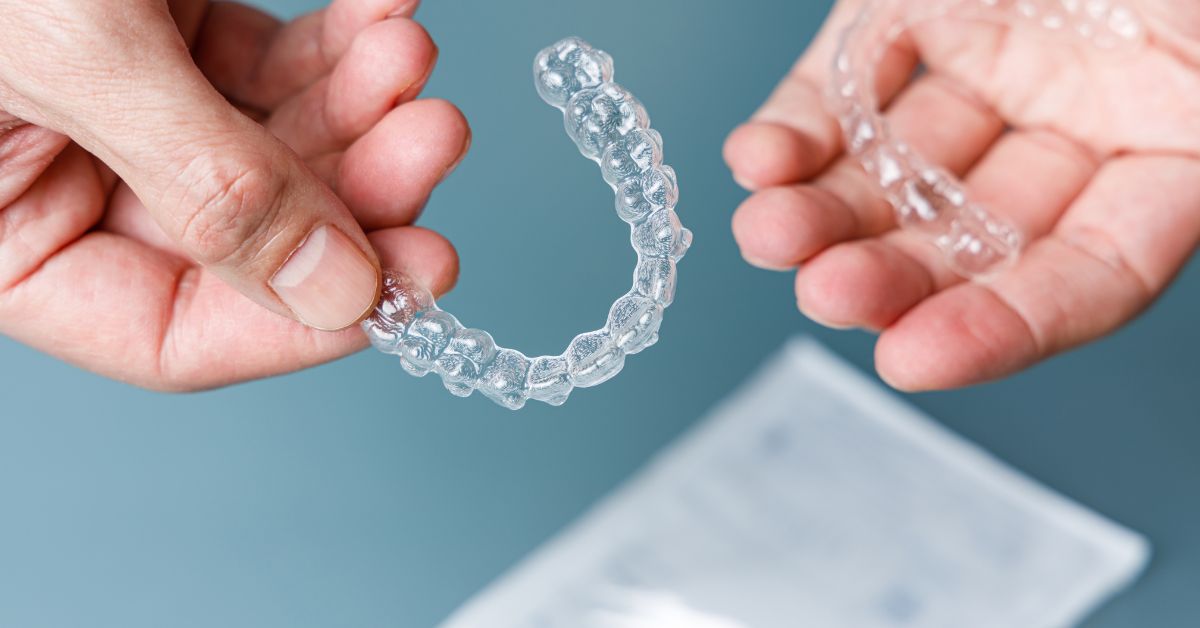
Mary came to us seeking a solution for crooked teeth that had bothered her for years. She wanted a smile that matched her vibrant personality, and she wanted it done discreetly and comfortably. That’s when we recommended Invisalign clear aligners.

From the moment Mary placed her first aligner, she was committed to the process—and the results speak for themselves. Her dedication and consistent use of the aligners have transformed her smile and boosted her confidence.


Why Choose Invisalign?

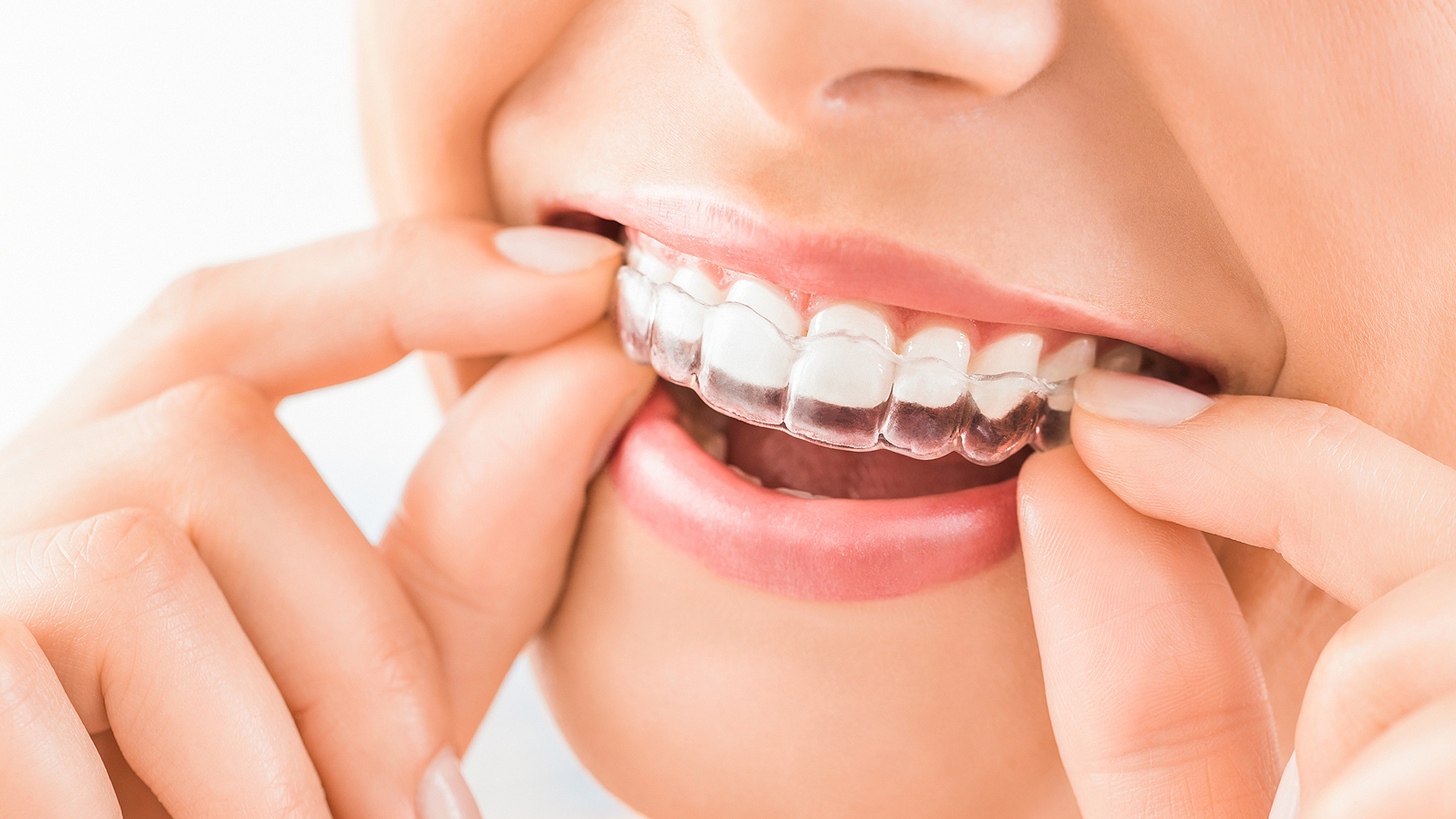
Invisalign offers a clear, comfortable, and removable way to straighten teeth without the hassle of traditional braces. Here are some key benefits:

  • Virtually Invisible: The aligners are discreet, allowing you to go through treatment without anyone knowing.
  • Removable: Eat, drink, and brush your teeth as normal—just remove the aligners when needed.
  • Comfortable: Invisalign aligners are smooth and gentle on your gums, with no sharp brackets or wires.
  • Fewer Office Visits: Check-ins every 6-8 weeks make it easy to stay on track with a busy schedule.

A Unique Benefit: Dr. Sheena Gaur’s Expertise as a Top 1% Diamond Invisalign Provider

Mary’s success was made possible by the expert care of Dr. Sheena Gaur, who is recognized as a Top 1% Diamond Invisalign provider. This elite distinction places Dr. Gaur among the most experienced Invisalign practitioners in the country. Here’s what that means for our patients:

  • Expert Guidance: Dr. Gaur has treated hundreds of patients and has the experience to customize treatment plans for a wide range of cases.
  • Tailored Treatment Plans: Your aligners are designed to perfectly fit your teeth and align them efficiently.
  • Access to the Latest Innovations: Dr. Gaur stays up-to-date with Invisalign advancements, ensuring every patient receives the highest quality care.

It’s Never Too Late to Transform Your Smile

Mary’s journey with Invisalign is a reminder that age is just a number. Whether you’re in your 20s or well into retirement, it’s never too late to have the smile you’ve always wanted. Invisalign offers an opportunity to improve your smile with minimal disruption to your lifestyle, making it the perfect solution at any age.


Ready to Start Your Own Invisalign Journey in Kirkland, WA?

At Kirkland Premier Dentistry, we specialize in creating confident smiles with Invisalign clear aligners. With Dr. Sheena Gaur’s expertise leading the way, you’ll receive personalized care that ensures outstanding results—just like Mary did.


Don’t Wait Another Day—Your Perfect Smile Awaits!
Whether you’re a teen, adult, or older adult, it’s never too late to begin your Invisalign journey. Contact us today to schedule a consultation and see how we can help you achieve your dream smile.

Christian’s Smile Journey: A New Chapter with All-on-X Implants in Kirkland, WA

Christian’s Smile Journey: A New Chapter with All-on-X Implants in Kirkland, WA

At Kirkland Premier Dentistry, every smile tells a unique story. Christian’s journey is no different—what began as a dental transformation evolved into a new chapter in his life. Thanks to All-on-X implants, Christian not only regained his smile but also rediscovered his confidence. And what better way to celebrate? The moment he completed his finals, he treated his mom to a well-deserved lunch—smiling every step of the way.


Christian’s Challenge: A Smile in Need of Restoration

Christian came to us with multiple missing and damaged teeth, which had impacted both his self-esteem and daily life. After reviewing his options, he chose the All-on-X dental implant solution—a permanent, comfortable, and natural-looking way to restore his smile.


What Makes All-on-X Implants Different?

The All-on-X treatment offers a full-mouth restoration using four to six carefully placed implants that support a custom prosthetic arch. This solution provides a stable, long-term alternative to removable dentures, giving patients like Christian a fully functional, beautiful smile.


Christian’s Transformation: From Finals to Freedom

Christian’s All-on-X transformation was carefully planned and executed by our experienced dental team:

  1. Custom Planning: We mapped out the precise placement of Christian’s implants to ensure the best support for his new teeth.

  2. Implant Placement: Our team placed four secure implants, forming the foundation for his full-arch prosthetic.

  3. Prosthetic Attachment: Christian’s new smile was fitted to blend naturally with his appearance, designed for both function and aesthetics.

  4. Support Throughout the Process: We provided Christian with the care and guidance he needed to feel comfortable at every stage of his transformation.


Why All-on-X Was the Right Choice for Christian

  • Stability and Confidence: Christian can now eat his favorite foods without worry, thanks to the secure fit of his implants.

  • A Natural Smile That Lasts: His new smile is custom-made to match his personality and facial structure, ensuring it looks and feels natural.

  • Low-Maintenance Solution: With routine care, Christian’s implants will stay healthy and beautiful for years to come.

  • Immediate Impact: With his new smile, Christian felt an instant boost of confidence—ready to celebrate not just his academic success, but also his dental transformation.

 A New Beginning for Christian

For Christian, his All-on-X implants were more than just a dental procedure—they marked the start of a new chapter in life. With finals behind him and a radiant smile to match, Christian can take on new challenges with confidence. His celebration lunch with his mom was a touching reminder that every milestone is worth celebrating with the people who matter most.

Discover the Power of All-on-X Implants in Kirkland, WA

At Kirkland Premier Dentistry, we believe that transforming your smile can transform your life. Whether you’re dealing with missing teeth or looking for a long-term solution, our All-on-X implants offer stability, comfort, and beauty. Just like Christian, you deserve to smile freely and confidently.

Are You Ready for Your Own Smile Transformation?
Your new smile is just a consultation away. Let Kirkland Premier Dentistry help you take the first step toward a brighter future. Contact us today to schedule your appointment and explore how All-on-X implants can change your lift!

Silver Amalgam Filling- Silver Colored Fillings For Dental Restoration 

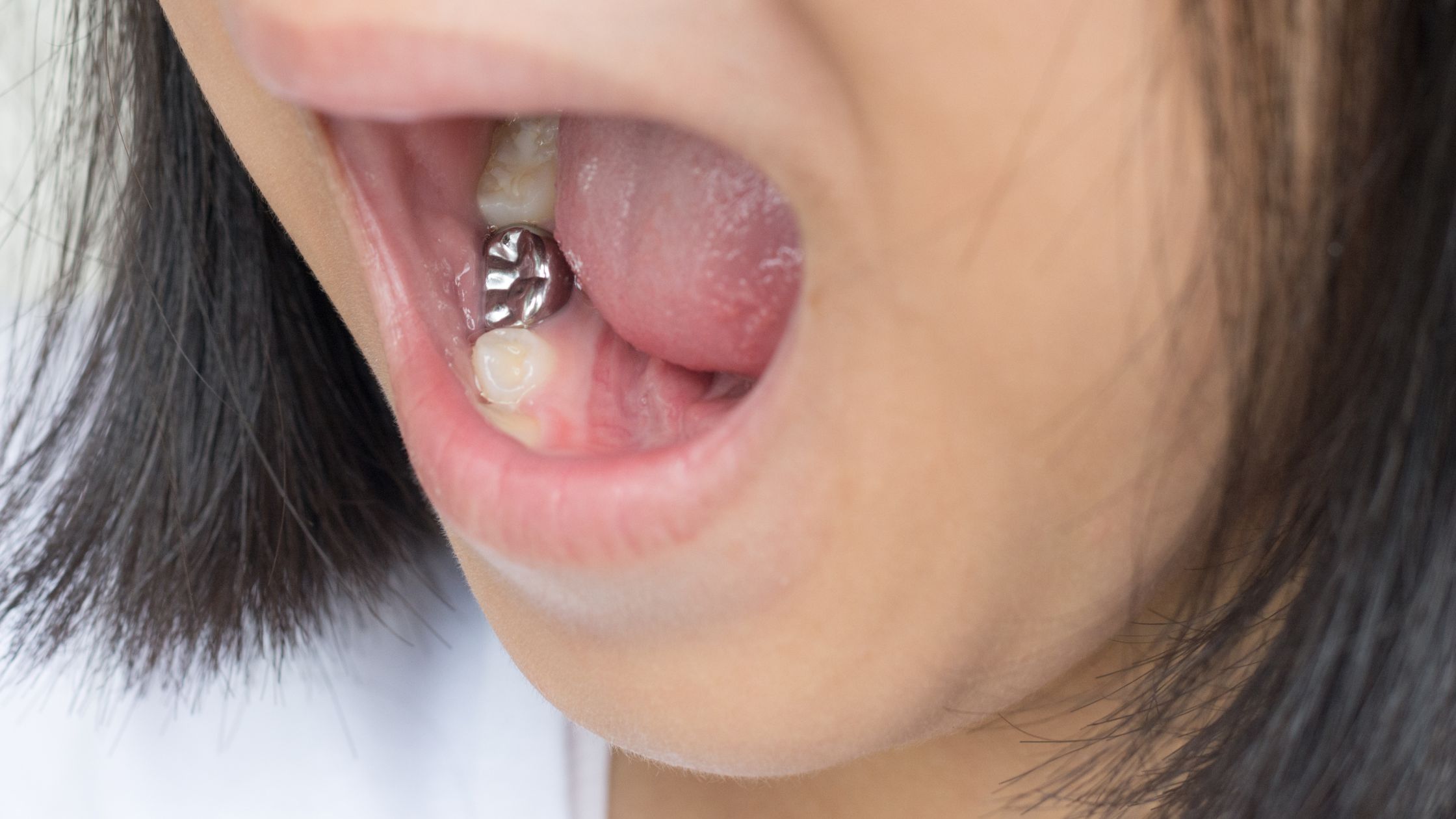
Amalgam fillings are also known as silver or metal fillings because they are made from a combination of materials like silver, copper, tin, mercury, etc. These silver amalgam tooth fillings are durable and strong, lasting for decades with proper care and treatment. But you should be aware that these are visible fillings because of the nature of the materials they are made of. They have their pros and cons which you must consider when getting silver amalgam fillings. 

What is an amalgam filling?

Amalgam fillings are another way by which silver amalgam dental fillings are referred to. This is a type of direct dental restoration which is used to repair teeth which have been damaged by decay or trauma. It gets its name from the nature of the material used for forming the filling which is composed of a mixture of metals, primarily silver, mercury, tin, and copper. 

This is a type of direct restoration because the process takes place within the mouth rather than fabricating the main restoration outside the mouth. The decayed portion of the tooth is removed to create a clean area where a filling composed of liquid mercury with powdered metals is placed. This restores the normal shape and function of the tooth when an experienced dentist is in charge of the silver amalgam filling procedure. 

These types of fillings have been used in dentistry for over a century because of advantages like strength, stability, and durability. These are especially amazing for restoring molars and premolars because these areas are subjected to heavy chewing forces and amalgam fillings can take this load. 

It is important to note that regulatory bodies such as the American Dental Association consider this treatment a safe option to restore damaged teeth. Many researches and clinical experiences have shown that silver amalgam fillings are a long-term safe and effective solution for most patients. 

Who is a Good Candidate for Silver Amalgam Tooth Fillings?

  • Patients who have large cavities or tooth decay, especially in areas of heavy wear and tear like molars and premolars.
  • People who want a durable and cost-effective long-term filing option to restore damaged teeth.
  • Patients who have sufficient healthy tooth structure which can support the placement of silver mercury amalgam fillings.
  • People who are not allergic to any material or metals used in amalgam fillings.
  • People who are seeking a fast and effective straightforward dental restoration solution.

Who Needs Silver Amalgam Tooth Restoration?

  • Patients with moderate to severe cavities or tooth decay who want to restore teeth rather than look for replacement options.
  • Individuals who prioritize durability and longevity rather than aesthetics when looking for dental restorations.
  • People who want affordable treatment to restore teeth which are damaged.
  • People who still prefer traditional and time-tested amalgam fillings rather than newer alternatives like ceramic or composite fillings.
  • People who have risk factors of getting new cavities or more decay in teeth due to a health problem, genetics, poor oral hygiene, etc. 

Benefits of Silver Amalgam Tooth Fillings

  • Durability: One of the biggest advantages of this type of filling is durability. This type of filling can withstand the repeated forces of chewing and grinding in the mouth. This is why it is one of the best options to restore teeth in areas that withstand repeated wear and tear.
  • Cost-effectiveness: When we compare amalgam fillings to other filling options like ceramic or composite fillings, these are more practical because this is a much more affordable option along with being a more durable option.
  • Strength and stability: These fillings are known to prevent further damage because they provide strong support to the tooth structure. The restored tooth is stabilized and reinforced which prevents fractures and prolongs the lifespan of the treated tooth.
  • Quick restoration: The entire process of restoring a tooth by placing amalgam tooth filling is straightforward and quick. It is quite an effective solution as well.
  • Versatile solution: This type of filling can be used to fill cavities in different locations of the mouth which includes molars and premolars. A wide range of dental needs in both adults and children can be met using this type of tooth restoration.
  • Resistance to wear and tear: These dental fillings are highly resistant to corrosion and wear. They last for a long time and require the least maintenance. You can depend on these for an effective dental solution which restores tooth function.
  • Proven results: Silver amalgam fillings have been used for more than a century which is why we know that these give a successful outcome. There is a proven track record where countless patients have benefitted from this option.
  • Minimal sensitivity: Other filling materials can cause a fair bit of post-procedure sensitivity whereas these fillings cause the least discomfort. Some people may not experience any discomfort.

As explained earlier, there has been a lot of focus and research on these types of fillings and most studies have found this to be a safe and viable option for most people.

Disadvantages and Side Effects of Silver Amalgam Fillings 

Every dental procedure will have some advantages and disadvantages. The advantages of a certain procedure may be more for some people. You should always discuss with your dentist which procedure is best for your particular needs and health status. It is worth noting that silver amalgam tooth fillings have several benefits while being affordable and durable.

Certain disadvantages which you should know are:

  • Aesthetic concerns: This is the most noticeable disadvantage of this procedure because as the name suggests these fillings have a noticeable silver color. People who are looking for more aesthetic results with natural-looking restoration may not like the end results. They may consider other options, especially for prominent areas of the mouth. 
  • Risk of fracture- Unlike some other treatments, silver amalgam fillings do not bond directly with the tooth structure. There is more of a mechanical retention of this filling. In case of larger fillings, this may weaken the tooth structure with an increased risk of cracks and fractures. To avoid it, this treatment may be combined with a crown or other option.
  • Risk of tooth discolouration: There is a slight chance that the amalgam fillings may discolor the surrounding teeth. The surrounding tooth may develop a greyish hue or may darken. This can usually be corrected with teeth whitening procedures or the filling may have to be replaced with another type of filling.
  • Temperature sensitivity: As the filling has metals in it, some people may experience increased sensitivity to cold and hot temperatures. But this is fine as it resolves in a few days in most of the cases.
  • Risk of allergic reactions: This is quite rare but some people may be allergic to components of silver amalgam dental fillings like mercury or copper. Allergic reactions may include oral discomfort, swelling around the treated area, itching, etc. Please let your dentist know if you have any such issues. 
  • Concerns about mercury: Patients often wonder if silver amalgam fillings are safe. It is important for you to know that mercury in these fillings is bonded with other materials and has been found to be safe for most people. But if you have such concerns, discuss different options with your dentist. Specialists at Kirkland Premier Dentistry can provide you with the latest dental restoration solutions. 
  • Challenges with removal: These fillings have a strong adhesion and can be a little more difficult to remove than other types of fillings. It requires expertise as precautions have to be taken to minimize the mercury vapors and to prevent any damage to the tooth.

It is important to weigh the pros and cons of different types of dental fillings and choose the option which suits you best after consultation with your dentist.

Conclusion

We have addressed all the queries surrounding silver amalgam tooth fillings in this blog. Getting a dental restoration which meets your requirements and provides the best results should not be a stressful experience. Our experts at Kirkland Premier Dentistry can help you find the most suitable and safe dental restoration solutions. Our customized and empathetic approach combined with expertise and experience can give you the results which you need. Reach out to us for all types of dental solutions.

FAQs

1. What are Silver mercury amalgam fillings?

These are also called silver fillings and are made by mixing liquid mercury with powdered metals such as copper, tin, and silver. These combine to form a long-lasting material for restoring damaged teeth.

2. What are the components of dental amalgam?

Dental amalgam filling material consists of silver, mercury, tin, and copper. These are mixed together and they make a strong and pliable filling material which can withstand the forces of grinding and chewing in the mouth.

3. Is dental amalgam safe?

This is the most frequent question in the mind of anyone who is planning or has been advised to get a dental filling. The safety of dental amalgam tooth filling has been extensively studied. It has been found to be safe for most patients. People do worry about the mercury content but then it is combined with other materials which results in the formation of a safe and stable material.

Many organizations and associations including the American Dental Association agree that dental amalgam is a safe and effective solution for filling cavities. But with any dental treatment and materials used, individual factors too play a role which is why it is so important to discuss it with your dentist.

4. What is a dental liquid metal filling for cavities?

Dental liquid metal fillings are another name for silver amalgam fillings. Liquid mercury is mixed with powdered metals like silver, copper, and tin which results in the formation of a stable, safe, durable, and pliable material for filling.

5. Are silver amalgam fillings safe?

Yes, these are safe because the liquid mercury is used with other metals and it forms a stable material. Levels of mercury released from these fillings are very well below the threshold of harm for most people. You may not be an ideal candidate for these types of fillings if you are allergic to any component in amalgam fillings. 

6. Do silver amalgam fillings have any side effects?

While these amalgam fillings are generally safe for most people, some people may experience side effects like allergic reactions, discoloration of the surrounding teeth, sensitivity to metals, etc. Additionally, some people who want the dental restorations to be cosmetically more appealing may have concerns as this is not a natural-looking solution. These fillings are noticeable, especially in certain areas of the mouth.

7. Are silver amalgam fillings dangerous?

When these fillings are placed by a qualified dentist, they are not dangerous at all. If you are concerned about mercury exposure, reach out to our experts to discuss concerns and potential solutions.

8. How long do silver amalgam fillings last?

These fillings are known to last for a long time with minimal maintenance. With proper care, these can last for a decade or two. Size of the filling, location of the filling, oral health habits, and other factors do play a role in determining how long the fillings will last.

9. What is the cost of silver amalgam filling?

The cost of amalgam fillings will vary depending on variables like the size of the filling, location of the filling, your location, additional procedures, etc. It is generally more affordable than composite or ceramic fillings which are tooth coloured

10. What are the toxicity symptoms of silver amalgam fillings?

These are generally safe fillings and will not do any harm. Some people can still experience certain symptoms related to metal toxicity after getting these fillings. These symptoms can include headache, fatigue, allergic reactions, etc. It is important that your dentist knows your medical history, and allergic reactions in the past, and you need to discuss your concerns or symptoms with the dentist. If you notice any symptoms, you must reach out to a healthcare provider. 

How To Fix a Chipped, Cracked and Broken Tooth At Home

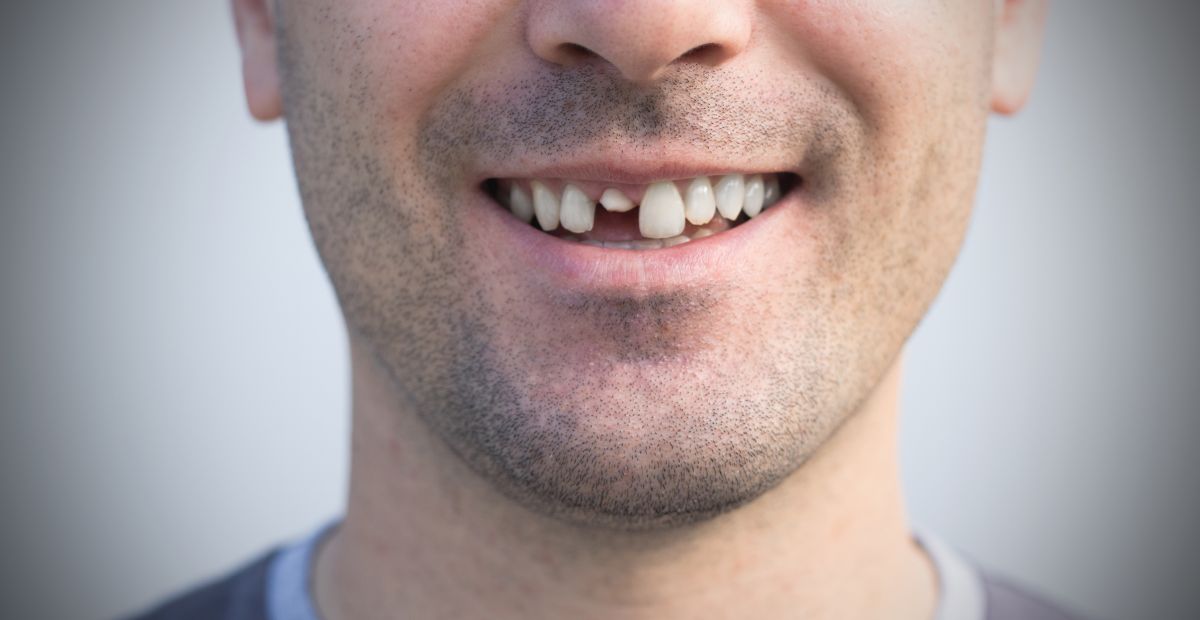
We all know that human teeth are tough, and the hard enamel is one of the strongest substances in the human body. However, a single impact can break it and cause a lot of agony. It is really important to know how to fix a chipped tooth because it can impact the quality of life due to persistent pain and discomfort. 

The most sensible thing to do when one needs to fix a chipped, cracked, or broken tooth is to see a dentist to get a proper solution. But sometimes it may not be possible to schedule an appointment immediately. At such times, you should know how to fix a cracked tooth at home for temporary relief till you can see the dentist. 

This is a detailed blog which walks you through the practical steps to temporarily fix a cracked tooth at home until you get professional help, which professional dental treatments are available to you, precautions you should take, and some tips for a speedy recovery. 

How can one get a broken/cracked or chipped tooth?

While we all know that our teeth are resilient little machines working for years to help us eat, chew, smile, and talk properly, they can be damaged due to many factors. This is why oral health is so important and so are certain precautions to prevent damage to our teeth and jawbone.

A tooth or teeth can have fractures, develop cracks or may break due to several reasons. Before knowing about how to repair a cracked tooth at home, let’s see what is a cracked tooth, a chipped tooth, and a broken tooth. 

A crack in a tooth means a fracture or split in the tooth structure which may extend from the tip to the root. This may vary in size and depth. It may be just a superficial line or lines to more extensive fractures which may compromise the integrity of your tooth. 

A chipped tooth can be there when a small piece of the tooth enamel breaks off. This often leaves a visible defect on the tooth’s surface. The chip may be a minor or a large one. Larger chips can cause functional impairment. The extent of chipping will determine symptoms, visible defects, and the required dental treatment.

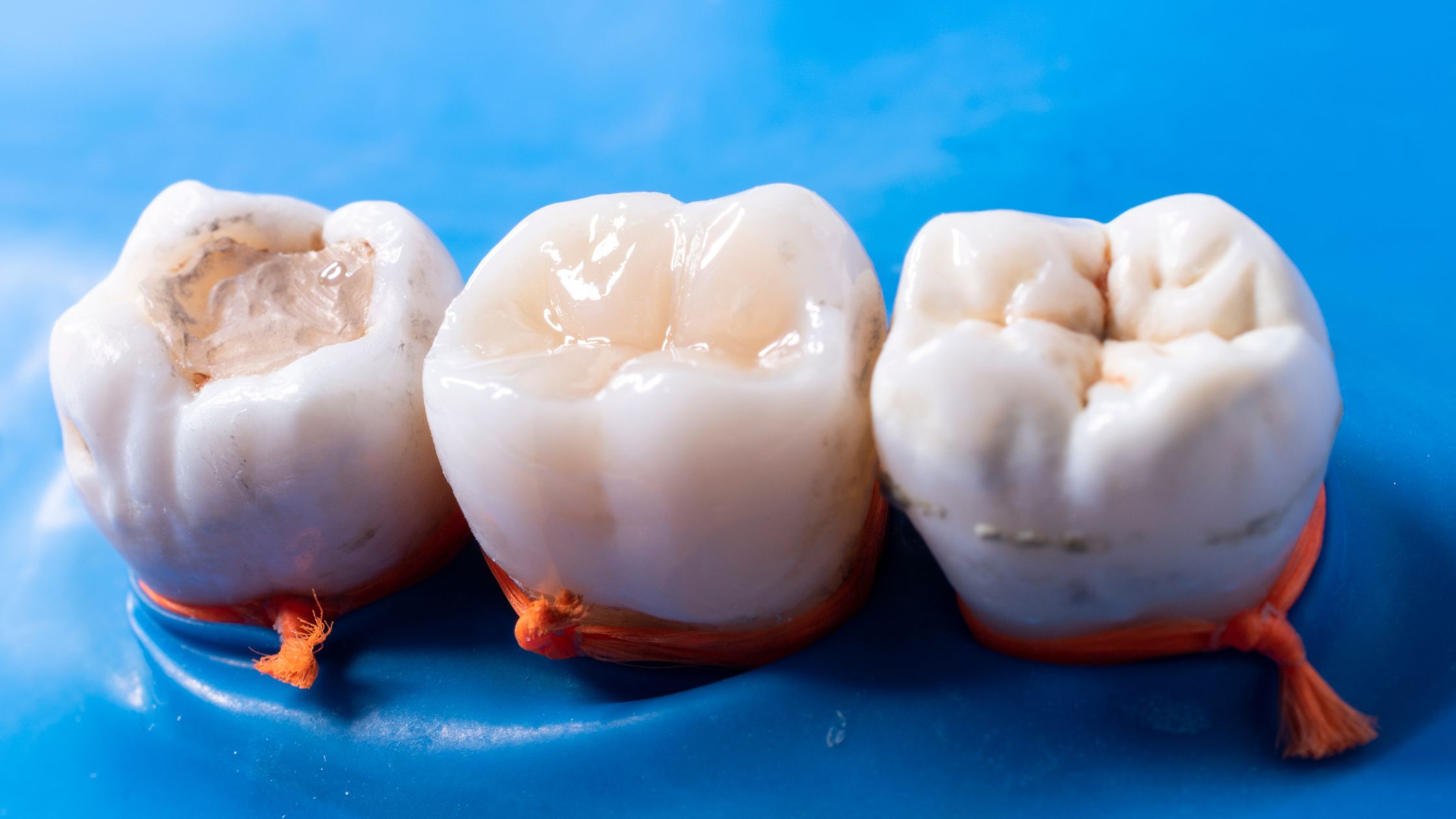
A broken tooth is a more extensively damaged tooth. Here the fracture extends beyond the enamel and can involve dentin, pulp, and even roots. A tooth may be partially or fully broken. More serious impacts from injuries, damage from severe decay, etc, lead to a broken tooth. Symptoms are generally more severe with a broken tooth.

The reason why one gets a broken, chipped or cracked tooth-

  • Age has a huge role to play here, especially with chronic diseases or when one is unable to maintain oral hygiene. With age, teeth also keep getting weaker due to constant wear and tear from years of use. 
  • Habits like teeth grinding or bruxism also weaken the teeth.
  • Poorly done fillings or very large fillings will compromise the integrity of the teeth.
  • Biting or chewing on hard objects, hard surfaces, and hard foods such as nuts or ice or candies also causes injury to the teeth.
  • Trauma due to direct impact, vehicular injuries, sports injuries, falls, etc, can also cause teeth to break, chip, or crack.
  • Sudden exposure to very hot and then very cold temperatures or vice versa can also cause teeth to crack.

How To Fix A Chipped Tooth At Home?

A chipped, broken, or cracked tooth is a sensitive matter which can cause long-term problems. This is why it is not wise to repair a cracked tooth at home. It is best left to a skilled and experienced dentist to treat this issue.

But there are some home remedies for a chipped tooth which can provide temporary relief while you wait for your appointment. 

These are a few home remedies which you can try:

  • Use an ice pack externally on the cheek because it can reduce pain and inflammation caused by a cracked tooth.
  • Remove food debris or any plaque using dental floss gently around the cracked tooth. Do not use any aggressive methods. Also, do not do this if the tooth is broken completely and there is bleeding or a wound.
  • Biting over a gauze can help the pain from cracked teeth due to bruxism. Do not keep a gauze while sleeping. 
  • A warm saline rinse can help decrease bacteria and also reduce inflammation and pain due to a cracked or broken tooth.
  • Over-the-counter painkillers, always taken in safe dosage for your age and health, can provide relief temporarily.
  • Avoid eating foods which are too hot or too cold as such temperatures can trigger tooth pain. Avoid eating from that side and better eat soft foods which don’t cause pressure.
  • Clove oil is also an effective short-term home remedy for chipped tooth pain.
  • A small chip or a crack in the tooth can also be managed at home by using a dental wax kit. It covers the sharp edges preventing soft tissue injury while also providing a protective layer for the damaged tooth.
  • You should also avoid sticky foods.
  • For a tooth that is completely or partially broken and detached, you should remain calm and take the necessary steps. First of all, stop any bleeding from the area by using a clean gauze to apply gentle pressure. Find the broken tooth or a part of it and hold it by the tip and never by the root. Use plain or saline lukewarm water to rinse the tooth. Do not use any type of cleaner. Store the tooth in a clean container of milk. Take over-the-counter painkillers in the meantime to settle the pain. You may also use an ice pack externally. Contact your dentist, explain the situation, and get an emergency appointment. Take the broken tooth carefully while keeping it in milk at all times.

These tips to fix a cracked tooth at home can give you temporary relief, prevent further damage, prevent the broken tooth from permanent damage, and save tooth function as well as your money. Time is of the essence in dental emergencies and you should always seek professional help as soon as you can.

Professional dental treatment: How to fix a chipped tooth?

It is a normal human reaction to be worried and panic when one chips or breaks a tooth. One can be worried about how it will impact tooth function and pose aesthetic issues.

While a small chip or crack may not be an emergency, a major fracture or a broken tooth necessitates earlier intervention. It is best to call the dental clinic and enquire if it is urgent or if you can wait for treatment. In any case, it is best to see a dentist for any damage to your teeth because delays can lead to further damage and more expensive treatments. 

To be precise, the treatment for fixing a cracked or chipped tooth will be based on the size of the crack or chipping, location of the damage, depth and extension of the crack, as well as your symptoms and their severity.

Here is how a dentist can fix a chipped tooth:

  • For a minor chip which only affects the enamel, a more conservative treatment like a filling may be the only required treatment. If there is an aesthetic issue, then dental bonding may be a better choice. It does not cause any discomfort for most people and dental bonding is a very fast treatment.
  • When the chipped tooth has a major cosmetic impact, a dental veneer may be used. If you have ever wondered how to fix a front chipped tooth, then a dental veneer is the answer. It may be composed of porcelain or composite resin material and will match your natural tooth color. Veneers can last for a long time if you are good at oral hygiene. 
  • If the chip is bigger and cannot be fixed with the above options, do not worry. It can be fixed with a dental crown. Many options are available including the same-day crown. This option may require the dentist to grind down your tooth before applying the crown. A dental crown can be made out of different materials and which one will be used depends on many factors. 
  • Sometimes a dentist may have to do root canal therapy or extract a tooth. An extracted tooth can be replaced with implants or bridges. 
  • A broken tooth which cannot be salvaged can also be replaced with implants or bridges. Several factors are involved in deciding if a broken tooth can be replanted including the time that has passed, the condition of the tooth, the condition and health of the tooth socket, and many others.

How long it takes to fix a chipped tooth depends on the severity of the damage and the treatment which is needed to fix it. While bonding or a filling may not take too long, other options will.

Another thing people often ask is how much does it cost to fix a chipped tooth. Again, there are so many factors involved like where you live, how experienced your dentist is, and what kind of treatment is required based on your need and damage.

Simple treatments require less time and fewer visits so the cost is lower to fix a cracked or chipped tooth. Significant damage like a broken tooth or one with nerve root involvement or with major cosmetic impact will require more expensive treatments.

Precautions after chipping your tooth

Certain things should be taken care of before you can permanently fix your cracked tooth. These will prevent further damage.

These are the precautions:

  • Avoid foods which are too hard, sticky or crunchy. Avoid these foods till you see your dentist and receive the required treatment.
  • Use gentle oral hygiene measures. Brush and floss gently around the injured tooth as you may irritate it further if you don’t. A cracked or broken tooth can be very sensitive, and aggressive brushing can cause you much discomfort.
  • You should use a mouthguard, as a mouthguard will prevent any further injury from a direct impact. Wearing a mouthguard while playing sports can prevent such injuries in the first place.
  • If you grind your teeth, use a mouthguard given specially to prevent this while you sleep.
  • Avoid eating or drinking acidic foods as these can irritate your injured tooth or teeth. 
  • Never pull out a broken tooth yourself as you can damage your gums and nerve roots. 
  • You should never attempt to file down the edges using sandpaper, a nail filer or any tool as this will cause significant damage to your teeth.

Recovery after a chipped, cracked or broken tooth

You must always follow the instructions given by your dentist after fixing a chipped tooth. This will ensure proper healing and prevent complications for the treated tooth.

It may be necessary in some cases to monitor the healing process after treating a cracked tooth and make necessary adjustments. You must attend all your follow-up appointments.

Conclusion 

While home remedies for a chipped or broken tooth can provide temporary relief, these remedies are not a replacement for professional dental care and treatment. To prevent further damage and to get the best possible outcome with minimal intervention, see your dentist as soon as possible. 

At Kirkland Premier Dentistry, you will get the best advice and care to treat a broken, chipped or cracked tooth. All types of advanced solutions are available for restoring function and aesthetics for all such cases as we have the best-trained dentists. 
These solutions are not aimed at how to fix a chipped denture tooth at home as that requires a different approach. If you are looking for a solution for this particular problem, reach out to our experts as we offer solutions for fixing damaged dentures as well.

Zoom Teeth Whitening: A Popular Teeth Whitening Option

A radiant smile oozes confidence and is considered an essential asset by many people. Zoom teeth whitening procedure can help you attain a brighter smile in rather a quick time. It is a teeth whitening solution from Philips which is gaining popularity. But are you aware of its advantages and limitations? 

Do you know the exact process? How do you know if you are fit for this procedure? 

Well, this blog will enlighten you about all these aspects of the Zoom whitening solution for your teeth, enabling you to decide on the right solution.

What is Zoom teeth whitening, and how does it help you?

This procedure was developed by Philips and is mainly an in-office professional treatment performed by skilled dentists to help people get an exceptionally bright smile. There are also at-home solutions for this treatment, but they are to be used as advised by the dentist and never on your own.

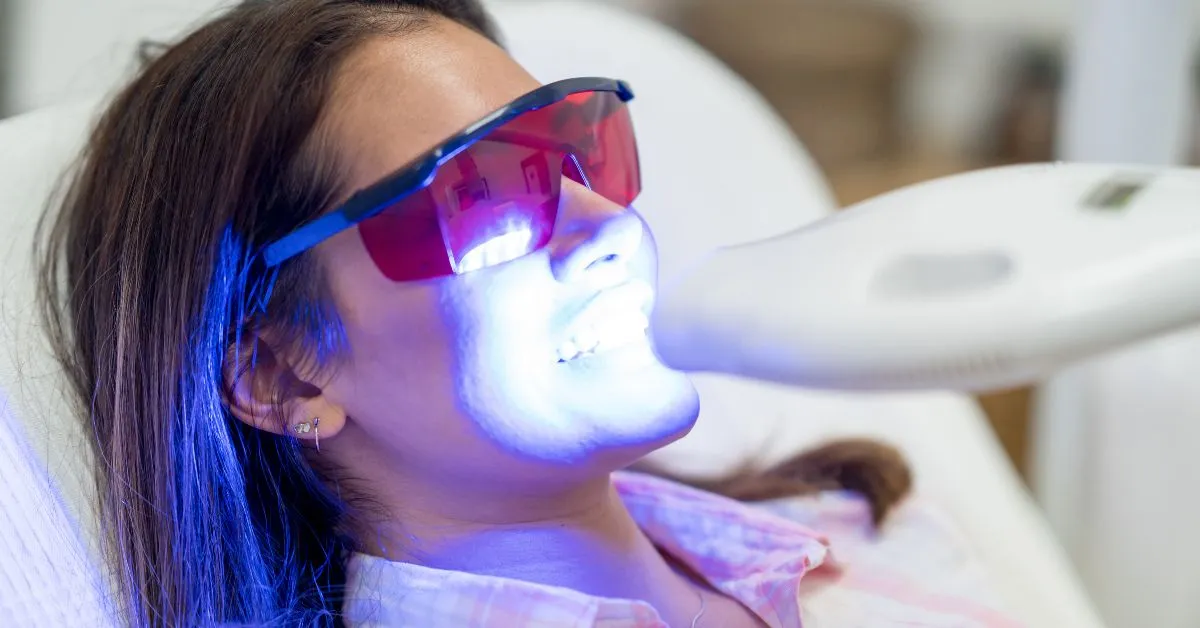
Zoom teeth whitening uses a potent whitening gel containing hydrogen peroxide as the core agent to break down the tough stains on teeth as part of the bleaching action. This process gives faster results, and one of the reasons is the unique LED light that activates this gel. 

That first look at in-office Zoom teeth whitening treatment solutions:

  • Philips Zoom WhiteSpeed

This is the solution with the best and most effective results, which are achieved in less than an hour. An experienced dentist will apply a whitening gel and then use the special LED lamp for 45 minutes. The effects are stunning, and you may be able to achieve teeth that are brighter by many shades.

For this type of Zoom teeth whitening treatment, you may be recommended a professional dental cleaning for the best results. After this, the dentist will apply a whitening gel to your teeth. Then, a special LED light (Zoom WhiteSpeed LED light) is pointed at your teeth. This process may be repeated twice, after which an enamel-protecting gel will be applied. 

  • Philips Zoom QuickPro

This is shorter than the above procedure. It takes around half an hour or less and may be used when significant whitening is not required or when you need more time. This solution’s Zoom teeth whitening cost and time are lower than Zoom WhiteSpeed’s. 

In this case, a regular cleaning session suffices, after which a whitening product is applied to your teeth. A sealant is applied on top of this product to protect teeth. You are given specific instructions and sent home. After around half an hour of application, you will brush off the whitening substance at home.

  • Zoom teeth whitening at home

A cheaper solution is also offered for use at home. Two types of treatment options are available to people who wish to whiten their teeth. These treatments may be used alone or prescribed after Zoom WhiteSpeed treatment to whiten the teeth further. 

The Zoom teeth whitening procedure for the home includes:

Philips Zoom DayWhite and Philips Zoom NiteWhite. Both these treatments are used for a short period every day for around two weeks. In the Zoom DayWhite treatment, you will wear custom trays which will fit over your teeth. Depending upon the individual case, these trays may be worn for half an hour to one-and-a-half hours once or twice a day for two weeks. In Zoom NiteWhite, you will wear the trays overnight for almost two weeks.

The at-home Zoom teeth whitening procedure will entail brushing teeth, adding a small amount of whitening gel to the custom-made trays, wearing these trays as advised, removing the trays after the prescribed time, and rinsing the mouth with cold water followed by brushing the teeth again. An enamel protection gel may be advised to apply after doing the above. 

Even the at-home treatment requires you to consult a dentist to know if the process suits you, the dos, whats, and don’ts, and aftercare. These treatment inserts should only be used when consulting your dentist. Contact us at Kirkland Premier Dentistry for all your dental care and Zoom teeth whitening queries.

Benefits of Zoom teeth whitening 

  • This is a fast treatment with evident results that can be achieved in a single visit. It is better, longer-lasting, and more effective than over-the-counter remedies. 
  • It is much safer when taken under professional supervision, where proper product concentration is used after ensuring no contradictions exist. 
  • Long-lasting dramatic teeth whitening results, with simple aftercare, means that you are more confident and enjoy the aesthetic benefits.

What is the eligibility for Zoom teeth whitening solution?

Most people can get this treatment as there are few contradictions and limitations. It is one of the less costly aesthetic treatments for your teeth.  

These are some factors which are considered essential for deciding who is an excellent candidate to get Zoom tooth whitening treatment:

  • Healthy gums and teeth mean little to no irritation and discomfort. You are a good candidate for this treatment when you don’t have cavities, gum disease, sensitive teeth, or exposed nerve roots.
  • If you have mild to moderate teeth staining due to coffee and tea, drinking red wine, smoking, etc., you are a good candidate as you will get better results.
  • Suppose you want quick results at a reasonable cost and are committed to following the aftercare instructions. In that case, you are a good candidate.

*Please note that pregnant and breastfeeding mothers and people allergic to any substances used in the treatment are not eligible.

How long does Zoom teeth whitening last?

Not only will you be stunned by Zoom teeth whitening before-and-after results owing to an evident whitening of teeth, but you will also be amazed to know that the effect may last for months to a year. When the in-office Zoom WhiteSpeed treatment is followed by the Zoom DayWhite treatment, you may enjoy white teeth and a radiant smile for 12-15 months.

If you are wondering if Zoom teeth whitening is safe, it is completely safe when done by a professional. 

You will need professional supervision and assessment to determine whether it suits you. You must also understand the process and how to avoid and minimize any side effects. 

A qualified dentist only uses a safe concentration of hydrogen peroxide in a controlled environment and resolves any discomfort. It is essential to consult an experienced dentist with whom you can communicate openly.

Temporary side effects of Zoom teeth whitening may include tooth sensitivity, gum irritation, and mild dehydration. Teeth sensitivity and gum irritation resolve soon. Your dentist may even apply gum protection products before the treatment to avoid this side effect. Drinking fluids before and after the treatment can effectively treat any minor dehydration. 

Who may not be suitable for Zoom teeth whitening treatment?

  • Pregnant and breastfeeding women need to avoid this treatment. 
  • Severe dental problems, such as exposed nerve roots of teeth, gum disease, etc., can be worsened by this treatment, so it is therefore avoided.
  • Some people may be allergic to substances used in the treatment, like peroxide, and they cannot get it. You should always discuss your medical history and allergies with your dentist. 
  • This treatment can cause severe discomfort for people with severe teeth sensitivity, and they should avoid it. 
  • This treatment will not benefit people looking to whiten crowns, veneers, or dentures. So, do not have this unrealistic expectation; seek treatment for your specific needs.

Aftercare for Zoom teeth whitening 

Any dental treatment requires aftercare to achieve the best results and minimize discomfort. With the proper aftercare, you can extend the lifespan of this treatment and enjoy a brighter smile for more than a year. 

You need to:

  • Avoid foods and drinks that can stain your teeth for at least 48 hours after getting this teeth-whitening treatment. Examples include turmeric latte, coffee, tea, red wine, soy sauce, curries, and berries.
  • As the name implies, you should follow a white diet that includes only white-coloured foods and drinks for 48 hours after your Zoom teeth whitening treatment is complete. 
  • You can consume coloured foods and drinks after 48 hours. Still, you must exercise moderation if you want longer-lasting results. Always rinse your mouth with water after eating such foods, beverages, and even other foods and drinks. 
  • Maintain a routine for good oral hygiene to remove food particles and avoid plaque deposits. 
  • Temporary discomfort and sensitivity after Zoom teeth whitening can be relieved by toothpaste formulated to reduce sensitivity. 
  • Avoid smoking as it is wrong for dental health and also stains teeth.
  • Stay hydrated where water is mostly the best choice. 
  • Limit acidic foods, especially in the initial period after your treatment.
  • Ask your dentist if you need to use any whitening products at home.
  • Always keep up with your appointments and follow the advice of your dentist for the best results and the most minor side effects.

Laser teeth whitening vs Zoom teeth whitening: which one should you choose?

These procedures are popular because they transform the smile dramatically in a reasonably short period. While the Zoom whitening procedure utilizes LED light, laser treatment uses a laser beam to activate the whitening service, which may be a faster solution. In contrast, the Zoom teeth whitening procedure may be cheaper. 

Zoom technology has been there longer than Laser treatment, which may help predict more accurate results. Which treatment is better depends on various factors like your goals, dental health status, costs, and time.

Cost of Zoom Teeth Whitening 

The cost of Zoom teeth whitening treatment can differ depending on various factors, such as the clinic you choose and your location. The cost can also depend on the degree of your problem. 

While the Zoom WhiteSpeed treatment may cost between $600 and $1,200, the Zoom QuickPro can cost between $400 and $800. The Zoom at-home treatment may cost between $200 and $500. However, you should note that the at-home treatment needs expert supervision and an initial consultation.

Conclusion 

Zoom teeth whitening is an effective and quick solution to remove those tough stains and enjoy a brighter, radiant smile. You must discuss any treatment, benefits, pros and cons with your dentist to know if it is the best option. There are different options to suit various budgets in this treatment. Suppose any underlying concerns or other whitening treatments are better for you. In that case, your dentist will advise you about them. With good aftercare, you can get excellent and long-lasting results with this treatment. 

At Kirkland Premier Dentistryyou can always communicate openly regarding any dental treatment and expect the best care and results. Contact us to address all your queries. 

How To Stop Sensitive Teeth Pain Immediately?

Do you have teeth sensitivity, and is it stopping you from having your favourite foods? Is tooth sensitivity taking the joy out of your daily life as the sharp sensation suddenly hits you, catching you unaware? 

If this is the case, don’t worry. You will understand the exact cause of the problem, symptoms, and ways to stop sensitive teeth pain. This helpful guide will be able to choose the best course of treatment. 

Suppose your tooth sensitivity has been there for more than a week. In that case, it may be time to book an appointment with Kirkland Premier Dentistry

Why Do Teeth Become Sensitive?

Sometimes, people experience pain or discomfort when they eat hot foods and drinks, cold food and drinks, or breathe through their mouth. The sensation may be a short, sharp, painful one with any of the above activities. This sharp twinge is an exaggerated response to stimuli. The stimulus may be an icy food/drink, a hot food/drink, acidic foods/drinks, exposure to air when breathing from the mouth or even brushing teeth. 

There may be a mild discomfort or a sharp, painful spasm which is why people want to know ways to stop sensitive teeth pain immediatelyThe pain may be intermittent in most cases which may be worse on some occasions and a minor discomfort on others. You can have sensitivity in all teeth or a few teeth, as there are so many causes of sensitive teeth. 

Causes of tooth sensitivity: know the culprits

Teeth are such remarkable structures that help us speak, eat and smile. These are remarkably engineered structures by nature that are constantly working and withstanding pressure. Let us first start by knowing the structure of the tooth and how damage to it causes sensitivity.

The first layer of the tooth is called a crown, which sits above the gum line and is covered by a hard outer layer, which is called enamel. This is a white layer and probably the strongest substance in our bodies. This visible first layer protects the inner structure from decay and damage.

The second layer is composed of dentin, which is also a very strong substance but not as strong as enamel. It has tiny tubes which connect to the innermost pulp. This layer makes up the majority of the tooth structure. 

The innermost substance is the pulp, which has nerves, blood vessels, and connective tissues. This is the area responsible for tooth development and sensation. It is a delicate soft tissue. 

To prevent or stop pain from sensitive teethyou must protect your tooth structure.

The part of the tooth that is anchored in the jawbone and lies beneath the gum line is called the root. It is covered by a strong substance called cementum. Molars have the most roots, while incisors and canines typically have just one root. 

When something causes the enamel to wear off, the dentin of the tooth gets exposed. This makes the tooth sensitive as the nerves pass signals from the root to the brain, causing those sharp twinges. Foods that you once enjoyed without any trouble will now be triggering pain and sensitivity. 

Causes include:

  • Aggressive brushing- using a hard bristled toothbrush, using an abrasive toothpaste, and not using proper brushing techniques can wear down the enamel over time. This exposes the dentin, which triggers the nerve signals which bring about sensitivity and pain.
  • Acidic foods and drinks- it is well known that acidic foods and drinks will wear down tooth enamel and expose the nerve endings, making the teeth sensitive. Apart from soft drinks, high-sugar drinks, undiluted vinegar, and even fruits like lemons, oranges, and other citrus fruits can cause this problem.
  • Tooth whitening procedures- especially the ones you do at home can make teeth sensitive as they have chemicals which may be damaging if used frequently. Rather than searching for how to stop sensitive teeth pain immediately after whitening, you should get professional help to avoid such side effects.
  • Gum Disease- it is important to brush twice a day with a soft-bristled toothbrush, floss regularly, and get professional help to avoid and treat dental plaque. Otherwise, the plaque can lead to gum inflammation and infection. The gums may recede as a result, which will expose the nerve endings, causing sensitivity. 
  • Teeth grinding- grinding teeth while sleeping or as a stress-induced habit can also damage the enamel and expose the dentin. This must be corrected to stop pain from tooth sensitivity.
  • Decay and cavities- a damaged dental filling, a cavity, or caries too can cause pain as well as sensitivity in the teeth. If not corrected, you will eventually lose the tooth if it gets severely decayed.
  • Hormonal changes- during pregnancy, periods, or menopause may cause temporary gum recession and sensitivity. This may resolve on its own or may need professional help.
  • Dry mouth- which may be caused by certain medications, infections like Lyme disease, etc, can also cause tooth sensitivity. People wonder if Lyme disease can cause the teeth to fall out. It will not directly lead to tooth loss. Still, chronic gum inflammation, dry mouth, and TMJ dysfunction may make teeth more vulnerable to decay. Reach out to us for direct help and guidance.
  • GERD (gastroesophageal reflux disease)- can also erode tooth enamel, which can expose the roots, causing sensitivity.
  • Sinus problems- can cause sensitivity without any damage to the teeth because of referred pain.

Home Remedies To Stop Sensitive Teeth Pain Immediately 

If you have teeth sensitivity for more than a week, you must get professional dental treatment. It is better to ask your dentist before trying home remedies for teeth sensitivity. 

A few things you can try at home are:

  • Use a salt rinse to reduce gum inflammation.
  • Use desensitizing toothpastes
  • Use fluoridated toothpastes. You can ask your dentist if a fluoride rinse is safe for you.
  • Oil pulling with coconut or sesame oil may provide temporary relief.
  • Avoid triggering foods for some time while you treat the underlying cause.
  • Avoid acidic foods and drinks or minimize contact with teeth.
  • Rinse after every meal.
  • Wear a mouthguard if you grind your teeth. 
  • If you have GERD or sinusitis, get treatment from a licensed healthcare professional.
  • Adopt healthier and more accurate brushing and flossing habits.

Stop sensitive teeth pain immediately after whitening by avoiding culprit foods and drinks for the next 24-48 hours, using a desensitizing toothpaste, applying a cold compress externally on the cheek, and using OTC pain relievers within the safe dosage. The best thing is to seek professional help.

Conclusion

Some causes of sensitivity and pain in teeth may be benign and temporary. These resolve on their own. Other causes may be more damaging and can even lead to loss of tooth or teeth if not treated. This is why it is important to see a dentist to diagnose and treat the underlying cause. Suppose a medical issue like sinusitis, Lyme disease, or hormonal issues are causing the problem. In that case, your dentist can refer you to a specialist. Sometimes dental treatments are required for these cases, too.

It is best to consult a dentist before using any home remedies. If you need professional help, procedures like dental bonding, fluoride treatment, and dentin sealers may be effective. Some people may need a dental filling or root canal treatment to treat the cause of tooth sensitivity. At Kirkland Premier Dentistryour experts excel at diagnosis and treatment for tooth sensitivity. Get your appointment soon.

FAQ – 

1. How do you make a sensitive tooth stop hurting?

For immediate relief, you can try salt rinse, desensitizing toothpaste, and avoiding foods that trigger sensitivity. For long-term relief, you will need dental treatment. If the pain is due to hormonal changes, sinusitis, or dental treatment, then it will resolve after some time.

2. Will tooth sensitivity go away?

Suppose it is due to recent dental procedures, a minor chipping of the tooth, a sinus infection, or a temporary hormonal issue. In that case, tooth sensitivity pain will go away on its own. In other cases, you will need treatment, and it will go away.

3. Is there any medicine for sensitive teeth?

There are no specific medicines to cure sensitive teeth. Still, over-the-counter painkillers and desensitizing toothpaste may provide temporary relief. Fluoride gels or treatments will provide relief after repeated application. If a dental issue is the underlying cause, then treating it will give lasting relief from sensitivity. 

4. Does salt water help sensitive teeth?

Saltwater rinses can help with tooth sensitivity because it has anti-inflammatory properties, can also reduce oral bacteria, and may even have a mild numbing effect.

5. Can periodontal disease make teeth sensitive?

Periodontal disease can lead to receding gums, which will expose the nerve endings, leading to pain and sensitivity. But did you know that periodontal disease can cause the teeth to fall out as it weakens the bone and the tissues that support the tooth?

6. Is chewing ice bad for you?

Chewing ice is bad for teeth because it can cause chipping, tooth fracture, or damage to the enamel over a period, leading to pain and sensitivity.

7. Can wisdom teeth cause headaches and sensitivity?

Erupting wisdom teeth can irritate the surrounding nerves and tissues, which can cause headaches and sensitivity. Impacted or infected wisdom teeth can cause radiating pain leading to headaches and also cause significant sensitivity.

Does Lyme Disease Make Your Teeth Fall Out?

Lyme Disease is a significant public health concern and there is a growing interest to understand this complex disease with multiple manifestations. There has been a resurgence in the cases of Lyme Disease in recent years as weather changes and other factors have led to an expansion in the tick population, with it spreading to new areas. 

People are also concerned about whether Lyme Disease can make teeth fall out, as it has a complex connection with our oral health. The bacteria behind this disease are Borrelia burgdorferi. These spiral-shaped organisms are called spirochetes and are commensals, which means that they can survive in the host without producing symptoms. This characteristic can make diagnosis and treatment even more complex for Lyme disease.

If you suspect you have Lyme Disease, consult a healthcare professional at the earliest because, with early diagnosis, this disease is completely curable with a course of antibiotics. Early diagnosis and treatment of Lyme Disease will prevent complications.

Through this blog, you will understand what Lyme disease is, how it impacts our health, and the role between Lyme Disease and dental health. You will be able to recognize concerns and get dental treatment at the earliest because of the simplified information.

Lyme disease, its transmission, and common symptoms

Lyme Disease is amongst the most common vector-borne diseases in the United States and some other countries.

It is transmitted by the bite of infected black-legged ticks, which spread the bacteria called Borrelia burgdorferi. These ticks pick up these bacteria from small animals like deer and mice. When ticks bite humans to feed, they transmit these disease-causing bacteria.

The disease progresses in stages, and this is a multisystem inflammatory disease. It can impact the heart, nerves, joints, etc, if not treated early. 

The early stage will show localized symptoms, and bull’s eye rash can be seen in areas like the groin, axilla, or belt line. This appears within 3 to 30 days after the bite. Everyone may not get a rash. Flu-like symptoms along with headache may be seen in the early stages in the absence of a rash. Lymph nodes may be swollen.

When not treated, an early disseminated phase will occur weeks to months after the infection. One may have multiple skin rashes, severe headaches, facial paralysis, arthritis, body aches, and heart palpitations.

Meningitis, neurological issues, and cognitive decline or difficulty may be seen in the late disseminated phase.

Lyme Disease and Its Potential Impact on Overall Health

These bacteria do not produce toxins or cause direct damage to the tissues. The local inflammation which results is a consequence of the host response mechanism. Most people can be fully cured, and the disease is rarely fatal.

Symptoms seen in the early stage are:

  • Fever
  • Chills
  • Malaise
  • Headache
  • Joint pain
  • Muscle aches
  • Stiff neck
  • Erythema migrans or bull’s eye rash

Late symptoms include:

  • Pain along a nerve
  • Facial nerve palsy
  • Severe headache
  • Meningitis
  • Arthritis
  • Cardiac problems like palpitations, dizziness
  • Cognitive issues
  • Polyneuropathy

People who get treated in the early stages need a course of antibiotics and are generally fully cured.

Some people, especially those who receive treatment later, will have some lingering symptoms. This is called Post-treatment Lyme Disease syndrome, and it will resolve over the next few months for most people. 

Importance of Dental Health and Its Role in Overall Well-being

Good dental health is the cornerstone for overall well-being. A healthy set of teeth and a strong jawbone facilitate essential functions of speaking properly and eating well, which involves biting and chewing. At the same time, it also facilitates the absorption of nutrition and plays a key role in immune function. 

Psychologically, a healthy and bright smile fosters self-confidence. It allows people to interact well socially. It is considered important for psychological well-being. 

On the other hand, bad oral health and poor habits can cause a battery of detrimental effects. It can lead to localized infections like dental decay, cavities, periodontitis, abscesses, etc. Systemic health issues can arise, like increased risk of cardiovascular diseases because of bacterial spread, inflammation, poor blood sugar control due to inflammation, increased risk of respiratory infections, complications during pregnancy, etc. Pain due to dental problems makes it difficult to eat nutritious foods.

These are potential complications, and risk varies based on different factors. Oral health and general health are linked intricately, and both impact each other.

Exploring the Link Between Lyme Disease and Dental Health

There is a complex link between Lyme Disease and oral health. The spirochetes, Borrelia burgdorferi, have also been found in the mouth. This can cause local issues and the other symptoms of this disease impact oral health indirectly.

As Lyme Disease can weaken the immune system, it can make it difficult for the patient to fight off other bacteria which cause cavities and gum disease. 

Some theories hint at the possibility that bacteria which cause Lyme Disease can burrow into gum tissues, and then cause infection and inflammation there. This causes chronic periodontitis. 

Some studies have shown that these bacteria can be present in root canal-treated teeth as blood supply is compromised in these teeth. They live inside the teeth rather than on the outside. 

Let us see how symptoms of Lyme Disease impact our oral and dental health. 

Impact of Lyme Disease on Tooth Health

Everyone is concerned about whether Lyme Disease can make teeth fall out. We will see how different symptoms of Lyme Disease impact dental health.

  • Dry mouth is a common symptom of this disease. This decreases saliva production, which increases the risk of cavities and gum disease. This is because saliva washes away food particles and bacteria. It also neutralizes acids and has antimicrobial properties.
  • Pain and inflammation can be a restricting factor in maintaining good oral hygiene and eating well.
  • This disease causes facial pain, which can be mistaken for TMJ dysfunction. This can make treatment difficult due to misdiagnosis.
  • It can also cause toothaches and tooth sensitivity.
  • It can cause periodontitis, pulpitis, and even changes in taste.
  • Chronic periodontitis can lead to gum recession, tissue damage, and bleeding.

Addressing Concerns About Tooth Loss

As Lyme Disease can cause chronic gum inflammation leading to periodontitis, it can damage the tissue supporting the teeth. 

Root canal-treated teeth should be tested for the presence of these spirochetes if one is suspected of having Lyme Disease to maintain a healthy oral environment. Prolonged exposure to this infection can cause loose teeth.

While acidic oral pH supports the growth of this bacteria, the bacteria themselves can cause acidic oral pH. This can damage enamel. 

As the disease weakens the immune system, making it difficult to fight infections, cavities and gum disease can rapidly progress, increasing the risk of tooth loss.

Pain and general symptoms of Lyme Disease make it difficult for people to take care of their oral health and follow a proper routine. This can make it difficult to prevent cavities and other dental problems. 

As you can see, different problems associated with Lyme Disease can make teeth fall out. 

Preventive Strategies for Dental Health If You Have Lyme Disease

Lyme Disease can directly and indirectly impact dental and oral health. Prioritizing oral health when you have Lyme Disease to prevent tooth loss and other complications is really important. 

These things can help you:

  • Maintain a consistent routine for your oral hygiene. It would help if you never forgot to brush twice a day with a soft-bristled brush and fluoridated toothbrush. Clean thoroughly by gently scraping your tongue and flossing. 
  • Restrict your intake of both acidic and high-sugar foods and drinks because these foods can promote bacterial growth.
  • Rinse after your meals to clear food particles.
  • You can use a mouthwash suggested by your dentist to help with symptoms of Lyme disease. It should be used along with brushing and flossing instead of a replacement. 
  • Hydration is important because dehydration can decrease saliva production. Dry mouth is already a side effect of this disease. Dehydration can worsen it. 
  • You can also ask the dentist or doctor for artificial saliva products or use sugar-free lozenges to manage dry mouth.
  • Oil pulling may help control the infection while keeping the oral cavity moist.
  • Go for regular dental checkups and freely communicate with your dentist about your concerns and medical history.

Seeking Professional Dental Care

It is important to seek professional dental care from an experienced dentist, as they can check your mouth for indications of Lyme Disease. Your dentist needs to be familiar with the latest health updates and issues. 

Always inform your dentist if you have or suspect you have Lyme Disease. A skilled dentist can test or send samples from root canal-treated teeth for the presence of spirochetes. They will repeat the test after treatment to ensure everything is sterilized. 

Your dentist will likely postpone treatment like tooth extraction to avoid triggering flare-ups. 

An experienced dentist can diagnose if you have dental issues or nonspecific orofacial pain, TMJ, and no specific dental issue. They can then refer you to a physician for diagnosis and treatment of Lyme Disease.

A Lyme-literate dentist will be able to take alternative approaches for dental care in case of active infection. They will also be able to guide you in maintaining oral health in such cases. 

At Kirkland Premier Dentistry, our dentists will work with you to develop a personalized plan to suit your unique needs. Don’t hesitate to ask any questions. Share your medical history freely, as it allows us to take a comprehensive approach and give you the best treatment.

Things To Eat After Wisdom Teeth Removal: A Guide For Faster Recovery

Wisdom tooth removal is done to address problematic third molars, and it is a common oral surgery procedure. The procedure is generally simple and recovery also tends to be uneventful. But eating the right type of foods is important to provide nutrition while also being comfortable and non-irritating. There may be some discomfort during the recovery period, and non-irritating soft foods will minimize complications.

Your dentist will likely recommend a soft food diet for the first few days after getting a wisdom tooth extracted. This will allow the extraction site to heal without complications while also preventing the clot at the recovery site from dislodging. Fortunately, a soft food diet post a tooth extraction doesn’t have to be bland. It can still be nutritious, yummy, and satisfying.

This blog will help you navigate the different phases of recovery by providing you with some amazing food ideas and also the precautions you need to take as well as the things to avoid eating after wisdom tooth removal. Delve in!

Importance of Diet After Wisdom Teeth Removal

Wisdom tooth extraction is done when the third molar is problematic. It may be impacted, growing in the wrong direction, having decay due to difficulty in cleaning, may be causing overcrowding, etc. An experienced dentist will extract your wisdom tooth without any complications. After this procedure, you have to pay attention to what you eat.

You should know what not to eat after wisdom tooth removal to avoid complications and the best things to eat after wisdom tooth removal to speed up recovery. Your diet needs to be nutritious to provide you with nutrients which will help you heal faster. It should not disturb the healing process. It has to be comforting for you as food plays a psychological role as well. 

This guide will help you have enough food options to plan healthy meals after wisdom tooth extraction. You will be able to stock your home beforehand with a variety of liquid and soft foods according to your preferences. As you will be fasting for some period, based on your dentist’s advice, you will be hungry after the procedure. Keep your options ready, but follow your dentist’s advice to avoid disturbing the surgical site. 

Also Read: – Signs Of Wisdom Teeth Coming In

Best Things To Eat After Wisdom Teeth Removal From Day 1 to Day 5

For the first 24 hours, stick to a liquid diet because liquids are easy to digest, and the body can spend energy on healing rather than digesting. More importantly, the movement caused by chewing can dislodge the blood clot and can also irritate the wound at the extraction site. A liquid diet will prevent this.

Do not use a straw for drinking liquids for at least 48 hours(some dentists may advise longer), as drinking from a straw creates a suction vacuum, which has the potential to dislodge the blood clot. This blood clot, which will still be forming, plugs the wound, and it is essential for healing. 

Some liquids you can have after wisdom teeth extraction are:

  • Vegetable broth
  • Chicken broth
  • Pureed soups without seeds
  • Pureed lentil soup
  • Smoothies
  • Milkshakes
  • Greek yoghurt
  • Curd
  • Sherbet
  • Runny puddings
  • Runny custard
  • Fresh homemade juices 
  • Protein shakes

Soft Things To Eat After Wisdom Teeth Removal 

Patients can switch to a soft food diet after the first 24 hours if everything has gone normally without complications. You will continue to eat soft foods for a few days after the extraction. 

You can have mashed and pureed vegetables or other foods which do not require chewing for the next few days. You will still be able to enjoy the texture and feel satiety. The foods you eat must be nutritious because vitamins and minerals will help you with wound healing. At the same time, avoiding pressure from chewing will prevent the extraction site from being disturbed.

It would help if you tried to blend or mash food at home. You should avoid blending fruits with small seeds because these seeds may not be crushed and blended. These can get stuck in the wound. 

Soft and easy things to eat after wisdom teeth removal include:

  • Pureed seedless fruits
  • Thick soups and broths
  • Well cooked oatmeal
  • Applesauce
  • Homemade puddings
  • Mashed avocado
  • Jelly
  • Mashed bananas
  • Mashed beans
  • Mashed sweet potatoes
  • Scrambled eggs
  • Soft cheeses
  • Yoghurt
  • Steamed vegetables
  • Soft cooked pasta
  • Mashed potatoes
  • Pureed vegetables

You can eat cold foods after tooth extraction because they can soothe tender and swollen gums while allowing you to indulge a little. Some healthy and cold things to eat after wisdom teeth removal include:

  • Frozen yogurt
  • Ice creams
  • Cold soups
  • Smoothies
  • Chilled yoghurt or curd
  • Cold milk or vegan puddings
  • Chilled berries 

Things to Avoid Eating After Wisdom Teeth Removal 

You will have to avoid certain foods for some time after wisdom tooth extraction. The worst things to eat after wisdom teeth removal are those which can:

  • Dislodge the blood clot from the extraction site. This clot is crucial to healing and it also prevents infection at the extraction site. Hard, crunchy, sharp, or sticky foods can irritate the extraction site and dislodge the clot. This will slow down the healing process, cause discomfort and pain, and it will also increase the risk of infection.
  • Cause irritation and pain at the extraction site and around it. Foods which can cause pain and discomfort include spicy foods, very hot foods, acidic foods, and alcoholic beverages.
  • Get stuck in the wound from where the wisdom tooth was extracted. Foods like fruits with small seeds, nuts, grains, vegetables which are not cooked properly, and certain seasonings can get lodged in the extraction site. These can be difficult to remove, and removing them may dislodge the clot. If they remain stuck, they can cause inflammation and also increase the risk of infection.
  • Leads to chewing difficulty. As the mouth is healing, there will be some pain and stiffness which will make it difficult to chew. Tough foods, chewy foods, and foods not cooked properly will make it difficult to eat as they will have to be chewed. This can irritate the wound site while also having the potential to cause accidental cheek or tongue biting.
  • Interfere with the healing process. While all the above factors can interfere with the healing process, some foods have substances which can delay healing. Products with nicotine and tobacco can interfere with the healing process, and they can also increase the chances of infection at the extraction site.
  • Foods and drinks with high sugar can also interfere and delay healing after wisdom teeth extraction. This is because a high intake of sugar can promote bacterial growth, increasing the chances of infection. It also causes inflammation in the body. It also impacts the body’s ability to heal and fight infections which is detrimental to recovery after getting a wisdom tooth extraction. 

Foods to avoid after wisdom tooth extraction due to the above reasons include:

  • Popcorns
  • Lemon juice
  • Vinegar
  • Soft drinks
  • Spicy foods
  • Alcohol
  • Small grains like rice and quinoa
  • Nuts and seeds(you can have nut butter)
  • Fruits with small seeds like guavas, sapotas
  • Crackers
  • Chips
  • High-sugar foods and drinks
  • Chewy candies
  • Hot drinks 
  • Hot soups
  • Peppercorn or other spices which can get stuck or irritate the tender gums
  • Fizzy drinks 

These can help with recovery after wisdom teeth removal

It is important to note that recovery times vary for every person because everyone has a different response, which determines healing. It is generally seen that most people can eat normally after one or two weeks of getting a wisdom tooth extracted. For some others, it may take a little longer.

You will be advised some dos and don’ts, prescribed painkillers and antibiotics, and may be given a mouthwash by a dentist. Follow all the instructions. 

You can try to:

  • Take a day or two off from work to be able to rest and plan your week to help with recovery from wisdom tooth extraction.
  • Take painkillers and anti-inflammatory medicines to help with pain and stiffness. Take medicines as instructed by your dentist. 
  • Use an ice pack externally on the cheek near the extraction site to help with pain and swelling. 
  • Avoid straws.
  • Stick to soft and non-irritating foods.

Conclusion

Now you know the best foods to eat after wisdom teeth removalProper nutrition will help in early and uncomplicated wound healing, reduce the risks of infection, minimize swelling, minimize pain, and keep you hydrated and nourished. 

Following these guidelines and sticking to the recommendations of your dentist will help you have a smooth and speedy recovery. Never push yourself hard and let the body recover at its own pace while you support it in doing so.

At Kirkland Premier Dentistry, we provide exceptional services for preventive, restorative, and cosmetic dental treatments. Reach out to us for any queries, get an appointment for your dental issues, or get an appointment to prevent dental issues. We will help you plan the right treatment for you and help you with what to eat and avoid after wisdom tooth removal. 

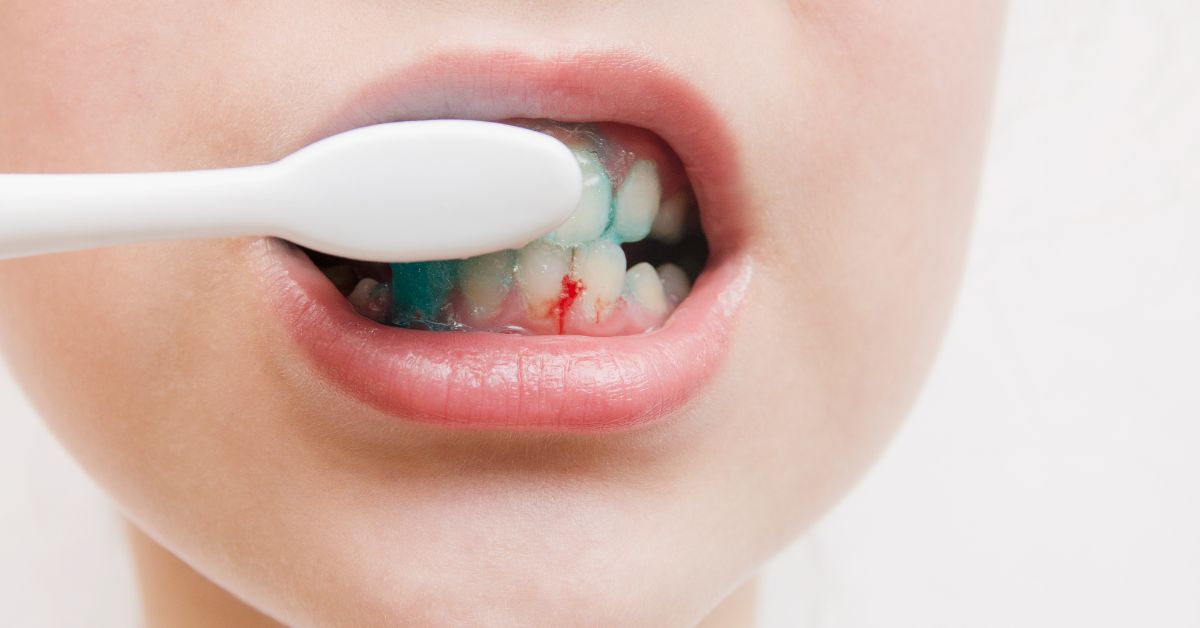
Why Do My Gums Bleed When I Brush My Teeth?

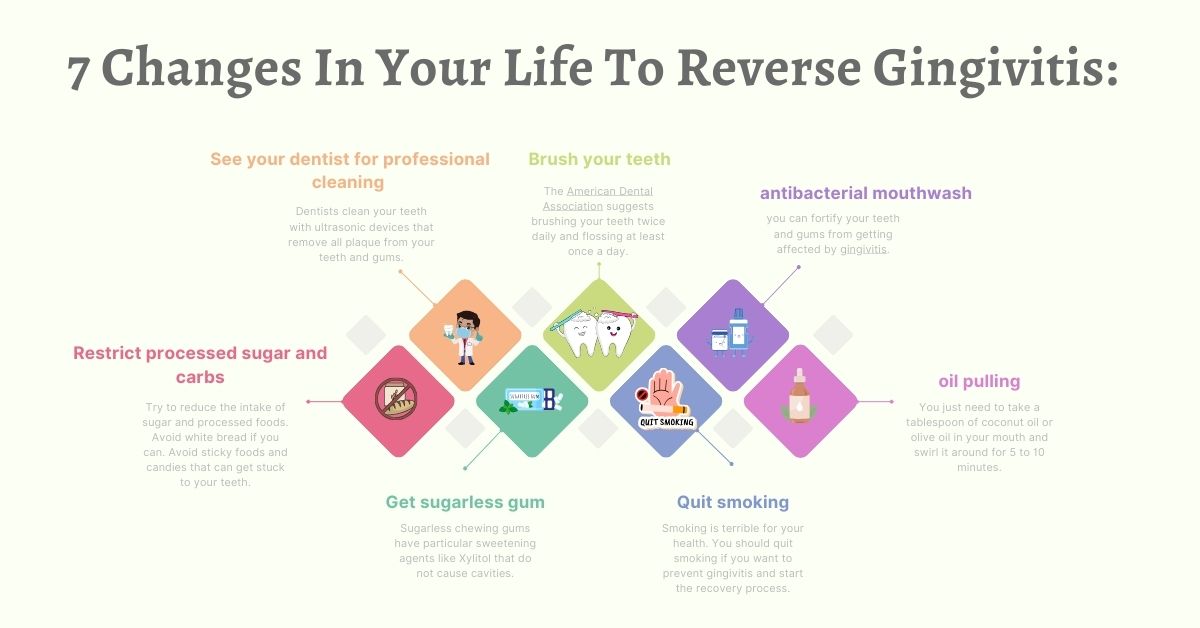
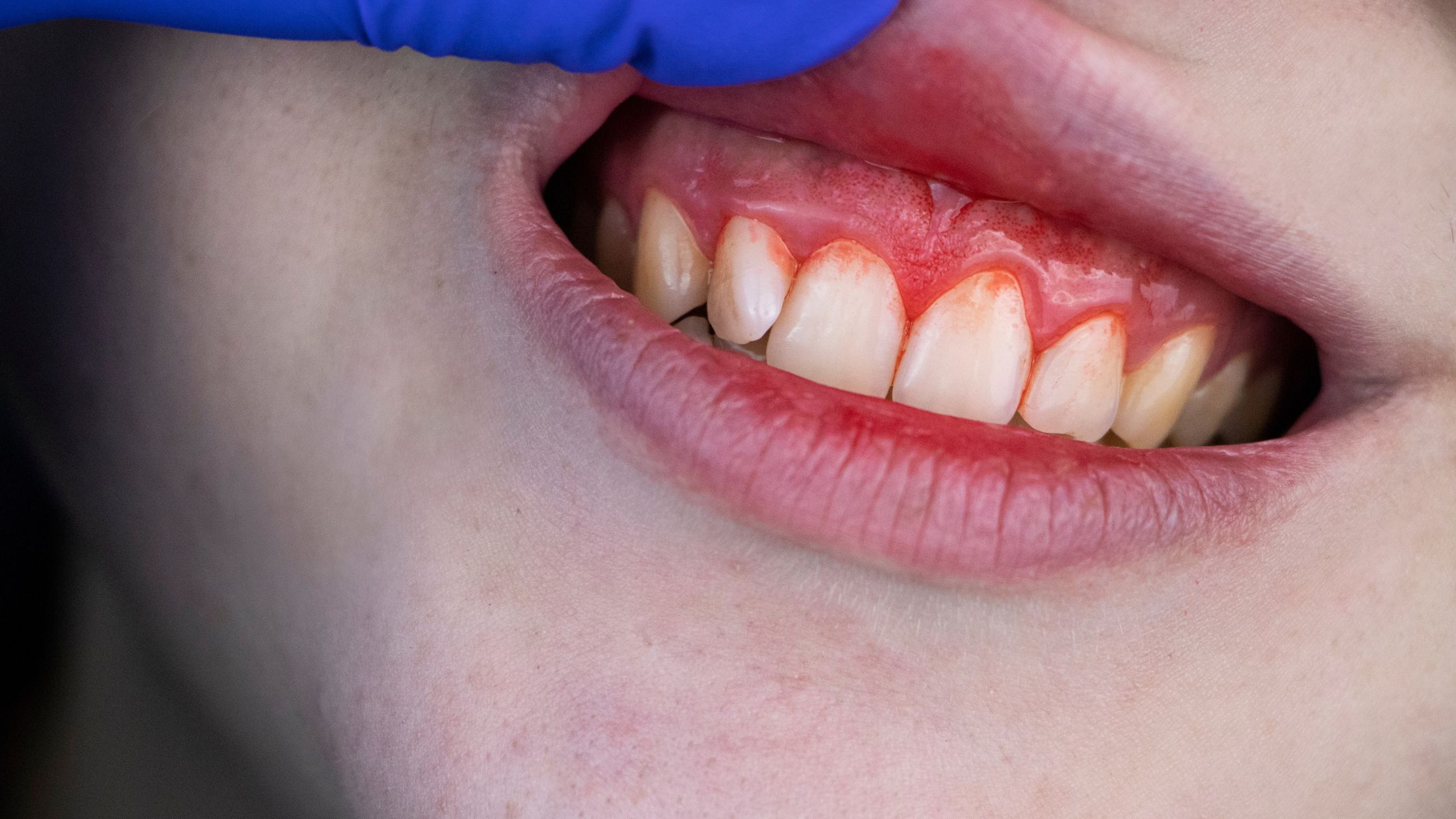
Have you noticed your gums bleeding recently? Gums can bleed for a variety of reasons, including improper brushing technique, gingivitis, inflamed gums, pregnancy gingivitis, incorrectly fitted dentures, and other health problems. 

The significance of healthy gums 

Healthy gums are essential for a healthy life. Maintaining healthy gums can even result in a longer life. This is because gum disease may point towards several health conditions that may affect your life and may turn into chronic conditions that may shorten your life span. 

What causes gums to bleed?

The most common reason for gum disease to start is neglect. Even though gum disease can affect people who take care of their dental health, the most prevalent reason is the lack of daily oral care and infrequent visits to the dentist for oral checkups. You need to ensure that your daily oral care includes brushing twice a day and using dental floss. Research suggests that flossing may add six years to your life! 

1. The relation between hormones and gums 

Some women have gum issues during menstruation, pregnancy, and menopause. Hormonal surges during puberty can cause blood flow to the gums, leading to swelling, redness, and sensitivity. Women who suffer from menstrual gingivitis experience redness and swelling in the gums, along with bleeding that starts right before their menstrual period. Gingivitis may begin in the second or third month of pregnancy and may persist through the eighth month. Symptoms of gingivitis during pregnancy may include symptoms like soreness, swelling, and bleeding gums. Using oral contraceptives can result in similar gum-related issues. Even though it is not very common, some women experience dryness, soreness, and bleeding in the gums while going through menopause. 

2. Periodontitis 

You can get periodontal disease if you don’t treat gingivitis in time. This is a long-term issue that affects the tissue and bone that give support to your teeth. Periodontitis adds to the inflammation of your gums and makes them prone to infection. Infected gums are prone to getting pulled away from the roots of your teeth. 

If you notice that your gums are bleeding easily, you may have periodontal disease. You may feel that you have a constant bad taste in your mount along with bad breath. 

3. Improper brushing technique 

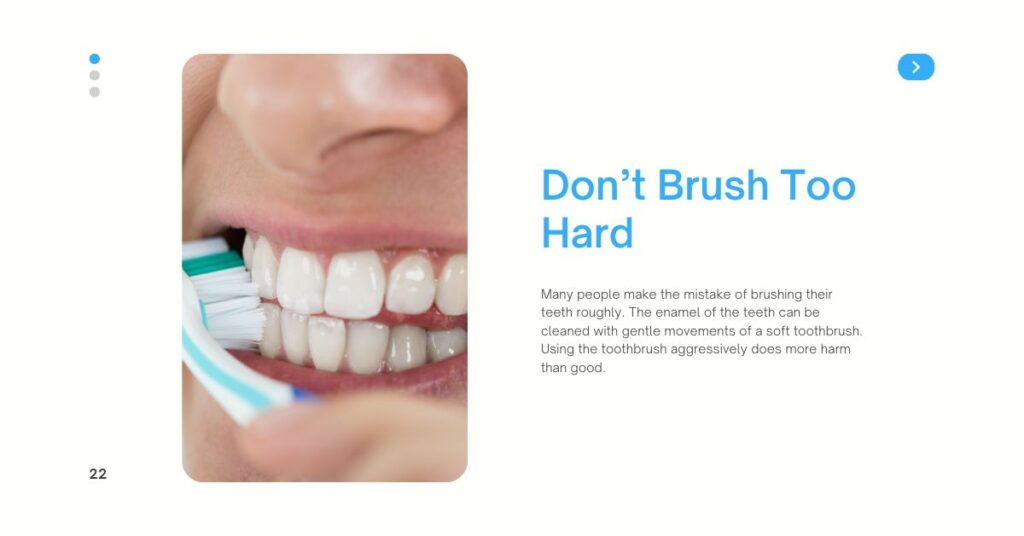
Many people brush their teeth forcefully, thinking that doing this will lead to better cleaning of the teeth. It would help if you did not forget that gums are delicate and bushing them vigorously may harm them. 

It would help if you considered using a soft-bristled toothbrush to brush your teeth. If you want more controlled movements, you can try an electric toothbrush. Brushes with hard bristles can damage your teeth’s enamel and lead to swelling, redness, and even holes in your gums.

Make sure you brush your teeth in gentle, circular motions to clean your gums and teeth gently. Please do not use the back-and-forth motion to brush because this can harm your gums and make them recede or bleed. 

4. Scurvy

An extreme shortage of vitamin C in your body may lead to scurvy. This is a rare disease that is lined with poor nutrition. It also leads to weakness and anemia, which causes bleeding under the skin. If you have bleeding gums, it may be a sign of scurvy. 

5. Deficiency of Vitamin K

Bleeding gums may point towards a Vitamin K deficiency. Vitamin K is responsible for blood clotting and is also beneficial for bone health. If your body is not absorbing the vitamin perfectly, you may experience bleeding gums. 

6. Tobacco 

Tobacco products can severely affect your oral health and can damage your gums in terrible ways. Smokers are prone to developing gum disease. If you have healthy gums and don’t want to suffer gum issues like sensitivity, redness, and bleeding, you should avoid smoking. 

7. Heart disease 

Studies have shown that there is a significant link between heart disease and gum disease. People with gum disease are prone to getting heart disease. Scientists have found that plaque buildup on your teeth may be a predictor of plaque buildup in your arteries. 

8. Diabetes 

Diabetes is a disease that affects millions of people from all around the world. Gum disease is fundamentally related to diabetes. Diabetes makes gum disease worse, and gum disease makes diabetes worse. Diabetes restricts blood flow to the gums, which doesn’t allow the gums to stay in good shape. The gums don’t get enough healing cells through the blood, which makes gum disease worse. This is how diabetes makes gum disease worse. 

Solutions to stop gums from bleeding 

Regular dental hygiene 

Bleeding gums are a clear sign of improper dental hygiene. When plaque builds up along the gum line, gum inflammation occurs. If you don’t brush your teeth frequently or correctly, plaque can build up, which may lead to bacterial growth. Bacteria can cause tooth decay and gum disease. It would help if you brushed your teeth twice a day and included dental flossing in your oral care routine. 

Pregnant women need to pay special attention to their oral hygiene because hormonal changes during pregnancy may lead to the onset of gum disease and bleeding gums.

Here are some great tips for maintaining healthy teeth and gums 

  • Rinse your mouth with hydrogen peroxide 

Most people keep hydrogen peroxide for disinfecting wounds. Did you know that it can also be used to get rid of plaque, enhance the health of gums, and stop gums from bleeding? If you find that your gums are bleeding, try rinsing your mouth with hydrogen peroxide after brushing your teeth. Make sure you don’t swallow it. 

It has already been studied that people who used hydrogen peroxide for their gingivitis felt better and noticed that their symptoms, like redness and swelling, decreased greatly. This is a potent way to fight gum inflammation. 

  • Quit smoking

Smoking is related to a great number of diseases, including gum disease, heart disease, stroke, and lung cancer. In the U.S., smoking is found to be one of the leading causes of gum disease. The CDC even recognizes this. Smoking reduces your immunity. Immunity helps your body to fight off infections and bacteria. Low immunity can lead to gum disease. 

If you want to maintain perfect oral health, you should quit smoking. If you are having a hard time quitting smoking, consult your doctor. 

  • Mitigate stress levels 

Links have been found between gum disease and emotional stress. Research has found that stress causes your immunity to dip. This means that the lower your immunity, the lower your body’s capacity to fight disease or gum infections. However, it is still not clear how much stress can trigger gum disease. Some also believe that emotional trouble or high stress can lead to general neglect of oral health, which may lead to the accumulation of plaque. If you are stressed, you may want to indulge in activities that mitigate it. You can also seek professional help. 

  • Make sure you are taking enough Vitamin C

Vitamin C is known to enhance the strength of your immune system, so consuming foods rich in Vitamin C may help you fight gum disease. The lack of Vitamin C can lead to gum bleeding even if you are taking good care of your teeth and gums. You can get Vitamin C from foods like oranges, red peppers, and carrots. If you want, you can also take a Vitamin C supplement. This essential vitamin and antioxidant ensures that the lining of your gums is protected. The recommended daily dosage of this essential vitamin for adults is around 65-90 milligrams/day. 

  • Know the importance of Vitamin K.

Did you know that Vitamin K is responsible for blood clotting? Supplementing with Vitamin K may help you with bleeding gums. A deficiency of vitamin K may cause your gums to start bleeding easily. If you want to have enough Vitamin K in your diet, include foods like spinach, collard greens, kale, and mustard greens in your diet. The recommended amount of Vitamin K per day is 120 micrograms for adult men. 

Conclusion 

If you have been doing everything right and still experience gum bleeding, you may want to see your dentist. Your dentist may perform a deep dental cleaning procedure to remove accumulated plaque and tartar from your teeth and gums. They may also recommend tests to check for any vitamin deficiencies or underlying health problems. 

If you have gum issues and need help, please reach out to us at Kirkland Premier Dentistry. Our experienced dentists will sit with you and create a treatment plan that suits you best. You can expect to find a comforting environment at our clinic. You can book a consultation right now. 

How Long Until a Tooth Infection Kills You: Understanding Risks & Prevention

Toothaches are a common occurrence. Most of the time, simple home remedies may be enough to deal with a toothache. But sometimes, a toothache may be a sign of something more severe, like a tooth infection. It is essential to understand that timely intervention is vital so that you don’t have to Google how long before a tooth infection kills you. 

There is no such timeline available because the severity of an infection, mortality, and morbidity due to an infection depends upon various factors like age, type of infection, past medical history, present health status, time at which one seeks treatment, and so on. 

This article on how long until a tooth abscess kills you aims to help you avoid letting a tooth infection become life-threatening. We will explore the timeline of the progression of a tooth infection, recognize symptoms of tooth infection spreading to the body and other danger signs, and explore preventive as well as remedial measures. 

Understanding the risks and when to seek treatment can help you keep a healthy smile and ensure overall well-being. 

Tooth Infection: How does it progress?

Tooth infections are also called dental abscesses which are a result of bacterial invasion of dental tissue. Bacteria enter the inner pulp of your tooth by gaining access through a cavity in the tooth, a crack, or exposed gum tissues. Sometimes, trauma from a brush or something else can also give access to the bacteria to invade. These bacteria can then multiply, leading to inflammation and pus formation. These pus-containing pockets can form in the tooth, the gum surrounding the tooth, bone, or soft tissues. Initially, you will have mild discomfort. If you do not treat it, the infection will progress, and you may face serious complications. 

Not everyone with a cavity or exposed gum develops an infection, but these are risk factors, which is why you must seek treatment.

How can a tooth infection spread to the body

Most tooth infections are localized and discomfort is also localized. But there is always a chance that the infection may spread quickly and symptoms become more pronounced.

When an infection progresses, it can spread to the root of the tooth, becoming a painful abscess. When it is not treated, it will extend and travel to areas like the mouth, jawbone, and even to blood. An infection, when it reaches the blood, can travel to the heart and brain.

Signs and Symptoms of a Severe Tooth Infection

  • Intense throbbing pain that may radiate to the jaw, neck, and ears. The pain may worsen over time.
  • Inflamed gums may be swollen, red, sore, and may even ooze out pus.
  • Fever with chills, malaise
  • Pain and difficulty in chewing and opening mouth
  • Foul taste
  • Bad breath
  • Loose tooth
  • Infected tooth becomes sensitive to hot and cold foods and drinks
  • Bump on the gums

Symptoms of Tooth Infection If It Spreads to the Body

When left untreated, a tooth infection can spread to the body, especially in immunocompromised people and older adults. 

Symptoms of tooth infection spreading across the body include:

  • Lymph nodes in the neck or jaw may be swollen
  • Problems with swallowing
  • Difficulty in breathing
  • Skin rash
  • Facial swelling and flushing
  • High fever
  • Swelling on one side of the neck

If you notice these symptoms, you should not delay getting medical attention as the infection can now spread to the blood. Delaying will also cause extensive damage to the dental tissue. Get your appointment at Kirkland Premier Dentistry for expert help.

Risks and Complications of a Tooth Infection

Although it is rare for tooth infections to turn profound, there are potential complications when a tooth infection is neglected. These are:

  • Sepsis from a tooth infection: Sepsis is a life-threatening condition at any age. It is when an infection triggers the body’s response, resulting in injury to its tissues and organs. An untreated tooth infection can lead to sepsis when an infection reaches the bloodstream. Early treatment of a tooth infection effectively prevents sepsis.
    • Signs of sepsis from tooth infection are:
      • High body temperature(fever) or low body temperature(hypothermia)
      • Rapid and shallow breathing
      • Elevated heart rate
      • Severe pain and discomfort
      • Confusion or delirium

In the later stages, there will be a persistent skin rash, extreme shivering, reduced urine output, slurred speech, loss of consciousness, etc. It is a medical emergency where the patient should be immediately taken to the ER. A tooth infection can potentially kill you if it progresses to sepsis, which is a rare case scenario.

  • A tooth infection can spread to the brain: In rare cases, a neglected tooth infection can spread to the brain. Here, the least common way of spread is a direct spread where the jawbone and fascial spaces are infected. From here, the infection can further spread to the base of the skull and potentially enter the brain. It rarely occurs. A more common route, and again something that rarely happens, is when infection from the bloodstream travels to the brain. In both cases, a brain abscess forms.
    • Signs of tooth infection spread to the brain include:
      • Signs of a tooth infection
      • Severe headache
      • Fever
      • Confusion
      • Seizures
      • Loss of consciousness 
      • Vomiting 

Again, this is an emergency, and you must go to the ER. Prioritise oral care and seek early treatment so that you never have to worry about complications.

  • A tooth infection can potentially cause Ludwig’s angina: This is a result of a progressing tooth infection that may extend beyond the tooth and block airways, causing breathing difficulties and requiring immediate medical attention.

Treatment and Prevention of Complications From a Tooth Infection 

If you suspect you have a tooth abscess or infection, seeking immediate dental consultation is essential. Treatment may include antibiotics, draining the abscess, root canal treatment, or an extraction when the infection is severe enough to have damaged the tooth beyond saving.

Delaying treatment for an infected tooth or gum can prolong your pain and other symptoms, may require additional procedures, and thus add to the costs while also prolonging the recovery period. 

You can avoid tooth infections and complications arising out of it by maintaining good oral hygiene which includes brushing and flossing using suitable techniques, decreasing your consumption of sugary foods and drinks, and getting regular cleaning from an experienced dentist. If you have bad breath, a damaged tooth, swollen gums, or other dental issues, you should consult a dentist. Never skip your regular checkups.

How long before a tooth infection kills you? 

Is there a simple answer?

The time frame in which a tooth infection can become severe and then turn life-threatening varies greatly. It does not happen overnight, and it would typically take weeks to months for an untreated infection to spread and become fatal. The timeline for this progression from a simple to severe tooth infection is influenced by various factors such as:

  • Overall health: like most infections, it is people with compromised immune systems, like those undergoing chemotherapy or having HIV, and people with chronic diseases like diabetes or kidney failure, who are more susceptible to a rapid progression and spread of tooth infection to other parts of the body.
  • The severity of the infection is another crucial factor here. Along with this, how an individual’s body responds to an infection also plays a role. Early treatment will halt the progression, while delayed treatment may not be enough, and aggressive intervention may be required. 
  • Underlying medical conditions like heart disease, lung disease, and a few others can also lead to a worse prognosis in case of a tooth infection that spreads.
  • Age can be a factor here, too, as older adults may not be able to fight infections well. This is especially true for those who have other diseases. 

The risk of morbidity and mortality from tooth infections is indeed shallow, but prompt dental treatment is essential to avoid all types of complications and for general well-being.

Conclusion

The death rate from tooth infection is meager today thanks to advanced medical care and awareness. This is especially true for developed countries where awareness is generally high. It is essential to recognize the early signs and symptoms of tooth infection and not wait for things to worsen. Early intervention makes all the difference. A healthy smile is not just a beautiful feature but also reflects your oral health. Get an appointment with experts at Kirkland Premier Dentistry for regular checkups and any dental health issues. 

FAQs

1. What is the duration of tooth abscess with antibiotics?

Antibiotics are often prescribed to treat a tooth infection, where a typical course lasts for 7-10 days. You have to complete the course, even if symptoms improve earlier, to ensure the complete eradication of bacteria.

2. Can Listerine kill tooth infection?

Mouthwash like Listerine may be prescribed to you, or you can use over-the-counter mouthwashes on your own as well. They do help you maintain good oral hygiene by reducing the number of bacteria and helping with bad breath, but they don’t treat a tooth or gum infectionIt would help if you had professional dental care and treatment for an infection.

Ultimate Guide: Speed Up Wisdom Teeth Recovery & Care

Wisdom teeth are four permanent teeth found at the top and bottom in the corners of the mouth. Impacted, infected, or poorly directed wisdom teeth may have to be extracted.

It is a common surgical procedure. You need to know how to speed up wisdom teeth healing. Many people are concerned about the recovery process after wisdom tooth extraction as they want to avoid postoperative complications and discomfort. 

Several internal and external factors influence each person’s experience with wisdom teeth extraction and recovery. This post will discuss these factors, including expected recovery times, potential complications, home remedies, aftercare to speed up recovery, etc. We hope the insights provided here help you with faster recovery.

Day-by-day wisdom teeth recovery timeline

Looking to deal with wisdom tooth woes? You are not alone. These wisdom teeth served our ancestors but didn’t play an important role for us modern humans.

They can cause problems during eruption, like pain and inflammation, overcrowding, impaction, infection, and difficulty in cleaning. This is when we are advised to get them extracted. 

Modern-day wisdom tooth surgery puts the patient at ease with suitable numbing and anesthetic agents. An incision is made to access and remove the tooth using specialized instruments. This incision is closed with stitches. Dentists aim for fast recovery and minimal discomfort. 

A simple or non-surgical wisdom tooth extraction can be done by pulling the tooth out under anesthesia when it is visible and easy to reach. 

The stages of healing after wisdom tooth removal are: 

  • Stage 1 lasts for 24 hours. This is when the clot forms. A gauze is given to bite on to stop bleeding.
  • Stage 2, the next 48 hours, is when maximum recovery happens. Swelling and pain will reduce significantly. The worst pain day after wisdom tooth extraction for some people may be the second or third day as swelling may be maximum. 
  • Stage 3 starts after three days when the extraction site is slightly sore. But pain, swelling, and bleeding are no longer there.
  • Stage 4 lasts one to two weeks after extraction with a fully developed blood clot and a healed socket. This stage requires being careful as the healing tissue is still delicate.
  • Stage 5 is after three weeks, and healing should be complete by now. Oral hygiene with gentle attention to the extraction site is needed now.

Factors influencing recovery

The above stages are a general idea as various factors determine healing and recovery. Most discomfort goes away, and healing occurs between 7 and 10 days. Complete recovery after wisdom teeth extraction takes a few weeks to months.

The following factors determine day-by-day wisdom teeth recovery after extraction:

  • Age- Young patients have less dense bone, so the extraction is less complicated. Healing is also faster at a young age. 
  • Health status- A patient’s general well-being is important, as a healthy person has a better immune response, leading to faster recovery. On the contrary, people with chronic diseases like diabetes, autoimmune diseases, or immune deficiencies recover slowly. Some medicines can also impact recovery.
  • Type of extraction- Simple dental extraction without an incision shows faster healing than surgical extraction. The more complex the procedure, the more tissue damage there is. This also slows the recovery. 
  • Inherent healing response- Some people have less swelling, better tolerance to pain, and less inflammation. There are natural variations impacting recovery after dental procedures.

Also Read: – Process of Wisdom Teeth Removal

Foods to eat after wisdom teeth removal

Eat soft foods or pureed foods at room or cold temperatures, such as mashed potatoes, yogurt, custard, pureed lentils, and scrambled eggs, as these will not irritate the wound. You won’t have to chew these foods, so there won’t be pressure on the extraction site.

Protein shakes, smoothies, milkshakes, and fresh juices can provide hydration and nutrition while being easy to consume. Don’t use a straw. 

Lukewarm or preferably room temperature soups, broths, cooked fruits, and vegetables can also provide satiety and nutrition and satisfy taste buds. Examples are mashed bananas, stewed apples, tomato soup, etc. 

Avoid these foods for faster healing after wisdom teeth removal. 

Avoid anything that can irritate, hurt, pressure, or scrape the extraction site. 

Therefore, you must avoid hard and crunchy foods, including uncooked or lightly cooked vegetables, fruits, chips, etc. Spicy foods are avoided as they can increase inflammation and irritation.

Hot foods and beverages can cause the clot to dissolve or dislodge. They may also irritate the sore tissue. 

Alcoholic beverages and smoking can irritate as well as interfere with healing. 

How do home remedies speed up wisdom teeth recovery?

Certain home remedies are useful for relief after wisdom teeth extraction.

It is better to consult your dentist before trying home remedies, especially if you have chronic health issues or a complex case.

Here are the home remedies after wisdom teeth extraction:

  • Always follow the instructions given for aftercare.
  • As this is a surgical procedure, you should rest immediately afterward.
  • Avoid strenuous activities for a few days. Keep yourself well hydrated to help heal and keep the oral cavity moist.
  • Apply a cold compress on the outside to reduce swelling and pain.
  • Do not remove the gauze for a few hours on the first day after wisdom tooth extraction. Change it frequently as advised after that.
  • Maintain oral hygiene to speed up healing after wisdom tooth extraction. This also prevents infection of the extraction site. Brush teeth gently, only after 24 hours, as told by the dentist, avoiding the extraction site. 
  • You can gently rinse your mouth with salt water after 24 hours have passed following extraction.
  • Take antibiotics and anti-inflammatory medicines as prescribed by your dentist after tooth extraction.
  • Drink or eat only cold or normal-temperature drinks and soft foods. 
  • Avoid hot foods and drinks, spicy foods and beverages, or anything that can irritate the site or pressure the healing wound.
  • Avoid sleeping on that side. 
  • Don’t rinse the mouth vigorously; don’t use a straw for a few days as the clot (formed at the extraction site, which prevents bleeding and fastens healing) can get dislodged. 
  • Avoid smoking and alcohol as these can affect the healing time. They can also play a role in postoperative complications.
  • Avoid physical activities which can lead to a direct impact on the site of tooth extraction.

Also Read: – When Can You Use a Straw After Wisdom Teeth Removal?

Avoiding complications after wisdom teeth removal- find all the information here

Complications after wisdom teeth extraction to watch out for:

  • A dry socket is the most common issue after tooth extraction. It occurs due to the clot getting dislodged or when the clot dissolves before the wound at the extraction site has healed. This can cause intense pain and can delay healing. If you think you have a dry socket or have severe pain that is not getting better with over-the-counter painkillers, reach out to your dentist. 
  • Infection is a potential complication after any invasive dental procedure like a wisdom tooth extraction. Signs include discharge from the site, severe pain, swelling, fever, bad taste in mouth, malaise, etc. You should contact your dentist if you notice any such signs.
  • With any invasive dental procedure, there will be minor swelling and pain. However, your dentist should look at any significant bleeding and increasing swelling that does not improve over time. 
  • Nerve damage is a rare complication when the nerve is close to the tooth being extracted. See only an experienced dentist for wisdom teeth extraction, which is very important. 

With nerve damage, you can have numbness or tingling in the lip, tongue, or chin, and you should immediately see your dentist.

Few things you can do to avoid complications after wisdom teeth removal

  • Eat cold foods more often during the early stages of healing as they help to contract the blood vessels, which leads to rapid clot formation.
  • Don’t touch the extraction site with your lips or fingers.
  • Keep and change the gauze as instructed. 
  • Don’t brush or rinse for at least 24 hours after tooth extraction. Brush and rinse gently afterward, and avoid the extraction site when brushing. 
  • Don’t use a straw for a few days, as you wouldn’t want to dislodge the clot.
  • Rest well and hydrate in the early stages. 
  • Gargle gently with salt water 24-48 hours after every meal (as instructed by the dentist) because it prevents bacterial growth and reduces swelling. 
  • Take antibiotics and anti-inflammatory medicines on time as advised.
  • Eat only soft foods for a few days.
  • Don’t miss your follow-up checkups. 

Conclusion:

Following all the tips and dos and don’ts mentioned here will help you manage pain and swelling after wisdom teeth extraction and with faster recovery. 

At Kirkland Premier Dentistryour dentists are best equipped to extract wisdom teeth with a rapid recovery. Learning how to care for yourself after getting wisdom teeth removed is important. 

Experienced dentists help you avoid complications, and you don’t experience any discomfort. We are committed to providing you with a smooth, comfortable experience and recovery. Reach out to us for queries and guidance

Dental Implant vs Crown: A Guide to Choosing the Right Treatment

Every person who suffers from dental problems, such as missing teeth or damaged teeth, is looking for treatment options between dental implants and dental crowns. However, confusion often arises as many of us wonder which is the best choice for our specific dental issues. 

This comprehensive guide aims to provide an in-depth coverage of the differences between dental implants and crowns. We’ll delve into their procedures, benefits, drawbacks, suitability for different cases, financial considerations, infection risks, maintenance and care, and future trends and innovations. 

By the end of this article, you will have a better understanding of the disparities between dental implants and crowns, empowering you to make an informed decision regarding which option best suits your case. 

Introduction to Dental Implants and Crowns

Now, let’s delve into the world of dental implants and dental crowns.

Overview Of Dental Implants

Essentially, dental implants serve as the artificial roots of teeth, typically implanted into the jawbone, to address issues caused by missing teeth. This solution not only provides relief from chewing and speaking difficulties but also ensures that individuals can smile confidently without any embarrassment. 

The placement of dental implants involves a surgical procedure, enhancing both the aesthetics and functionality of your smile. The durable nature of dental implants ensures long-lasting results, with materials like titanium or other biocompatible substances contributing to their success. 

Overview of Dental Crowns

Dental crowns are required when there is no way to prevent teeth damage through any filling. This means the teeth are too damaged, and there is no other way to avoid it. At that time, your dentist uses dental crowns. Dental crowns provide strength, improve shape, and enhance overall appearance. The Dental Crown is a cap designed to resemble a natural tooth. It must prevent your teeth from becoming weak. Most likely, the doctor will recommend a crown after root canal treatment (RCT) when the teeth become weak.

Dental crowns are used for broken, decayed, or aesthetically compromised teeth. The dental cap can be made from various materials such as metal (appearing silver and made with steel), porcelain, and E-max (known for its durability), or a combination of metal and ceramic, etc.

These types of caps can also be created using computer-aided design and computer-aided manufacturing (CAD-CAM). Because a computer makes caps, the chances of human errors are very low. The fitting of caps made by CAD-CAM is significantly different and superior compared to handcrafted caps. However, CAD-CAMs are more expensive than other caps.

Compare the Benefits and Drawbacks of Both Dental Implants and Crowns

Now, check the difference based on the benefits and drawbacks of both dental implants and crowns.

Benefits of Dental Implants Over Crowns

Here are some of the points or areas where dental implants are more beneficial than dental crowns.

  • Durability: – Based on durability, dental implants are better than dental crowns. The average lifespan of the dental implants is 10 to 30 years. Which is based on the age when you got the implants. On the other hand, dental crowns have only 5 to 15 years lifespan. You could also face many problems like Replacement.
  • Natural Appearance and Functionality: – Dental implants are not a visible part of the tooth; they are artificial tooth roots placed in the jawbone through surgery, providing a strong foundation for the visible region. The visible part is the dental Crown, which connects to the dental implant through an abutment. An expert dentist plays a crucial role in this process. The success rate of dental implants depends on the dentist’s expertise and the Crown’s appearance matching with the surrounding teeth.

Benefits of Dental Crowns Over Implants

Let’s explore the areas or points where dental crowns are more beneficial than dental implants.

  • Affordability and Cost Considerations – There is no doubt that dental implants are considerably more expensive compared to dental crowns, but it’s crucial to understand why they carry a higher cost. If you opt to replace damaged teeth with dental implants, the expense covers the entire procedure. This is because it involves a surgical process to place the implant in the jawbone, and the cost also includes the additional fee of the dental Crown, which is necessary for implant surgery. On the other hand, if you choose a dental crown to address damaged teeth or as part of a dental bridge, you only need to cover the treatment cost. In this case, there are no additional charges like those associated with dental implants.
  • Preservation of Natural Tooth Structure – Dental crowns are better and have more advantages than dental implants when it comes to saving natural tooth structure. This is because, with dental implants, dentists have to take out the whole tooth structure. On the other hand, with dental crowns, dentists use a crown to cover the visible part of the damaged tooth, and there’s no need to remove the underlying tooth structure.

Drawbacks Of Dental Implants

Now, you should also be aware of the drawbacks of dental implants. Here are some disadvantages of dental implants that you should consider.

  • Possibility of the infection – If an expert does not do a dental implant or is not successful, there is a high chance of infection. These infections can lead to swelling and pain, affecting the gums and bone around the implant. These infections may occur during or after the surgery, especially if the implant fails.
  • Nerve and other structure damage: – A dental implant can potentially cause harm to your nerves, especially when the implant is placed too close to the nerves or other nearby structures. This situation may lead to issues such as bleeding, weakness, pain, and, in severe cases, paralysis. However, the occurrence of these problems depends on the specific location where the implant is placed.
  • Coverage of Insurance: – Dental implants are often more expensive compared to other treatment options, and crowns that go along with them can also add to the cost. Additionally, insurance may not cover these expenses
  • Time-Consuming: – Dental implants can take quite a long time, typically 6 to 12 months, to complete the entire process. Patients may need to schedule multiple appointments, which can be irritating for some.

Drawbacks Of Dental Crowns

It’s not necessary that any treatment only has benefits; there are usually some drawbacks as well. Just like we saw some disadvantages of dental implants earlier, dental crowns also have some downsides, which are mentioned below.

  • Removal Of Natural Teeth: – The biggest drawback of a dental crown is that it involves removing some natural teeth around it, which can never be replaced.
  • Repair And Replacement: – Over time, dental crowns may require repair or Replacement because they can break or fracture for various reasons. This could necessitate the need for fixing or replacing them.
  • Trap Of Bacteria: – If dental crowns are not properly fitted or sealed, bacteria can enter, potentially causing damage to the teeth. This becomes a significant issue with dental crowns.

Dental Implant vs Crown Procedure Explained

Now, let’s understand the difference between dental implants and dental crowns based on their procedures. What are the stages during the process for both?

Dental Implant Procedure Explained

Check the procedure of dental implants, which can take up to 6 to 12 months to address missing teeth or other problems.

  • Meet with a dentist: – First, you meet with a dentist and discuss your dental problems and needs. A professional dentist thoroughly examines your mouth and informs you about treatment options. A complete customized plan for your dental implant surgery is then created.
  • Tooth Extraction and Bone Grafting: – If you have a damaged tooth that cannot be repaired through other treatment options, the dentist may need to extract the tooth to make way for the dental implant. If your jawbone is not strong enough to support the implant, meaning it cannot do so, the dentist may need to perform bone grafting. This procedure aims to strengthen your jawbone, ensuring that the implant surgery is successful and effective.
  • Artificial Root Placement: – During the implant procedure, a professional dentist makes a small incision in your gums to expose the bone and create a hole. In this hole, a titanium screw-like structure is fitted, acting as an artificial root to support the visible part of your teeth.
  • Connector: – As soon as the dentist successfully places the implant in the bone, they need to reopen the gums. This is because the dentist attaches a connector, typically made of metal, on top of the implant. This connector called an abutment, serves as a link to connect the visible part of the tooth or the Crown to the implant.
  • Create Crown: – Now, the dentist examines your entire mouth, observes it, and then designs a suitable crown. This Crown is crafted to match your other teeth in terms of color, shape, and overall appearance.
  • Multiple Visits: – Now, for the optimal performance of your implant, you need to visit the dentist regularly. This allows the professional to carefully observe your mouth and the implant, ensuring that any potential issues are addressed and the procedure remains successful. Through these checkups, the dentist verifies that everything is in order and advises on maintaining good oral hygiene practices. Multiple checkups are conducted to ensure the ongoing well-being of your implant.

Dental Crown Procedure Explained

Now, let’s check the procedure for a dental crown. Examine the steps and stages you go through after choosing dental crowns as your treatment option.

  • Consultation – Firstly, you need to consult with a dentist. The dentist conducts a full X-ray of your mouth to thoroughly examine your teeth, checking the condition of the roots and adjacent teeth. Afterward, the dentist presents treatment options and discusses the shape and color preferences for the Crown. You may also require root canal treatment before getting the Crown.
  • Preparation – Now, the dentist prepares your teeth for the Crown. A professional dentist trims and shapes your teeth for the Crown, considering the surrounding teeth. Then, a temporary artificial crown model is created to protect your damaged teeth until the final Crown is ready.
  • Creating Crown – Now, the dentist sends the temporary Crown to the laboratory, where technicians begin crafting the final Crown. They use materials such as metal, porcelain, ceramic, or a combination of metal and ceramic, depending on factors like the tooth’s condition, preferences, durability, cost, appearance, and the location of the tooth.
  • Cement The Crown – Now, after creating the permanent Crown, the dentist removes the temporary Crown and cements the new one in place. Before cementing, they ensure that the Crown matches your natural teeth, making any necessary adjustments for a seamless fit. Additionally, the professional dentist guides you on how to care for your newly placed crowns to ensure their long-lasting effectiveness.

In Conclusion

Now, if you have damaged teeth or require treatment such as dental implants or dental crowns for your dental problems, you must first understand what they are and in which cases they are suitable. Always consult with your dentist and communicate your teeth problems, whether they are missing teeth or damaged teeth. The dentist will thoroughly examine your teeth and, based on your condition, suggest better treatment options that work well for your case.

Although we discussed the comparison between dental implants and crowns, it is essential to understand them individually because both are distinct treatment options yet interconnected. They play different and beneficial roles depending on the conditions and suitability of the teeth.

If you have any queries and want to determine which treatment option works best for your dental care, between dental implants and crowns, consult with our experts at Kirkland Premier Dentistry. They will listen to you, assess your teeth conditions, whether through a physical visit or virtually and recommend the best option for your comfort.

Unveiling the Reasons: Why No Dairy After Dental Implant Surgery

Dental implants are commonly found as solutions for missing teeth for individuals because they provide a permanent aesthetic and pleasant look to your mouth structure. Alternatively, individuals experiencing issues with two classes of teeth also opt for dental implants. A person with a dental implant can go through minor surgery. At the same time, the routine still requires specific post-dural care for the best outcomes, and focusing on dental care after implants, you have to set in about food items, particularly avoiding dairy products, but why? Why no dairy after dental implants?

If you’ve recently undergone dental implants, you’re in the right place to find the solutions to why you don’t need any dairy products after having dental implants. May you get the best results from this article. Yes! Let’s understand closely.

What are Dental implants?

To know the complete study, we must first understand what a dental implant is. A dental implant is a permanent surgical solution for placing your missing teeth and is designed to blend it with your natural teeth. The implant consists of three parts: a small titanium post that serves as the root of the new tooth by integrating with the jaw a connector that holds the new tooth, and lastly the crown-lastly, the crown—the visible part of the tooth easily seen by the eyes.

Most of the reasons behind having a dental implant are its durability, function functionality, and aesthetic appeal. it is easier to maintain and provides good facial structure. they also prevent bone loss and offer reliable alternative dentures or bridges.

Why no dairy after dental implants?

Dairy products are healthier in terms of nutrients and proteins. No one here doubts that drinking milk is a bad option for recovery but to ensure post-procedure healing of your dental health. you must avoid dairy products because of the risk of infection and blood clotting. Let’s discuss it briefly.

  • Risk of infection – After consuming dairy products, there might be a risk of infection due to bacterial growth. dairy products, especially when left at room temperature can become breeding grounds for harmful bacteria. The same thing can happen in the mouth following surgery, potentially jeopardizing the healing process and increasing the risk of infection. Therefore, dairy products must be avoided after having a dental implant.
  • Blood Clotting – While chewing is often discouraged after an implant procedure to prevent unnecessary stress on the implant site, even softer dairy products like yogurt or ice Cream can disturb the implant so to prevent blood clotting you must avoid dairy products after having a dental implant.

Besides dairy what should avoid after dental implants?

  • Spicy and Acidic Foods: Consuming spicy or acidic food products could aggravate surgical sites and delay recovery timeframe. Either could increase discomfort while postponing the healing timeline.
  • Crunchy Snacks: Food with denser textures may stress implants unnecessarily and hinder their integration with your jawbone.
  • Alcohol: Too much alcohol may impede the body’s healing processes and lead to harmful side effects during recovery periods.
  • Tobacco Products: Smoking can delay healing time and increase risks such as infections.
  • Carbonated Beverages: Carbonation can create discomfort in healing environments and disrupt stability.
  • Pizza: Pizza may present unique challenges when beginning recovery, from its thick crust and sometimes difficult toppings to its unique set of ingredients; all present difficulties during its early phases. Yet, pizza also brings opportunities in this regard.
  • Rice: Particles like grains may become lodged within surgical sites and cause irritation or infection, leading to postoperative site irritation and potentially canceling surgery altogether.
  • Popcorn: When chewed up into popcorn hulls, these pieces may lodge between gum tissue healing sites, causing irritation or infection to healing gums.
  • Meat, especially Tough or Chewy Meats: Consumption of tough or chewy meat may strain an implant site and prevent full recovery.
  • Apples: Due to their dense texture and unique benefits for healing purposes, apples present unique challenges during the early healing stages.
  • Chewy Candy: Chewy candies may adhere to surgical sites and increase infection risks during critical care moments.
  • Chipped: Sharp edges on chips may irritate an implant site and result in discomfort for patients.
  • Hard and Dense Bread: Difficult bread textures may present difficulty for people with implants to chew, delaying the healing of implant sites.

What food to eat after having dental implants?

Dental recovery is the most critical phase after having dental implants. It would help if you were assured about the products you are having after dental recovery. Certain products can harm your dental recovery, so there are some excellent healthy options that you can have after having your dental surgery.

Liquid diet

In the initial stage, when you have a dental implant or surgery, you must take care of your mouth because in that stage, there is blood clotting, and you must be aware of it; so in the stage, a liquid diet must be a good option.

Liquid diet you can have

  • Vegetable Juices: Add vegetable juice to your daily health routine for a nutritional boost that supports healing from dental implants and aids recovery from surgeries. It provides essential vitamins and minerals that assist the process.
  • Stay hydrated: Adequate hydration is critical to a reasonable recovery from dental implant surgery and creates the optimal healing environment.
  • Warm Puree Soup (Not Hot): For optimal healing results when it comes to dental implant placement and restoration, choose mild soups without too much spice that are easy to swallow without straining too much on the healing implant site. These should provide nourishment without disrupting recovery processes too significantly.
  • Caffeine-Free Beverages: For optimal healing following surgery, choose caffeine-free beverages to minimize irritation at the surgical site. Herbal teas or decaf varieties offer soothing beverages during recovery.
  • Smoothies: Mixing fruit with yogurt makes smoothies an irresistibly delicious treat that is gentle on healing gums while fulfilling nutritional requirements and adding variety and zest to diets.
  • Soft Gelatin: For an additional protein boost during recovery, soft gelatin meals provide an easy-to-digest protein source that supports healing while contributing to overall nutrition balance.

You can have all those things with the help of a spoon and avoid the straw after dental implants because the sucking action can create a use impact on the surgery, and excess train through the sucking may cause a move newly from a blood clot, and it will create a delay in recovery.

Conclusion

After having a good discussion over the topic, we can say that we must avoid dairy products after having dental implants because they create a risk of infection and prevent blood clotting. There are some such good foods like a liquid diet and soft diet like good proteins we can intake after dental implants, creating sound healing procedures.

“If you have any questions related to dental implants, feel free to contact our expert dentist at Kirkland Premier Dentistry.

Is Gingivitis Contagious? Unveiling Its Transmission and Duration

Do you know how an early-stage disease can cause death if not taken care of? Yes, Gingivitis a common oral disease can cause big problems.

Unveil whether gingivitis is contagious. Explore its transmission through activities such as kissing and drinking, discover its varying durations in different scenarios, and learn to recognize symptoms that may indicate gingivitis. Delve into potential harmful impacts, ensuring you can prevent gingivitis before it escalates into severe problems.

Let’s start exploring the contagious nature of gingivitis.

Is gingivitis contagious?

Understanding the contagious nature of gingivitis

Gingivitis, an early stage of gum disease, is caused primarily by the bacteria found in plaque, the sticky film that forms on your teeth. While it’s not directly contagious like a cold or the flu, the bacteria responsible for gingivitis can potentially be transmitted through certain actions.

Is Gingivitis Contagious Through Kissing?

The bacteria present in saliva can contribute to the spread of gingivitis. Intimate actions like kissing can potentially transfer these bacteria, especially to individuals with weaker immune systems, such as babies whose bodies are still developing. Therefore, individuals with gingivitis may want to consider avoiding close contact, like kissing, to prevent potential transmission.

Can You Share Gingivitis By Sharing Drinks?

Sharing cups or water bottles, a common daily activity can indeed transfer the bacteria responsible for gingivitis from one person to another. Consequently, individuals experiencing gingivitis should refrain from sharing drinks with family and friends to minimize the risk of spreading the bacteria.

Maintaining good oral hygiene practices, such as regular brushing, flossing, and dental check-ups, remains crucial in preventing the onset and spread of gingivitis. If you suspect you have gingivitis or are concerned about its transmission, consulting a dental professional is advisable for personalized guidance and treatment.

Remember, while not highly contagious, taking precautions to prevent the potential spread of gingivitis can contribute to better overall oral health for yourself and your loved ones.

How long does gingivitis last?

Gingivitis: Understanding Duration and Treatment

Gingivitis, a common gum disease, requires attention and care for effective resolution. Let’s explore the different scenarios where gingivitis may arise and understand the durations and treatment approaches associated with each.

In different scenarios how long does gingivitis?

Scenario 1: Untreated Gingivitis

Neglecting gingivitis can lead to severe complications. If left untreated, it progresses to periodontitis, an advanced stage of gum disease. The duration until it reaches this stage can vary from person to person, but the risk of exacerbation remains high without proper care.

Scenario 2: Plaque-Induced Gingivitis

Most cases of gingivitis stem from plaque buildup. Professional dental cleaning is the primary treatment, usually taking about a week. Skilled dental professionals use specialized tools like ultrasonic and hand scalers to remove plaque. Following the cleaning, the gums might experience sensitivity for a few days before improvement is noticed.

Scenario 3: Calculus (Tartar) and Gingivitis

Tartar, the hardened form of plaque, might necessitate deep cleaning by a dental professional. This process involves meticulous removal of tartar, which can be more challenging. Post deep-cleaning, it generally takes about 1 to 2 weeks for gingivitis to subside.

Scenario 4: Gingivitis Caused by Food Impaction

Food lodged in the gums can irritate and inflame the tissue, leading to gingivitis. Once the irritant is removed, whether through brushing, flossing, or professional dental assistance, the gums gradually return to normal. The timeline for recovery varies based on the severity of inflammation.

Scenario 5: Pregnancy-Related Gingivitis

During pregnancy, hormonal changes can trigger an exaggerated response to plaque, leading to gingivitis. Proper oral hygiene and professional dental care during and after pregnancy usually resolve the condition. After giving birth, most individuals see a return to normal oral health.

Scenario 6: Gingivitis in Autoimmune Diseases

Individuals with autoimmune diseases are more prone to gingivitis due to compromised immune responses. Managing the autoimmune condition becomes pivotal, as gingivitis might persist or recur. Continuous monitoring, treatment, and diligent oral care are essential to mitigate symptoms.

Scenario 7: Medication-Induced Gingivitis

Certain medications can cause gum overgrowth, leading to gingivitis. Discontinuing these medications may take time—typically 6 to 12 months—for gingivitis symptoms to subside. Close collaboration between healthcare providers is essential to manage the condition effectively.

How to know if you have gingivitis?

Certainly! Gingivitis is a common and early stage of gum disease that, if left untreated, can progress into more severe forms and lead to tooth loss. Understanding the signs and symptoms can empower individuals to take proactive steps in managing their oral health.

Deeper Insight into Gingivitis Symptoms

  • Redness and Swelling: Healthy gums have a firm texture and appear pink. When affected by gingivitis, gums become inflamed, leading to redness and swelling. This inflammation is the body’s response to the presence of bacteria in plaque and tartar along the gumline.
  • Persistent Bad Breath: Halitosis or persistent bad breath often accompanies gingivitis. Bacteria buildup in the mouth, especially along the gumline, produces foul-smelling compounds, contributing to unpleasant breath.
  • Receding Gums: As gingivitis progresses, gums can recede, exposing the roots of the teeth. This exposes vulnerable areas, making teeth more sensitive to hot or cold temperatures and potentially leading to pain or discomfort.
  • Tenderness or Pain: Gum disease, even in its early stages, can cause tenderness or mild pain. Gums might feel tender to the touch or even ache, particularly during brushing or eating.
  • Changes in Bite or Tooth Alignment: Advanced stages of gingivitis can impact how teeth fit together. The shifting position of teeth due to gum inflammation can alter the overall bite, leading to discomfort or changes in the way teeth align.


Recognizing these signs prompts the need for prompt action. Adopting a thorough oral hygiene routine that includes regular brushing, flossing, and professional dental cleanings can significantly reduce the risk and progression of gingivitis. Additionally, a balanced diet and avoiding tobacco products can contribute to overall gum health.

Gingivitis is reversible with proper care and professional treatment. However, if left unattended, it can advance into periodontitis, causing irreversible damage to the gums and supporting bone structure. Regular dental check-ups and proactive oral care remain pivotal in maintaining healthy gums and preventing gum diseases.

Can gingivitis kill you?

Can gingivitis kill you? Let’s explore the progressive nature of gingivitis, a looming threat.

I. Gingivitis: A Reversible Stage

  • Symptoms: Initial signs include bleeding gums and mild discomfort.
  • Action: Reversible through medication and diligent oral care.
  • Importance: Early intervention prevents escalation into more severe conditions.

II. Advancing to Slight Periodontal Disease

  • Transition: Irreversible stage with manageable symptoms.
  • Concerns: Risks of bone infection and potential tooth loss.
  • Management: Diligent care is required to control the spread of infection.

III. Progressing to Moderate Periodontal Disease

  • Deeper Impact: Infection reaches bones and bloodstream.
  • Necessary Measures: Scaling and root planning are crucial for gum health.
  • Avoidance: Ignoring treatment heightens risks and intensifies symptoms.

IV. Advanced Periodontal Disease: A Critical Stage

  • Signs: Intense redness, swelling, and gum abscesses.
  • Reality: Difficulty in basic functions like biting and chewing.
  • Interventions: Paradontal surgery, and LANAP are crucial for recovery.

Systemic Risks of Untreated Gingivitis

I. Beyond Oral Discomfort: Systemic Threats

  • Infection Spread: Potential impact on various organs.
  • Organ Complications: From pain behind the eyes to cardiovascular risks.
  • Extreme Cases: Acute necrotizing ulcerative gingivitis requires emergency intervention.

II. Necessity for Professional Dental Care

  • Early Signs: Vital to address subtle yet critical symptoms promptly.
  • Organ-related Complications: Prolonged neglect leads to severe systemic issues.
  • Urgency: Seeking qualified professional help is imperative.

In Conclusion

In conclusion, while gingivitis itself is not highly contagious like the flu, the bacteria causing it can be transmitted through activities such as kissing and sharing drinks. Taking preventive measures, like maintaining good oral hygiene, is crucial for overall oral health. Recognizing gingivitis early and seeking timely treatment can prevent it from progressing into more severe stages, minimizing risks and ensuring well-being.

If you have any concerns about gingivitis, reach out to our expert dentists at Kirkland Premier Dentistry for the best suggestions and treatments.

Difference Between Teeth Bonding vs Veneers Based on Reviews

If you are facing issues such as stained teeth, chipped teeth, or gaps in your teeth, along with other cosmetic imperfections, and are looking for a solution between teeth bonding vs. veneers but are confused about which is better and more suitable for you, you are in the right place. Here, we are not only going to cover the differences between teeth bonding vs veneers but also provide insights based on real patient reviews from those who have undergone these dental procedures for their cosmetic imperfection issues.

This information will help you gain an in-depth understanding of the differences between the two procedures by sharing real patient experiences. We will discuss what teeth bonding and veneers are, when someone might need these dental procedures, and how they differ from each other.

What is Teeth Bonding?

Teeth bonding is a dental procedure where a particular material is applied to your teeth by the dentist. This material is a type of resin known as tooth-colored resin, a plastic-based substance that matches your teeth’ natural shape and color. A specific kind of light, called a curing light, is then used to strengthen the bond.

This procedure is typically done when someone wants to enhance their smile without undergoing extensive medical processes. The curing light used in dental bonding is a specialized electronic device that produces high-intensity light.

When the tooth-colored resin is applied to the tooth, the dentist allows it to set for a few seconds and then strengthens it by shining the curing light on it. This process helps to make the bonding more durable.

Teeth bonding is also known as dental bonding and these terms are often used interchangeably by dental professionals. Whether it’s called dental bonding, or teeth bonding, they all mean the same thing.

Those people have stained teeth, chipped teeth, or any gaps in their teeth. They can consider teeth bonding.

What Is Dental Veneers?

Dental Veneers are used almost for the same purpose as teeth bonding to enhance smiles and fix chipped teeth, stained teeth, cracks, and other cosmetic imperfections. But dental veneers are a little different from teeth bonding.

Dental veneers are custom-made shells; usually, they are made with porcelain placed on the surfaces of the teeth. These are matched to the standard shape and size of the teeth, making them blend in perfectly and look like natural teeth.

Dental veneers are the long-term solution, a widespread cosmetic dentistry treatment.

Teeth Bonding vs Veneers Comparison Based on Patient Reviews

FactorsVeneersTeeth Bonding
DurabilityIssues reported, multiple instances of failureLasting satisfaction, some cases up to 10 years
Appearance & MatchingNatural-looking, compliments receivedSuccessful bonding with perfect color match
MaintenanceFrequent visits for issues, potential challengesHope for longevity with proper care
CostHigher cost, dissatisfaction in some casesConsidered a cost-effective alternative
SatisfactionMixed experiences, compliments receivedHigh satisfaction, dream tooth achieved
Alternative to BracesOpted for veneers for a natural-looking smileChose bonding as an alternative to braces
PainGenerally positive experiencesGenerally fast and painless procedure
Risk & TraumaSome experienced trauma, emotional distressGenerally positive experiences, no significant risk mentioned

This is a comparison between teeth bonding vs veneers based on the reviews of patients who chose either teeth bonding or veneers to address their dental concerns and shared their experiences through their thoughts on the website RealSelf.

Some Other Differences Between Teeth Bonding vs Veneers

Here are some general differences between dental bonding and veneers.

  • Purpose: Teeth bonding is usually used for minor cosmetic repairs, such as closing gaps, fixing chipped teeth, and reshaping teeth, while on the other hand, dental veneers are used for a wide range of cosmetic concerns, for example, discoloration, misalignment, and changes in tooth shape.
  • Preparation: Teeth Bonding requires minimal teeth preparation, and dental veneers involve the removal of a thin layer of enamel to accommodate the surface, which is a more irreversible process.
  • Material: Teeth Bonding uses composite resin materials, and the other hand and Dental veneers use porcelain or composite materials.
  • Procedure Time: Teeth bonding needs just one single dental visit. But dental veneers require two stops, one for preparation and the second for bonding the customer-made veneers.

Consult with a Specialist Dentist

Before deciding between teeth bonding vs dental veneers, we strongly recommend consulting your dentist or a specialist in dentistry to discuss your dental concerns. The success of this procedure depends on various factors such as the condition of your teeth, teeth preparation, oral hygiene, and other individual factors. Your cosmetic specialist dentist will guide you in choosing the most suitable option based on a thorough observation of your dental issues.

Following their expert advice, you can confidently choose either teeth bonding or dental veneers to address your cosmetic imperfections. This assurance will give you the confidence to make the investment at the right time.

In Conclusion

Teeth bonding and dental veneers are popular cosmetic treatments for addressing imperfections. In the article above, we’ve delved into the differences between the two.

Our goal is to clear up any uncertainties you may have regarding the distinctions between teeth bonding vs veneers. To achieve this, we rely on patient reviews to provide you with a realistic understanding of the differences that may not be readily available online.

While there are numerous theoretical differences between teeth bonding vs veneers commonly found on the internet, our focus is on shedding light on the practical challenges or variances individuals encounter post-procedure. This insight is drawn from the experiences of those who have undergone these treatments.

Nevertheless, we strongly recommend consulting with a specialist first. Our cosmetic dentist specialists offer free consultations to address your cosmetic dentistry concerns.

Invisalign vs Smile Direct Club vs Byte – Which One is Best?

If you’re thinking about using Invisalign vs Smile Direct Club or Byte aligner to straighten your teeth but feeling confused about which one is the best fit for you, you’re in the right place. In this article, we’re going to break down and compare these three options—Invisalign, Smile Direct Club, and Byte—based on the experiences of real users.

By looking at your specific needs, requirements, and the overall user experience, you can pick the aligner that’s most suitable for you. Our goal is to help you save time, clear up any uncertainties, and make an informed decision about which aligner will work best for your needs.

Before we get into the details of the comparison, let’s take a moment to understand what Invisalign, Smile Direct Club, and Byte are, and how they differ from each other.

Invisalign: The Clear Path to Straight Teeth

Invisalign is a popular clear aligner product introduced by Align Technology in 1998. It’s a thin, transparent aligner made with smart-track material, a flexible thermoplastic. While not completely invisible, Invisalign is significantly less noticeable than traditional braces because it snugly fits and covers your teeth.

If you’re dealing with issues like overbite, underbite, crossbite, open bite, gap teeth, or crowded teeth, Invisalign can help address these dental concerns according to information on their website.

Smile Direct Club: Align Your Smile at Home

Smile Direct Club offers a clear aligner solution that you can use at home. Similar to Invisalign, they use clear aligners, but the main difference is that you don’t need to visit an orthodontist. You can visit SmileShop for a 3D scan or order an impression kit to be used at home.

Once you complete the necessary scans, the Smile Direct Club’s orthodontist team designs a treatment plan remotely. Aligners are then delivered to your specified address, and you communicate with the expert dentist team through virtual check-ups during the treatment.

Byte: Affordable Alignment Without Orthodontist Visits

Byte is a convenient mail-order orthodontic system, similar to Smile Direct Club. It’s a cost-effective alternative to Invisalign, especially suitable for minor orthodontic issues or slightly crooked front teeth. Byte is designed more for cosmetic dentistry purposes, and it’s a good option if you’re dealing with minor problems. However, for more significant orthodontic issues, it may not be as effective since its primary focus is on improving the appearance rather than the overall bite’s health.

Comparison Between Invisalign vs Smile Direct Club vs Byte

Invisalign: Pros and Cons Made Simple

Invisalign Pros:

  • Low Visibility: Invisalign is a popular choice because it’s much less noticeable than braces and brackets.
  • Flexibility: You can remove Invisalign when needed, providing a unique feature for your convenience.
  • Easy Teeth Cleaning: Cleaning your teeth is a breeze. Since you can easily remove Invisalign, brushing and flossing are hassle-free.
  • Fewer Problems: Unlike braces, there’s no risk of wires breaking, reducing the chances of unexpected dental issues.
  • Quick Results: Visible improvements in just 6 weeks, with up to 90% straightening achieved within 6 months.

Invisalign Cons:

  • Complex Cases: For complex or large teeth issues, dentists may suggest alternative treatments over Invisalign.
  • Wearing Duration: Wearing Invisalign for approximately 22 hours a day can be challenging for some, limiting its convenience.
  • Eating and Drinking Challenges: Removing aligners every time you eat or drink can be irritating, and doing so may introduce bacteria that could lead to cavities.
  • Limited Food Choices: Invisalign users may need to avoid certain hard foods, limiting their dietary options.
  • Tray Staining: Some users have reported staining issues with trays and retainers, even when following cleaning instructions. This can lead to feelings of embarrassment.

Understanding both the advantages and drawbacks of Invisalign can help you make an informed decision about whether it’s the right choice for your dental needs.

Pros and Cons of Smile Direct Club: Unveiling Real User Experiences

Smile Direct Club Pros:

  • Easy Access and Cost Savings: SmileDirectClub offers a convenient and potentially more affordable option for teeth straightening compared to traditional methods like braces.
  • Increased Confidence: Users report positive changes in their smiles, leading to boosted self-confidence and improved aesthetics.
  • User-Friendly: The aligners are user-friendly, making at-home treatment accessible and manageable for those seeking a more independent approach to dental care.
  • Whitening Option: SmileDirectClub provides a whitening option that users appreciate, allowing them to enhance their smiles during the aligner treatment.

Smile Direct Club Cons:

  • Limited Professional Oversight: Some users express dissatisfaction with the absence of direct supervision by dental professionals during the scanning process, potentially impacting the accuracy of treatment plans.
  • Ineffective Results: Numerous reviews mention that the aligners did not fully correct dental issues as promised, with gaps and misalignments persisting.
  • Quality Control Issues: Users report problems with aligner quality, such as improper cuts and discomfort, necessitating manual adjustments and causing pain.
  • Misleading Information: Some users feel they received misleading information during the initial consultation, leading to disappointment when additional dental work was suggested later.
  • Customer Service Challenges: Complaints include poor customer service, long response times, and difficulties reaching knowledgeable professionals for assistance.
  • Refund Denials: Frustration arises from the company’s reluctance to provide refunds, even when users are dissatisfied with results or encounter aligner issues.
  • Processing Time Delays: Users experience delays in processing cancellations and refund requests, contributing to dissatisfaction.
  • Risk of Dental Damage: Claims suggest the aligners may cause harm, potentially leading to dental damage and the need for additional corrective measures.
  • Limited Effectiveness for Complex Cases: SmileDirectClub may not be suitable for more complex dental issues, and users report dissatisfaction with the lack of improvement in certain areas.

The pros and cons of Smile Direct Club outlined here are based on real user reviews on RealSelf. These individuals share their experiences with Smile Direct Club.

Pros And Cons Of Byte Based on Real User Experience

Byte Pros

  • Friendly and Regular Check-Ins: Byte offers a user-friendly experience with super-friendly customer service representatives who regularly check in during the ordering process and monthly thereafter.
  • Comfortable Aligners: Users report that Byte’s aligners are comfortable, fitting well without causing issues, and the process is faster than expected.
  • Nighttime Option and Affordable Pricing: Byte provides a nighttime-only option, and a military discount, and is chosen for its affordability compared to other options.
  • Protective and Easy to Wear: Byte’s aligners are protective, preventing teeth grinding, and are easy to wear, with minimal discomfort reported.
  • Visible Progress and 3D Models: Users notice slow but intentional progress, with Byte providing a 3D model to help understand the alignment changes.

Cons of Byte:

  • Partial Aligner Shipment: Byte only ships half of the aligners initially, leading to a delay as the second half needs to be resent, causing inconvenience.
  • Inconsistent Customer Service: Some users complain about inconsistency in customer service, with different representatives providing varied feedback and not addressing individual situations effectively.
  • Prolonged Treatment Due to Compliance Issues: Compliance issues, including dental work, can lead to treatment pauses, prolonged timelines, and additional costs, causing frustration for users.
  • Post-Purchase Support Issues: After the purchase, some users report challenges in obtaining necessary documents for insurance or HSA reimbursement, indicating a lack of post-purchase support.
  • Customer Service Responsiveness: Byte is criticized for prioritizing customer acquisition over post-purchase customer service, with delayed responses, issues with the chatbot, and an unhelpful app.

The pros and cons of Byte outlined here are also based on real user reviews on ConsumerAffairs, where people share their experiences with Byte aligners through reviews.

In Conclusion

Invisalign, Smile Direct Club, and Byte can all be good solutions for straightening your teeth. However, Invisalign is a very popular clear aligner among them. The choice depends entirely on your specific needs and conditions.

Some people opt for these clear aligners over traditional braces because the brackets and wires of braces are visible, which can be a deterrent for many.

Both Byte and Smile Direct Club deliver aligners directly to your home without the need for visits to an orthodontist.

Nevertheless, we recommend visiting an orthodontist first to understand and identify your specific teeth issues. After that, you can choose the solution that best suits your requirements and in which you have trust.

If you are still confused about which treatment to choose for straightening your teeth or if you have any doubts, you can avail a free consultation with our expert orthodontist dentist team. They will consider your condition and needs to provide you with the best teeth straightening solution.

How To Reverse Gingivitis: Make These 7 Changes In Your Life 

One question brought you here. “Can gingivitis be reversed?”. The answer is yes. 

You can reverse gingivitis by doing certain things and being more thoughtful about your oral health. You can reverse gingivitis and stop it in its tracks. If you start working on your oral health, you can successfully prevent gum disease from progressing and causing damage to your teeth and gums. 

In this article, you will find out how to reverse gingivitis. You will find proven tips to prevent gingivitis and prevent it from getting worse. 

The first stage of gum disease is also called gingivitis. It can be reversed with timely treatment and care. You can restore your dental health if you follow certain things and make them a part of your oral care routine. You can also develop habits like eating healthy food and avoiding smoking. Restricting sugary and acidic foods and drinks can also improve your oral health

Gingivitis can make your gums hurt and swell up. Red, swollen, and sensitive gums are signs of trouble. Bad breath is also a sign of gingivitis. All of these symptoms are things that no one wants to experience. This is why you should know how to reverse gingivitis. 

Here Are 7 Things You Can Do To Reverse Gingivitis 

1. See your dentist for professional cleaning 

If you want to make gingivitis go away, you need to make some time for professional dental cleaning. Dentists clean your teeth with ultrasonic devices that remove all plaque from your teeth and gums. If you have gingivitis, getting a professional cleaning can eliminate the bacteria and prevent the build-up of plaque. You should get regular dental checkups and visit the dentist at least twice a year. Your dentist may ask you to get an appointment every three or four months if you have gum disease. 

Visiting your dentist regularly also allows them to spot any signs of other dental problems that may affect your health. If you have kids, make sure you get them used to getting regular dental checkups. Awareness of dental health can change a person’s life and save them years of inconvenience. 

2. Brush your teeth and include flossing in your routine 

The only way to ensure that gingivitis goes away and never comes back is to include daily brushing and flossing in your routine. The American Dental Association suggests brushing your teeth twice daily and flossing at least once a day. Flossing removes any food particles that get stuck between your teeth. Food that gets stuck between your teeth cannot be removed by just brushing so you cannot avoid flossing. Daily flossing also prevents cavities between teeth

Dentists also recommend using a toothbrush with soft bristles. You should also change your toothbrush every three months and not apply too much pressure while brushing. Always brush your teeth gently to keep your teeth and gums healthy. 

3. Include antibacterial mouthwash in your daily oral care routine 

If you add antibacterial mouthwash to your oral care routine along with daily brushing and flossing, you can fortify your teeth and gums from getting affected by gingivitis. There are certain types of mouthwash that are meant to treat gingivitis by eliminating gingivitis-causing bacteria. After you have brushed and flossed your teeth, you should rinse your mouth for 30 seconds with antibacterial mouthwash. By doing this, you get fresh breath and great oral health. 

4. Try oil pulling or oil massage 

Oil pulling is an ancient Indian practice of naturally reducing harmful bacteria in your mouth. You just need to take a tablespoon of coconut oil or olive oil in your mouth and swirl it around for 5 to 10 minutes. You can also try massaging your gums with oil. People who massage their gums with coconut oil or olive oil notice a significant improvement in their oral health. Oil pulling also vastly improves your teeth and gums. Oil pulling reduces oral bacteria and prevents plaque-causing bacteria from forming. Including these two practices can reduce the risk of gum disease and prevent gingivitis. 

5. Quit smoking 

Smoking is terrible for your health. You should quit smoking if you want to prevent gingivitis and start the recovery process. Continuous smoking will worsen your gingivitis symptoms and turn into periodontitis. Advanced gum disease can wreak havoc on your gums and teeth and can lead to permanent tooth loss. Smoking is bad for your oral health. It weakens your immune system and ruins your gum health. You should try to quit smoking and seek help if necessary. 

6. Get sugarless gum 

Chewing sugarless gum can be great for your teeth. If you chew sugarless gum after your meals, it may help in washing away the acids that are produced in your mouth. Sugarless chewing gums have particular sweetening agents like Xylitol that do not cause cavities. Chewing gum also exercises your jaw muscles and reduces stress. 

7. Restrict processed sugar and carbs 

Try to reduce the intake of sugar and processed foods. Avoid white bread if you can. Avoid sticky foods and candies that can get stuck to your teeth. If sugary foods get stuck in between your teeth, they may cause plaque to build up. This can also cause cavities to develop between your teeth. Avoid soda and acidic drinks. Include fiber-rich foods like fruits, vegetables, and grains in your diet. 

Diet is one of the most important things to maintain oral health. Eating a bad diet and not caring for your teeth can ruin your oral health at an astonishing pace. 

If you want to reverse gingivitis, you need to follow these things. You can reverse gingivitis and prevent periodontitis or advanced gum disease. Gum disease can affect your life very badly. You may lose your teeth and experience painful symptoms. 

If you are having any symptoms of gingivitis and want to reverse it, you should contact us at Kirkland Premier Dentistry. Our team of expert dentists will guide you and suggest the best line of treatment. 

Understanding periodontal disease: Causes, Stages and Natural Reversal

Gum disease in adults is more common in the United States than you may think. Almost half of all adults suffer from some form of gum disease. Gum disease is also called periodontal disease. The most common symptoms of gum disease include swollen gums, inflamed and sensitive gums, bad breath, etc. Gum disease, if left untreated, turns severe and may cause tooth loss. 

The best thing you can do to avoid getting gum disease is to maintain a daily oral hygiene routine. Good oral health often indicates good overall health. Getting regular dental appointments also helps you prevent gum disease. You can take care of your teeth and protect them for a lifetime. 

What Causes Periodontal Disease?

It is already known that the accumulation of plaque on the teeth is the main reason for the development of gingivitis. Gingivitis is also called early-stage gum disease. As gingivitis progresses, it turns into Periodontitis or advanced gum disease. 

Here Are Some Other Reasons That Contribute To Gum Disease 

Neglecting oral hygiene – This is the primary reason for gum disease. Those who do not brush and floss daily are more likely to suffer from gum disease because irregular cleaning schedules allow the accumulation of plaque. Maintaining good oral hygiene should become a priority for all. 

Smoking and tobacco use – Smoking and using tobacco products is the worst habit for your oral health and general health. Smoking drastically increases the chances of getting gum disease. You should quit using tobacco and seek help if you are finding it difficult to start the quitting journey. 

Genetics – For some people, their genes make them prone to gum disease. People with such genetic makeup should pay great attention to their oral health and should get regular dental checkups. 

Certain medications – Certain antibiotics and other medications can cause side effects that may contribute to gum disease. While many medications may not directly cause gum disease, they may raise the likelihood of getting periodontal disease. 

Certain chronic illnesses – Some chronic conditions like diabetes and rheumatoid arthritis may make one prone to develop periodontal disease. 

Is Periodontal Disease Contagious?

It is a genuine question that may come to your mind after getting to know what you know about gum disease. The answer to this question is yes. Periodontal disease is contagious. It may spread from one affected person to another healthy person. Just like one would assume, it is spread through saliva. Drinking from the same cup, kissing, or using the same spoon to eat may increase the likelihood of getting gum disease. 

Don’t worry. Gum disease mostly spreads through long interactions and contact. A one-time incident or occasional interactions may not certainly spread gum disease. Long-term contact increases the risk of contracting periodontal disease. However, you should know that gum disease is preventable and also treatable. 

What Are The Stages Of Periodontal Disease?

Periodontal disease has four stages. 

Gingivitis – This is the first stage of gum disease. You may experience red and inflamed gums. You may experience swollen and bleeding gums. You should seek a dentist’s help at the first signs of gum disease. 

Early periodontitis – This is the second stage of periodontitis. In this stage, you can notice receding gums. There may be slight bone loss and fiber loss. 

Moderate periodontitis – In this stage of periodontitis, you may experience further bone and fiber loss. You may see gum recession to the extent that pockets form between the teeth and gums.

Advanced periodontitis – This is the fourth and most advanced stage of periodontitis. You may experience severe bone and fiber loss. This is the stage that leads to tooth loss. 

How Long Can You Keep Your Teeth With Periodontal Disease?

Gingivitis is the first stage of gum disease. This is the stage that goes unnoticed for most people. You may notice inflammation and other symptoms that may cause some discomfort. Chronic stress is one of the chief factors that make one prone to periodontal disease. Chronic stress suppresses the immune system and makes one susceptible to periodontal disease. Even though each patient may have a different cause, the later stages of periodontitis may eventually lead to tooth loss. 

Tooth loss is just one of the serious complications of periodontal disease. If periodontitis remains untreated, you may get serious infections that may travel to your bloodstream. Periodontitis may lead to even more severe conditions than tooth loss. However, you may not always have complete tooth loss due to periodontitis. Timely treatment can save your teeth most of the time. 

Who Is At Risk Of Tooth Loss Due To Periodontal Disease?

  • If you are over 65 years old 
  • If you are a smoker
  • If you use tobacco products
  • If you are a diabetic 
  • If you drink alcohol frequently 
  • If you have osteoporosis 
  • If you do not follow oral hygiene practices 

How To Reverse Periodontal Disease Naturally?

It is known that prevention is better than cure. Preventing disease is easier than reversing it in most cases. If you brush your teeth twice a day and floss your teeth regularly as a part of your daily oral care routine, you are already treating your teeth well. You should see a dentist twice a year so that any signs of gum disease can be caught early. 

Apart from these things, there are some natural remedies that you may follow to prevent gum disease and even reverse gum disease in some cases. 

  • Use an electric toothbrush since it may be gentler on your teeth and gums. Use a soft bristled toothbrush. 
  • Baking soda is known to be an effective cleaning agent for your teeth. Baking soda can kill harmful bacteria and may remove some stains from your teeth. 
  • Rinse your mouth with salt water to reduce pain and inflammation of the gums
  • Try regular oil pulling with edible coconut oil. It is an ancient Indian remedy that is believed to be great for your oral health. 
  • Eat nutritious meals and avoid junk food.
  • Avoid highly acidic foods and drinks.
  • Avoid spicy food since it may irritate your gums and may cause you discomfort.
  • Vitamin C and Vitamin E are considered good for your oral health.
  • Rinse your mouth after every meal to wash away acids 
  • Try to restrict your intake of processed sugar and sugary foods since sugar is believed to contribute to plaque formation 

If you are suffering from any symptoms of gingivitis or periodontitis, you may reach out to us at Kirkland Premier Dentistry. Our team of expert dentists will answer all your questions and suggest possible treatment plans based on your condition. 

Best Oral Hygiene Tips To Avoid Dental Issues For Life

Everyone loves a dazzling smile. Do you know what to do to keep your smile radiant and healthy? Every good thing takes work. Let us find what you can do to keep all dental problems away. 

Here, you are going to find the best tips to take care of your teeth. You are going to find tips that actually work. If you want to avoid dental problems like cavities, tooth decay, and gum disease, you should read this article till the end. 

Here Are The Best Oral Care Tips That You Should Follow 

You need to take care of your teeth to keep them healthy. Healthy teeth are indicators of a healthy body. You should follow a regular dental hygiene routine. This should definitely include flossing and brushing your teeth twice a day. Never go to bed without brushing your teeth. 

Rinse your mouth after eating or drinking. Flossing is largely ignored but it is the best way to avoid cavities and tooth decay. Flossing allows you to remove plaque and food particles that get stuck between your teeth. 

1. Always Use The Right Toothbrush and Toothpaste:

Always Use The Right Toothbrush and Toothpaste

Many people just pick any toothpaste and start using it. You should always choose a soft-bristled toothbrush. A soft brush does not damage your gums and enamel. You should know that teeth need to be cleaned gently. Make sure you use a fluoridated toothpaste. Fluoride is a mineral that is essential for strengthening the enamel. It also prevents cavities. Fluoride has the ability to remineralize early-stage cavities, therefore keeping them from getting worse. 

You should include using an antiseptic mouthwash in your oral care routine. A good mouthwash can help eliminate or reduce bacteria in your mouth, therefore, preventing cavities. 

2. Avoid Sugar And Acidic Products: 

Avoid Sugar And Acidic Products

It is widely known that foods rich in sugar are bad for your teeth and overall health. Sugary foods enable the growth of bacteria and enable the formation of plaque. Plaque leads to the erosion of the enamel. This is also why acidic foods and drinks should be avoided. Try to restrict sugary foods and drinks if you want to avoid cavities and other dental issues. Make sure you rinse your mouth after you eat or drink anything sugary or acidic. Brush your teeth twice daily. 

3. Use Sugar-Free Chewing Gum: 

Use Sugar-Free Chewing Gum

Sugar-free gum is great for your teeth if you suffer from dry mouth. Chewing sugar-free gum also increases saliva production. Saliva helps wash away the acids that may deposit on the enamel. People with dry mouth are known to get more cavities so chewing gum may really help. You should drink a lot of water throughout the day. Rinsing your mouth after each meal may help wash away the acids too. If you are suffering from dry mouth, talk to your dentist. 

4. Quit Smoking: 

Quit Smoking

Smoking is one of the worst things that you can do for your oral health. Smoking makes you prone to dental problems. Smokers suffer from an array of dental problems like gum disease, cavities, and oral cancer. Smoking negatively affects your oral health and overall health. Try to reduce or quit smoking. If you find yourself unable to quit, you may seek help. 

5. Get Frequent Dental Checkups: 

Get Frequent Dental Checkups

Most people fear going to the dentist. A dentist’s chair is often people’s worst nightmare. This is the greatest mistake that people make. Dental checkups are absolutely essential for your health and well-being. Oral checkups can tell a lot about your overall health. Many times, your dentist can sense serious underlying issues by just looking at your teeth. You should take oral health seriously and should make it a priority. Most people go to the dentist after they observe a dental problem. It is recommended to visit a dentist for a regular dental checkup at least two times a year. This is how you can take care of your oral health and keep your smile radiant for a long time. 

6. Don’t Brush Too Hard: 

Don’t Brush Too Hard

Many people make the mistake of brushing their teeth roughly. The enamel of the teeth can be cleaned with gentle movements of a soft toothbrush. Using the toothbrush aggressively does more harm than good. Keep a light hand while brushing your teeth and you will sense improvement in your oral health. 

7. Brush Your Teeth At The Right Time: 

Brush Your Teeth At The Right Time

Brushing your teeth twice a day is good. But, do you know the right time to brush your teeth? If you brush your teeth at the wrong time it can damage your teeth. It may seem strange but it is true. Brushing your teeth immediately after eating something acidic is known to be harmful to your teeth. Your teeth are prone to damage and erosion right after you eat or drink acidic food products like orange juice or coffee. You should brush your teeth once after you wake up and once before you go to bed at night. If you want to brush your teeth after a meal, rinse your mouth well and wait for 30 minutes. 

8. Clean Between Teeth: 

Clean Between Teeth

Many times, it happens that people brush their teeth twice a day and still suffer from dental problems. This happens when you do not pay attention to the areas between the teeth. Food particles get stuck between the teeth and start accumulating bacteria. Plaque needs to be cleaned from between the teeth through flossing. A toothbrush can not reach several places in the mouth and this is why it is recommended to include flossing in your dental hygiene routine. Flossing allows you to dislodge the food particles stuck between teeth and prevent cavities between teeth. 

Conclusion 

These are some of the best tips that dentists recommend to prevent dental issues. Dental issues, if ignored, can lead to more serious health problems. This is why it is essential to take care of your teeth and make dental care a priority. You should certainly see a qualified dentist at least twice a year. Children are prone to dental issues too and should be encouraged to get dental checkups. If you have children, make sure you schedule dental appointments for your child from an early age. Frequent interactions with a dentist will make them more responsible for taking care of their oral health. 

If you have any questions about oral care, you should reach out to us at Kirkland Premier Dentistry. Our expert orthodontists will patiently listen to your problems and suggest suitable solutions and treatments. 

Gingivitis Vs. Periodontitis: Symptoms, Causes and Treatment

Gingivitis vs Periodontal Disease 

Gingivitis is the early stage of gum disease that develops after extreme accumulation and hardening of plaque on your teeth and gums. You may experience mild inflammation of your gums. However, you may not always experience symptoms caused by gingivitis. This is why you should pay attention to dental cleaning

When Gingivitis is not treated in time, it may progress to periodontitis. This is a serious stage where actual damage is caused. Periodontitis may cause extreme inflammation and bleeding. You may even lose your teeth due to periodontitis.  

Does Gingivitis Cause Bad Breath?

Gingivitis or gum disease is known to cause bad breath. When there is an extreme build-up of plaque on your gums and teeth, the bacteria release chemicals that release bad smells. Gingivitis makes your breath smell like rotten eggs or sulfur. Even though it is natural for plaque to build on the teeth, regular cleaning of teeth is essential. Your teeth need to be brushed and flossed regularly if you want to avoid gingivitis. 

If gingivitis is not dealt with on time, it may worsen and turn into periodontitis. 

Periodontitis Definition – What is Periodontitis?

Periodontitis is an advanced form of gum disease that affects the soft tissues around your teeth. The soft tissues start to get inflamed due to a bacterial infection. If left untreated, it can lead to severe dental issues and start affecting your whole body. You may lose your teeth if you do not get treatment for periodontitis. 

This form of gum disease causes your gums to swell up. You may experience bleeding and pain. To prevent periodontitis, you should pay attention to oral hygiene and visit your dentist regularly for cleaning. 

Does Gum Disease Go Away?

Yes, gum disease may go away if it is caught and treated at an early stage. However, the changes may be irreversible if gum disease progresses to an advanced stage. If you have lost teeth and the bone around your teeth, it cannot be reversed. Gum disease needs early intervention and is completely reversible at early stages. 

Early-stage gingivitis can be reversed with proper oral hygiene and regular dental cleaning through a dentist. 

Early to moderate periodontal disease may take between two to three weeks to heal. You should know that periodontitis can not heal without the intervention of a qualified dentist. You may need scaling and root planning to treat it. 

Late-stage or severe periodontitis may take longer to treat and recover from. The treatment and recovery time totally depends upon the extent of your symptoms and damage. If you take proper treatment, your recovery may occur in six to eight weeks. 

Difference Between Gingivitis and Periodontitis 

Let us find out the difference between gingivitis and periodontitis. 

Gingivitis is early-stage gum disease. In this stage of gum disease, there is mild inflammation that may even go unnoticed. This is caused by an accumulation of plaque on your teeth and gums. You may prevent this by taking care of your teeth and gums. You should regularly brush and floss to avoid the accumulation of plaque. Gingivitis is reversible. 

Do You Have Gingivitis? Here Are The Symptoms 

  • Red and swollen gums 
  • Gums that bleed 
  • Bad breath
  • Bleeding gums when brushing or flossing 

Note: In many cases, gingivitis does not cause any symptoms. You may need regular dental checkups to avoid this. 

How is Gingivitis Treated?

Gingivitis treatment aims to reduce inflammation and to eliminate harmful bacteria. Your dentist will advise you to take care of your teeth. This will include a daily oral care routine. Your dentist will tell you how to brush and floss your teeth for the best results. 

Your dentist may call you for a cleaning. Your dentist will remove the hardened plaque from your teeth and gums. 

You may be advised to use antiseptic mouthwash to reduce the accumulation of bacteria in your mouth. 

Periodontitis is an advanced-stage gum disease that occurs when gingivitis is left untreated. Periodontitis causes extreme inflammation of the gum tissue and bone that secure your teeth in their place. This part is also called the periodontium. If periodontitis is left untreated and ignored, your teeth may loosen and fall out. 

Do You Have Periodontitis? Here Are The Symptoms Of Periodontitis

You may have periodontitis or advanced-stage gum disease if you have the following:

  • Swollen or red gums
  • Painful gums 
  • Gums that bleed randomly
  • Bad breath 
  • Sore and sensitive gums 
  • Receding gum line
  • Discomfort while eating 
  • Tooth Sensitivity 

Periodontitis Treatment 

Since periodontitis is the advanced stage of gingivitis, the main goal is to reduce inflammation. Periodontitis needs treatment and may even require surgery. 

Your dentist will advise you to maintain oral hygiene to prevent further growth of bacteria. 

You may require deep cleaning of your teeth. A qualified dentist will do this for you. Your dentist will remove the hardened tartar during this procedure. 

In cases of severe infection of the gums, your dentist may advise you to take antibiotics or to apply topical ointments containing antibiotics. 

Extreme cases of infection may require surgical intervention where the gums are cut open to clean the roots of the infected teeth. 

You should seek dental advice at the first sign of gum disease. Gum disease is treatable but if it reaches an advanced stage, you may suffer from permanent tooth loss. 

Oil Pulling For Gum Disease – Does It Work?

Oil pulling is a popular technique of oral hygiene that has been used for thousands of years in India. It may be truly beneficial for improving your gum health. Regular oil pulling is known to reduce bacterial growth in the mouth. 

Oil pulling is pretty simple. You just need to put a tablespoon of oil in your mouth and swirl it around in your mouth for 10 minutes. You may prevent bad breath and cavities with regular oil pulling. Edible coconut oil is considered best for oil pulling. 

You can add oil pulling to your daily routine. 

If you have any questions related to oral hygiene or periodontal disease, you may contact us at Kirkland Premier Dentistry

Our team of expert orthodontists will gladly answer your queries and create a dental care or treatment plan according to your dental condition. 

Root Canal Infections and Jaw Infections: Symptoms, Causes, and Prevention

 Root canals are known to be pretty safe and are done quite commonly by dentists all around the world. While it is rare for patients to experience complications after the root canal treatment, there are still chances of having an infection after a root canal. 

It is necessary to know the symptoms of a jaw infection after a root canal so that you can seek medical intervention and stop the infection from spreading further. In this article, we will find out the most common symptoms of an infection after a root canal along with the causes and treatment. 

What exactly is a Root Canal?

A root canal is done to repair the damage sustained by the tooth due to an infected pulp. A dentist will remove the infected pulp after drilling a hole into the affected tooth. The gap is filled and the tooth is sealed generally by placing a crown over the affected tooth to protect it for the future. 

Should you feel pain after a root canal treatment?

It is quite common for patients to feel mild pain and swelling after getting a root canal treatment. Since the pulp contains blood vessels and nerve endings, the area around the treated tooth becomes inflamed and that may cause some discomfort for a few days. 

Your dentist prescribes you a dose of OTC painkillers to keep the pain and swelling under control. While you are taking the prescribed painkillers, you should not be having much pain. However, if that is the case and your pain does not subside even after 1-2 weeks of treatment, you should have it checked. This is not normal and may point towards a root canal infection. 

You should know the symptoms of jaw infection after a root canal so that you can seek timely treatment. 

Root Canal Infection: What exactly happens

Root canals are done mostly after a tooth has been damaged after decay. Root canal infections may also happen if your tooth is damaged due to a different cause but the bacteria have managed to reach the pulp. Now, most of the time, a root canal will successfully treat such an infection. However, if the root canal has not been done correctly, reinfection can occur. A dentist will thoroughly clean the area to remove all infected pulp. If any bacteria remains, you can get a root canal infection or a jaw infection after the root canal

How long after a root canal can you get a jaw infection?

If the infected pulp has not been completely removed, you will start to show signs of root canal infection right from that day. On the other hand, if you feel lasting pain even after 1-2 weeks post-treatment, chances are that the affected area was not properly disinfected, therefore causing re-infection. 

Why is a Root Canal infection caused?

An infection after getting a root canal is rare, but not impossible. Even if this is rare, it can happen and that is why you should know how it happens. 

A root canal infection may be due to several reasons 

  • Your dentist may have delayed placing a crown over the treated tooth. Sometimes, bacteria are quick to get into open areas. 
  • Extreme infection or reasons causing bacteria to stay 
  • Insufficient cleaning of infected root canals 
  • Presence of bacteria in accessory canals 
  • The presence of bacteria in unfound areas because of complexly shaped root canals 
  • Insufficient sealing of the cavity during treatment 

If you do not seek immediate attention, the root canal infection may spread and turn into a full-fledged jaw infection and may affect other parts of your face too. This is why you should go to your dentist at the first sign of infection. If an infection is left untreated, it may spread to your jaw, face, and bloodstream. 

Symptoms of jaw infection after root canal 

You can prevent complications by being vigilant about the signs and symptoms of an infection after getting a root canal. You should know that infections can be stopped and your health can be restored. This is why knowing the symptoms is the best thing for you. 

Here are a few symptoms of a Root Canal infection after getting a root canal 

  • Constant pain 
  • Increased lingering tooth sensitivity 
  • An abscess on the area around the root 
  • Chronic foul smell from mouth 
  • Constant bad taste in the mouth 
  • Tooth discoloration 
  • Unexplained fatigue 
  • Unexplained or sudden fever 

When to see your dentist for a Root Canal infection?

If you sense any of the signs of a root canal infection, you should visit your dentist immediately. Infections can be dangerous if they are left untreated. If a root canal infection is left untreated, it may spread to the jawbone and start eroding it. Untreated infections may cause the bone to deteriorate and the affected tooth/teeth may need to be extracted. 

You should know that significant bone loss is not reversible and you may not even qualify to get implants after a certain stage. This is why you should not delay the treatment and seek the advice of your dentist. 

Your dentist may perform a process very similar to your initial root canal. After using X-rays to find infected tissue,  your dentist will follow general procedures to numb the tooth and drill into the affected tooth to remove infected pulp and clean the surrounding area. 

Your dentist may place a dental crown after carving off some enamel. This will be done with the intention of preventing any further infections in the future. 

How to prevent Root Canal infection?

The best way to prevent root canal infection is by taking good care of your teeth and overall oral health

After a root canal treatment, you can prevent infection by using antiseptic mouthwash for a week or as required. You may take the OTC pain and swelling medication as prescribed by the dentist. Follow the oral hygiene instructions given by your dentist. 

If you take good care of your teeth, chances are that you may not need a root canal in the first place. Brush and floss your teeth twice a day. Rinse your mouth after every meal. 

You should get regular dental cleaning and examinations from a trusted dental clinic. 

If you have any questions related to root canal infections or other dental issues, feel free to contact us at Kirkland Premier Dentistry. Our team of dental experts will be glad to answer your questions and suggest possible treatments. 

Clear Correct vs Invisalign – How Do The Two Aligners Differ and Perform?

We often find people wondering what Clear Correct aligners are. People are also confused between Invisalign and Clear Correct aligners. 

Multiple companies are producing such aligners today with these two being the most advanced and popular. Clear aligners have changed the world of dental aesthetics and corrective treatment. We will try our best to help you understand the difference between these two aligners. 

This article will help you understand which of these two clear aligners will be best suited for you and why. This will pave the road ahead with a clear view to get a straighter and more confident smile. 

Our team is equipped to handle simple, advanced, and emergency dental procedures. You can reach out to us for further queries regarding braces and clear aligners. Read on to understand further. 

Overview

To start with, both Invisalign and Clear Correct aligners are clear plastic aligners. These are two of the major Orthodontic options to straighten teeth without using traditional options of braces and bands. 

These two Clear aligners share some features while having certain differences. Understanding these similarities and differences will help you choose the right option for yourself. 

The major advantage of using clear aligners is that teenagers are more confident about using them as it is discrete and do not require too many dental appointments. The same can be said about adults who want to straighten their teeth but don’t feel comfortable using braces at this age. This is currently the most convenient way to straighten teeth.

Convenience, discretion, and cost-effectiveness help them also achieve smile transformation with clear aligners. People, across different cultures, find smile transformation has a great impact on their confidence and self-image. 

It is important to know though that some people may not get the desired results with Invisalign or Clear Correct when they have severely crowded teeth, extreme malalignment, loose teeth, etc.

Clear Correct vs Invisalign- A look at major differences

As we now know, these are both clear aligners made of special types of plastics. Clear Correct aligners are made out of ClearQuartz material making them durable and stain-resistant to some degree. 

Invisalign aligners on the other hand are made of patented SmartTrack thermoplastic that has been researched and developed over the years. Patients feel that Invisalign aligners are more comfortable and softer which is important because you are wearing these for most hours in a day. 

Invisalign aligners may be a bit thicker but they are trimmed down and only cover your teeth so that the aligners don’t irritate gums and soft tissue. Clear Correct aligners are a bit thinner but cover the gums increasing chances of rubbing or irritating soft tissue or gums. The thickness along with the softness of Invisalign also makes them more durable. Patients feel that Invisalign gives them a feeling of better security and comfort.

It has been seen that with Invisalign, you generally need fewer changes of aligners compared to Clear Correct. Even the price is not vastly different because the lower prices advertised for Clear Correct are for the most basic treatment which is comparable to newer plans of Invisalign where speedier treatments are now available.

 As you can see, cost is not a major difference between the two. 

Invisalign invests a lot in research and development, uses a material they have developed over the years, and trains dentists extensively before they start using the technology in clinics. With more years in the field and more data on hand enabling them to advance technology, Invisalign has a definite edge over Clear Correct aligners. 

Invisalign uses dedicated software and a specific scanner. This improves accuracy and results. Clear Correct accepts a wider range of scans which increases flexibility but it may also affect the consistency of treatment across clinics and dentists. 

Both the aligners are transparent. Both can be removed while eating. Both need to be changed frequently over the course of treatment. But when deciding which one to choose, you must consider the above factors. 

How does Invisalign move teeth?

Invisalign moves teeth slowly, comfortably, and inconspicuously to correct alignment while applying a controlled force during different parts of your treatment. A new set of aligners is given every few weeks and each set moves specific teeth. 

During your consultation with an experienced dentist, a thorough dental examination is done and your bite gets reviewed. You are briefed about the process, how you need to wear your trays, how to remove and clean them, what precautions to take, and how your smile will transform over time. 

The duration and cost of the treatment are also discussed. The trays made of SmartTrack are BPA-free, and BPS-free, and don’t contain gluten, latex, or any allergic component. These clear trays are discreet and slowly adjust teeth to move them to their right place. You will get the intended results between 6 months to two years.

Conclusion

In the end, it is up to you to make the choice but one can clearly deduct that while comparing Clear Correct vs Invisalign, Invisalign is clearly the better option. 

There has been more research, a longer period of existence and experience, along with continuous advancement which has made Invisalign a preferred mode of straightening teeth with clear aligners amongst both dentists and patients. 

Unlike other clear aligners, Invisalign focuses heavily and rightly on training the dentists for this treatment. This leads to an excellent level of expertise which benefits the patients immensely leading to brilliant smile transformation results. 

This is a cost-effective way of getting your teeth straightened comfortably and effectively with minimum appointments. The discreet nature of the treatment and the ease of using as well as maintaining Invisalign are loved by all age groups. 

Your insurance may not cover your treatment. Payment plans may be available so that nothing interrupts the journey from your dream of making smile transformation a reality. 

Contact the Kirkland Premier Dentistry team for more information and details.

Are Root Canals Bad for Your Heart, Teeth, or Overall Health?

There is an ongoing myth are root canals bad for you. This myth has been spread over a long time but has been debunked many decades ago. You should know that root canal treatments are done to treat bacterial infections and to save you from many health problems.

If these treatments are not performed, bacterial infections may affect many body parts. So, unlike the misinformation that is spread through myths, root canals are good for you. 

We know that root canals are one of the most popular dental procedures that have been performed by dentists for a long time. This procedure allows the dentist to repair decayed or infected teeth that may cause serious problems if left untreated. 

Root canals are performed to save your teeth in a way that you can keep your teeth and avoid an extraction. Most people do not know that a decaying and infected tooth can slowly cause serious damage to your body and long-term health. 

Are Root Canals Bad for Your Heart?

Root canals are bad for your heart is one of the biggest myths. Myths spread faster than the truth because fear is a strong emotion. It has been already confirmed by cardiologists that there is no relation between root canals and heart attacks

Root canals are done to remove infected tissue from under the tooth. This is done to clean up the space and to ensure that bacteria cannot enter the space again. Root canals allow you to beat infections. They do not cause infection. 

The truth is quite the opposite of what the myth states. Root canals eradicate infections and this prevents bacteria from entering a person’s bloodstream. It is known that an infected tooth may lead to several medical conditions like “cellulitis” where the bacteria spreads outside of the jaw. The bacteria is known to affect the spaces under the skin. 

Cellulitis has been known to turn into a medical emergency because many times, there is swelling. This is one of the examples where a tooth infection can spread to other parts of the body and wreak havoc on it. 

Root canals prevent life-threatening heart-related problems like endocarditis. Root canals do not cause heart problems, they help in preventing them. 

Also Read: – Signs You Need a Root Canal

Are Root Canals Bad for Your Teeth?

Root canals may sometimes cause side effects like pain and swelling, but root canals are bad for your teeth is completely wrong

During the root canal procedure, your dentist will remove the infected or affected pulp from the root of your tooth. The pulp is where the blood vessels are and this is why a diseased pulp can be extremely painful. However, pain is just one of the problems that an infected pulp can cause. 

The dentist removes the infected pulp and seals off the cavity before placing a crown to repair the tooth. This is just one of the many ways in which a root canal is good for your teeth.

You should know that root canals are the only way to keep your teeth from being extracted. They may be a bit expensive but may eventually save you from a ton of problems that may be caused due to avoiding them. 

Are Root Canals Bad for Your Overall Health?

Several people believe that root canals are bad for you. but this is not true that root canals are bad for your overall health. They are in fact, one of the ways through which your health can be preserved, and diseases avoided

Root canals are done to prevent your dental infections from spreading to your body. This is how we can say that root canals are good for your overall health. It is true that some people may have some fever and pain after getting a root canal. However, root canals do not make you sick. 

You should acknowledge that bacterial infections, no matter how minor they are, can seriously affect several parts of your body. You should know that root canals causing illnesses are just a myth and nothing else. The truth is quite the opposite, as root canals may improve your overall health by helping you get rid of all problems that are caused by tooth infections. 

Frequently asked questions

1. Can a Root canal cause bad breath?

It is common for people with root canal infections to have bad breath. Bad breath caused by root canal infection does not resolve by brushing, flossing, or even using mouthwash. Chronic bad breath is a classic sign of a root canal infection. A root canal procedure can help you resolve this problem and end the problem of bad breath. 

2. Can a root canal cause bad taste in the mouth?

A root canal procedure can help you get rid of the bad taste in your mouth that is most likely caused due to a root canal infection. It is common for people with root canal infections to have a bad smell and bad taste in their mouth. This can be extremely unpleasant for the affected person and can ruin the quality of their life. Since the bacteria that cause this infection emit a foul smell, it is not possible to get rid of this problem without any intervention. Getting a root canal will most likely rid the patient of this problem. 

3. What are the bad effects of a root canal?

If we talk about the bad effects of getting a root canal, it is true that there can be a few side effects. However, these side effects only last for a short time. 

  • Pain: During the root canal procedure, the dentist removes the infected pulp from the canal chambers. Since this pulp has nerve endings and is removed, you may experience some pain for a few days after getting the root canal procedure. Your dentist will give you medication for pain and will suggest you home remedies to treat this pain. 
  • Swelling: Since the root canal infection is cleared by mechanical and chemical cleaning, the site of the infection may get irritated. This generally leads to swelling. It is common for swelling to occur after the root canal procedure. Do not be scared if this happens. This swelling subsides in a few days. 

The success of a root canal procedure mainly depends on the experience of the dentist and the quality of the equipment used at the clinic. You should get your root canal procedure only from the best dentist in your area. If you have any questions related to the root canal treatment, you should contact us at Kirkland Premier Dentistry. 

Severe Tooth Crowding: Exploring the Genetic Impact on Bad Tooth Health, Infections, and Nighttime Pain

Dealing with severe tooth crowding and dental issues can cause significant discomfort and negatively affect your oral health in the long term. Severe tooth problems also affect our nutrition and sleep. In this blog, we will discuss some significant issues like excruciating toothaches, severe infection in the tooth, the role of bad tooth genetics in oral health, etc. The valuable insights and practical solutions will help you deal with these issues effectively. Read on to learn more about working towards optimal oral health.

Overview 

Agonizing toothaches, severe tooth infections, and other severe tooth problems are some of the most distressing dental issues. While some disrupt our schedule, others can lead to systemic issues. By being aware of these problems and their symptoms, we can work towards solutions to avoid compromising our general well-being. The landscape of dental care and treatments is no longer daunting with modern solutions that are more often painless and effective especially when your dentists are skilled. 

Bad Tooth Genetics 

The more dental science and medical sciences evolve, the more we learn about the connection between different parameters of health and the impact of Genetics. Unfortunately, dental and oral health also happens to be affected by our Genetics. But this does not mean we can do nothing to have good teeth and oral health. A lot is still in our control. The development of teeth and bone structure can be determined by genetics. This means that if certain dental and oral health issues run in your family, you may be more susceptible, especially if you are not following dental hygiene. 

Issues that can run in families include Periodontal Disease, Tooth Decay, Oral Cancer, darker or more yellow teeth due to thinner enamel, etc

If you brush and floss properly, eat a balanced and nutritious diet, avoid acidic drinks and alcohol, do not smoke or consume tobacco, consume sugary and sticky foods less often, and very importantly visit your dentist regularly, you can avoid these bad tooth genetics issues or limit the damage if you already have them. Some issues like cavities are completely preventable while many others are completely treatable. 

Severe Tooth Crowding and its Impact on Dental Health

Dental crowding is a common problem where a lack of space leads to dental malposition. This leads to malaligned teeth. 

Severe tooth crowding can be caused by factors like a small jaw, larger teeth, both a small jaw and large teeth, a narrow palate, malaligned teeth due to missing teeth, etc. Bad habits like thumb sucking or prolonged use of pacifiers, wisdom teeth eruption when there isn’t enough space, etc are also some factors. Some of these factors are hereditary while others are acquired. Overcrowding can be mild, moderate, or severe. 

Severe tooth crowding makes it difficult to clean teeth as certain areas are difficult to access. This can in turn cause periodontal issues. Dental crowding also leads to the wearing out of enamel and weakening of the tooth structure. It can also cause problems with bites. Tooth crowding should therefore be treated early to avoid major dental problems. Veneers and different types of braces are available. These can be quite effective for mild to moderate overcrowding. But for other cases, additional interventions like Interproximal Reduction, extraction, etc., may be required. This is why it is important to get your regular dental checkup and to see a specialist. Modern dental treatments can treat overcrowding while giving you a beautiful smile and excellent oral health. 

Recognizing Severe Infection in Tooth

A tooth infection is also called a tooth abscess where a collection of bacteria and pus forms inside the gum or tooth causing varying degrees of pain and discomfort. Tooth infections have the potential to be very serious as they can spread to other parts of the body when left untreated. This is why if you think you have any signs and symptoms of tooth infection, it is essential to see your dentist at the earliest. Even if the infection does not spread to other parts of the body, it can cause irreversible damage to the infected tooth and also affect neighboring teeth. Early intervention will prevent the spread and can also save your infected tooth without the need for major procedures in most cases. If you have a cavity, get it treated because it has the potential to get infected. A skilled dentist can drain the abscess which can provide immediate relief. When delayed you may need extraction. You may have to visit the ER if the infection spreads to other body parts.

Be aware of the signs and symptoms of severe infection in tooth-like

  • Severe/throbbing pain in teeth 
  • Pain spreading to tongue, mouth, and/or jaw
  • Severe pain with biting or chewing or when having something hot or cold 
  • Swollen cheek or mouth
  • Swelling spreading to your neck 
  • Foul-smelling and foul-tasting discharge or colored discharge in the mouth
  • Nausea, vomiting
  • Fever
  • Severe headache 
  • Any vision changes
  • Difficulty breathing 

Reasons for Severe Tooth Pain At Night 

Toothache can occur due to so many reasons ranging from a food particle stuck in the teeth, a cavity, an infection, a chipped tooth, gum infection, and even sinus infections. Many people experience increased pressure and pain in the night making it difficult or even impossible to sleep. There are a few reasons why there is severe tooth pain at night. When we lie down, blood circulation towards the face and head is increased. This extra circulation may increase pain and pressure. Fewer distractions during the late hours also make the perception of pain more severe. Late-night meals especially high in sugar, teeth grinding, etc., are some other reasons why toothaches tend to be more severe during the night. Again the lying position and gravity are responsible for more pain with a sinus infection. 

Certain home remedies like OTC numbing gels, cold compresses, salt water rinse, over-the-counter anti-inflammatory medicines, propping your head up, etc., can provide some relief. But you need to treat the root cause to prevent further damage and treat the pain effectively. This is why you need to get your dental appointment ASAP. 

Severe Tooth Pain Suddenly Stopped? 

We all know how harrowing toothaches can be. They ruin our days, nights are worse, and we are unable to even eat our favorite meals. Even with so much suffering, sometimes we tend to delay our dental appointments. Sometimes the toothache magically disappears. Does it mean you don’t need to see a dentist not it may mean just the opposite as now it might be on the way to becoming a dental emergency. 

It may have been a minor issue where you had something stuck in the tooth which is now dislodged. It may have been a small cavity giving you intermittent discomfort. Or in the worst case the nerve inside the tooth, which was sending pain signals to the brain, has died because of a severe infection. In this scenario, your toothache would have been severe when it was there. Sometimes the abscess or the pocket of pus bursts releasing the pressure. This is another reason the pain comes down. This too needs to be treated. In any case, you need to see the dentist to get a proper diagnosis and treatment. You may need a root canal, additional treatment, or even an extraction. You should get an appointment with your dentist before the infection spreads. 

Conclusion

In conclusion, we can emphasize that a seemingly simple toothache can quickly escalate into a more serious dental concern, whether it’s related to severe tooth crowding, the impact of bad tooth genetics, the presence of a severe infection in the tooth, intense severe tooth pain at night, or the unexpected cessation of severe tooth pain suddenly stopped.

Prioritizing regular visits to dental clinics for dental checkups will allow for continuous monitoring of your oral health. Throughout these appointments, your dentist will provide valuable guidance on maintaining optimal oral hygiene. If you suspect the presence of severe pain or infection linked to any of these issues, seeking immediate attention from your dentist is crucial.

If you have any questions about tooth problems or related issues, you can contact us

Signs of Bad Veneers Teeth: 3 Types and Average Cost of Porcelain Veneers

Bad Veneers Teeth can ruin your look and negatively affect your oral health. In this article, we talk about bad teeth veneers and how you can avoid getting them. You will also find out the different types of veneers to choose the ones that are right for you. 

Dental veneers are one of the most popular cosmetic dentistry treatments today. They are used to help patients get an attractive smile. However, you need an expert to do the work correctly to get great results. 

Before we begin, you must know what teeth veneers are. 

What are teeth veneers?

Simply put, a veneer is a thin, tooth-shaped material placed over a tooth. It is like a custom-made mold created from porcelain, composite or other materials. These thin tooth-shaped shells are bonded to the front of your teeth to correct chipped, discolored, worn out, or damaged teeth. Dental veneers are one of the most sought treatments in cosmetic dentistry because you get a natural-looking smile that is free of any imperfections.

Who can get teeth veneers?

You may be the right candidate to get dental veneers under the following conditions 

  • If you have crooked teeth 
  • If your teeth are chipped
  • If your teeth are stained
  • If you have gaps between your teeth
  • If your teeth are misshapen

You should also know that not every condition can be corrected with teeth veneers. You are NOT supposed to get veneers under the following conditions 

  • If you have tooth decay 
  • If you have cavities 
  • If you have tooth infections 
  • If you have gum disease 

Bad Veneers Teeth

Since teeth veneers are a popular treatment for correcting imperfections in teeth, cases of bad teeth veneers are also becoming common. Many times, patients get teeth veneers but do not get a natural-looking smile. An unskilled or inexperienced dentist may fix the veneers but they may end up looking unnatural and bulky. No one loves a fake-looking smile with broad or unnatural-looking teeth. Many times, patients realize that they have bad teeth veneers after they start having issues while speaking or biting food. 

You should know that the skill and experience of the dentist are the top factors that decide the final result of getting teeth veneers. 

Signs of bad Veneers: Do you have bad Veneers?

Here are some signs of bad veneers Teeth:

Cracks on the surface: If you see cracks on the surface or edges of the veneers, it’s time to see your dentist. Your veneers have been damaged. Dental veneers may develop cracks if you use too much force while biting down on something hard or if you get into an accident. People who grind their teeth may also get cracks on veneers so they are not advised to get them until their problem is first resolved. 

Chips on veneers: If you notice any chipping in your teeth veneers, it is a sign that they need to be seen by your dentist. Veneers are pretty strong but they can develop cracks or get chipped. While getting veneers, ask your dentist about how to avoid chipping off your veneers. 

Discoloration of veneers: Dental veneers are supposed to have the color and texture of real teeth. They should not be too smooth or too rough either. If you see that your veneers are getting discolored or stained more than usual, it may point towards a compromise in the quality of the material used for the veneer. 

Discomfort or swelling: You should not feel persisting pain or discomfort after getting veneers. If you sense pain that doesn’t go away, it may be a problem that needs attention. 

Movement in veneers: Veneers are supposed to be fixed so well that they become a part of your teeth. There should be no movement in your veneers. There may be a bonding issue. You should see your dentist if you sense any movement. 

Complete displacement: If your veneers are not properly bonded, they may even get completely dislodged. This may happen due to trauma or biting down on hard foods. If your veneers gave dislodged completely, you should immediately see your dentist. 

It is essential to get timely treatment if you feel that you have bad teeth veneers. Most of these problems can be repaired and the veneers can be corrected. 

Types of Veneers Teeth 

These are the different types of veneers teeth

1. Porcelain Veneers 

These are the most popular type of veneers even after being more expensive. This is because they offer more benefits compared to other types of teeth veneers. 

  • They are thin and sit perfectly over your teeth 
  • They give a very natural look 
  • They last for a long time if properly cared for ( 12-15 years) 

Note: If porcelain veneers break, they will need replacement since they cannot be repaired. 

2. Ceramic veneers 

Ceramic veneers are also very popular among patients since they are more affordable and are also durable. 

  • Ceramic veneers look natural and attractive 
  • They mimic your real teeth in look and texture 
  • They are very durable 
  • They are more affordable compared to porcelain veneers 

3. Composite veneers 

These are the most affordable type of teeth veneers out there. They do not need frequent dental visits. Here are some benefits of composite veneers. 

  • They need little preparation compared to other materials 
  • The cost is reduced by half if you compare them with porcelain veneers 
  • If high-quality composite veneers are properly fixed, they look amazing 

Note: You should know that composite veneers have a shorter life span of about 5 years and they are more prone to staining, breaking, or chipping. 

Average Cost Of Veneers Teeth

The cost of a veneer per tooth depends on several factors. The main deciding factor is the material used for creating the veneer. Some materials last longer and get better results so they are more expensive. The average cost of veneers may also depend on the location of the clinic. 

  • The average cost of a porcelain veneers cost per tooth is about $800-$2000
  • The average cost per tooth for a composite veneer is $500-$1500
  • Ultra-thin porcelain laminates may cost around $1800 per tooth on average

Again, this depends on the dental clinic and other factors. You should contact your dentist and enquire about the rates. You should know that since teeth veneers are a cosmetic treatment, they are not covered by health or dental insurance.

How we can help you 

If you want to avoid bad teeth veneers and get a perfect dazzling smile with the best dental veneers, you should contact us at Kirkland Premier Dentistry. You can ask to see the results of actual patients who have got their dental work done at the clinic. You can also ask other questions related to dental veneers or other cosmetic treatments. 

Comparing Invisalign vs Braces for Teenagers: Overbite Treatment and Age Limit

Here you are going to find out everything about getting Invisalign for teens. We will also compare Invisalign vs braces for teenagers to determine which one is better. Teenagers are more likely to suffer from crooked teeth, Overbite, Underbite, or misalignment

Both Invisalign and traditional braces are considered suitable treatments for these problems. This is why there is a lot of confusion among teens about which method is better. We will also discuss how effective Invisalign is for treating Overbite and other problems. 

Invisalign for Teens 

Teenagers are known to be very conscious about their looks. Traditional braces are uncomfortable to wear and hinder getting the perfect style for most teens. This is why teens tend to choose Invisalign over other dental straightening methods. 

Teens incline towards using Invisalign because this treatment is more comfortable and clear aligners are almost unnoticeable. Since clear aligners are created specifically according to the mouth of an individual, they help you achieve targeted results which improve as each new set of aligners is used. 

Since clear aligners do not interfere with the look and are not noticed, teenagers are more likely to go through with their teeth straightening treatment with Invisalign. Everyone loves a beautiful smile and Invisalign is the most convenient, quick, and effective way to get that beautiful smile. 

Invisalign Age Limit

Age is just a number when it comes to getting Invisalign. If we talk about the minimum age for getting Invisalign, the recommended starting age is seven. Generally, the starting age for getting braces is seven years too. 

However, it is also believed that making younger children wear aligners for 22 hours a day can be difficult. If a child is quite mature and can wear the aligners for the prescribed amount of time, you can consider Invisalign. However, parents can choose to wait until their kids become teenagers to start with the Invisalign treatment. 

There is no upper age to get Invisalign. Since Invisalign is an effective treatment that corrects your dental issues without any discomfort, a lot of adults opt for it even at later ages. We have treated patients over 60 years of age too! We have observed that adults follow the treatment instructions more sincerely and are generally more excited to see the results. 

there is no specific Invisalign age limit; it can be beneficial at any stage of life.

Invisalign vs Braces for Teenagers 

While traditional braces and Invisalign are both great treatments for teenagers, most people find themselves divided over which method is better. 

These methods are very different from each other but work to achieve the same results. 

While traditional braces are less expensive, they are also uncomfortable to wear and maintain. 

Braces are also visibly unaesthetic and may cause discomfort to teenagers who may want to go with a more discreet type of treatment. 

Invisalign is more expensive but is also a discreet treatment that is more comfortable for teenagers

Invisalign vs Braces Process

Once you get traditional braces, the process of correction starts and remains consistent. This is why traditional braces give quicker and more consistent results. On the other hand, since there is an option to remove Invisalign, there are cases where patients remove them for longer periods. 

The greatest benefit of Invisalign can also become a drawback for some. Patients need to wear Invisalign for 22 hours a day to get the desired results. 

Even though traditional braces are uncomfortable to wear, they deliver results because there is no option to remove them. However, if a patient wears clear aligners for the prescribed period of time, they are more convenient for the wearer. 

Which is better?

Overall, it can be concluded that both Invisalign and traditional braces are great for teens. The final decision can be made after considering all factors like cost, convenience, and aesthetic preference. 

It is best to discuss the pros and cons of both methods with your dentist and let the teen decide the course of treatment that they want to take. If you have the option of getting any of the two, it is better to be fully sure and totally informed about the process and the time it will take. 

Braces vs Invisalign for Overbite 

An overbite can be an inconvenient condition that can affect the quality of your life and your overall appearance too. Severe cases of overbite can cause long-term health problems that may turn into severe medical emergencies. 

Here are some issues that can be caused by an untreated overbite

  • Difficulty in properly biting food 
  • A problem in properly chewing your food 
  • Pain in the jaw
  • Visible asymmetry in the face 
  • Damage to your teeth 
  • Damage to the roof of the mouth 

Braces vs Invisalign for overbite: Depends on the case 

Braces are a proven way to correct an overbite. If you have a severe overbite and want quicker results while not spending too much money, you should consider getting traditional braces. Invisalign is also considered to be an effective treatment for mild to moderate cases of overbite. It is also seen that mild cases of overbite are corrected with Invisalign in a shorter period. 

The only reason why teens choose to go for Invisalign for the treatment of overbite is that this method is discreet and comfortable. Invisalign trays are removable and it is easier to clean them. They have eliminated all the problems that existed with braces. 

Braces vs Invisalign for a severe overbite 

However, severe cases of overbite can only be corrected with braces and additional treatments. Invisalign does not work well to treat severe cases of overbite. So if you have a mild to moderate case of an overbite, you may find it easier to pop in Invisalign trays and have an easy course of treatment. 

We can say that it is best for your dentist to first assess your case and then suggest the best treatment for you. Your decision may also depend upon your personal preference and your budget.

Conclusion 

We can conclude that both Invisalign and braces for teenagers are effective methods for correcting issues like malalignment of teeth and gaps. When considering your options, it’s essential to understand the differences between Invisalign vs braces for teenagers. The best approach as a patient is to be well-informed about both methods, enabling you to determine which one suits you best.

Teenage is a delicate period where kids are transitioning into adults. Due to dietary habits, this is also the most common time to experience dental problems. If you are a parent of a teen who needs corrective dental treatment, you should contact us at Kirkland Premier Dentistry. 

Unveiling the Digital Smile Design Process: An In-depth Guide to Transforming Your Smile

Is your smile hampering your confidence?

Are your teeth Misaligned or Crooked in shape?

Do you want to attain a perfect, sparkling smile?

Who doesn’t?

Sparkling, straight teeth are desired by one and all. And now digital smile design process makes it possible to have that perfect smile you have always desired.

The past few years have seen a big leap of progress and innovation in the use of technology in the dental field,  making Digital smile design one of the most innovative tools that are being used by dentists to correct misaligned smiles and crooked teeth and give their patients the smiles they desire.

What is Digital Smile Design and How can It help me?

A cosmetic dental procedure that employs computer software to correct the shape of a patient’s teeth, Digital Smile Design is helping more and more people to get straighter smiles.

The Dentist takes photographs and videos of the dental proportions of a patient from various angles and feeds them into the special 3-D software.

The potential and possible solutions for realigning and restructuring the teeth of a patient are then suggested by the software through the images which become a digital representation of a patient’s desired smile and can be used as a guide to achieve the desired results.

This process is called Smile makeover simulation and it allows patients to discern the final look even before the dental procedure has begun.

A treatment that has revolutionized cosmetic dental treatments, DSD can treat abnormalities like tooth root exposure, crooked and chipped teeth, misalignment, fracture, missing teeth, etc.

First and foremost it is important to comprehend and understand the positive role that digital smile design can play in attaining your desired goals.

A completely painless and non-invasive procedure,  DSD can be completed in just a single visit to the dentist. DSD procedure involves the use of digital technology to create a 3D model of the patient’s face and teeth, which is then used to design the patient’s ideal smile.

In case you are contemplating Digital Smile Design as an option to improve your smile, then it is normal to wonder about what to expect during your initial appointment. This article will clarify all your queries and doubts about the process.

What should I expect during my Initial Consultation?

The first step towards a perfect smile through the process of Digital Smile Design is to find a provider near you who provides digital smile design services.

Kirkland Premier Dentistry is fully equipped and holds expertise in providing DSD treatment to its patients.

The initial consultation is extremely important as through this the dentist gets to know about your requirements and makes you aware of all the aspects of the Digital Smile Design process.

 During the consultation,  the doctor will explain the digital design procedure to you and discuss your goals for treatment. This appointment also helps the dentist to know about your dental history.

Digital Smile Design Process

A multi-step process, DSD includes the following steps from start to finish:

1. Gathering Information

The next step after the initial consultation is to collect aesthetic and structural information about the teeth of the patient. Your dentist will take high-quality three-dimensional photos and videos while speaking and smiling, from various angles of your mouth.

A digital scanner or an intraoral scanner is used for the purpose and the data is imported into the DSD software. Intraoral scanners offer more views of the patient’s mouth and are extremely effective.

The technician watches each image pop up on the screen in real-time during the scan to ensure capturing of the right images, at the angles required to create a visual representation of the final result. This step saves your time and effort during the process as you do not need to come back to the dental office for any additional imaging after the consultation.

2. Smile Design Simulation

 The images are then uploaded for analysis into a computer-aided Digital Smile Design software which is an efficient tool. The software then graphically generates a 3D model of possible solutions as per the patient’s requirements by analyzing the data.

This serves as a digital representation of the patient’s dream smile. As your provider looks into the various forms and shapes in the data and places them over the tops of your teeth in the images, it allows you to look at the results before the actual process even begins.

Also, it gives dental providers an idea of what is needed to create a physical model with a dental lab.

 You must discuss your goals with your digital smile designer clearly. DSD gives you an opportunity to approve the 3D model and mock-up images of what your smile will look like after the treatment. You are in complete control when you choose DSD to correct your misshapen,  misaligned, or crooked teeth.

In some cases, the provider may even temporarily place parts of the model in your mouth to give you a better idea of what your teeth will look like when you speak and smile after the treatment is complete.

You can either approve or ask for changes in the design. The process will only be carried out after you have approved the design.

A treatment protocol will then be created, tailored to your unique needs as related to your face aesthetics based on this model.

Your provider will then review the cost of treatment and answer any questions you may have.

3. Cosmetic Procedure

The restoration process begins after your approval and the lab then creates a more realistic model, with the help of images and videos. Removing any fragments or damaged teeth your DSD specialist places the restored teeth as implants or veneers.

Each tooth is restored before moving on to the next one. The process is completed with a polishing treatment to make your teeth look shiny and clean.

And Voila! You have a smile exactly as you always wanted. 

The length of the treatment and costs can vary from patient to patient. Our doctors and staff take complete care of your comfort and needs during the procedure and also adequately guide the patients about the post-operative care needed.

If you are looking to improve your smile, then our well-equipped clinic and highly trained doctors and staff are the perfect answer. We at Kirkland Premier Dentistry believe in providing the most competent services to our patients. And your satisfaction is our priority. Giving you the smile you desire and deserve helps us to smile wide!

Unlocking Digital Smile Design Benefits: Enhancing Your Smile & Confidence

Had you ever imagined

That modern innovation will one day make it possible to reconstruct your smile and face aesthetics in exactly the way you desire. 

That the technology will allow you to have a look at the end results even before the dentist works on your teeth? 

Welcome to the world of Digital Smile Design, a technology that has revolutionized the world of modern dentistry! 

Introduction to the World of Digital Smile Design

A bright and confident smile is sought by everyone. It is not only a mark of good oral health but is also deemed to be a positive personality trait. A beautiful and radiant smile can help one gain self-confidence and converse more effectively whereas a crooked or misaligned smile can inhibit one’s confidence at both personal and professional levels. 

Nowadays new technological innovations and digital tools are allowing dentists to not only create a perfect smile for their patients but also cater to their specific needs. 

Digital Smile Design has fast become an important part of modern dentistry. Digital Smile Design 3D software helps dentists to create a virtual model of the patient’s teeth and jaw, giving both the patient and the dentist a better idea about what kind of finished results to anticipate.

The dentist can then make appropriate suggestions to the patient about building their smile in accordance with their other features. DSD is not only about correcting or realigning your teeth but also balancing your smile in proportion to all your other features. 

If you want to know more about Digital Smile Design and find out about its main benefits, this blog will help you know all about how digital technology can help you achieve your dream smile.

What is Smile Designing?

A cosmetic dental procedure that aims at modifying and correcting the shape, shade, and proportions of your teeth with lips and gums, Smile Designing can improve the dental health and appearance of patients dramatically. 

A customized treatment that not only helps you to achieve a smile that is straighter, whiter, healthier, and natural-looking but also provides long-lasting results.

A multi-disciplinary approach is applied in a comprehensive process to improve the aesthetics of your face with respect to the structure, shape, and complexion of your face.

What is Digital Smile Designing?

Digital Smile Designing (DSD) is a unique technical planning tool employed to digitally modify and design the patient’s smile.

DSD enhances the diagnostic vision of the dentist. The Improved predictability of the end result improves the communication between the providers and their patients. 

 Special software is used by dentists trained in Digital Smile Design to create a 3D model of a patient’s teeth and then work on the 3D image to exhibit to the patient what the final result could look like after the treatment. A digital mock construction of the patient’s new smile design that is done digitally helps the patient to visualize the results even before the treatment starts.

The method involves the use of videos, photographs, and digital mockups of the new smile. These tools help the dentist to get a better sense of the relationship between the lips, gums, and teeth and how they all coordinate towards creating the patient’s smile. Thus, a complete analysis of the patient’s dental and facial proportions forms the foundation of the treatment plan.

DSD providers are trained to perceive both the physical and the unique emotional needs of the patient. Understanding the emotional needs and reactions of the patient helps the dentist to effectively create a physical way to express those reactions.

All DSD providers are specially trained to develop an artistic vision, which is essential to create smiles that are perfect for you and ensure a positive outcome as desired by the patient. 

How Does Digital Smile Design Work?

Digital Smile Design allows our dentists to create a perfect smile for you using different cosmetic services. 

Dr. Sheena Gaur at Kirkland Premier Dentistry explains that the process of Digital Smile Design employs computer-aided design to develop custom-made veneers, crowns, and other dental implants to suit patients’ needs.

The technology allows both the dentist and the patient to see how the final results will look before actually performing the treatment, ensuring the complete satisfaction of the patient. 

Also Read: Discover Digital Smile Design: Revolutionizing Smiles

Digital Smile Design Benefits

digital smile design 4 benefits

Digital Smile Designing can help to: 

Improve the Face Aesthetics

DSD can dramatically improve the aesthetics of your face by correcting the alignment of the teeth and making them whiter and brighter. The process works towards matching your smile with the shape and curve of your mouth and lips enhancing your features and giving you a more youthful look and boosting your self-confidence.

What’s more, is that your dentist can actually show you what your new smile will look like before even the treatment has begun, you can be sure of the results beforehand. 

Improve the Function of the Teeth

DSD helps to improve the function of your teeth by correcting the symmetry of the front teeth in terms of height and width and making some adjustments to the shape and alignment of your teeth to improve the gum-to-teeth ratio. This helps the dentist to ensure that your teeth meet and function adequately, reducing their wear and tear and improving their chewing ability.

Improve Overall Oral Health

Correcting misalignments and improving the fit of your teeth with DSD can help to decrease the chance of tooth decay and gum disease. Moreover, as DSD helps to give you a confident smile and boost self-esteem, you tend to adopt better oral hygiene habits and thus your oral health.

Guarantee Positive Results

As DSD allows the patients to look at a digital preview of the suggested treatment and its results, it helps to make them comfortable and confident about their choice.

The time and cost of the treatment can also be reduced by DSD as it allows your dental professional to plan the treatment efficiently. 

When Do Dentists Use Digital Smile Design?

A technology that is continuously becoming popular, DSD has revolutionized the world of dentistry. The technology has given dentists an innovative method to design and execute dental treatments in a much more precise manner as compared to traditional methods.

DSD provides them with a chance to achieve extraordinary results to fulfill the unique needs of their patients and is fast becoming the preferred treatment method for many patients looking to improve their smiles. 

Dentists use DSD for:

  • A wide range of dental treatments, ranging from simple teeth whitening procedures to complex full-mouth reconstructions.
  • Patients looking to improve their smile by correcting misaligned teeth, filling in gaps between them, or for simple whitening and brightening treatments. 
  • Restoring the Function of the mouth with dental bridges or dental implants.

In fact, any and every type of dental treatment can benefit from DSD, a technology that has fast become a gold standard in dental care. So, no matter what is the reason for which you are seeking a dental consultation, it’s worth asking your dentist if Digital Smile Designing can be used to achieve the desired result in your case. 

Who are the Ideal Candidates for Digital Smile Design? 

The ideal candidates for Digital Smile Design are the following:

  • People who wish to improve their smile aesthetics through treatments like teeth whitening, veneers, braces, and even surgery. 
  • Improve their oral health and hygiene
  • Improve chances for career progression.

Smile Wide with Kirkland Premier Dentistry

If you feel your smile is hampering your self-esteem, then Digital Smile Design can be an excellent solution for attaining a captivating and confident smile.

At Kirkland Premier Dentistry our experts specialize in Digital Design Technology and can help create a treatment plan specifically to suit your needs and goals.

We are committed to helping our patients smile with full confidence and aplomb. Our team makes sure that you are completely relaxed throughout the treatment!

Discover Digital Smile Design: Revolutionizing Smiles

What is Digital Smile Design?

DSD or Digital Smile Design is a revolutionary treatment that involves the specific use of high-end visual and digital design technology to create a natural-looking and beautiful new smile.

DSD is considered one of the most innovative and personalized forms of dental treatments which perfectly combines dental science, aesthetics, and state-of-the-art technology to create immensely satisfying results for patients. 

Digital Smile Designing tool enables accurate aesthetic visualization of the patient’s problem, therefore making it easy for the dentist to plan a personalized solution.

Digital Smile Design includes creating a digitally simulated model which helps the patient visualize their smile long before the actual process is done. The best part about this technology is that everything can be edited anytime until the most desirable results are attained.

A digital 3D design is created with inputs from the patient so that they can self-design the smile that they desire. This gives time for the patient to accept the treatment and cherish the end results. 

Why Does Digital Smile Design (DSD) Work?

We understand that each smile is incredibly precious and unique. Each smile has a story to tell. Now you can tell your story like you want to. This is why the DSD concept is ideal for patients who want to create their own smile according to their own ideal look.

Patients get greater control, which directly means more flexibility and satisfaction for them. The process takes place in several stages, and we make sure that you are a part of each step. 

Digital Smile Designing Process – How it works 

The first part of any treatment with us starts with an honest talk. We like to listen to your concerns. We like to make sure that you know we fully understand what you need. Our treatments are planned in a that makes our patients feel absolutely comfortable and cared for at all times. 

Step 1 – Listening to you

The process starts with an accurate facial analysis to take note of the patient’s facial structure and symmetry. A highly specific digital photography protocol is followed to take the most high-quality and precise photos of the patient’s face and teeth. This enables us to map your teeth, lips, gums, and jaw to study the relationship between these parts. This protocol is followed by strict standards to ensure the most proper planning and treatment. 

Three frontal views are taken, which include:

A view of the entire face with a wide smile and the teeth apart. 

Another view is taken when the full face is in a resting position. 

A retracted view of the teeth is taken where the full maxillary and mandibular arch is visible.

Two profile views are taken:

One view includes one side profile at complete rest. 

Another side profile view is taken with a full smile. 

A 12 O’clock view is taken with a wide smile where the incisal edge of the upper teeth are visible and resting on the lower lip. 

An intra-oral view will include the maxillary occlusal view from the second premolar to the second premolar. 

Step 2 – Analyzing the data 

In the next part of the process, the data which is collected from digital photography and videography is analyzed accurately. Even the minutest imperfections are taken into account and corrected digitally to create a perfect and aesthetic model. This step aims to analyze your facial data and calibrate all measurements. 

Step 3 – Partnered planning

Now, a map of your perfect smile is created according to your aesthetic preferences. Here, you are going to play the most important role because you are going to choose what your model smile will look like. You can suggest any digital modifications to the 3D model of your smile in real time as the digital model takes shape. Make sure you are fully satisfied with the digital look of your smile before going to the next step. Any changes that you suggest can be made in this step. The final design has to be approved by the patient. 

Step 4 – Your smile manifests

In the last and final step of the Digital Smile Designing process, we create a 3D printed model of the virtual design and share it with you. This is the part where you get to see the fully manifested image of our work together. You are free to discuss any concerns regarding the final treatment or any changes that you want to be made. The final part of the process is deciding what treatment you want. We will suggest all possible treatments that may get you the perfect smile we created using Digital Smile Design technology. These treatments may include dental reshaping, realigning, whitening, dental veneers or crowns, etc. 

What do you get with Digital Smile Design?

  • You can select the shade of the teeth 
  • You can balance and perfect the size and shape of the teeth 
  • You get to eliminate the gaps between the teeth 
  • You get the choice of realigning the rows of teeth 
  • You get to correct even minor imperfections in the teeth

See any hurdles? We have the perfect roadmap 

Do you hear yourself saying these things when you talk to yourself about your smile? 

  • I don’t have the time for frequent dental visits 
  • I have kids and a family to take care of 
  • I have a very busy work schedule 
  • I am scared of going to the dentist 
  • I think the dental treatment will hurt too much 
  • I think artificial teeth will make me look weird 
  • I don’t think getting new teeth will help me in any way 
  • I have heard that dental veneers can fall out anytime 

This is why we prefer to talk and listen to your concerns even before we discuss the treatment or possible results. 

Why we prefer Digital Smile Design 

We believe in perfection, and perfection is impossible without satisfaction. You get to see real results digitally before any actual work is done on your teeth. Seeing a real model of the ideal smile on your face is a highly satisfying experience that even the most reluctant patients.

A realistic 3D model gives you a complete picture of how your mouth will look after treatment. This is why we prefer Digital Smile Design technology. 

Benefits of Digital Smile Design Technology 

  • Your desired smile can be created after considering your aesthetic desires and facial structure. You decide, and we create. 
  • You get to see a visual and physical model of your aesthetic choices rather than just hearing about them. This gives you the benefit of seeing the results before even getting started. Unbelievable, right? 
  • You are provided natural restorations that put the focus on you. 
  • You get a realistic 3-D preview of the end result way before you get any actual work done. 
  • You are given various treatment options to achieve your perfect smile. We prefer complete transparency in the relationship with our patients. 

We love DSD (Digital Smile Design) and you should too 

Nature is an inspiration behind everything. If nature doesn’t care for perfection, and yet creates the most beautiful forms, then why should we do anything differently? 

This Digital Smile Design innovative technology allows us to follow the forms and shapes of natural human teeth. It helps us to find a balance to conform to natural proportions in the same way that nature does.  

When our experts work with you to restore your smile, we give you the most natural aesthetic results. Through this technique that uses natural algorithms and modern dental materials that mimic natural dental substances, we can provide a natural-looking aesthetic smile. 

Want to see how you would look with a naturally restored smile?

We run a modern practice providing high-quality dental care in an environment that caters to patients’ dental needs at all levels. 

Get in touch with us today and book an appointment with Kirkland Premier Dentistry. 

We look forward to answering your queries about getting a beautiful smile with Digital Smile Design. 

Teeth Whitening- What You Need to Know Before You Try It

A sparkling white smile is desired by everyone. However, taking care of that smile is a commitment that goes beyond just brushing and flossing. Regular dental cleanings are an important part of dental care. Teeth whitening is another aspect of dental aesthetics and a very popular aspect of cosmetic dentistry. Though not a necessity, it can go a long way in giving you a confident and sparkling smile by helping you get rid of discoloration and stains. 

These days some at-home whitening products are rather popular as they act as a cheaper option than professional whitening treatments. However, these cannot be a replacement for professional treatments that offer long-term solutions and are extremely effective.

All said and done, there are some things you need to know about the whitening process, both at home and the dentist’s office. 

In this article, we will help you be aware of the important facts when it comes to treatment. 

Professional Teeth Whitening Can Remove Both Extrinsic And Intrinsic Stains

These days there are whitening agents like toothpaste etc that aim to remove the stains present on the outside of the teeth or the extrinsic stains and their result is generally temporary with an increased likelihood for sensitivity. These treatments tend to only lift stains on the surface of the tooth, not ones deep inside.

However, professional teeth whitening can penetrate deep into the tooth to remove not only the extrinsic but also the intrinsic stains, the surface stains that are embedded deep into the pores of your teeth. 

Results Of Teeth-whitening Can Differ From Person To Person 

A  professional cleaning can help to give you a sparkling white smile that is long-lasting. 

However you need to remember that though the treatment can whiten your teeth, the results can differ depending on the color and appearance of the teeth at the beginning of the treatment. For patients whose dentin is naturally yellow, the teeth tend to lean more towards the yellow side inherently and teeth whitening might not show the same results. 

Also, patients with tetracycline staining, fluorosis, or other dental conditions may not witness as dramatic results expected with in-office whitening procedures. 

Porcelain veneers, a procedure that bonds a thin, ceramic layer over the front surface of your tooth may be a better option in such cases  

Clean Teeth Will Whiten Better 

We can never undermine the significance of clean teeth even when it comes to teeth whitening. 
Dr. Sheena Gaur at Kirkland Premier Dentistry explains that it is advisable to schedule your teeth whitening treatment after getting your teeth cleaned, to allow the whitening to hold better. In fact, getting the teeth whitened within a week of cleaning is recommended as whitening doesn’t work quite as well through plaque and tartar, and unhealthy gums.

Fillings, Caps, and Veneers cannot be Whitened 

A typical whitening process won’t be effective on any fillings, caps, veneers, or dental implants. 

Artificial caps and veneers, when installed, are developed to match the color of your natural teeth and their color can never be changed and will neither whiten nor stain. Although teeth whitening will not damage dental work, you must keep in mind if these restorations will need to be replaced after whitening to match the new color of your natural teeth as these replacements can incur an extra cost.

Teeth Whitening Does Not Damage Your Teeth  

Misuse, abuse, or overuse of any kind can harm your teeth. However, if you get teeth whitening done by a professional, there is nothing to worry about as it is extremely safe. The process used by your dentist will temporarily open the pores in your teeth to lift out the stains and your teeth will naturally rehydrate and re-mineralize after the procedure. 

Some Sensitivity After Teeth Whitening Is Normal 

Some amount of tooth sensitivity is common in most people and is usually caused by genetics, thin enamel, or cracked and damaged teeth. Occurrence of sensitivity is normal during the whitening process as the teeth become temporarily dehydrated, reducing their ability to insulate the nerve from the variation of temperature 

Make sure that your teeth are equipped to deal with the sensitivity that may arise post the treatment. Using fluoridated toothpaste before the treatment can help avoid any tooth sensitivity associated with the teeth-whitening procedure to some extent. 

However, the Sensitivity if any usually disappears within 24-36 hours after the whitening procedure. Using a post-whitening fluoride treatment can help to nourish the teeth and promote rehydration and treat sensitivity.

Smile Better With Kirkland Premier Dentistry

If you are looking for sparkling white teeth, modern dentistry has many options to achieve the desired results effectively. Kirkland Premier Dentistry is known for using the latest knowledge and technology to help its patients maintain a confident smile. We Make sure that our patients are aware of all the aspects of any treatment they undergo. Our doctors make sure to keep themselves abreast with the latest studies and research. 

So if you are looking to get rid of those stains on your teeth, we are right here to give you the shiny and pearly teeth you deserve! 

Call now or book an appointment online

FAQ Kirkland Premier Dentistry

When Should I Avoid Teeth Whitening? 

It is not advisable to get your teeth whitened after implant placement, gum surgeries, or if you are undergoing orthodontic treatment. Teeth whitening procedures should strictly not be performed in patients with active periodontal disease, decay, cracks, infections, or any other oral health issues as it can lead to additional inflammation and worsening of the disease however it does not mean that if you suffer from any of these dental problems, you can never have your teeth whitened. It just means that you will have to wait till your dentist treats these issues.

How Long Can a Professional Whitening  Last?

Professional teeth whitening is a permanent procedure. But it is most likely that your teeth will start to stain again naturally over time. 
Practicing good dental hygiene like daily flossing and brushing and visiting your dentist for regular cleanings every six months can help to protect the health of your teeth and also prolong the results of the teeth whitening procedure.
Dr. Sheena Gaur says that you can safely get your teeth whitened yearly to maintain the pearly color. However,  professional whitening more than twice a year is not required and can dry out your enamel, making the teeth sensitive and chalky looking. 

Does the Diet Impact the Longevity of the Teeth Whitening Procedure? 

The longevity of teeth whitening treatment does depend on your eating habits and how often you smoke or drink coffee, tea, sodas, or red wine. Avoiding these drinks, and foods like blueberries or tomato products especially during the first 48 hours of the whitening process is recommended as during this time the pores of the tooth are still open and can absorb up the dyes in food and drinks easily leading to a quick loss of the results achieved. 

The Mouth-Body Connection: Nutrition and Oral Health

Introduction

It is known that there is a strong relationship between nutrition and oral health. Our oral cavity is as important as any other part of our body. This is why good or bad nutrition directly reflects on our oral health. Interestingly, good nutrition and oral health are interrelated in a way that both affect each other. If you make the wrong food choices, they are going to negatively affect your oral health and overall health. 

Nutrition And Oral Health: The Connection 

If you do not take care of your diet, the chances of having oral problems increase drastically. If you ensure good nutrition, you encourage the development of a healthy and flourishing microbiome. Most interestingly, if you have enough good bacteria in your mouth, your teeth and gums will be better at resisting oral issues like cavities and tooth erosion. 

You have to start with the basic fact that what we eat affects our health in some way or the other. Oral health is a part of your physical health and can cause or prevent many general health problems based on our approach. If you follow a good lifestyle and take care of your teeth, your general health and nutrition will improve drastically. 

How Wrong Foods Affect Your Teeth 

You should avoid eating foods with too much sugar, and carbohydrates because they are the most common contributors to dental decay and enamel erosion. Most studies show a clear connection between the intake of sugary and acidic foods and dental diseases and problems like erosion and cavities. 

Dr. Sheena Gaur at Kirkland Premier Dentistry stresses on the need to understand the difference between dental decay and erosion. She says that you will be able to understand how certain foods can ruin your oral health. Not only that, but you may think that erosion and decay are the same things, but they are totally different things.

Tooth decay is another term for cavities. Cavities occur when a layer of plaque deposits on the surface of your teeth and certain bacteria create acids that dissolve and damage your teeth. Frequent exposure to the plaque is caused due to improper cleaning techniques and eating sugary snacks throughout the day. 

Tooth erosion is also called demineralization. Erosion generally means the wearing down of something, mostly due to external factors. Dental erosion means the wearing away of the hard surface of the teeth due to regular exposure to foods and drinks which are acidic. This directly weakens the structure of your teeth and makes them prone to getting chipped or cracked. 

Sugar And Dental Decay 

Sugar is one of the worst enemies of your dental health. When we eat something, a film of bacteria builds on the surface of the teeth. This plaque is to be removed daily, otherwise, it keeps building up. When you eat sugary foods, this film of bacteria converts the sugar from the food into acids, which deteriorates and wears down the hard part of your tooth. This is the chief cause of tooth decay in modern society. 

This is why it is not recommended to keep snacking all day or have sugary drinks in excess. Excess sugar is not only harmful to your teeth but is also the cause of a plethora of general health problems like diabetes, heart disease, and obesity.

You may be thinking that you do not consume so much sugar in your food, but you should also take added sugars into consideration. Added sugars are the hidden enemy which negatively affects our oral health and general health. It would be a good idea to learn how to identify added sugars so that you can identify and eliminate them from your diet. 

Healthy Food Choices: What You Can Eat For Good Oral Health? 

You should include foods like Spinach and kale in your diet. Whole grains are great for your gut and overall health. If you can, you should include more legumes, beans, and peas in your diet. 

Fresh fruits and vegetables can improve your health and provide you with essential nutrients and much-needed natural sugars and fiber. Good quality natural cheese is good for you. 

If you chew sugar-free chewing gum for 20 minutes after a meal, your chances of developing cavities go down. Your enamel is also strengthened and you get fresh breath. 

Some foods are specifically great for oral health because they provide essential vitamins and minerals and also increase the production of saliva in the mouth. Saliva flow is known to prevent tooth decay. 

 Healthy Drinks For Oral Health 

Water will come at the top because it dilutes the oral acids and also prevents excessive plaque build-up. You should also rinse your mouth with water after every meal. 

You can drink green tea because it is rich in antioxidants and may generally contribute to better health. You should drink milk because it is rich in calcium and contributes to healthy bones and teeth. Milk is considered to be a healthy drink when too much sugar has not been added to it. 

The Benefits Of Dental Health 

The benefits of good oral hygiene and health are not limited to your oral cavity. 

Dental health is a part of your oral health, and there are numerous benefits to having good dental health

  • Healthy gums and low risk of gum disease 
  • Reduces the risk of heart disease 
  • Avoid respiratory infections 
  • Reduce the risk of type 2 diabetes 
  • Reduce the risk of cancer 
  • Improve reproductive health 
  • Better weight management 
  • Safer pregnancy 

Practicing good oral hygiene is the most important factor which contributes to your dental health. 

If you have any questions about improving your oral health and avoiding common dental problems, you should reach out to us at Kirkland Premier Dentistry

Dental Care for Seniors: Challenges and Solutions

Dental care is something that is to be done all your life. We are taught from a young age to take care of our teeth and gums. We are told to develop healthy oral habits, which include brushing daily, flossing, and avoiding certain foods which can harm our teeth. If you want to maintain the health and radiance of your teeth, this is to be done regularly and as a routine. 

As we age, we become prone to certain oral conditions which can affect the quality of our lives. This is why dental care for seniors is essential to avoid age-related dental issues. 

Seniors deserve to live a healthy and whole life, so dental care for the elderly is a necessity. Seniors need to care for their teeth and gums more than young people do because their teeth are more susceptible to oral diseases. 

Here you are going to find the best tips for senior dental care. You will also find information about the most common dental problems that the elderly can face, along with possible solutions. 

Also Read: Causes Of Bleeding Gums You Should Know

Why Dental Care for Seniors Matters: What Happens If Seniors Don’t Take Care of Their Teeth?

Here are the things that can happen if older adults avoid dental care.

  • Swollen and painful gums which cause problems while eating 
  • Dry mouth, which affects nutrition and speech 
  • Dental cavities 
  • Gingivitis and periodontitis 
  • Bad breath 
  • Loose teeth 
  • Root decay 
  • Negative self-image due to aesthetic problems 

Dental care for seniors can severely affect the general health of the elderly, so it should not be ignored for any reason. 

How to take care of your dental health as a senior citizen? 

Take proper care of your dentures and other removable oral appliances 

Senior dental care often requires the use of dentures. If you already use them, you may be aware that you need to take special care of your dentures. If you are experiencing any issues like pain, you should immediately go to your dentist so that they can look at the problem. It should be noted that seniors should get regular dental checkups to avoid age-related dental issues at least once every year.

Restrict or stop using tobacco products 

Tobacco is the leading cause of dental problems for people all around the world. You may notice that tobacco users suffer from more dental problems compared to those who avoid them Chewing tobacco or smoking tobacco can lead to staining of teeth, tooth decay, and gum problems.

Tobacco is most commonly related to oral cancer, heart ailments, and other health problems, which tend to get serious over time. If you use tobacco, you should talk to your dentist about creating a plan for quitting tobacco. It could be your best decision ever!

Restrict your sugar intake 

Excessive consumption of sugary foods and drinks can directly cause cavities and lead to tooth decay. Dr. Sheena Gaur explains that sugar can even lead to gum disease for many people. Sugar tends to make your teeth vulnerable to cavities and decay.

Make sure you rinse your mouth immediately after you eat anything sugary and brush your teeth afterward. Avoiding excessive sugar can have a major positive impact on your general health, too. 

Drink enough water 

It is common for seniors to take many medications which can lead to a dry mouth. A dry mouth is not a good thing because it can directly contribute to enamel damage and erosion. Talk to your physician about changing your medications or start by keeping yourself more hydrated.

Drinking enough water is great for your overall health and you can confirm this with your doctor as well. It is generally recommended to drink around 64 ounces of water every day for optimum health. However, this figure may be different for different people. Stay hydrated! 

Get regular dental appointments 

If you want to avoid age-related dental issues, you should make sure that you see your dentist frequently or as they recommend. Regular visits to your dentist are the best way to avoid age-related dental problems.

If you avoid dental problems, you may eventually end up in a dental emergency. Make sure you get your teeth cleaned according to the recommendation of your dentist. Your dentist will also educate you about taking care of your teeth as a long-term solution to avoid dental issues that occur with aging. 

Maintain great oral hygiene

It is a great thing to brush your teeth twice a day and especially at night. You should brush your teeth after you eat sugary food as well. The most important time to brush your teeth is before going to sleep at night. Use toothpaste that is recommended by your dentist. Use a soft-bristled toothbrush, which does not cause too much friction on your gums and enamel. Ask your dentist about the right way to brush your teeth. 

Floss your teeth regularly and use mouthwash after consulting with your dentist. Most people miss out on an important part of maintaining oral hygiene, which is cleaning the tongue. Make sure you clean your tongue while brushing your teeth.

Dental insurance: Is dental treatment covered for senior citizens 

Regular dental procedures are not covered in most medical plans. However, Emergency Dental Treatments may be covered by Medicare, which is related to emergency medical procedures. For example, a rotting tooth may be removed before another medical procedure which may be affecting your health. 

You have the option of getting private insurance coverage. You may have to see what your dental insurance plan covers and offers. If it covers all the things that you may need coverage for, your investment will be worth the cost you pay. The cost may vary a lot depending on the area where you live. 

Some specific clinics may be a part of a funded program where dental expenses may be covered. You may have to check with your dentist to see if they participate in such programs. 

To get more information about dental treatments for seniors, reach out to us at Kirkland Premier Dentistry. 

The Future of Dental Technology: What to Expect in the Next Five Years

Overview

Dental care is an essential part of your overall well-being and the future of dental technology is promising. However, people usually try to avoid dental visits in the apprehension of pain and discomfort. More and more efforts are being made to make it a good experience for the patients as against the undesirable one it has been considered for years now. 

Latest technological advancement has made visits to the dentist quicker, easier, less painful, and more reliable. A greater emphasis on treatment and prevention is now being made which is making dental care a much more pleasant and welcoming experience in turn helping to reduce the risk of cavities and periodontal disease in patients.

In the not-so-distant future, these newer dental innovations will have a huge effect on how patients are treated by dental professionals and also make phenomenal changes and advancements in the oral hygiene routine of people.

Also Read:- How PIC System Can Help Your Implants Procedure At Kirkland Premier Dentistry

Future of Dental Technology

In this article, we will discuss how in the coming years these new dental technologies and trends will shape the future of dentistry.

 1. Regenerative Dentistry

A relatively new field, Regenerative Dentistry is aimed at producing biological therapies that allow damaged teeth to regenerate or self-healing. A dental filling that allows teeth to heal, has been developed by Researchers at Harvard University and the University of Nottingham. The stem cells are stimulated through the process, triggering the growth of dentin which helps the essential ‘regrowth’ of the damaged teeth.

Though the technologies are in the early stages of development, dental and medical visionaries are optimistic that regenerative dentistry will be part of the mainstream soon and will be one of the most sought-after treatments for patients all over the world, making it possible for dentists to provide their patients with tooth repair without invasive treatments. 

2. Augmented Reality (AR) Training

The technology that allows the real world to blend with a virtual environment, Augmented Reality is gaining popularity in many sectors. As far as Dentistry is concerned, Augmented Reality can allow dental students to actually practice procedures on a  “virtual mouth” in real-time. This can make surprising applications as far as their training is concerned. This can also facilitate immediate feedback to the students about how particular dental procedures need to be performed. 

The technology will give them a chance for hands-on training that’s much more precise and realistic as compared to the past.

AR will allow dentists to train in advanced technologies by being able to visualize a patient’s teeth virtually and practice all kinds of procedures without actually working on a patient.

3. Digital Workflows

The process of getting dentures made and fitted can take weeks and multiple visits to the dentist. 

The increasing transition to digital workflows and digitalization in dentistry, along with the help of artificial intelligence (AI) in the dental analysis of X-rays, Scans, and samples is being looked forward to by dental futurists. 

The procedures that used to take several weeks in the past are being speeded up by digital workflows and CAD/CAM technology changing the whole perception of the patients towards dental treatments as digitalization not only increases the efficiency of the dental professionals but also dynamically elevates the quality of patient care and accuracy of diagnosis. 

To sum it up, this will make it possible to merge the physical world with technology and help dentists to rely more on the technological side, automating some tasks that otherwise need a lot of manual work. 

Implementing digital workflows allows dentists to communicate with laboratory technicians and readily perform CAD/CAM (computer-aided design/computer-aided manufacturing) rehabilitation, and improve intra-oral scanning. 

One example of the existing benefit of this technology is the dentists being able to apply a dental crown in a single visit thanks to CAD/CAM technology which allows the dentist to scan, shape, mold, and manufacture a custom crown in 3D right away, as opposed to many weeks taken by the dental lab. 

4. Teledentistry

Teledentistry brings to patients the convenience of readily accessible oral care through a virtual consultation with their dentist. No longer having to wait for the physical appointment, the patients will be able to get instant feedback after conversing with their dentist through a smartphone or webcam. 

Teledentistry software and application solutions in the future will enhance what is already readily available with more advanced technology as time goes by. Establishing a more regular line of communication will facilitate a stronger patient-dentist relationship in the coming future.

5. Advanced Intraoral Cameras

Dentists have long used mirrors to see inside patients’ mouths, which can be extremely inconvenient for both the patient and the doctor. However, the rapid advance in dental technology has come up with innovations like intraoral cameras, which allow dentists to examine patients’ teeth with much more clarity than possible with the mirror or naked eye. 

Doctors will be able to more conveniently see their patient’s teeth in greater detail with advanced versions of these cameras and this will also allow patients to avoid the discomfort and pain that comes with opening their mouths wide for a long period of examination. 

Dental innovations like these are all set to completely revolutionize the world of dentistry and the way oral health is perceived as doctors will be able to catch problems early and make and perform dental procedures more accurately and confidently.

A Word from Kirkland Premier Dentistry

World around us is constantly evolving and so is medical and dental science. Efforts are being made to make the diagnosis more accurate and precise and the treatments more efficient. At the same time, these innovations are expected to reduce the discomfort and pain that the patients experience drastically while saving valuable time.

Dr. Sheena Gaur and Dr. Gaurav Sharma at Kirkland Premier Dentistry explain that oral Health Care is going to undergo a phenomenal change in the coming few years. At Kirkland Premier Dentistry, we make sure to upgrade ourselves with the latest technology and devices to provide the maximum comfort to our patients.

Many new technologies will soon be a part of regular oral Health Care and we are making sure to incorporate them into our practice. 

Visit our website to learn more about the future of dental technology and book an appointment with our team today.

Five Most Common Dental Myths That Need To Be Busted

Certain factors of dental treatments and oral health are misunderstood by most people thanks to a lot of false and misleading information available all around. Some dental myths have been there for so long, having been passed down from generation to generation, that people are led to believe in them without even thinking twice.

Sticking to dental myths can cause much harm to oral health. It is important to be able to differentiate between these popular misconceptions and facts. This knowledge can go a long way in helping you maintain optimum oral health and enhance your overall well-being.

In this article Dr. Sheena Gaur a renowned dentist at Kirkland premier Dentistry removes the 5 widest misconceptions & myths based on your dental health.

Also Read: – Top 5 Clear Alignment Myths You Should Know Now

Separating Fact from Fiction: Busting Common Dental Myths

Myth 1: Teeth Whitening May Damage The Teeth

It is a common belief that teeth whitening treatments can end up damaging the tooth enamel
and exposing it to further dental problems.

However, the truth is that teeth whitening is an extremely safe procedure when done under the professional supervision of an expert dentist. Your dentist can also recommend at-home whitening kits and explain & demonstrate their proper use to you.

It is pertinent to mention here that over-the-counter teeth whitening products can contain certain acidic ingredients which can prove harmful to the enamel of your teeth. So it is always better to opt for a trusted product advised by a dentist.

Always make sure to consult your dentist before beginning any tooth whitening treatment for the appropriate product and its right use.

Myth 2: Bleeding Gums Are Normal

Inflammation of the gums can cause bleeding in them during brushing or flossing. The inflammation can be present because of several reasons like excessive plaque buildup, the beginning of gingivitis, gum disease, etc and none of these can be termed as normal. If your gums bleed while brushing or flossing, contact your dentist immediately.

Myth 3: Cavities Are caused by Sugar

People have widely continued to blame sugar as the main cause of tooth decay for ages now so much so, that it can be safely called one of the most publicly accepted myths. Though the considerable contribution of sugar in the formation of cavities cannot be denied, it’s not the sugar that is the problem.

It is actually the bacteria in your mouth that is the main cause of tooth decay. These bacteria feed on sugars and carbohydrates present in starchy and sticky foods, producing acids that attack the enamel resulting in cavities.

Rinsing and brushing after meals can help reduce acid and plaque buildup to a great extent. Make sure to visit your dentist regularly to rule out the formation of any cavities.

Myth 4: Flossing Is Not Important

Flossing like brushing is an essential part of maintaining satisfactory oral health. Flossing is an inexpensive and essential part of good oral hygiene practices. Flossing helps to remove up to 80% of plaque deposits which can promote tooth decay, if not removed.

Understandably, you may be tempted to skip flossing sometimes but it is actually one of our teeth’s primary defenses against tooth decay & gum disease.

Regular brushing cannot reach between the teeth, and without flossing, you will end up cleaning only about two-thirds of the surface area of each tooth. The bacteria left in those hard-to-reach places can cause severe issues like gum disease, decay, and pain.

Myth 5: White Teeth Are Always Healthy Teeth

Pearly white does not necessarily mean they are healthy. Cavities and infections can be present in between the pearly white teeth also. Moreover, not all teeth are always perfectly white and natural tooth color can vary from individual to individual.

However, they should be closer to white or ivory than yellow or brown. Aging can also cause discoloration and staining of the tooth but that does not necessarily imply that these teeth are unhealthy.

Dr. Sheena Gaur explains that the underlying cause of discoloration should not be left unaddressed. You must speak to your dentist if your teeth are losing their brightness and color.

Regular dental care is the best protection against tooth decay, gum disease, and other dental issues. Maintaining healthy oral habits like brushing twice a day, flossing daily, and keeping your dental checkup appointments can go a long way in protecting your teeth and making your smile last forever.

Make sure to address early signs of dental issues. Delays will only lead to more office visits and procedures. It is always advisable to nip the problem in the bud.

At Kirkland Premier Dentistry, we believe in providing the best dental care to our patients under the able guidance of our competent doctors and a trained team.

To speak to a dentist about your oral health, or to schedule an examination, Request an appointment 👇

The Advantages Of ‘All On 4’ Implant-Supported Dentures And How They Can Change Your Life

Overview 

Tooth loss can happen because of a number of reasons like an accidental impact, being in a crash, advanced stages of tooth decay, or other oral health problems. Whatever the reason, the loss of teeth can be extremely distressing and should be dealt with appropriately to restore the function of the mouth. 

Many great tooth replacement options these days give you a choice to restore your smile effectively. All-On-4 implant dentures are an incredible choice for those looking for a new type of denture or even their first pair. 

We at Kirkland Premier Dentistry have been providing our patients with the best experience possible when it comes to tooth replacements.

One of the best tooth replacement options in the market, All-On-4 implant dentures have lots of advantages over many other choices.

Also Read: – All-On-4 Dental Implants- Procedure And Recovery

What Are All-on-4 Implant-Supported Dentures?

Dentures that rest on a set of surgically placed implants in the patient’s jawbone are known as Implant-supported dentures. 

Each implant in your jawbone has an attachment that can snap into the dentures. These attachments may include sockets or dentures with bars. Easily removable, these dentures can be taken off for cleaning & also during the night while sleeping.

The All-on-4 dental implant technique requires just four implants per arch to secure a set of dentures to give you a solution to the issues created by traditional dental implants. 

Positioning implants at a strategic angle with the motive of optimizing bone-to-implant ratio, Dr. Gaurav Sharma at Kirkland Premier Dentistry performs dental implant surgery on candidates who have less jawbone density which is not feasible with traditional implants. With a quicker and more efficient procedure, the experience is relatively more comfortable and delivers excellent results.

Who is the right candidate for All On 4 Dental Implants? 

Used to fix dentures on the upper arch, the lower arch, or both arches, depending on the needs of the patient, the All-on-4 implants treatment is considered ideal for both existing denture wearers and also the patients who want the dentures fitted for the first time. 

Patients who already wear dentures make especially good candidates for the procedure as unlike traditional dentures, All-on-4 implant-supported dentures do not slip or shift out of place, giving them more comfort. 

The treatment restores their ability to chew, speak, and smile with restored comfort and confidence.

To be able to get All-on-4 implant-supported dentures, one should 

  • be missing most or all of their teeth on one or both arches 
  • be in good overall health to endure surgery 
  • be a nonsmoker or avoid smoking while recovering 
  • have a reasonable jawbone density 

What Are The Advantages Of All-on-4 Implant Supported Dentures?

Improved Stability 

Being anchored to the jawbone instead of resting on implant-supported supported dentures offer you much more stability as compared to traditional dentures, allowing the patients to enjoy their favorite foods. You don’t need to avoid chewy or crunchy foods which are not possible with traditional dentures as there is always a fear of their slipping or sliding around the mouth.

Moreover, the speech can also be impacted by traditional dentures because there is always a chance of their shifting

but dentures with implants allow the patient to speak with greater ease. 

Improve Quality Of Life 

Having a set of dentures that will fit properly can improve a patient’s quality of life because it boosts the patient’s self-esteem. These dentures allow patients to have smiles that are attractive and comfortable. The dentures also provide a functional smile, allowing patients to eat a wide variety of different types of foods. 

Improve Oral Health 

Traditional dentures can begin to eventually wear down the gum tissues in a patient’s mouth. Whereas, implant-supported dentures not being supported by the gums, do not wear down parts of the patient’s mouth protecting the overall oral health.

Confident Smile always 

All-on-4 dental implants can virtually last a lifetime with adequate oral care and hygiene giving you a confident smile that lasts forever. All-on-4 Implant-supported dentures will not need to be adjusted as often as traditional dentures. Because the jaw will retain its shape, the implant-supported dentures will continue to fit properly.

Enhanced Appearance 

Without the roots to stimulate the bone of the jaw, the jaw gradually loses its bone density causing your facial structure to collapse. All-On-4 implant-supported dentures can help to improve your face aesthetics to a large extent as implants act as replacement roots for the teeth and help to stimulate and retain the jawbone, preventing your facial structure from collapsing down and giving a hollow look. 

Dentures without implants can make you lose bone much faster whereas dental implants help you retain this bone & your youthful appearance giving you fewer wrinkles and a dashing smile. 

Cost Effective 

All-On-4 procedure requires only four dental implants to support the dentures, so it’s generally less expensive than the other implant denture options that require six to eight dental implants per arch to support the replacement teeth. All-On-4 is likely the most cost-effective implant denture option available. 

Quick Results 

All-On-4 implants offer immediate results. Most of the dental implant options require a bone graft followed by a healing time before you can get the implant surgery, lengthening the process by months. However,  the All-On-4 implant is designed to put an end to the need for a bone graft in most patients. Placed at a strategic angle, these implants can support your replacement teeth with relatively less jawbone. Temporary dentures are provided after the implant surgery until you heal and your permanent restorations are ready.

A single appointment can give you a brand-new smile and a comfortable, secure fit.

Bottomline 

Implant-supported dentures are an effective way to replace your missing teeth and restore both your smile and confidence. Implants not only help you maintain your bone density but also help to keep your dentures stable.

These dentures do not need to be adjusted often and thus can save you much time in the long run.  Dr. Gaurav Sharma has been helping many patients smile with ease and confidence with All-in-4 implant-supported dentures.

A single appointment with Dr. Sharma can resolve all your apprehensions and questions about the best implant-supported option for your case. 

Take the first step towards getting your implant-supported dentures today by booking an appointment with Dr. Gaurav Sharma at Kirkland Premier Dentistry. Our clinic is fully equipped with all the latest techniques and equipment. You can relax with ease as our compassionate and expert staff takes charge of your smile

Understanding The Role Of An Emergency Dentist: When To Seek Out Their Help

Introduction 

Dental emergencies are not a myth and are much more prevalent than most of us can imagine. But then all dental problems are not an emergency!

It is thus important to understand the situations that qualify as an emergency and the role of an emergency dentist.

This awareness can go a long way in saving your tooth and protecting your oral health 

Common Causes Behind Dental Emergencies 

The most common reasons behind a dental emergency usually include: 

  • A fall from a bike or otherwise
  • Accidents
  • Injuries during sports
  • Workplace Accidents 
  • Biting hard food or candies 
  • Car Crashes 

Also Read: – Tips To Find An Emergency Dentist near Kirkland

Which are the Common Dental Emergencies?

Dr. Sheena Gaur at Kirkland Premier Dentistry explains that first and foremost you need to understand the difference between a dental and a medical emergency as it can both save you time and smile. 

Knowing when to call an emergency dentist is crucial for dealing with specific dental issues that require immediate attention. The role of an emergency dentist is to provide prompt and professional care for dental emergencies, such as severe toothaches, broken teeth, and abscesses.

Common Problems like crook & crowded or pale & stained teeth, tooth decay, cavities, etc. can be treated during regular appointments with a dentist and do not qualify as a dental emergency. 

A dental emergency mostly includes complaints like

Unexplainable Toothache:

A sudden and unexplainable intense tooth pain that progressively gets worse can be an indication that something is amiss with the mouth. 

Acute toothache is usually caused by pulp infections or something getting stuck between two teeth. Consider this type of pain as a signal to find a qualified emergency dentist immediately, ascertain the reason, and resolve the issue. 

Swollen and Bleeding Gums: 

Some gum irritation occasionally is quite common and normal for everyone but the gums that continue to bleed along with pain and inflammation can be a signal to see an emergency dentist as these can be caused by some other dental or health issue, requiring immediate medical care. 

Injury Of The Soft Tissue

An injury to the soft tissues of the mouth like lips, gums, inside of the cheeks, and tongue are a signal to seek immediate medical help and management. 

Missing Filling 

A Missing filling can be a cause of concern as it can lead to the tooth breaking or chipping easily for the lack of support needed. Moreover, it can many times even expose the tooth’s nerves, causing several other possible dental problems requiring immediate dental care. 

Knocked-Out Tooth 

A tooth that’s suddenly knocked out of your mouth due to a heavy blow or crash can be extremely painful. But if you are quick enough, a dentist can reinsert the tooth in its socket, thus saving it. Thus a tooth that is knocked out or becomes loose due to an injury needs immediate care from an emergency dentist. 

Broken Crown 

A dental crown that breaks or falls off is also counted as a dental emergency and needs professional intervention as it can leave nerves exposed, weak, and susceptible to infection & damage. An emergency dentist can replace the crown immediately and help to avoid a root canal or tooth extraction. 

Abscessed Tooth 

A tooth with a pocket full of pus can lead to an abscess which is an infection of the tooth that can not only be extremely painful but sometimes also life-threatening.  

Any fever, sensitivity to hot & cold, constant toothache, tender lymph nodes in the neck,

swelling in the face and mouth, and a bump or pimple on the gums near the infected tooth is a signal to see an emergency dentist immediately. 

Quick action will help to stop the infection from spreading into the jaw, surrounding tissue, and other areas of the body.

Food or Object Lodged Between Teeth 

Sometimes a piece of food or another object can get stuck in the teeth at a place where brushing or flossing fails to be of any help. You should consider this as a dental emergency and should seek the services of an expert dentist like Dr. Sheena Gaur who is adept at handling dental crises immediately. 

An unprofessional approach to the issue may cause the teeth to shift, cause irritation to the gums, gum disease, or even an infection.

Chipped or Cracked Teeth

Teeth can sometimes chip and crack while biting down on hard food or while using teeth to open bottles etc. Moreover, the grinding or clenching of teeth can also make them sensitive and prone to chipping or cracking. A chipped or cracked tooth needs immediate medical attention and one should see an emergency dentist as quickly as possible. 

Advantages of an Emergency Dentist 

There are several benefits of an Emergency Dentist. In case you or anyone in your family faces any of the above-mentioned emergencies, make sure to see an emergency dentist at Kirkland Premier Dentistry, for immediate action and emergency dental care.  

Some of the advantages of seeing an emergency dentist include 

Can Save You Time

An emergency dentist can help you save much of your valuable time as you do not need to wait for many hours or days before you can see a dentist for your dental problem. An emergency dentist can address the issue immediately and help to relieve your pain and discomfort. enduring. 

Assessment of the Problem 

An emergency dentist can assess and find out the cause of your unexplained discomfort or pain whereas lingering it due to lack of an expert opinion can worsen it. An emergency dentist can have your problem assessed immediately and can then adequately decide the further course of treatment. 

Save Tooth 

Emergency dental services largely decrease the risk of losing teeth. The emergency dentist can not only advise you about your dislocated tooth but also help to protect it. The professional tips can be extremely beneficial in an emergency that involves a knocked out or a broken tooth.

Relief from the Pain 

An injury or a swollen tooth is capable of giving you excruciating and intense pain, which can worsen due to a lack of medical intervention. The pain in some cases though can be controlled temporarily with over-the-counter pain medication, it may persist until you see a dentist. An emergency dentist can evaluate the problem, helping alleviate the pain and make you relaxed. A longer waiting period can only end up worsening a simple issue, sometimes leading to other health problems which may even be life-threatening, if not treated on time. 

A Word From Us

A dental emergency can happen anytime and anywhere like while playing an outdoor sport, in between a fight,  a sudden accident, or a crash causing a broken or knocked out tooth or bleeding of the gums. 

Emergency dental services are quite important and should be treated as crucially as emergency first aid services. Dental emergencies can occur at any time, making emergency dental care an extremely important part of dentistry. 

Contact Kirkland Premier Dentistry for all kinds of dental emergencies. We are always there to provide treatment for a dental emergency.  

Dr. Sheena Gaur who is very competent in dealing with such crises can help alleviate your pain and discomfort during a  dental emergency and save your tooth. We have been providing emergency dental services for many years now and our clinic is renowned for very effective crisis management. 

FAQs from Kirkland Premier Dentistry

Can I take some first aid in a dental emergency? 

You can take some first aid suitable for your condition like applying a cold compress outside of the affected area, to get relief from extreme pain till you reach your emergency dentist. 

Are there some medicines to provide relief during a dental emergency? 

Over-the-counter pain relievers like Tylenol or Advil can help to get rid of extreme pain to some extent till you reach the emergency dental clinic. However, only a proper assessment of the situation by an emergency dentist can resolve the issue effectively. 

Can a dental emergency be life-threatening? 

Some dental emergencies like an abscessed tooth can cause serious infections which can enter the bloodstream and pose a threat to one’s health and life. 

How PIC System Can Help Your Implants Procedure at Kirkland Premier Dentistry

Technology in present times has made much progress in every field including modern medicine. 

Staying abreast with the latest innovations and techniques and constantly upgrading our clinic with state-of-the-art equipment has always been a priority for us in order to provide our patients with the best possible experience when it comes to their dental treatment. 

Advances in science and technology have benefited all aspects of dental science allowing us to provide our patient’s utmost comfort, reduce their anxiety and save their time by simplifying the processes while at the same time enhancing precision and making a more accurate diagnosis. 

Similar is the case with  Precise Implants Capture (PIC), an accurate technique when it comes to multiple tooth rehabilitation through dental implants. The many benefits of PIC are being reaped by our patients every day.

Also Read: The Ultimate Guide To All On 4 Dental Implants Cost

What is Precise Implants Capture?

PIC system

Precise Implants Capture or PIC is undoubtedly the most precise and efficacious dental implant rehabilitation solution available in the market at present times. 

A digital impression technique PIC is exclusively designed to help with multiple implant restorations. Being precise up to 4 microns, PIC is authenticated by several scientific studies. All this combined with several successful clinical cases is acclaimed to be the only technique that is not only fast but most accurate when it comes to taking digital impressions during the procedure of placing multiple dental implants. 

PIC is incredibly dependable, permitting us to get correct and accurate impressions regardless of the number of implants being inserted. The process of PIC is the least invasive, very comfortable, and extremely fast. 

Implementing photogrammetry technology, the Precise Implants Capture (PIC) camera captures the patient’s mouth to consolidate the information about the exact location of the implants, the angles, and the space between implants with the highest possible accuracy.  It then converts the information into a PIC file, which acts as a flawless digital model of the patient’s mouth.

We are using the PIC camera to avail of its many advantages for our patients. This flawless technology has been helping make accu

What are the advantages of PIC System?

The PIC system not only provides us with the facility to drastically improve the quality of dental restorations but also allows us to cut down the treatment time and the number of appointments for our patients. 

PIC camera has revolutionized the rehabilitation of multiple implant cases with their endless benefits. Some of these include:

  • Speed: The process of PIC being fast allowed us to help our patients save precious time. After the placing of PIC registration flags, all it takes is only a minute to capture the image, cutting the diagnosis time quite substantially! 
  • Comfort: PIC camera makes it possible for the captures to be done quickly thanks to its photogrammetry technology, thus the technique is totally non-invasive and does away with the process of messy and uncomfortable putty impressions. The product helps us to provide the utmost comfortable and smooth experience to our patients. 
  • Precision: Precision is one of the highest points of a PIC Camera. The captures taken by the PIC camera being 99.9% accurate work much better than a mold because of its access to the smallest details of the patient’s mouth. The most accurate oral scanner for implants in the world to date, PIC Camera can evaluate the smallest details of the patient’s mouth, allowing it to record the precise position, angles, and associated spaces between the platforms of implants. This accuracy gives us a facility to provide better treatment to our patients. 
  • Reliability: PIC Dental Camera simply takes a single capture against the several captures that are required to be taken with the traditional methods or intraoral scanners which can compromise the accuracy as the result of each step is dependent on the last one. This makes this method an extremely useful tool when it comes to the placement of multiple dental implants as the details matter! 

PIC System at Kirkland Premier Dentistry

We at Kirkland Premier Dentistry strongly believe in constantly improvising and updating our clinic with cutting-edge technologies like the PIC system to provide you with the best possible treatment and yield highly satisfactory results. 

Dr. Gaurav Sharma explains that Precise Implants Capture (PIC) technology allows us to not only provide our patients with the best treatment and results but also save them from spending more than necessary time in dental consultation and helps to cuts down office visits.

Moreover, by helping us to capture exact and reliable information for an accurate fit of the implant-supported prosthetic, the PIC system decreases the need for multiple measurements and adjustments, saving our patients from discomfort. 

With Kirkland Premier Dentistry, you are in the hands that you can trust with your precious smile and oral health. We constantly strive to bring the latest innovation and improvisation for the benefit of our patients. We are here to give to our patients the most hassle-free and comforting experience ever. 

For more information about dental implants and other dental treatments, feel free to contact us today

Dental Bridges vs Dental Implants: Which is a Better Option for Me?

Introduction

An extremely common issue, tooth loss is estimated to affect many people, making it essential to be aware of a proper replacement option for the lost tooth or teeth to maintain the alignment of the rest of your teeth. 

Moreover, Tooth Replacement can also help to maintain your facial aesthetics and also avoid any issues with eating or speaking. The two most popular options for tooth replacement are dental bridges and implants.

Dental Bridges vs Dental Implants

What Is a Dental Bridge?

Dental bridges are false teeth secured in place by the teeth around your missing tooth thus bridging the space between the teeth. The restoration option requires anchoring to one or more surrounding teeth that are filed down to function as a support.

One to four teeth can be replaced by a dental bridge based on the needs of the patient. However, Dr. Gaurav Sharma, an expert in tooth restoration at Kirkland Premier Dentistry says that the presence of enough healthy teeth to connect the dental crowns is extremely necessary to replace 4 missing teeth with a bridge so replacing these number of teeth with this option is very rare. 

Dental bridges are commonly made from porcelain or plastic to match the natural tooth color. 

There are many types of dental bridges for different needs. These include: 

  • Traditional Dental Bridge  
  • Cantilever Dental Bridge
  • Maryland Dental Bridge
  • Implant-Supported Dental Bridge
  • Impact-supported bridges 

What are Dental Implants?

Artificial tooth roots are usually made from titanium, Dental Implants are mounted into the patient’s jawbone with screws to secure a crown or bridge in place. 

Dental Implants are a good option if you have faced tooth loss due to decay, injury, periodontal disease, or other reasons. 

Dental Implants are surgically inserted into the jawbone where they then fuse in the process of osseointegration. After the osseointegration process is complete (which usually takes 3-6 months), an abutment is attached to the post, protruding above the gum line to create space where the dental crown is cemented or screwed into.

If you are confused about which of the two is a better option, this article will help you establish the pros and cons of both dental implants and bridges and help you make a decision that which option is better for you. 

Also Read: Get Your Teeth Back: The Benefits Of Dental Implants

Pros of a Dental Bridge 

Some advantages of dental bridges include: 

  • Jawbone density is not an issue with the procedure so bone grafting or invasive surgery is not needed 
  • It’s relatively less costly than implants. 
  • A missing tooth can be replaced easily.  
  • A faster procedure as compared to placing the implants.
  • Can likely be covered by insurance 
  • Generally requires only two visits spread over a couple of weeks to the dentistry 
  • Dental bridges are the more viable option If you have habits like smoking and chewing tobacco. 
  • Dental bridges are an ideal option if you face significant bone loss in the area of the missing tooth, as then you might lack sufficient space for a dental implant to get anchored in the bone. 

Cons of Dental Bridges

Some of the downsides of dental bridges include: 

  • As the procedure does not replace the root of your tooth, it causes the jawbone to wear away more quickly.
  • The crowned teeth around the space can become more vulnerable to decay. Moreover, the placement of the bridge also requires the removal of important parts of the teeth adjacent to the missing tooth or teeth.
  • A bridge has a short life span of usually only eight to 15 years before needing a replacement. However, in some cases, it can last for more than 10 years. 
  • Dental bridges lose their natural-looking appearance with age.
  • The affected tooth can get fractured or require a root canal treatment in case the adjacent supporting teeth get decayed. The bridge will then have to be replaced with an even more unaesthetic appearing one as the crown will then be no longer able to cover the space created due to loss of bone. 
  • Bridges need more maintenance as compared to dental implants to keep them clean and healthy and to protect them against the buildup of bacteria that can result in irritation and gum loss.

Pros of Dental Implants 

  • Dental implants not only imitate the natural tooth, but they also look, feel, and function like one maintaining your face aesthetics. 
  • Dental Implants are a  strong and stable tooth replacement option and keep your smile confident. 
  • The site of a missing tooth can incur bone loss in that area. Dental implants help to stimulate and preserve natural bone growth and thus help to prevent bone loss. 
  • Implants help to prevent the jaw bone from deteriorating,
  • Implants Prevent damage to adjacent teeth as it is embedded in the jaw bone, and biting and chewing the food with the new tooth helps to stimulate the bone, and prevents it from shrinking. 
  • Dental Implants do not put a strain on other teeth as they can stand on their own without the support of the adjacent teeth.
  • Dental Implants can last a lifetime with proper care and they require little maintenance like proper flossing, brushing, and regular dentist visits.

Cons of Dental Implants 

  • Dental implants require invasive surgery as the implant has to be placed in your bone. Though the procedure is safe and simple, every surgery carries some risk. However, it is important to mention here that the progress and advancements in implant technology have reduced the risks and complications from implant procedures to almost negligible ones. At Kirkland Premier Dentistry, Dr. Gaurav Sharma performs many Dental Implant surgeries every year without any complications. 
  • The procedure takes more time compared to bridges. It may take a  few months for the implant to fully and completely integrate into your jaw bone, in the process of 

osseointegration, and at least 3 months more before a dental crown is placed on the implant. However, a temporary crown can be created till osseointegration is complete and permanent restoration can be done.

Dental implants are less likely to be covered by insurance. 

What Are the Other Factors That Need to Be Considered While Making the Decision?

The Cost of Implants vs Bridges 

Dental bridges are normally less expensive than implants at the time of the treatment and at least some of the cost is more likely to be covered by insurance. 

The prices of both procedures can vary depending on:

  • The type of implant or bridge being put 
  • Material used
  • The magnitude of the procedure 

However, the implants may cost more initially but they last much longer and don’t need to be replaced like the bridges every few years. A dental bridge most definitely needs to be replaced in a few years, whereas accurately placed implants can last almost a lifetime. 

 The cost of treatment of dental bridges, though cheaper initially, may prove more costly than implants in the long run. Also, the pain and discomfort and repeated visits to the dentist with the bridges when put into consideration make implants a better option. 

Number of Missing Teeth 

A dental bridge is deemed to be a better option than an implant if you are missing more than one successive tooth as a different implant needs to be surgically fixed to your jawbone for each missing tooth, proving the surgery not only to be expensive but also often impractical. 

All-Around Health 

Dental implants may not be an ideal choice for people with medical conditions like diabetes or leukemia as these can slow down the healing process after the surgery. 

Good general health and a jawbone that is healthy enough to support the implant and is free from any decay is a prerequisites with the implants. 

Time Of The Treatment 

Dental Implants can last a lifetime because of their strength and features. The oral surgeon drills into your jawbone to attach the root of the implant to the bone.

A temporary denture may be inserted while you wait for the bone to heal which might be 4-6 months. Thus the whole process of getting a dental implant is also quite lengthy and can take a few months whereas a dental bridge can be put in as less as two trips to the dentist in a couple of weeks.

Which is a Better Option for me? 

The two most common options for tooth restoration are Dental implants and bridges. Whereas dental bridges are more likely to be covered by insurance and have a smaller upfront cost, they might need a replacement every few years. 

However, if you are in good overall health and cost is not an issue, dental implants may be the better choice. Dental Implants not only last longer and look completely natural, but they also do not cause any damage to your surrounding teeth.

Now that you have a comparison between both treatment options, you should be in the position to make an informed decision while making a choice when it comes to tooth restoration.

However, if you want more clarity on the issue, Dr. Gaurav Sharma at Kirkland Premier Dentistry can help you with the best tooth replacement for your situation.

Who Is An Invisalign Diamond Specialist And How Can They Help You Achieve The Perfect Smile?

Overview

Everyone these days has an idea about what Invisalign is; hence understand that this is an orthodontic treatment that is not only convenient and aesthetically pleasing but is also being avidly sought after as an alternative to traditional braces. 

However, so much scattered information around you can be really confusing and challenging when it comes to choosing an Invisalign provider. At Kirkland Premier Dentistry we make sure that we help you with that decision and also guide you on how to establish whether the orthodontist you are considering is an Invisalign Diamond Plus Provider or not. 

What is Invisalign?

invisalign diamond

A system that uses practically invisible braces to straighten the teeth, Invisalign has become increasingly popular over the last few years. The treatment uses clear aligners that are not only very comfortable to wear but require little maintenance helping you to carry on with your daily routine without any worry or hassle.

What makes Invisalign Popular? 

Invisalign diamond providers provides a permanent solution for straighter teeth which requires almost negligible downtime and yields wonderful results in as little as three months. What is more, the treatment doesn’t require any anesthetic or tooth drilling.

Invisalign is a popular choice among people of all ages who wish to get their teeth straightened but also want to avoid the botheration of conventional metal braces. 

Invisalign are clear aligners that are discreet and comfortable. These qualities make them an ideal choice for patients who are looking for a quick and adequate solution for teeth straightening with minimum interference in their routine life

A revolutionary and innovative method of straightening teeth safely and effectively, Invisalign can help to move teeth permanently without the need for any other invasive treatment. 

All these attributes make clear aligners an ideal choice for anyone looking for fast results that last a lifetime.

Also Read: 5 Reasons You Should Get Invisalign In Kirkland

What Are The Other Benefits Of Invisalign? 

  • Invisalign technology involves using digital imaging to ensure that the aligners are custom-made to perfectly fit the patient’s mouth.
  • The Invisalign SmartTrack material can work on aligning the teeth at almost 50% faster speed. 
  • As compared to metallic braces. Invisalign is an almost invisible and discreet solution.

What issues can Invisalign Treat? 

Invisalign does not just help you with the cosmetic appearance of your smile, there are some other issues that Invisalign can help to treat and correct. These include:

  • Crowded teeth 
  • Open bite. 
  • Gaps in the teeth 

Is there any Additional Training and Expertise required to provide Invisalign? 

Invisalign not only provides you with cosmetic and dental benefits, but the procedures also involve increased training by your practitioner.

Invisalign cannot be provided to patients by just anyone. The dentist has to study the significance and clinical references of Invisalign and also train their team on its efficacy and needs to master the Invisalign software in order to fit patients with Invisalign.

This training course teaches professionals about how Invisalign works for each individual so that a certified Invisalign provider is able to satisfactorily guide you if this treatment is right for you. 

The training also teaches them about the seamless integration of Invisalign into their practice. 

This makes them proficient to fit Invisalign in with a variety of other treatments to give their patients the best available treatment options that are tailor-made according to the needs of the patient. 

What Does Diamond Plus Mean?

Diamond Providers are certified Invisalign specialists who have received special training and are certified to provide advanced Invisalign treatment. 

To put it in simple words, Invisalign providers are categorized based on the number of cases they treat in a year. For example, a Gold Provider treats 24 cases in a calendar year, whereas a Platinum provider has to complete at least 60 cases in a given year. 

An orthodontist can earn a diamond status that is highest among all on completing 200 cases every 6 months or 400 cases a year. The accreditation awarded by Invisalign is a clear indicator of an orthodontist’s experience and expertise in working with the Invisalign system.

What Are The Benefits Of Treatment With An Invisalign Diamond Provider?

Experience that can be trusted

Invisalign Diamond status is given only to dentists who have successfully treated hundreds of patients with Invisalign in a single year thus only experienced dentists are awarded this. So you can rest assured with the knowledge that you are in competent and experienced hands.

The best possible results

The immense benefits of getting treatment from an Invisalign Diamond Provider mean faster treatment time, accurate diagnosis, and the best possible planning of the treatment. Moreover, you can be assured about the use of the latest technology for enhanced patient comfort. 

Why Does Diamond Plus Status Matter?

Clearly, the Diamond Plus orthodontists perform much more cases in a year than the others. This very obviously gives them added experience, exposure, and expertise. Thus when you choose a provider with Diamond Plus status, it means that you are under the care of someone with vast experience in using the Invisalign system.

The highest honor that Invisalign gives to a specific orthodontist’s office, Diamond Status is a reward for a great deal of hard work and great performance in terms of treating clients with clear aligners.  

Kirkland Premier Dentistry- Your Trusted Diamond Invisalign Specialist 

We at Kirkland Premier Dentistry are privileged to be an Invisalign Diamond Provider. Our Invisalign experts can rightfully boast of having special knowledge and experience in Invisalign treatment. 

We have been helping patients achieve a perfect smile for many years now Diamond status is granted from Invisalign as a distinction for expertise in using the industry’s leading teeth straightening system. Diamond status can only be achieved by dentists who have treated a substantial number of patients with Invisalign each year. 

So our patients can relax with the knowledge that their smile is in the best of hands. We give full attention to providing our patients with comfort, care, and compassion and provide them with the best possible results.

We pride ourselves on the best after-treatment relationships with our patients. We ensure that we are there for you and always track your progress for the best results.

If you’re looking for an Invisalign provider, Kirkland Premier Dentistry is one of the most trusted Diamond-level Invisalign providers. Schedule an appointment today and start your journey towards a healthy smile in the most flawless manner possible. 

The Ultimate guide to All on 4 Dental implants cost

Dental implants are the best option for you if you have missing teeth. It is known that missing teeth cause jaw bone loss and even cause your facial structure to change in appearance. 

Loss of teeth can be pretty distressing for anyone because our smile gives us a great appearance and fuels our self-confidence. Dental implants can give you permanent, great looking, and functional teeth which are just like your real teeth.

However, most people have a misconception that you need to put one implant per tooth. This may be true if you are replacing only one or two missing teeth with single-tooth implants.

All-on-4 dental implants

With All-on-4 dental implants, you can get a full arch prosthesis by using only 4 implants. You can talk to the best implant specialists in Kirkland and resolve your queries.

The main difference between the two is the number of implants used to support the full-arch prosthesis. All-on-6 uses 6 implants per arch whereas all-on-4 uses 4 implants. 

Many dentists consider All-on-6 implants to provide better support and strength because of a higher number of implants. 

However, many patients do not have the necessary bone mass or strength to get 6 implants. All-on-4 implants allow patients to get a full arch of prosthetic teeth using just 4 implants.

Also Read: All-On-4 Dental Implants- Procedure And Recovery

What are the 3 types of dental implants?

They are:

  • Endosteal dental implants
  • Subperiosteal dental implants
  • Zygomatic implants

Endosteal implants are the most common type of dental implants, which include All-on-4 implants.

Which factors influence the cost of All-on-4 Dental Implants in Kirkland?

It is difficult to give an accurate estimate for the cost incurred on this treatment due to a wide range of factors involved. The cost starts from somewhere around $15k and can go up to $50k based on multiple factors.

Dentist’s fee- For this complex and life-changing procedure, you would obviously want to consult a specialist in Kirkland who has expertise in implant surgery. 

Assessment and diagnosis- This is an important phase as implants and prostheses need to be stable and fit correctly. Your oral health and jaw bone strength need to be assessed. 

This will include:

  • Oral health check-up
  • X-rays and scans
  • Teeth molds to check your bite and alignment. At our center, we use a 3-D scanner for this

These exams and scans help your dentist prepare implants and prostheses customized for your mouth.

Teeth extraction- Preparation for the All-on-4 Dental Implants will sometimes require procedures like tooth extraction. A damaged or decayed tooth may have to be extracted. If such a procedure is needed, the cost will be based on the number of teeth extracted, the complexity of the case, etc.

Status of bone health- Dental implants need a strong foundation in the form of a healthy jaw bone. If the jaw bone is weak or thin, if it lacks height, or if a Sinus lift is required, then the dentist has to perform a bone grafting procedure. For faster healing, PRP (platelet-rich plasma) may also be used. If any of these procedures are used, the cost will automatically go up.

Brand of the Implants- The All-on-4 Dental Implants cost is also affected by which brand of the implants is used as there are several available in the market. At Kirkland Premier Dentistry, we use only the best implants so that they last for a long time. We also use Implants for which parts are easily available even in an emergency. The best quality does not always mean the most expensive.

Material- Here the material cost is influenced by the implants, the material of the prosthesis or the denture, the material from which teeth are fabricated, etc. The material cost and the ease or difficulty of fabrication both add to the total cost. Acrylic is the least expensive. Zirconia is quite costly. But zirconia will be sturdier and longer lasting too. Porcelain teeth are also sturdy. A combination of different materials for different portions like frames, gums, and teeth can be used for better results and costs.

The cost-effective nature of All-on-4 Dental Implants compared to Dentures and Bridges

Durability- The lifespan of All-on-4 Implants cannot be afforded by traditional methods. Dentures and Bridges will require revision, repairs, and replacement after a few years. When maintained, Dental Implants will last a lifetime.

Jaw Bone Health- Traditional methods will not stop the deterioration of the jawbone after tooth loss. However, dental implants integrate with the bone and trigger regeneration which preserves jawbone health.

Enhance quality of Life- Implants allow one to eat normally and do not cause embarrassing situations which one may encounter with dentures.

The long-term cost of Bridges and Dentures- These traditional methods may be less costly initially but long-term costs are more due to the frequency of visits, repairs, need for replacement after 5-10 years, and can also lead to issues like mouth sores.

 How many teeth can you place on one implant?

Generally, a single dental implant can support up to two to three teeth if the missing teeth are adjacent to each other.

Which area has the highest dental implant failure rate?

The maxillary anterior region is the most common area of implant failure. These are the front teeth in the upper jaw.  

Most affordable All-on-4 Dental Implants near you

You can get some portion of the procedure like extraction, crown placement, etc, covered through insurance. At Kirkland Premier Dentistry, we offer discounts and financing options while walking you through the entire plan.

By visiting a trained implant specialist, following proper aftercare instructions, and by not missing your appointments, you can ensure the longevity of your dental implants.

Orthodontic Treatment Expectations: A Step-By-Step Guide

Introduction 

Are you thinking of getting braces for your teeth and wondering how the process of getting braces works?

We at Kirkland Premier Dentistry believe that patients should not get braces without knowing what to expect with the process of starting a braces treatment so our team makes sure that our patients are duly informed about the treatment before we start it as it helps you to make better decisions and also yields better results. It is always wise to know about a treatment before starting it.

This step-by-step guide about getting braces will help you do exactly the same. 

The different components of braces like brackets, wires, rubber bands, and glue work together to fix certain oral problems.

What exactly is Orthodontic Treatment?

A branch of dentistry that deals with and treats dental abnormalities, Orthodontic treatment involves diagnosis, correction, and prevention of bite issues and teeth movement at the same time correcting their alignment issues. 

Orthodontic treatment straightens or moves the teeth to help the bite and give you a better smile and comfort while promoting overall oral health. This branch of dentistry addresses common issues like crooked teeth, an overbite or underbite, and crowding issues with the use of braces and aligners. 

Why Should I Have Orthodontic Treatment?

Most people tend to believe that orthodontic treatment is only for cosmetic purposes. Though that’s not a totally misplaced notion as a great smile can help to boost your confidence and self-esteem,  the benefits of orthodontic treatment go much beyond just the aesthetics.

Orthodontic treatment can correct issues like overcrowding and crooked teeth which make cleaning teeth a hard process, allowing the buildup of plaque leading to decay and gum problems. Tooth decay and gum disease can be major reasons behind tooth loss and other serious health issues. 

What is the Best Age to Start Orthodontic Treatment?

It is advisable to seek orthodontic treatment, as early as possible as it allows the specialist to create a treatment plan on time and prevent the problems from worsening. It is recommended that an assessment of orthodontic issues is done at around 7 years of age to get a fair idea of the child’s bite and any other potential issues.

However, the notion that orthodontic treatment is only for children is highly misplaced as this treatment is as beneficial for improving the ideal smile and bite of adults as it is for children. In fact, newer technologies have brought forth many orthodontic options for adults to help them improve their smile and oral health with the help of orthodontic treatment.

 How do Orthodontic Devices work?

Orthodontic devices initiate or direct tooth movement, influence jaw development, and create new muscle patterns by applying pressure on the mouth and jaw. 

The various types of orthodontic devices include Braces, Space Maintainers, Clear Aligners, Headgear, Palatal expanders, Splints, Bumpers, Retainers, etc. The extent and type of treatment suitable for you depends on your orthodontic issues and overall oral health.

What is the process of getting braces?

Diagnosis 

A proper diagnosis by a competent orthodontist is an extremely important first step toward a successful and stress-free orthodontic process. 

 A full orthodontic diagnosis is recommended to be completely prepared for the treatment. Make sure to ask all the questions that you have at this juncture. The initial consultation gives the patient and the doctor a chance to discuss all of the options available.

An oral examination is performed to determine the oral problems that will need to be addressed. The mold of the patient’s mouth is also taken and a choice of braces is made. 

Professional cleaning of the teeth is also advised at this point and your orthodontist may also recommend taking care of oral issues like periodontal problems or tooth extraction if needed. 

First Visit 

  • X-rays of your whole mouth and of individual teeth are taken. Additionally, photographs of your face, teeth & mouth may also be taken.  
  • Spacers may be inserted in case the spacing between any of your teeth is too tight.
  • Making an accurate mold of your teeth is the next step. The orthodontist will take an impression of your teeth for the same purpose.

Getting Your Braces 

Remember to brush and floss properly before you get your braces on. Getting the braces is a painless procedure and the bonding appointment may last for about two hours. 

A special dental glue is used to attach the brackets and hold them in place on the teeth. The orthodontist will then run a wire through the brackets, which may be shaped in a specific manner to ensure that the teeth are moving in the correct direction.

Rubber bands are also attached to the braces for dental patients who have been diagnosed with bite problems. This helps to put more pressure on some areas of the jaw & teeth.

Follow Up Appointments 

Periodic adjustments of the braces by your dentist are needed for them to give you the desired results. Usually recommended every 4 to 8 weeks, these routine adjustments take much less time than getting your braces initially. 

The orthodontist checks your progress and swaps out the old bands, and if needed, the old archwire also, for a new set. It is normal to feel slight discomfort for a few days after the archwire is changed but it is only temporary. Your dentist can suggest to you ways to reduce this discomfort. 

Make sure to keep all of your adjustment appointments as the application of constant pressure on the teeth is mandatory for the braces to work. Thus adhering to an adjustment schedule is an extremely vital part of the process.

Final Appointment

The treatment is officially complete and you are all ready to witness a new perfect smile. 

Removal of braces is an easier and faster process than most people assume. After taking the brackets off, the orthodontist will remove the bonding material and polish the enamel, giving you smooth and sparkling teeth.  

Retainers 

After the job of the braces is over, you must wear a retainer. 

Retainers help to ensure that the teeth stay in their new and correct positions. The period for which you may be required to wear a retainer varies from patient to patient, with an average of about 12 months.

Remember to Brush and floss properly and visit your dentist regularly. These Small steps can go a long way in helping to preserve your smile. 

A Word From Us 

So if you are ready to take a leap toward a brighter and better smile, we are here to help you. If you are looking for a trusted and experienced orthodontist, then let us assure you that Dr. Sheena Gaur at Kirkland Premier Dentistry is one of the best in the field. With years of experience and hard work, she has made sure that she is updated with all the latest techniques, with the aim of providing the best treatment to her patients. 

Our office is fully equipped with all the facilities to give you the best possible experience. And our staff makes sure to go the extra mile to make you comfortable and smile all through the process. We are just a call away. Feel free to contact us below for an appointment.

Get Your Teeth Back: The Benefits of Dental Implants

Getting dental implants is a procedure that takes multiple sittings and is done over a period of several months.

At Kirkland Premier Dentistry, a dental evaluation will be done in order to get a clear idea about the state of your gums, teeth, and jawbone. This evaluation is absolutely necessary because good health of your jawbone is the fundamental requirement for getting dental implants.

Your jawbone mass and density are evaluated and once our dental implant specialist deems you fit for the procedure, you are suggested to move to the next stage.

An experienced dental implant specialist will always ensure that the procedure is comfortable and pain-free for you. For this, they will use a suitable mode of anesthesia. 

In the next session, an experienced dental implant specialist or an oral surgeon will make an incision in your gums.

Subsequently, small holes will be made into the jawbone where screw-like titanium posts are inserted and secured. This metal post will serve as the root for your implanted teeth.

After this procedure, you may feel some discomfort along with general swelling which should subside after a few days. Getting this procedure done does not affect your daily life.

Also Read: How Dental Implants Can Give You The Smile Of Your Dreams

How long does dental implant surgery last?

The time taken for dental implant surgery may range between 1-2 hours per implant. The time taken for a dental implant procedure also depends upon the complexity of your case.

Osseointegration

After the metal posts are placed, your jawbone will naturally heal and grow around them. This gives strength to the metal roots and ensures that they are strong enough to work like your natural teeth. This process is known as osseointegration and it takes between four to six months.

Placing the Abutments

This is a crucial part of getting dental implants. Now, the oral surgeon fixes metal abutments to the implants. These abutments will be later fixed to the prosthetic teeth, finishing the process. If your oral surgeon calls you for this procedure several months after getting the implants, he may have to make an incision in your gum line to remove the protective cap for the implants.

Once the healing cap is removed, the abutments can be easily attached to the implants. Once this is done, your gums will be allowed to heal. They will contour around the metal abutments naturally.

Finishing Touch – Placing the Teeth

Our dentists at Kirkland Premier Dentistry have already taken an impression of your mouth so that they can create perfect replacement teeth to match your original teeth.

The shape and color of the prosthetic teeth are accurately matched according to the surrounding teeth. The new prosthetic teeth are attached to the abutment, completing the structure of the teeth.

Your dental implant procedure is now complete.  

Dental implant procedure aftercare

The initial few days will be the most uncomfortable. You will experience pain and swelling. Your dentist will suggest using over-the-counter painkillers.

Most patients recover in a week after getting their dental implant surgery. For the best after-implant recovery, you are suggested to follow the instructions provided by your implant specialist. 

What to eat after dental implant surgery?

You will be suggested to eat soft and easy-to-eat foods which don’t require you to chew. Gradually, regular foods will be introduced into your diet as your teeth get less sensitive.

You will be suggested to strictly avoid hard, sharp, or sticky foods. Hot and cold foods need to be avoided during the initial stages of recovery. 

How to care for teeth after dental implants?

The implanted teeth are very convenient to care for. You would already know how to care for them because they work and look like your real teeth.

You have to care for them just like you would take care of your natural teeth. You are suggested to brush and floss your teeth regularly.

Apart from regular care, you are also suggested to visit the dental clinic at least twice a year to get your teeth checked. Proper oral care will ensure that your natural teeth do not get infections.

Even though implanted teeth do not get infected, if the surrounding teeth get infected, it can affect your jawbone which will directly affect the implanted teeth. 

If you have more questions about getting dental implants, you can talk to our dental implants specialist at Kirkland Premier Dentistry.

How Dental Implants in Kirkland Can Give You the Smile of Your Dreams

Dental Implants are a replacement for the tooth roots to which replacement teeth can be attached. This is a truly life-changing procedure. The entire procedure generally requires two to three visits.

We can lose a tooth or more due to a number of reasons ranging from an accident, a gum disease, a fall, or old age. This dents our confidence as it affects our smile and appearance.

It also affects our oral and general health. Without a replacement for the lost tooth, the jawbone weakens. Nutrition takes a hit as we are unable to chew foods.

Dental Implants in Kirkland will give you back your smile, your confidence, and control over your eating habits. This is the most durable solution as it replaces both the tooth and the tooth root.

Dental Implants in Kirkland

You can get a Dental Implant if

  • You have missing teeth and are looking for a more permanent solution to restore your smile.

And

  • You have good oral and general health along with good jaw bone density and volume, you can replace missing teeth with dental implants.

Ultimately, it is by visiting the best Kirkland dental specialist that you can know whether you are a good candidate for dental implants or not.

Benefits of Dental Implants – 5 Life-Changing Impacts of Dental Implants

Blurring boundaries between the real and artificial

You get replacement teeth that look and function like real teeth. Dental Implants provide strong support for artificial teeth so that you can continue with your regular activities without the fear of teeth shifting or slipping.

The comfort of dental implants is incomparable to traditional treatments

There is no need for shaving adjacent teeth unlike for dental bridges. People with a strong gag reflex or issues like mouth sores can also get dental implants.

Also Read: Dental Implants and Who Should Go for It.

long-term solution

Dental Implants don’t fall out which is a risk with ill-fitting dentures and bridges. Artificial teeth fixed to the implants don’t decay like natural teeth. When cared for properly, dental implants can last for many years and even a lifetime. This makes them a cost-effective long-term solution.

Dental Implants go a long way in protecting health

The main positive consequence of dental implants is the preservation of your jaw bone. But there is something else too. People with missing teeth are unable to eat a wide variety of foods due to problems with chewing. A less nutritious diet will impact your overall health.

Getting implants from the best Kirkland dentist will allow you to eat healthy foods which have to be chewed and foods you have always loved. This improves both physical and mental health.

Get your confidence back

Implants make your smile fuller and also prevent drooping of cheeks. Dental Implants give you a youthful appearance while retaining the facial shape. They also enable you to speak normally and smile confidently.

The three types of Dental Implants

These are the main types of Dental Implants that a patient can choose from

Endosteal Implants

These are the most common and safest type of Dental Implants which are suitable for most people. Here, screw-shaped posts, which are mostly made from titanium, are put into the jaw surgically. Replacement teeth are then fixed to these posts. You must have good jaw bone density to get this type of implant.

Subperiosteal Implants

The second most common type of implant is Subperiosteal which is suitable for patients with insufficient jawbone density or volume or those who want a less invasive procedure. They are unable to support endosteal Implants. These are not inserted into the jawbone but rather placed under the gum on top of the bone.

Zygomatic Implants

When a patient does not have enough jawbone for other types of implants and does not want bone grafting for it, then this type of implant can be used. The implant will be placed in the patient’s cheekbone and not in the jawbone. This is a complicated procedure and this is why it is used so rarely.

Click here to know more about the Dental Implant procedure in Kirkland

What specialist is best for dental implants?

An oral surgeon or a periodontist is the best choice for getting Dental Implants. Look for someone who has expertise in this treatment.

What is the average cost of dental implants?

If you have ever wondered why dental implants are so expensive then you are not alone. This is the answer which many people want to know. Considering the overall positive Life changing impact this treatment has, how it improves nourishment, and the fact that the implants can even last a lifetime actually makes it a cost-effective solution.

You can feel that Dental Implant prices are high because of various factors below

  • The number of visits involved,
  • The complexity of the procedure
  • If additional procedures like bone grafting are needed
  • The location of the specialized clinic
  • The material used. 

On average, the cost of implants starts from around $2000. The cost for crowns, abutments, and additional procedures will be extra. At Kirkland Premier Dentistry, discounts and financing options are available.

Which dental insurance covers implants?

As such, the Dental implant procedure is not covered under any basic Dental Insurance plan. If you want to claim coverage for this treatment, you may have to look for cosmetic dental procedure coverage which may cover a portion of the treatment.

Also, some medical plans may cover a portion of the treatment if it is deemed medically necessary based on the cause of your tooth loss.

If you are looking for a Dental Implant Specialist near you, reach out to us as our Dental clinic in Kirkland has an Implant Specialist with years of experience.

Everything You Need To Know About Bone Grafting

Dental bone grafting is an oral surgery procedure aimed at increasing bone volume and strength where there is bone loss or where additional support is needed.

Bone grafting for the jawbone helps to preserve oral health and function as it prevents jawbone deterioration. This also improves your chances of getting implants and other dental procedures successfully.

Bone graft material is used to provide the body with a scaffold around which new bone tissue can form and grow.

When is Bone Grafting necessary?

Bone grafting for jawbone at a dentist’s office is a minor procedure and it is performed on an outpatient basis. It is done to counteract the bone loss in the jaw, especially when it is affecting other teeth or for strengthening the jaw for dental implants.

This can be needed in the following cases:

  • Bone grafting after extraction or tooth loss will prevent jawbone deterioration
  • It can be used to fortify weak jaw bone before a dental implant
  • It can be used to rebuild the jaw before getting dentures
  • It may be used to provide support when there is bone loss due to periodontal disease
  • It also has a place in cosmetic dentistry where jawbone loss causes changes in appearance

Types of bone grafting

These are the main types of bone grafting oral surgery procedures

  1. Socket Preservation- This is used to fill the gap immediately after tooth extraction by placing the graft in the socket.
  2. Ridge Augmentation- Is used for a thinning jawbone which is a result of not replacing the missing teeth. It is done to add volume and width for supporting restorative procedures like dental implants.
  3. Sinus Lift- When there is bone loss near the upper molars and the maxillary sinuses have moved down, this procedure, using lifting and bone graft, can push back the sinuses and improve jawbone strength.
  4. Sinus Lift- When there is bone loss near the upper molars and the maxillary sinuses have moved down, this procedure, using lifting and bone graft, can push back the sinuses and improve jawbone strength.

Where do Bone Grafts come from?

Bone grafts are now processed to be highly safe with extremely low chances of rejection.

These can come from different sources and are named accordingly.

  1. Autografts- Bone is taken from the patient’s own body generally from the back of the jawbone or from the hip
  2. Allografts- Bone for grafting is taken from another human via tissue banks
  3. Xenografts- The bone comes from an animal like a cow, pig, or from coral
  4. Alloplasts– A synthetic material like calcium phosphate or calcium sodium phosphosilicate is used for the graft

For rapid healing, your dentist may use PRP (platelet-rich plasma) from your blood.

How is Bone Grafting done?

At our clinic in Kirkland, bone grafting will be a pain-free and comfortable experience for you. When the bone graft is not harvested from your body, the procedure becomes minimally invasive.

Preparation

A thorough assessment, which includes X-rays, scans, and oral examination, is carried out. This is followed by creating a personalized treatment plan.

Bone Grafting Surgery

A local anesthetic is used to numb the area. Other types of anesthesia or sedation can also be used if needed to make the patient comfortable. The dentist makes a small incision in your gums and moves the tissue back to expose the jawbone.

The area is then thoroughly disinfected and cleaned. Appropriate bone grafting material is then placed. It is secured to the bone using a dissolvable adhesive substance/screws/membrane. The incision is closed.

Recovery

The discomfort is similar to that after any minor surgical procedure and is easily manageable. Over-the-counter painkillers and/or ice packs will decrease pain and swelling.

Swelling and pain minimize within two days, generally going away in two weeks. You may be given antibiotics as well. If you see any grain-like particles coming out of the area, don’t be alarmed as it is normal for small bone fragments to come out.

You will be asked to take a modified diet for a few days, which can be liquid or semi-liquid, or a soft diet depending upon the procedure. This is done to avoid displacing the graft.

You should also avoid forceful blowing of the nose, violent sneezing, and direct impact on the site. You will have to sleep with your head elevated a little to avoid the pooling of blood.

Don’t miss your appointments

Is Bone Grafting necessary for Dental Procedures?

Bone grafts may not be necessary for all patients. It is only when you don’t have enough jawbone to support implants/dentures or have a deteriorating jawbone impacting other teeth that this procedure becomes a necessity.

Get an appointment with our experts at Kirkland Premier Dentistry to know if you need bone grafting or not. It is ultimately a dentist who can determine the need for this procedure after a thorough assessment.

How long is the Dental Bone Grafting healing period?

You will begin to feel normal in one to two weeks. General healing period varies from 4 to 9 months. The healing response is also determined by your body’s capacity, general health condition, the type and extent of the procedure. Most people heal within a year.

How much does Bone Grafting Cost?

The cost of dental bone graft is affected by a number of factors. Dental bone grafting is an outpatient procedure that is not very expensive. Some portion of this surgery may be covered by insurance if the procedure is considered medically necessary. 

These are the factors that affect the price of dental bone grafting:

  • Material used- Autografts are costlier than other grafts, as multiple surgical procedures are involved. Other types of grafts are cheaper.
  • The type of grafting procedure (Sinus Lift/Ridge Augmentation/Socket Preservation/Periodontal) also impacts the cost.
  • As this procedure should be done by an experienced and skilled dentist, the level of expertise will also affect the overall cost.

Also Read: Sinus Lift Surgery: Why You May Need It?

If you are looking for a bone grafting specialist near you, get an appointment now 👇

Sinus Lift Surgery: Why You May Need It?

Your dentist may advise Sinus Lift Surgery if you want to get dental implants but don’t have sufficient jaw bone for the implants. 

This surgery is also called Sinus Augmentation or Sinus graft. It is usually performed by periodontists or oral surgeons as this is an advanced procedure.

What is Sinus lift Surgery? Why do you need it?

Sinus lift procedure is a bone grafting surgery that enables you to get dental implants. Your upper jaw is called Maxilla. Maxillary sinuses are located above the back portion of the upper jaw. Sinus means an air-filled cavity. 

During this surgery, a trained dentist will augment or add height or lift up the maxillary sinus which will make room for new bone. Sinus lift and bone grafting ready your jaw for getting dental implants.

Why do you need Sinus Lift Surgery?

This surgery is not needed for everyone who is getting dental implants. It is only for those people who don’t have enough bone for the implants. 

  • Some reasons for bone loss are
  • Birth defects
  • Diseases like cancer
  • Some people may naturally have large sinus cavities
  • Some people can naturally have a thin jawbone
  • Periodontal diseases
  • Loss of jawbone over time due to
  • Incorrect bite
  • Missing tooth which has not been replaced

Benefits of the Sinus Lift procedure

The main benefit of this procedure is the fortification of jaw bone. This process improves the jaw bone strength which makes the dental implant procedure safe and successful. 

This allows people to get teeth replacement which mimics real teeth in appearance and function. A weak jawbone cannot withstand this procedure.

Also Read: DENTAL BRIDGE PROBLEMS AND HOW TO AVOID THEM?

How is the Sinus Lift Surgery performed?

If you are looking for a specialist to get dental implants and/or Sinus Lift Surgery in Kirkland, reach out to us for all the details. 

Here is an overview of what happens during Sinus Lift Surgery:

Preparation

X-Rays and/or scans are taken to determine the size and condition of your upper jaw. This is followed by a consultation where you are explained about the available options for the Sinus Lift Surgery and dental implants. You will be explained about the bone grafting procedure and where it will come from. Bone grafting procedures are completely safe today.

The procedure

A small circular opening is made through the gum. The opening reaches the bone from where molars were extracted or are missing. The dentist will push the sinus membrane upwards creating a space where custom sized bone pieces are inserted. The area is closed with sutures. It will be a painless procedure where a suitable anesthetic agent and mode is selected for every case. Healing begins and depending upon a patient’s healing response and body’s acceptance of the bone graft, 4 to 9 months can pass before implants are placed.

This is followed by placement of titanium posts into the jawbone which then fuse into the bone. After a few months, an abutment is placed to which the dental crown/bridge/denture is fixed.

Recovery

This procedure is followed by rapid and uneventful recovery in most cases. Following the Sinus Lift Surgery, you will have some soreness and swelling around the sinus region. Slight bleeding from the nose or mouth can also be there and is nothing to be worried about. You will be advised to rest for a couple of days. You may be prescribed pain medications, antiseptic mouthwash and antibiotics. 

  • To allow the sutures to heal and to avoid displacing the bone graft
  • Avoid sneezing
  • Avoid direct impact to the area,
  • Avoid blowing your nose
  • Avoid chewing hard foods from the side of surgery or otherwise till you are fully healed and your dentist has allowed it.
  • Avoid brushing teeth till allowed as this can cause bleeding by dislodging the clot
  • Avoid smoking as it delays healing

Call for an appointment if you notice

  • Abnormal bleeding
  • Bleeding after two days
  • Worsening pain or swelling
  • Signs of infection like fever, discharge, swelling
  • Any feeling of displacement of the graft or suture opening after sneezing or blowing your nose

Follow up

You may be called for suture removal in case non-dissolvable sutures were used. A follow up visit is generally scheduled a week or ten days after the surgery. The dental implant procedure will be started after you have fully healed.

How long does a Sinus Lift Surgery take?

The time can differ according to the complexity of the case. On an average, it takes between 1 to 2 hours.

Is Sinus Lift Surgery safe?

This is a reliable technique. When you go to an expert dentist, this is a completely safe technique with a very low rate of post-surgical complications. The success rate is very high for this surgery and for implants followed by this procedure.

Cost of Sinus Lift Surgery in Kirkland

Your dentist can give you an accurate estimate of this surgery as there are many variables involved.

The cost of Sinus Lift Surgery depends upon

  • Pre-existing conditions which need to be addressed
  • Complexity of the case and surgery for every individual case
  • Bone grafting materials used
  • Geographic location of the facility
  • Fees of the dentist

You may be able to get insurance for some portion of the procedure. Payment plans may also be available for Sinus Lift in Kirkland. You can also look at other payment options.

Sinus lift vs bone graft

These are different surgeries where the goal can be the same. It is to create a strong foundation for dental implants. Sinus lift is a type of bone grafting procedure where the sinus membrane is lifted to place the graft in the Maxilla for dental implants. Bone grafting may be done in other areas of the jaw for other reasons such as to save existing teeth, to maintain bone after extraction, for cosmetic purposes, etc.

If you have any questions about getting Sinus Lift Surgery, you can talk to our experts at Kirkland Premier Dentistry.

5 Reasons You Should Get Invisalign in Kirkland

Everyone wishes to have a perfect smile with beautifully aligned teeth. But we all dread getting braces because of the discomfort and how they are always visible. Some people may be good candidates for Invisalign and may not need braces. Meet our Invisalign specialist in Kirkland to know if you are a good candidate for this.

Invisalign is also known as cle ar aligners because these use clear tray aligners. These are a form of braces but different because they are almost inconspicuous. Gentle pressure is applied using a series of clear, customized thermoplastic aligners.

They are a great treatment choice as people with mild cases see improvements in six months and many others within a year. You will wear aligners for 20-22 hours each day, removing them for meals and for dental care.

After this, you will move to the next aligner after around two weeks. It can be used for a range of Orthodontic issues like underbite, crossbite, overbite, gaps between teeth, crooked teeth, etc, and as a result, this will improve the shape of the jaw too.

Five reasons why Invisalign is better than traditional choices like braces

  • You can maintain a proper oral health regimen- Invisalign aligners can be easily removed. While it can be difficult to use a proper brushing and flossing technique when you have braces, you will not find any difficulties maintaining your oral health with Invisalign. With braces, food particles can get trapped which is not the case with Invisalign. Our Invisalign specialist in Kirkland will guide you about the dos and don’ts as well as about the ways to maintain the aligner trays.
  • Your dietary habits don’t have to change- While it is necessary for people to adopt healthy eating habits to prevent tooth decay, we all want to indulge once in a while. Some foods and drinks like those high in sugar or which can stick to the teeth can damage metal braces, with Invisalign you don’t face these issues as you will remove Invisalign when eating or drinking anything. Make sure to brush your teeth after meals and snacks to avoid staining your aligners.
  • Invisalign is quite comfortable- With metal braces and brackets, wires and edges tend to scrape the soft tissue inside the mouth. With Invisalign clear aligners, you don’t face these issues because there are no sharp edges. There will be some discomfort initially when the aligners are newly applied as they will exert pressure on your teeth. This is required to bring your teeth into a proper alignment and improve jaw shape. But there is no need for tightening. As you progress, you are given a new set of aligners. You feel comfortable while talking with these aligners.
  • Aesthetics- You are seeking ways to improve your smile and Invisalign provides you with a comfortable way. Especially for adults, these clear aligners are a great solution as adults are overly conscious about having braces. These nearly invisible aligners allow adults to smile and talk without getting conscious. Options for teens are also available as there has been progressing for Invisalign in Orthodontics treatment after looking at the significant differences this treatment has made.
  • Speed and shorter duration of treatment- This is another major point when you are considering getting Invisalign. Invisalign works rapidly to align your teeth and the computerized process has a big role to play here. Some people may get the desired results within a year.

How long will Invisalign trays take to correct the alignment of my teeth?

The average treatment span is around 12 months. It can vary from 6 to 18 months. This depends upon the severity of dental misalignment and the complexity of the case.

How much will a full set of Invisalign cost?

The definition of a full set varies as some people with mild cases will require 5-7 trays while others can require more than 50 trays. The treatment costs range between $3000 to $7000 or more based on the severity and complexity of the case.

Is it better to get Invisalign from a dentist or from an Orthodontist?

Invisalign is an Orthodontic treatment so you should see a specialist. Mild cases can be managed by a dentist but for moderate to severe misalignments, you should see an Orthodontist as they are trained to monitor your progress and modify the treatment whenever required.

Is there a cheaper way to get Invisalign?

Many people think that this Orthodontics solution is very expensive. The truth is that it is almost at par with metal braces and much more comfortable.

You shouldn’t think that Invisalign is so expensive. Your doctor will assess your teeth and will decide how many aligners are needed based on the complexity of your individual case. There are ways to decrease the cost or spread the costs. 

You can do the following 

  • Ask for discounts as we offer such discounts at times
  • You can opt for a monthly payment plan
  • You can use tax-free dollars through flexible spending accounts (FSA) if your employer offers such an option or HSA
  • Our team will be happy to inform you about different provisions

How does the process work with an Invisalign in Kirkland?

At Kirkland Premier Dentistry, we are happy to walk you through the whole process. We also provide a free appointment to assess if this is the right solution for you and to address your concerns. We use the advanced iTero Element Scanner. This enables us to take a digital scan of your teeth to provide you with a speedy and efficient treatment plan. We also offer discounts at times which can help you with the costs.

A Simple Guide for Teeth Whitening: How To Get Whiter Teeth at Kirkland Premier Dentistry

Everyone loves a pearly white smile. Your smile is the first thing people notice about you. A smile can make a lasting impression on people and this is why almost 80% of Americans between the ages of 18 to 49 express their wish to have teeth that are whiter and shinier. A dazzling smile also boosts your confidence. If you too want a dazzling white smile that lights up a room, you should consider professional teeth whitening

If you are searching for a teeth whitening specialist in Kirkland, you can contact us at Kirkland Premier Dentistry.

Why do our teeth get yellow?

Let us get this out of the way. The yellowing of teeth is a natural process that is a part of aging. As we age, our enamel begins to deteriorate and the dentin is exposed which is naturally yellow.

Apart from that, there are also several types of foods that can cause the yellowing of teeth. Dark-colored foods like coffee, wine, colored soda, and tea may cause your teeth to appear yellow. 

Smoking or chewing tobacco is one of the other leading causes of teeth staining and discoloration. If you do not brush your teeth regularly, plaque build-up may also cause your teeth to become yellow.

In some cases, there can be intrinsic staining of the teeth which may be caused by long-term medical treatments. Intrinsic staining cannot be fixed naturally. However, experienced dental surgeons can easily treat such staining with advanced techniques.

If you have tried all-natural methods to whiten your teeth but are not satisfied with the outcome, you are right where you should be. 

Our team of dental experts at Kirkland Premier Dentistry can help you get whiter teeth. If you want to get teeth whitening in Kirkland, we have the best team for it.

We, at Kirkland Premier Dentistry, can help you get a dazzling white smile by using Zoom! Teeth whitening system.

Zoom! The teeth whitening system at Kirkland Premier Dentistry is a revolutionary tooth whitening technology where you can whiten your teeth by up to ten shades in a single sitting which takes only about 90 minutes.

How do dentists at Kirkland whiten teeth?

If you want to get teeth whitening treatment in Kirkland, make sure you get it done by a professional. Dentists at our clinic use Zoom, which is the most preferred treatment because of its effectiveness.

What is Zoom technology for teeth whitening?

Zoom is a light-activated bleaching treatment where a gel-based formula is used along with a special Zoom light to make the process successful. The best part about this tooth whitening treatment is that you can get it done in just under 90 minutes.

This is ideal for any busy person. There are several teeth whitening solutions out there but none of them work like the Zoom teeth whitening treatment at Kirkland Premier Dentistry.

The Process

The dentist will ensure that the condition of your teeth is fit for the teeth whitening treatment.

Before the Zoom whitening treatment is done, an expert dentist at our Kirkland clinic will do professional cleaning or scaling to make the teeth ideal for whitening.

After the initial preparation and cleaning are done, the dentist will cover your teeth with the advanced formulated teeth whitening gel which is specially developed for this treatment.

This special gel will be activated by using a specific light that will start working on your teeth immediately. The gel will infiltrate deeply and will bleach out all pigments which have caused the discoloration. Your teeth are protected from this. To conclude the treatment, a sensitivity-reducing fluoride paste is applied. This will also protect your enamel.

If you don’t have the time to get this teeth whitening treatment done at Kirkland Premier Dentistry, you can get a take-home bleaching tray to do this at home whenever you please. If you use the dental trays as prescribed, you will get similar results compared to the in-clinic treatment. These dental trays are to be worn only 30 minutes a day for 10-12 days.

How many teeth whitening sessions do you need?

The Zoom whitening treatment is remarkably effective. This is why in just a single 90-minute session, your teeth can get 10 shades lighter. You can consult us at Kirkland Premier Dentistry to know how many sessions you will need based on the color of your teeth.

How much does it cost to get teeth whitening treatment?

The cost of your teeth whitening process will depend upon your treatment plan which will be recommended by your dentist. On average, Zoom teeth whitening treatments cost between $300-$600 when done at the clinic. Take-home trays cost less and are more affordable.

Is teeth whitening covered by insurance?

Since teeth whitening is considered a cosmetic procedure by insurance companies, it is not covered by insurance. However, some clinics offer payment plans and discounts. You should contact us at Kirkland Premier Dentistry to get a consultation where you can find the cost of your teeth whitening treatment according to your specific condition.

Are teeth whitening treatments permanent?

Teeth whitening does not give you permanent results. However, the results can be prolonged with personal care and by following the after-treatment instructions given by your dentist.

How to take care of your teeth after teeth whitening?

You can take care of your teeth and ensure good oral hygiene to prolong the whitening effect of the procedure. 

Dentists recommend quitting smoking along with avoiding abrasive or staining foods and drinks. You should visit your dentist every six months to get your teeth examined and cleaned.

Also read –ORAL HEALTH AND COVID

Want a sparkling smile?

If you don’t like the color of your teeth and wish they were whiter and shinier, you should contact us and book a teeth whitening consultation at Kirkland premier dentistry.

Book an Appointment

5 Tips To Save Money On Cosmetic Dentistry

Don’t we all wish to have beautiful and bright smiles? Are you looking for affordable cosmetic dentistry in Kirkland? 

Here we are going to help you learn to minimize cosmetic dentistry expenses in the present and in the future. After all, we all deserve to have a dazzling smile.

Get the smile you seek without breaking the bank

If you think that finding an affordable cosmetic dentist in Kirkland Washington is impossible, then you are certainly mistaken. It is a fact that cosmetic dentistry is expensive but there are many affordable treatments available that can enhance aesthetics without breaking the bank.

Here are some tips on how to save money on cosmetic dentistry.

  • Although cosmetic dentistry per se may not be included in your insurance coverage, procedures that improve oral health or are preventive in nature may be covered. Go through your plan and find out what is covered.
  • When seeking cosmetic dentistry in Kirkland, choose more affordable options. Certain treatments are aimed towards the same goal like dental bonding and dental veneers. Dental veneers are more expensive while dental bonding will also repair the imperfections albeit more economically.
  • Work out a customized long-term plan with your dentist at Kirkland Premier Dentistry. You can talk to your dentist about planning the treatment in phases. This way, rather than paying a huge amount at once one can pay in smaller amounts. You can also look at financing options.  
  • Be proactive with your dental care. Don’t wait for your minor dental issues to turn into major ones. When you nip the problem in the bud, you will definitely incur fewer expenses.
  • Opt for minimally invasive and long-term solutions. Minimally invasive restorations require less time and fewer visits. Kirkland dentistry options now include advanced technologies which can lead to more permanent or long-term results and also save costs in the long run. For example, newer tooth fillings utilizing technology last much longer than amalgam fillings. Another example is a crown will protect the teeth while also preventing spacing issues while an extraction will lead to such issues in the long run which will require additional treatment.

Some affordable cosmetic dentistry options in Kirkland

Teeth Whitening

This is the most affordable and non-invasive cosmetic dental procedure which can enhance your smile.

Dental Bonding

This is another cheap and quick procedure to correct imperfections like chipped teeth and gaps.

Dental Crowns

These can protect your damaged tooth while being a more long-term solution compared to fillings. These are also cheaper in the long term compared to extractions.

Takeaways

You may be wondering if cosmetic dentistry is covered by insurance and most often it is not so as insurance plans focus on preventive treatments. But your dental care cannot be based on this factor. You need to see an experienced and qualified dentist with the best resources. 

These tips can help you prevent additional costs

  • Maintain good oral hygiene so that you don’t need advanced procedures.
  • Avoid trauma to the teeth. Wear protective gear if you indulge in impact sports.
  • Avoid teeth grinding. If needed, use mouthguards.
  • Teeth cleaning, which is both preventive and cosmetic, is usually covered under insurance. Opt for regular dental exams and teeth cleaning.
  • Get treatment when the issue is minor while opting for affordable procedures.

Can you negotiate cosmetic dental procedures?

Yes, negotiating costs is definitely an option but you should respect your dentist. You can ask if there is an alternative cost-effective way for the restoration or if they offer a discount in case your insurance company doesn’t cover the treatment.

You can also request reduced charges for follow-up visits. Some dental clinics may agree to a payment plan for regular patients. But remember, cost should never be the deciding factor for choosing a dentist. It should always be the experience, expertise, and facilities that matter.

Cosmetic dentistry vs Orthodontics- the main difference

A cosmetic dentist will work on the aesthetics so that you can have a beautiful smile. Examples are dental bonding, implants, teeth whitening, etc.

Orthodontists will work on correcting the misalignment between teeth and jaw for more functional reasons. Examples are braces, retainers, aligners, etc.

Both cosmetic dentistry and orthodontics can involve advanced procedures. The two may even overlap as a beautiful smile requires good oral health while alignment correction also improves the smile.

If you are looking for affordable ways to brighten your smile, reach out to us at Kirkland Premier Dentistry.

We can work out treatment plans which can fit your budget while providing the best dental services and facilities to you.

FAQs

How much does cosmetic dentistry cost?

There cannot be a straight answer as there are so many procedures under the umbrella term of cosmetic dentistry. It can range from a few hundred dollars for a simple procedure like teeth whitening and can go up to thousands of dollars for other procedures like dental implants. Major factors involved are the number of visits and work involved, materials used, location, qualifications and experience of your dentist, etc.

What’s the cheapest way to replace your teeth?

Dentures are the cheapest solution for replacing a tooth or teeth. Many factors contribute to lower costs like less time, fewer visits, no need for surgery or dental crowns, etc. They can be prepared easily and the cost of creating them is less compared to other options like implants.

Can you be put to sleep for cosmetic dentistry?

Yes, a dentist may use general anesthesia to put a patient to sleep. But dentists most commonly opt for conscious sedation for invasive procedures where a patient is fully relaxed rather than asleep.

Emergency Dentistry in Kirkland: How to find a good dentist?

Emergency Dentistry in Kirkland is a dental department concerned with unforeseen dental issues that require immediate attention. When a dental emergency strikes it can be difficult to find the best emergency dentistry if you are not already prepared. As emergencies can strike at any hour and can affect anyone from a child to an elderly person, it is best to have the contact details for the nearest emergency dental clinic with expert dentists. It is best if your regular/favorite dentist also provides emergency services.

Know how to find the best emergency dentistry in Kirkland

These are the best tips to find the best Emergency dentistry near you

  • Seek referral from people you trust- It is always a good idea to reach out to the people you trust like friends or family or colleagues. They will be able to offer you the best advice based on their experience. 
  • Reach out to your doctor or pharmacist- Medical professionals will know more than most people about the best emergency dentistry services in your area. So it makes sense to reach out to them.
  • Look for the clinics covered under your dental insurance- When an emergency strikes, you need access to emergency Dentistry without insurance or with insurance. If the clinic is covered under your dental insurance plan, it becomes easier for you. But there are ways out to negotiate the cost or get the treatment according to your current plan and coverage. 
  • Google your query- You can locate the nearest dental clinic with emergency services. You can also look at patient reviews. This can also tell you about the services a specific clinic provides.
  • Look for the nearest dental emergency clinic- Whether it is a tooth restoration or jaw displacement correction or the need to stop bleeding, etc, you need to get the emergency care as early as possible. This is why you need to find help in or around your area.
  • Check the services offered- It is a good idea to be aware of the credentials and experience of your dentist as well as the services they provide. You should not be left dejected if the clinic does not treat your dental emergency. Always check beforehand by calling the clinic. 
  • Check the age groups treated and the office hours- You may have full time jobs and need to see a dentist after the office hours. You need to be aware of the clinic timings and if they reserve time for emergencies. You also need to know if they treat all age groups or specific age groups.

Let us learn what are the most common dental emergencies

When it comes to dental issues, there can be some whose management can be delayed while for others you should know what is considered as a dental emergency as any delay in treating these can be damaging. 

These are some common and less common dental emergencies-

  • Trauma and loose teeth- If you had an injury or accident, you should visit the ER for multiple injuries. If there is only a loose tooth, damaged teeth, or displaced jaw, see your dentist at the earliest.
  • Knocked out tooth- Never touch the roots of a knocked out tooth as you need to preserve it till you see your dentist. Emergency dentistry clinic in Kirkland should be contacted for the earliest appointment. In the meanwhile, save it in milk or see if you can put it in the socket correctly.
  •  Severe toothache- If there is persistent toothache which is severe, it signals a bigger issue. All dental problems cause pain and discomfort but if the pain is severe, you shouldn’t delay visiting the best dentist in Kirkland. You also need to know what you can do for the toothache when the dentist is closed or while you  are on your way. You can do salt water gargles, use cold compress, and take an over the counter painkiller.
  • Abscess and infections- Abscess is a pocket of pus which needs to be drained. Whether you have an abscess or an infection, treat it as an emergency as this can spread and cause bigger issues.
  • Broken teeth- A tooth may develop a crack or it can break. Save the pieces and rinse your mouth with salt water. Use a cold compress to stop bleeding and to decrease swelling till you reach the nearest emergency dentist.
  • Swelling- This can be from cellulitis, an infected gum or tooth, pulpitis, etc. Use over the counter anti-inflammatory medicines, cold compress, and salt water gargles till you get the dental appointment.
  • Bleeding- Begin by rinsing your mouth with salt water and press the area with a clean gauze or cold compress. Reach out for emergency dental care in Kirkland at the earliest.


Can I go to emergency if I have a tooth pain?

Physicians are at the center of care for health emergencies. But they are not equipped and trained for dental emergencies. If you are wondering whether the ER can do anything for tooth pain, then you should know that they are unable to restore a tooth or treat the main reason for toothache. They can stop bleeding, treat associated injuries, and provide pain relief. But they cannot treat dental issues. You need to visit the ER for trauma to the face and other parts but for dental issues, see your emergency dentist as soon as possible.

Why is emergency dentistry so important?

At Kirkland Premier Dentistry, we are equipped to provide all emergency dental services. Whether you have suffered damage to the teeth or you have an abscess or you have severe toothache, our team will handle relief and restoration at the earliest. If you are looking for emergency dental services in Kirkland or around the area, reach out to us for any type of dental emergency. 

Book Appointment


Everything About All-on-6 Dental Implants

This is a dental restoration procedure which effectively replaces missing teeth and restores your confidence as well. Full arch of teeth can be replaced with all-on-6 dental implants to provide structure and shape to the mouth after losing teeth in one or both the jaws. The prosthetic teeth closely resemble natural teeth and allow one to smile, eat, and chew normally.

All-on-6 dental implant procedure in Kirkland replaces lost teeth with a permanent prosthesis by placing six dental implants. These implants act as an anchor to which prosthetic teeth are fixed. This may be used for the upper jawbone or the lower jawbone or both.


Procedure

Before the main procedure, there will be a detailed examination which will include X-rays or CT scans. In the same visit, the dentist will take impressions on your mouth to design customized implants and prosthesis.

In the next visit, you will be given anesthesia and you will undergo the surgery for the implants. IV sedation or local anesthesia may be given alone or in combination to make you comfortable and to make the surgery pain-free. Using surgical equipment, holes will be drilled in the area of most bone to place the implants. You will be given a temporary denture till healing takes place. This denture needs a little extra care but will function normally.

After a few months, when the healing is complete and the dental implants have integrated with the bone, you will be called for the next visit and permanent prosthetic teeth will be fixed to the implants. These are ready to be used in 24 hours.

You will be caring for your all-on-6 dental implants like your natural teeth. All-on-6 dental implants cleaning is easy and you will follow a normal healthy diet along with standard oral hygiene practices. If you notice any issue, see your dentist soon.


Benefits

  • Patients without teeth get a chance to get dental prostheses in a single day with a single procedure or in two visits.
  • It is a rapidly healing implant which enables you to eat and speak comfortably again
  • This process doesn’t require any additional surgical procedures like bone addition or sinus lift. It is an easy process.
  • Compared to traditional dental implant surgeries, this surgery takes very little time.
  • When seen in reference to conventional dental implant surgeries, the cost of the procedure is less because the number of implants is also less.
  • This application is more convenient in terms of maintenance and cleaning.
  • Since this procedure is planned according to specific features based on your appearance, the results are more aesthetic and satisfying.
  • It is ideal for patients who are unable to use removable dental prosthesis because of their nausea reflex.
  • These implants mimic the real teeth both in feel and appearance

Also Read: DENTAL IMPLANTS AND WHO SHOULD GO FOR IT.

What are the three types of dental implants?

Dental implants can be of three main types-

  • Endosteal Implants

This is the most prevalent type of implant used. It is also considered most safe. A healthy jawbone needs to be there so that the posts can fuse well. They are shaped like small screws and are placed deep into the jawbone. They protrude through the gums and replacement teeth are attached to them.

  • Subperiosteal implants

These implants sit under the gum on top of the bone rather than being fixed into the jawbone. When the patient does not have enough jawbone for endosteal implants but is not ready for the more complex zygomatic implant or bone grafting, then this Implant is used. A metal frame which has an attached post will be placed under the gum. The healing of the gum takes place around this frame. The prosthetic teeth are attached to the poles coming out of the gums.

  • Zygomatic implants

This is used infrequently as it is the most complex type of dental implant. This implant is used for cases where enough jawbone is not present to support other types of dental implants. Here, the implant is placed in the cheekbone instead of the jawbone.


Who needs and who can get all-on-6 dental implants?

Those people who have lost multiple teeth, those who have sufficient jawbone volume and strength, and who do not have any systemic disease which can interfere with the procedure and/or healing, can get this implant.

You can get this implant if

  •   You have sufficient bone strength and structure on the jawbone in the intermediate area of small molar teeth
  •   Extraction sockets can be properly cleaned after tooth extraction
  •   You have adequate bone support along with high bone density
  •   Your oral health is good
  •   The dentist has the equipment and facility for temporary fixed prosthesis
  •   You are healthy enough to be considered fit for oral surgery


What is the usual recovery time for all-on-6 dental implants?

Initial healing will take a week to ten days. You will have some pain and sensitivity in your gums after the procedure which settles down in a week or so. You should eat soft foods which are not spicy and are at a comfortable temperature. Over the counter painkillers can help.

Complete healing and integration of the implant with the bone will take anywhere between 4-6 months with good care. This process is called osseointegration. But you will be able to function normally during this period.


What is the cost of all-on-6 dental implants?

Predicting an exact cost for all on four dental implants or for all on 6 dental implants is very difficult. An individual has to be examined. Some may need X-rays while some may require costlier CT scans. The type of implant, anesthesia, brand of implants, patient’s oral health, etc impact the costs. The cost of treatment also depends on your area and coverage provided by your insurance company. For the cheapest all-on-6 dental implants in Kirkland, book an appointment now to get detailed information on treatment costs including examination, implants, permanent prosthesis, anesthesia, and visits.


All-on-4 dental implants in Kirkland

You can get these implants from our specialists for the best results and for uneventful rapid healing. All-on-4 dental implants are also long-lasting solutions for arch restoration. They prevent bone atrophy and maintain the jawbone strength. There is use of four implants to replace the upper or lower set of teeth. 

FAQs


  1.     Which oral site has the highest implant failure rate?

Studies have shown that the maxillary anterior region has the highest implant failure rate. This area is the region and teeth from the right to the left first premolars. This is the area of the front teeth.

  1.     What are the all-on 6 dental implants problems?

The problems encountered with these implants are rare when you see an expert for your treatment.


The most common issues are

  •   Infection, bleeding, delayed or poor healing after surgery. Your overall health or health issues also impact healing.
  •   One of the risks of getting dental implants is the risk of sinus damage. Since the upper jaw is right under the nasal sinuses, there is risk of the sinus getting penetrated by the dental implants. This can cause a lot of discomfort and only your dentist will be able to handle the situation.
  •   Some people are not good candidates for all on four or all on six dental implants. Pregnant women, diabetics or people with some other chronic health issues are not good candidates.
  •   Nerve damage can be one complication but it is rare.
  •   Discoloration of permanent prosthesis may be there.
  •   Nearby muscles can be easily fatigued.
  •   Rarely, there may be failure of the implant to integrate with the bone.
  •   In some cases, the surrounding teeth may get affected by the implant surgery. If the surrounding teeth are weak due to decay or root damage, they may further deteriorate after the dental implant surgery.


Make sure to discuss all these risks with your dentist before you go for dental implant surgery.

You can reach out to us at Kirkland Premier Dentistry to get the answer to all your questions regarding dental implants. 


How to handle dental emergencies: Where to go, what to do and more

Even though we wouldn’t like to think about it, dental emergencies are very common. This is why it is essential to know how to handle dental emergencies. There are plenty of everyday situations which may lead to dental emergencies so you should know a 24-hour emergency dentist.

In this article, we are going to take a look at the most common dental emergencies. This will help you to handle dental emergencies in a better way. You need to know what the most common dental emergencies are and how to handle them.


These are the most common dental emergencies


  • Toothache with swelling

Toothaches can be excruciatingly painful and should be treated as a dental emergency. Toothaches often leave you unable to do anything else. If you are having a toothache along with swelling, you may require an emergency dentist appointment because pain is not a good indicator. You are not advised to take painkillers without consulting your dentist. Instead, a cold compress is the only thing you can get for relief. Your nearest emergency dentist will treat you and will guide you to maintain oral hygiene and prevent such dental emergencies in the future.

  • Chipped or broken teeth

Broken or chipped teeth can cause a lot of pain. This may happen if you bite down on something very hard or get hit by something. If there is bleeding along with the chipped teeth, you should visit an emergency dentist immediately. Before you are able to reach the dentist, you can rinse your mouth with lukewarm water and put a piece of gauze to the site to control the bleeding. Then you can apply a cold compress to reduce the swelling and the pain.

If a part of your tooth is broken, you should not throw it away. If it is connected, you should gently try to keep it in place without any pressure. If it is separated, you should put it in a cup of milk or a cup of water with a little salt in it. You should take this along with you to your emergency dentist. Emergency dentists at Kirkland Premier Dentistry are the best experts known to handle dental emergencies.

  • Lost filling or crown

Crowns and fillings are commonly used to restore the functioning and appearance of your damaged teeth. It is not uncommon for these to break. If your crown is broken and lost, you should find a dental emergency clinic near you and get emergency dental care. While you are getting to the dentist, you can put a piece of sugar free chewing gum into the empty cavity. You should never try to fix this yourself. Apart from this, you can also put the broken piece into a clean zip lock bag so that you can take it to the dentist safely. Your emergency dentist will examine and reapply the piece or put in a new one.

  • Damaged or broken orthodontics

Dental braces are one of the most commonly used orthodontics in dentistry. Even though the metal wires of the braces are very tough, they are not invincible and can break. Broken dental braces can be dangerous since they can hurt your gums and mouth. This can also affect the progress of your teeth straightening and alignment. If the wires are sticking out, you can try to place the wire into a position where it doesn’t poke your cheeks or gums. If you can’t do this, you should try covering the exposed wire with a rolled ball of cotton or some gauze. You can also use orthodontic wax. Do not try to cut the wire because it may be dangerous.

  • Abscess

An infected tooth may easily lead to a dental emergency. Tooth infections can cause abscess in gums which are painful and dangerous. You can check for swollen and painful spots on your gums. These need to be treated right away. If you think you may have a tooth infection or abscess, you should immediately contact us at Kirkland Premier Dentistry. In such situations, you should already know where to go for dental emergencies.

  • Persisting bleeding and pain after extraction

Many patients experience post tooth extraction bleeding and pain but it should not linger. If it has been hours after your tooth extraction and you are still experiencing abnormal pain and bleeding, you should call your emergency dentist. To control the bleeding in the meanwhile, you should put a gauze pad over the site and bite down on it to put some pressure on it. Do not eat or rinse until you get to your emergency dentist.


How to prevent dental emergencies?


  • Make sure you use protective gear

If you are into impact sports or any activities where you might get hit on your face, you should always wear a mouthguard. Any flying objects or gear may hit you while on the field so it is essential that you have your mouthguard to protect your teeth from accidents.

  • Eat carefully

We know that our teeth are hard and strong. However, you won’t believe how easily our teeth can get chipped or cracked in certain situations. Many people break their teeth while chewing on hard candy or while chewing tough meats. To make sure that this doesn’t happen with you, you should think before biting down on anything tough or hard.

  • Don’t chew things that aren’t food

It is common for people to develop habits where they keep chewing on plastic or other objects. Biting nails and chewing pen caps is pretty common too. Not only is this hazardous for your overall health, it may crack or chip your teeth. You may need to take an emergency dentist appointment in such situations.

Tragedy doesn’t come knocking, so if you are looking for an after-hours emergency dentist or emergency dentist on a weekend, you should reach out to us at Kirkland Premier Dentistry.


FAQs about dental emergencies


  • How much do emergency dentists cost?

A visit to the emergency dentist may cost you according to the kind of dental emergency you have. The costs also depend on the area that you are living in. If your area has a high cost of living, it will directly translate to a higher cost at the dentist. Apart from this, the location of the teeth in your mouth also decides the cost of treatment. Generally, front teeth are less expensive to get treated. If we talk about tooth extractions, the type of extraction decides the cost. The type of procedure and anesthesia also decides the cost. So, it can be said that the cost is totally dependent on the type of emergency.

  • Cost of visiting an emergency dentist without insurance?

Visiting an emergency dentist without insurance can be very costly. The cost of your dental emergency may depend on the type and severity of the emergency. If you are getting an emergency RCT, the cost will depend on the location of the teeth. Front teeth may cost between $700-$900 while the molars may cost between $1000-$1200. If you are visiting for an emergency tooth extraction, you will be charged between $75-$300 if local anesthesia is used. If you need to be anesthetized for the process, you will be charged between $200-$600.

Emergency fillings due to a minimally cracked tooth may cost between $100-$250. Crowns are often more expensive and may cost between $1200-$1400.

It is always a good idea to check with your emergency dentist for the estimated cost of treating dental emergencies if you don’t have dental insurance.  If you don’t have dental insurance and want to inquire about the cost, you can contact us.

  • What are the four common dental emergencies?

Four most common dental emergencies are toothache with swelling, tooth infection, broken teeth, and broken orthodontics. There are several types of dental emergencies with different degrees of severity. Dental emergencies can occur anytime so you should know about a 24-hour emergency dentistry service. You can call us at Kirkland Premier Dentistry to make an inquiry about our services.

  • What to do if my tooth is in extreme pain?

If your tooth is in extreme pain, you should call us at Kirkland Premier Dentistry and book an appointment with a Kirkland emergency dentist. Our dental experts will examine you and treat you according to your symptoms and diagnosis.


What is considered as a dental emergency?

These are the situations which can commonly be considered as dental emergencies

  • Knocked out or broken teeth
  • A tooth is infected and bleeding
  • Severe toothache with swelling
  • Accidental trauma to the mouth 
  • Dental abscess
  • Lost tooth filling or crown
  • Broken/damaged braces or orthodontics

You should treat all of the above situations as a dental emergency and should contact your emergency dentist without delay. If you don’t know an emergency dentist near you, you can contact us at Kirkland Premier dentistry.


Everything About Sedation Dentistry You Need To Know 

A large number of people delay dental appointments and visits because the mere thought of a dentist’s chair makes them jittery. Anxiety surrounding dental check-ups and treatments is a major obstacle enroute good oral health. Advanced sedation dentistry is a cure for all the fears surrounding dental treatments. You no longer need to spend nights awake with a toothache. A good dentist can evaluate the need for sedation and will provide it not only for invasive procedures but even for simple treatments like cleaning when required.


An overview of sedation dentistry

Sedatives (medicines) are used to help patients overcome anxiety as they fall into relaxation. Some people call it sleep dentistry but that is a misnomer. Most patients are awake during the dental procedures. Only those administered general anesthesia stay unconscious during this procedure.

Based on a patient’s anxiety levels and the type of procedure, different levels of sedation may be used –

  •  Minimal sedation simply relaxes a patient while a patient is fully awake
  •  Moderate sedation will keep you awake but you won’t remember the procedure and your speech will be slurred while under the effect of sedation
  •  Deep sedation is used where a patient can be awakened but is on the edge of consciousness
  •  General anesthesia makes one unconscious

What types of sedation are used for Dentistry?

Advanced sedation dentistry has made it possible to use Sedation through different modes safely for the suitable candidates. Along with these, local anesthesia is also used at the treatment site for the numbing action so that the patient does not feel any discomfort. These are the sedation types used for dentistry-

  • Inhaled sedation for dentistry- this falls in the category of minimal sedation. A patient breathes in nitrous oxide which is also called laughing gas. This is administered via a mask which supplies nitrous oxide mixed with oxygen. An experienced dentist will control the amount of sedation a person receives. This gas relaxes a patient and wears off quickly.
  • Oral sedation for dentistry- this category can range from minimal to moderate levels of sedation. A pill is given for minimal sedation around half an hour before the procedure. Most commonly, Halcion is the pill given. You will be awake during the procedure with some level of drowsiness. When moderate sedation is required, a larger dose of the drug will be given. This is the most common type of sedation used for dentistry. Patient response can vary from being groggy to actually falling asleep. A gentle shake or a nudge will suffice to awaken the patient.
  • IV sedation for dentistry- this is used for moderate sedation. This is given via a vein as the name suggests. IV stands for the intravenous route. The administration of a drug through this route elicits a much faster response. A dentist can adjust the level of sedation throughout the procedure.
  • Deep Sedation and GA (general anesthesia)- medicines are available for making a patient completely unconscious or almost unconscious (on the edge of consciousness). The patient will be in deep sleep throughout the process and will only wake up when the effects of anesthesia wear off. Medications can also be used to reverse the effects of anesthesia.

About Pediatric sedation dentistry- your experienced dentist will use safe sedatives to calm down the child. The child will not be fast asleep. This is especially used for long or complex procedures. This can be used for every child including those with special needs, high levels of anxiety and fear, or those who are unable to sit still. You will be given instructions to follow at home before the visit and after the visit till the anesthesia wears off. Special instructions, a day before your child’s treatment, regarding when to stop eating, what type of foods to eat, etc, will be provided to you over a call.

Also Read: SEDATION DENTISTRY- TYPES AND PROCEDURE


What to expect with advanced sedation dentistry?

Before starting the procedure, your dentist evaluates your needs for sedation, goes over your medical history to ascertain the safety of sedation and the type of sedation suitable for you, and asks about the medicines and supplements you are on.

You will be advised to avoid eating any food or drinking before at least six hours. The instructions may vary a little for children. You will be taking your routine medicines normally unless you are told differently. You will be told to stop blood thinners a few days before the procedure after consultation with your medical practitioner.

During the process

After ascertaining the suitability of a particular type of sedation, you will be given sedative medicines before beginning the procedure. You will also be given local anesthesia to numb the site of treatment.

After the sedation dentistry

If you received nitrous oxide, in most cases you will be able to drive home on your own. In the rest of the cases, a friend or a family member needs to accompany you and drive you home. You are told to rest till the anesthesia completely wears off.

The instructions regarding when to eat, what to eat, which medicines to take, and how to maintain oral hygiene will depend on the procedure you underwent. Always follow the instructions given by your dentist.

Except for nitrous oxide, people who receive other forms of sedation will recover in 24 hours.


What is the safest dental sedation?

This always depends on the medical history of a patient and will vary for each one. Laughing gas or nitrous oxide is safest but is suitable only for minimally invasive procedures. For invasive dentistry procedures, IV sedation is considered safe as the level of sedation can be controlled throughout the treatment. The outcomes are predictable and there is no waiting time involved. When you visit an expert dentist in Kirkland, they will ensure that the anesthesia used for a particular procedure is safe for that patient.

More on safety of dental sedation

When the dentist is experienced and knowledgeable, they go over the patient history and choose the safest option. Some people who are morbidly obese or have obstructive sleep apnea can develop complications so they should always discuss it with their dentist and health provider. You should always choose a clinical set up with adequate facilities. Never hide your medical history. Always inform your dentist about any allergies, and medicines or supplements you are taking.


Who can go for sedation dentistry?

Sedation is usually advised for people undergoing dental treatment when

  •     There is a lot of anxiety
  •     There is fear surrounding dental treatments
  •     Patient has an exaggerated gag reflex
  •     There is extreme pain and sensitivity
  •     A patient is claustrophobic and is distressed when sitting in the dental chair
  •     A patient is less responsive to local anesthesia
  •     The adult or child is a special needs individual
  •     There may be a need to carry out multiple dental procedures
  •     When the patient’s threshold for pain is low


 How long does teeth sedation last?

The effect of dental sedation starts wearing off after 30 minutes or so. There will be some lingering effect for a few hours afterwards causing one to feel lightheaded and drowsy. It is important to have someone accompany you to the dental clinic and to drive you home after the procedure.

It is important to note that a patient must not eat or drink for a minimum of six hours before dental sedation. An empty stomach prevents the regurgitation of food which can otherwise cause obstruction and choking.

Note

Sedation Dentistry has advanced and the side effects have become more uncommon.

Short term issues which can occur – 

  • Dry mouth
  • Nausea
  • Drowsiness that lingers
  • Headaches
  • Bruising at the site of IV line

Children may be irritable, may have nausea or vomiting or may sleep more after sedation. Sometimes there may be a mild fever.

If there is high fever, any abnormal symptom, severe pain, or when general symptoms don’t get better after 24 hours, reach out to your dentist.

Remember, that only an expert can safely administer sedation for dentistry. Contact Kirkland Premier Dentistry for advanced treatments using sedation for successful outcomes. 


Full Arch Dental Implants – Everything You Need To Know

When someone loses a single or more teeth, dental restoration procedures like full arch dental implants can be used to restore the functionality as well as to recreate the full mouth appearance. It solves both the functional and the cosmetic issue brilliantly when an adept dentist is in charge of the procedure. This is an excellent option for people who have suffered severe tooth loss.


What are full arch dental implants?

A dental implant is basically an artificial tooth root used to replace a missing tooth root. The root or the post is typically composed of titanium and it will be surgically inserted into the jaw bone. Titanium is a biocompatible material that fuses and forms a bond with the bone without causing any issues.

In the case of full arch dental implants, an entire arch of teeth is restored where 4-6 implants are used to support a removable or a fixed denture/prosthetic teeth. Dental implants specialist in Kirkland plans a customized treatment for every patient. We know that missing teeth are more than a physical issue. This impacts you emotionally and also affects other areas of your life. This is why we provide you with personalized treatment to help bring normalcy back into your life.


Full-arch dental implants procedure

The treatment will require multiple sessions as it has to be carefully carried out to provide a long lasting restoration that feels and appears natural.

In the first visit, your dentist will take X-rays, carry out a detailed oral examination, rule out other underlying issues, and then take impressions for the placement of implants. If there are underlying gum and/or teeth issues, those will be treated first.

The next session will involve oral surgery. A suitable anesthetic agent and mode will be chosen. Depending upon the type of restoration, 4-6 dental implants will be placed. Some people need a full mouth tooth replacement where both upper and lower arches will be given four implants each. After healing, abutments are attached to the implants to which the prosthetic teeth/denture will be attached. The temporary denture is placed on top of the full-arch dental implants. The patient then goes home. Healing time will take from 10-15 weeks during which the given instructions must be adhered to.

When the implants are fully healed, the prosthetic teeth will be screwed to the implants. Some people may opt for removable dentures. There will be follow up appointments to check the implants. 

For some cases, dentists can place implants and then fix the custom prosthetic teeth to the top of the implants by cementing or screwing them to the abutments in the same session.

You need to see a specialist since they are adept at minimizing pain and discomfort before, during, and after the treatment. With a suitable anesthesia, you will not have any pain during the treatment.

Also Read: DENTAL IMPLANTS AND WHO SHOULD GO FOR IT.

Types of full arch dental implants

Based on the type of treatment, there are three types of full arch implants –


Implant supported dentures

These are used for restoration to replace a complete arch of teeth. Here, the denture is removable and can be snapped on or off of the implants. These types of dentures are more affordable. They can be removed and cleaned easily. When needed, these can be upgraded to permanent dentures. But they can be a little uncomfortable when compared to other types of full arch implants.


All on 4 or All on 6

This is the commonest dental implant procedure. Here the full arch bridge may be supported either by 4 implants or 6 implants. This is different from implant supported dentures as the prosthesis in this case is permanently fixed and cannot be removed on your own. These are more stable.


Full arch zirconia

Zirconia is composed of ceramic and closely resembles real teeth. These implants are very strong and these are non removable.


Advantages of full arch dental implants

  • This procedure restores the normal ability to chew, speak, smile confidently, and eat well for people who have had tooth loss.
  • Implants and prosthetic teeth provide long lasting restoration which mimics natural teeth. The lifespan is one of the biggest pros of full arch restoration.
  • These are more stable and stronger than other forms of tooth replacement.
  • This procedure will halt or slow the loss of jaw bone which normally occurs with tooth loss.
  • Full arches are more comfortable than other conventional alternatives which cause discomfort as they pinch the gums and even food particles get lodged.
  • Full arch implants maintain the facial features and jaw structure
  • These are more stable and won’t slip while you eat or sneeze or laugh unlike denture adhesives and other forms of tooth replacement.


Who is a good candidate for getting the full-arch dental implants procedure?

Any one who has missing or damaged teeth and good oral health can get these dental implants. Your oral health, medical health issues and the health of your jawbone are major factors that decide whether you can get full arch implants or not. See our experts to know more.


How many sessions are needed for full arch dental implants?

The time for each session and the number of sessions will be based on the amount of work needed before placing the implants. You need less sessions if you are getting a full set of teeth the same day as the implants. Generally, 3-4 sessions are needed.

If you need bone grafting or other treatments, you will naturally need more sessions and time.


What is the recovery time after a full arch implants procedure?

Complete healing for the implants takes 10-15 weeks. But major recovery with reduction in pain and discomfort will take place in the first week. In the first week, there will be some swelling in the gums and jaws may be a little sensitive or painful. But this can be managed with over the counter painkillers and other measures. You can eat soft and non-irritating food during the first week. You can return to work and normal activities the next day.


How long do full arch implants last?

The implants will last a lifetime with good care. The dentures will need replacement after 10-15 years due to wear and tear.

See the specialists

Visit Kirkland Premier Dentistry to know more about full arch dental implants and other restoration procedures. This procedure can make an incredible difference when you get it done from the best in the field. Contact us now to get help.


FAQs


  • How much do full upper arch dental implants cost?

The full arch dental implant price is affected by many factors. The overall health of your jaw, existing medical issues, whether you will need four or six implants, if other oral health issues need to be treated first, etc, are the variables affecting the cost of treatment. Schedule your appointment so that our expert at Kirkland Premier Dentistry can examine you and inform you about the exact cost of the treatment.

  • Are dental implants covered by insurance?

Insurance agencies consider this to be a cosmetic procedure. So, you will have to check with your insurance company for how much coverage they will provide. Some will provide coverage up to 50% of the treatment cost.

  • What specialist is best for dental implants?

You need an experienced endodontist or an oral surgeon for successful dental implants. Reach out to us for getting treatment by highly skilled and experienced dentists in Kirkland.

  • How many teeth are in a full arch implant?

Both upper and lower arches have 16 teeth each. There can be 4 to 6 implants in a full arch dental implant. If a patient is getting both upper and lower arches restored, then a total of 8 implants will be used with four used for each. There is always an option to replace all lost teeth with implants rather than with dentures but the cost is too high in that case. This is why people opt for dentures for the remaining teeth. 


Book an Appointment Now

Toothache after fillings? I What to do to relieve the pain?

The nature of this minor procedure does cause minimal sensitivity and pain which is self-resolving. Thus, it should be considered normal to have some minor discomfort & Toothache after fillings. The discomfort or pain should subside within a week or two.


What are fillings, how a filling is placed & Why Toothache after fillings?

Fillings are a common and a minor dental procedure which is used to remove the decaying part of the tooth and then restore it by using a durable filling material. This protects the tooth from infection and further damage. You actually get long term relief from toothache after fillings as the tooth is now protected and the damaged part is removed.

The process involves use of a local anesthetic to numb the area. The dentist will then remove the damaged or decaying part of the tooth using a mini drill. This is done carefully and there is no discomfort. After this, the dentist will place the filling which can be porcelain, gold/amalgam, composite, etc. The mouth will be numb from anesthesia for a few hours during which you are advised not to eat. For the next 24 hours you need to eat only soft foods to let the filling set.


Different issues which can arise after dental fillings

Dental filling is one of the most common dental procedures which is uneventful for most people. Some pain and sensitivity is normal after a filling. This resolves without causing much discomfort.

Rarely, some problems with dental fillings can be there. Some of those problems are:

● Tooth sensitivity- this is the commonest problem which resolves on its own.
● Pain around the filling- there are many causes of tooth pain after filling
● Allergic reactions after amalgam fillings- this is the rarest problem encountered after filling with fewer than 100 cases ever reported. Patients usually know if they are allergic to a specific metal. Allergy can be confirmed and a different material can be used.
● Deterioration of the filling- dental fillings have a lifespan and will deteriorate after a few years due to wear and tear. A timely visit to the dentist can help in restoring the filling or you may need a new one.


Sensitivity and toothache after filling? Why does it happen?

The procedure is minor but it does cause some irritation which only causes minimal discomfort that doesn’t last long.
Tooth sensitivity- a filling procedure requires removal of the decayed tissue which can irritate the surrounding structure and the nerves. This leads to sensitivity which can be felt with pressure, exposure to air, sweet foods, or to hot and cold temperatures.

This issue usually revolves in a few days to weeks. Avoiding the triggers of toothache after fillings will prevent the symptom. You will also be advised to use a desensitizing toothpaste. Contact your Kirkland dental expert if the sensitivity lasts longer than a few weeks. You might need root canal therapy.


Pain around the site of filling

● Pain on biting or touch- it can be due to incorrect bite alignment which can cause discomfort. The dentist will file it down or reshape it and the discomfort will go away
● Constant throbbing pain- if the decay has reached the pulp, it causes inflammation. Pulpitis will cause a throbbing toothache. In this case, you will need a root canal treatment
● Referred pain- this is something you don’t have to worry about. A filled tooth relays pain signals to other teeth which also happens in other injuries. This pain goes away in a week or two.
● Nerve pain after cavity filling- a deep filling irritates the nerves which are otherwise protected by the enamel and cementum. Irritated nerves cause sharp pains which usually subside over time. The pain will be often triggered when the teeth touch something hot or cold. If the pain continues, you may need further treatment.

Whenever you have any lingering pain, severe discomfort, swelling, a problem with your bite or throbbing pain, you must reach out to the experts at Kirkland Premier Dentistry.


How long does it take for deep filling to settle down?

Whether you need a low or a deep filling depends on factors such as size of the hole, decay, material used, etc. Deep filling is usually done to fill a larger cavity when a hole is deep and closer to the pulp.
The length of time it will take for deep filling to set will depend mainly on the material used. You are generally advised to give 24 hours to a filling to reach a desired strength and hardness.

Amalgam fillings take around 24 hours to set. Composite fillings harden immediately after UV light application. You still need to give at least two hours for them to set. Porcelain fillings also harden within 24 hours after they are fitted.
You have to avoid chewing on the side of the filling.


Do deep fillings last long?

It depends on you! Yes, the length of time your filling will last will depend on how well you take care of your fillings and your oral hygiene. The material of the fillings also has a lifetime. Gold and composite fillings are known to last long. These can last for 15 years. Amalgam fillings will last around five years as the material is more delicate.


Why does my filling hurt after months?

The most common cause of sensitivity or pain persisting for a long time is usually the nerve. Nerve pain after tooth filling is due to inflammation. Nerves in the tooth are protected by enamel and cementum. But with deep fillings, the nerve endings can get exposed which irritates the nerves causing inflammation and pain. In most cases, this heals with time.


How to relieve tooth pain after filling?

You should always take preventive measures first. Let the numbness go away and give time for your filling to set. Follow the instructions given by your dentist and avoid chewing on the same side. You should avoid eating hard or sticky foods as these can damage the filling. If you have been advised antibiotics and/or desensitizing toothpaste, use them as advised.


Home remedies for toothache after filling

● Take over the counter painkillers
● Use topical numbing agents after consulting your dentist
● Brush using the proper technique and with a soft bristled brush
● Avoid using teeth whitening products as they increase sensitivity
● Make sure to rinse your mouth every time you eat or drink something
● Do not eat foods which are too hot or too cold
● Avoid foods which are acidic

In the period immediately after filling or even after that, you should avoid hard and sticky foods. These can damage the fillings, shorten their lifespan, and also cause toothache after filling.

If you are having toothache weeks after filling or any abnormal sign like swelling or a rash, reach out to us.

Book an Appointment Now

How to Know if You Need an Emergency Root Canal?

When the tooth is severely damaged which also involves the pulp chamber and the nerve, it can cause excruciating pain. Trauma, damage, or decay can also involve the pulp chamber. In such cases, waiting is not an option and you will need a same-day emergency root canal. When the damage or infection is not so severe, you still need to see your dentist and get an appointment for RCT before the pain becomes unbearable.

You will eventually need an emergency root canal treatment if you have been ignoring the pain or damage in the tooth. A root canal will save your tooth in time or you will need to extract the tooth. A root canal treatment is always considered an emergency to save a dying tooth.


Here is a list of emergency root canal symptoms

  • Severe pain- with a compromised pulp chamber, you will have excruciating pain which gets worse when you chew or bite down. The pain may radiate to other teeth, jaw or to the face.
  • Severely infected tooth with pus or discharge- there may be some discharge from the infected tooth or gums causing bad odor and bad taste.
  • Badly damaged tooth- there may be cracks, decay, or chipping. Due to the compromise in the integrity of the tooth, infection will reach the nerves and the pulp.
  • Tooth discoloration and discomfort- poor blood supply as a result of infection will cause the tooth to appear darker or discolored.
  • Swollen gums or gum pimples- you may have swollen gums. Gum pimples or boils are a sign of infection. Trapped pus may also cause the jaw to swell.
  • Sometimes there will not be any pain or other emergency root canal symptoms. On examination, your dentist will notice damage or decay or infection. You will be advised a root canal treatment if the tooth can still be saved.


What to do while waiting for the root canal?

While you await root canal treatment in Kirkland, you can take some measures at home to relieve the symptoms and prevent the infection from spreading.

  •     Take ice pack or place ice over the area of pain or tenderness
  •     A hot pack over the jaw can also provide relief
  •     Take over the counter anti-inflammatory medicines
  •     Do salt water gargles few times a day
  •     If you have been prescribed antibiotics, take them as advised
  •     Avoid smoking
  •     Avoid irritating foods and drinks

Also Read : ROOT CANAL: SYMPTOMS, PROCEDURE AND TREATMENT


How long does an emergency root canal take?

The procedure time depends upon which tooth needs RCT as well as the severity of damage present. Sometimes, the emergency root canal treatment can be completed in a day. At other times, a second visit may be necessary. When the tooth is severely infected, the first visit will be used to clean and clear the infection. You will be given antibiotics and antibacterial medication will be placed in the tooth. This will provide you with significant relief. More thorough disinfection and cleaning is carried out on the second visit. The tooth is permanently sealed. Sometimes one may get a crown to protect the tooth.

For the root canal treatment, you should be prepared to spend between 90 minutes to 3 hours for the treatment at the dentist. This includes inspection, anesthesia, preparation, and the main procedure. The average time is between 30-90 minutes.

For molars, it will take around 90 minutes because these can have up to four canals. A dentist has to remove the roots, disinfect the tooth and surrounding area, fill the tooth and give you after care instructions.

Premolars have one to two roots, therefore taking less time for RCT. RCT for a premolar takes an hour or more.

Canines and incisors take the least time as they have a single root.

If the damage is severe or additional treatment like a crown is needed, that adds up to the total time.


Is an emergency root canal procedure painful?

It is a myth that this treatment causes pain and this myth must be debunked so that people get the required treatment to save their tooth. The truth is that the sooner you get the treatment, the sooner your discomfort is relieved. Before starting the treatment, you are given an anesthetic so that you don’t feel any pain during the treatment. The procedure itself removes the source of pain as abscess is cleared and infected tissue is removed. This provides immediate relief. Do not delay your RCT because a delay will lead to worsening symptoms and you may lose the tooth.


What is the procedure for the routine or emergency root canal treatment?

The first step is examination of the dental cavity and X-Rays to assess damage and infection. After this, the preparation is done beginning with anesthesia. If you have anxiety, you may be given sedation.

To isolate the tooth and keep it dry, a rubber dental dam will be placed. The dentist will make an opening in the crown to reach the pulp.

Tiny dental instruments will be used for removing the nerve, infected tissue, and blood vessels. This will not be painful for you due to anesthesia.

Then the dentist cleans the pulp chamber of the tooth, cleans the root canal, disinfects it and shapes it for the next process.

Then the empty canals are filled with a rubbery substance.

A temporary dental filling may be used to prevent infection and to seal the cavity. You may be called for a second visit for final restoration. Sometimes, when the damage is minimal, final restoration may be done in the same sitting. Some people require a crown after RCT.


How long does a root canal hurt?

Emergency root canal actually relieves the pain. The pain or sensitivity after the procedure is tolerable and will remain for a few days. It is easily controlled with over the counter painkillers and anti-inflammatory medicines. The pain is many times less than that due to infection or decay.


 How long does it take to recover from a root canal?

Root canal recovery time is not too long. Most people recover in a week or less. For some, it may take up to two weeks. Root canals do not cause any significant discomfort. If you feel significant discomfort or pain, reach out to your expert Kirkland endodontist. Please follow the instructions given by your dentist for after care to speed up the recovery. Brush twice a day, floss regularly, and eat soft foods during the healing phase.


FAQs

  • What is the root canal treatment cost without insurance ?

 The cost of the root canal treatment depends on many factors. The type of tooth, type of dentist, your age, the anatomy of your tooth, your choice for sedation and restorative treatments can play a definitive role in the total cost of RCT with or without insurance. 

If we talk about the cost of RCT without insurance, the cost varies according to the type of tooth. A front tooth RCT may cost between $700-$1400. RCT for a premolar may cost between $800-$1600. Since molars have more roots, it may cost between $1000-$1600. 

Dental insurance brings down the total cost of root canal treatment by a considerable measure. You can contact us at Kirkland to get an estimate after your initial assessment. 

  • Can RCT be done in one day?

With modern technology and expertise, it is possible for RCT to be completed in a day. It saves time and it can also prevent infection in the open tooth. You can get a one day RCT in Kirkland from the best experts. Emergency cases are usually covered in two visits because a tooth being retreated or damaged or severely infected or having multiple roots like a molar, will need more cleaning and restoration time. Your dentist would want to ensure that there are no flare ups or infections later on.

  • Which doctor is best for root canal?

Endodontists have an expertise in root canal treatments. They are the best people to treat your tooth pain and perform RCT. If you are searching for 24 hour root canal treatment near me, please reach out to us to get treated by the best Kirkland endodontist.

  • Is a tooth still alive after a root canal?

A fully developed tooth can survive without nerves as it can receive nourishment from surrounding tissues. Thus, a tooth is still alive and functional after root canal treatment. RCT is aimed at saving a tooth which would otherwise die from decay or infection. 

Does Dental cleaning hurt?| Avoiding pain at the Dentist

Regular and deep dental cleaning- approach to prevent major dental issues


Our gums and teeth are important for us to receive nourishment, have a confident smile, talk without hesitation, and be our beautiful unique selves. Maintaining good oral hygiene is crucial to all these aspects and also for overall health. Dental decay, inflammation, and infections also affect our systemic health. 

Plaque is a sticky film produced from saliva and food particles which also has bacteria. It can be removed through daily oral hygiene measures. This may not be possible from difficult-to-reach areas or when you don’t brush using a proper technique. When this hardens and calcifies, it forms tartar which cannot be removed at home. Despite the best oral hygiene practices, some tartar build-up and other dental issues eventually crop up. 

Standard Dental cleaning may not be sufficient for some people, especially those who do not visit their dentists regularly. A deep cleaning will be required for such patients. 

What is deep dental cleaning?

Whether you are worried about what teeth cleaning involves or the dental cleaning costs, you need to relax. This procedure is aimed at reducing and preventing major dental issues which actually cost a lot. It is a rather economical, short duration and sensible measure to prevent diseases of the teeth and gums which require expensive and elaborate treatments. 

With our experts, Kirkland dental cleaning experience will be most pleasant and satisfactory. It differs from the regular cleaning and involves a deeper cleaning procedure that goes below the gum line. Through this procedure which involves periodontal scaling and root planning, roots and base of the teeth can be reached. Tartar and bacterial build up is effectively cleaned to prevent future infections. It takes skill to remove tartar. A good dentist ensures proper cleaning with a good technique while a bad technique can actually cause some damage. Now you know why you need experts for dental cleaning in Kirkland. 

When do you need deep teeth cleaning?

Standard cleaning is a must every six months. Deep cleaning, when advised, is usually done once a year. You may be advised dental cleaning if you have-

  • Bleeding and/or swollen gums
  • Bad breath which does not go away with regular cleaning
  • Tartar build up
  • Loose teeth
  • Receding gums
  • Infected gums which may have pus

Deep cleaning has these advantages 

  • Prevents gum disease and helps stop existing gum disease from advancing
  • Treats gum infections which leads to rapid healing
  • Cleans the teeth giving you a beautiful smile
  • Treats halitosis or bad breath
  • Protects against tooth decay and protects the roots
  • During this procedure, a dentist may be able to find and treat other gum and teeth issues

The procedure

This is what you can expect when you get dental cleaning done at the dentist. 

Dentist will first examine your oral cavity and may take X-rays. Severity of the damage and whether partial or full cleaning is required will be ascertained. You will be given a topical or local anesthetic. Then the dentist will use manual tools or an ultrasonic device to clean the tartar build up and plaque above and below the gum line. Root planning, tooth scaling, tooth polishing are included in this. Sometimes flossing and fluoride treatment may be included. This prevents gum recession, bacterial build up and other issues. You may be given antibiotics and painkillers after the procedure. There can be swelling or bleeding from the gums which can be managed at home.

Does deep cleaning teeth hurt?

As the cleaning is targeting deeper to cover the roots and pockets around the teeth, there will be some discomfort and irritation. But you will not feel it during the procedure as your dentist will use topical or local anesthesia. When you visit an expert dental surgeon, they will take a detailed history to see if you are more sensitive. This enables them to take additional measures to help keep you relaxed and minimize the discomfort. 

If you were wondering why does dental cleaning hurt so much, now you know that a good dentist will ensure that it is a pain-free experience. It takes around 5-7 days for complete healing during which you can reduce the discomfort by taking proper measures. 

How to relieve pain after dental cleaning?

For most people, the discomfort after any dental cleaning procedure is tolerable. Some people are more sensitive than others. These are the basic guidelines and measures which will calm down any inflammation and reduce the pain effectively at home.

  • Make it a point to talk to your dentist if you have had pain and/or sensitivity after dental procedures in the past. Your expert dentist at Kirkland will examine for any cause of such complaints and give you suitable numbing agents.
  • Maintaining good oral hygiene at all times is the best way to reduce pain with such procedures. If your oral health is good, a dentist will have less work to do for dental cleaning. Less work will mean less irritation and less pain. 
  • You can ask your dentist if you can take a painkiller before the dental cleaning to reduce pain. Never take any medication before asking your dentist.
  • Avoid foods which are too hard, too hot, too cold, and sticky for a few days after the procedure. Make it a point to avoid drinks which are very hot or too cold. You need to avoid irritating your gums further and these precautions will help you do that. 
  • You will be advised over the counter painkillers. Take them as advised
  • Salt water gargles will also help to reduce swelling
  • You can also use a desensitizing toothpaste
  • Be gentle with your oral hygiene and eat soft foods at moderate temperature till all the symptoms go away. 

How long does a dental cleaning procedure take?

This always depends upon the extent of cleaning required as more plaque and tartar will take more time to be removed. Other factors involved in determining the procedure time are whether a patient has other medical conditions, is it a full or partial cleaning, whether the patient is anxious or relaxed, etc. Generally two visits are sufficient for a full mouth cleaning while in some cases four visits may be required. If only a few teeth need to be cleaned, a single visit may suffice. A single visit can last between one to two hours. As you can see how long does a dental cleaning take at the dentist depends upon several factors. 

Dental cleaning teeth cost- is it expensive? Is it affordable?

The cost for such procedures varies from one person to the next depending upon the extent of cleaning required. Again, good oral hygiene helps save the costs. If you have gum inflammation or other dental issues, it will take more time and more than one visit. This is what adds to the cost. In general, this is not a very costly procedure and you are charged for cleaning each mouth quadrant. Many insurance plans cover deep dental cleaning. Charges start around 100$ on an average. You can reach out to us for more details.

Get expert dental care!

Looking for Kirkland dental cleaning options? Look no further as you will get the best care in a relaxed environment to make your dental appointments a satisfactory and pain free experience. Schedule your appointment with us today. 


Dental Bridge Problems and How to Avoid Them?

Dental bridge are a cosmetic solution with a more permanent nature, unlike dentures. These are safe and long-lasting when you get them from an expert dentist. These enhance the smile by replacing the missing tooth, enable you to speak, eat normally like with the natural teeth, and prevent displacement of other teeth by filling the gaps.

Even with the best care, some dental bridges problems can occur. Being aware of these issues and their symptoms, timely intervention, and regular checkups will nip the problem in the bud.

Here is a list of the Permanent Dental Bridge problems you should be careful about

  •  Ill-fitted or poorly fitted bridges– this is an issue you face when you don’t seek the services of experienced and qualified dentists. Initially, there will be irritation with poorly fitted bridges which can eventually lead to boils, infections, gum recessions, bites, etc. Avoid these by getting dental bridging in Kirkland from the best experts.
  • Tooth decay– poor oral health and hygiene will lead to tooth decay over time. When the teeth supporting the bridge decay, it will lead to the bridge becoming loose. Avoid this by following proper oral hygiene and getting regular dental cleaning.
  • Sensitivity and cracks– tooth sensitivity can be a standalone issue or can occur as a result of a cracked tooth. A crack in a tooth which supports the dental bridge must be addressed at the earliest. If you have persisting sensitivity or notice a crack in the tooth, see your dentist at the earliest.
  • Damaged bridge– this can occur after many years when the bridges wears down over time and will need a replacement. At other times, eating hard or sticky foods or an impact can damage the dental bridge. For minor issues, an experienced dentist may be able to repair it. Most of the time, you will need a replacement.

   Make sure you are watchful of the dental bridge infection symptoms like

  • Bad breath
  • Loose dental bridge
  • Discomfort, pressure pain, hypersensitivity

The infection can be due to ill fitted bridges, tooth decay or gum infection. It is a serious issue and you must see your dentist at the earliest. You may need a tooth extraction or root canal or dental filling, along with antibiotics to treat the infection. Sometimes, a replacement of the bridge may be the only option.

How to avoid dental bridge problems?

Most problems and issues associated with dental bridges are avoidable when due precautions are followed. 

To avoid different dental bridge problems, pain, and other issues, follow these guidelines-

  • Get dental bridging in Kirkland from top experts. This ensures that you avoid all issues related to poor procedure or poorly fitting bridges. This is the first and foremost step to ensure the best treatment. 
  •  When you get the dental bridges, your dentist gives you certain instructions and advice. You are also told about when and why to schedule the appointments. Please heed to these instructions.
  •  You may need to be careful with flossing with newly fitted dental bridges as any force can displace the bridge. You will also be advised to eat soft foods at room temperature until the healing takes place.
  •  Make sure that your dental bridge is perfectly aligned with your gum line. This will help you avoid irritation and infection of gums. Also, there shouldn’t be any gaps as gaps lead to food particles getting lodged. This can result in decay and infections.
  • Oral hygiene is the key to avoiding most dental issues. Just like other dental procedures, you must ensure that your oral health is good.
  • You must brush your teeth twice a day using the proper technique, a soft bristled brush, and a good toothpaste without abrasives.
  • You must floss once a day. You may also use water pick or interdental brushes.
  • Follow the instructions given to you for oral hygiene immediately after placing the dental bridge.
  • Always use antiseptic mouthwash to clean hard to reach areas.
  • In order to avoid dental bridge problems, you should avoid eating or chewing foods which are too hard, too sugary, and too sticky. Your natural teeth and your dental bridges can be damaged by such food items.
  • If you feel any change in your dental bridge or its fitting, you must see our experts soon to avoid it from damaging the bridge. You can book your appointment now. Many times, the bridge can be repaired if seen in time.
  • Whenever using any cleaner, ensure it is approved and allowed by your dentist.
  • Regular appointments and deep cleaning every six months can keep your teeth and dental bridges in good shape. This also helps ensure that your dental bridge fits and aligns properly with your gum line.
  • If you engage in high impact sports or activities, wear protective guards to prevent damage to the teeth and Dental bridges.
  • Avoid foods and drinks that stain the teeth as they will also stain your dental bridges and replacement teeth.

 Although modern technology ensures that dental bridges today last for a decade or more when they are cared for, there is always an expiry date and you will eventually need a replacement. With expert care, you will not face issues like cracks and poorly fitting dental bridges. We provide the best dental bridging in Kirkland with a range of restorative and cosmetic services.

Are you wondering how much dental bridges cost?

The cost depends on the type of dental bridge. 

There are three types of dental bridges: Traditional bridge, Maryland bridge and Cantilever bridge.  

Usually two appointments are needed and sometimes four may be needed. The dental bridges are usually good for a decade and even more. Considering this, the cost is almost insignificant for the value they provide. Your insurance plan may also cover the cost. You can check with our clinic for more details.

Is it painful to get a dental bridge removed?

With good care, a dental bridge lasts for a pretty long time. It is not at all painful to remove a temporary dental bridge which may be placed before placing a permanent dental bridge. A permanent dental bridge may be removed if there is any crack in the bridge, a problem with the false tooth or when the abutment teeth need to be treated.

Whether a dental bridges removal will be painful or not will depend upon the expertise of your dentist. This is why it is so important to get your dental bridges from our experts. An expert knows how to cut the bridge without causing any pain. If a surrounding structure is involved, then you will be given local anaesthetics. A good dentist can, at times, save the bridge and repair it.

How much will it cost to remove a dental bridge?

The cost of removing a dental bridge depends on several factors. Your dental bridge removal cost may vary according to the involvement. You can find out the actual cost by consulting our experts. 

Get personalised care and help from our experts at Kirkland in a stress free environment. 

Book an Appointment

Dental Implants and who should go for it.

The missing teeth not only affect appearance but also affect speech and eating habits. In addition, several people feel quite embarrassed when many of their teeth are missing. The humiliation also affects their speech as well as their self-confidence.

Many still think there are no good and viable solutions for missing teeth. As a result, they opt for temporary solutions like bridges.

Temporary bridges do not require any surgery. Still, people using temporary bridges as a solution to the missing teeth are usually not at peace. Why? The bridge is never comfortable because it is loose. Sometimes it slips out all of a sudden when eating food or having a conversation with someone. Moreover, they can be highly embarrassing if it happens in front of a lot of people.

Therefore, dentists suggest people opt for dental implants over other solutions. One major reason is that implants look very much like natural teeth. Plus, maintaining them is highly easy.

Who should go for dental implants?

Whether you have lost your teeth due to age or some accident, you can opt for dental implants to recover your smile back. The best thing is that you can replace one or all of your teeth. One can have them in place of dentures or bridges. However, ideal candidates are those who have healthy gums and the ones whose jawbones are no longer growing. Also, one should have enough bone so that it can properly support and anchor the dental implants.

Benefits of dental implants

Permanent solution

Dental implants are popular among people because they are a permanent solution. The dentist will install the implant in your jawbone. As you recover, the implant becomes highly strong and unbudging.

Since a dental implant is quite a critical treatment, it’s recommended to choose the best dentist for that. If the installation procedure doesn’t go well, you may face adverse effects.

Reliable option

If you want to enjoy your favorite food without any restrictions and fear, then dental implants are your best bet. It doesn’t involve putting an awkward wire in your mouth, so it’s more comfortable.

Also, the implants do not hurt your bone, gums, or remaining natural teeth. Over time, your replaced teeth turn strong!

Dental implants are low-maintenance

On a hunt for a permanent solution that is low-maintenance? Go for dental implants because all they need is a good oral hygiene routine to last a really long time! But what does a good routine include? Well, flossing, brushing your teeth two times a day, and using a good mouthwash. That’s it!

So, what are you waiting for?

Book your appointment with Kirkland Premier Dentistry today!

Symptoms that one can identify if root canal is required

Endodontic treatment, also known as a root canal treatment, enables the long-term retention of teeth that would otherwise need extraction because of the damage to the tissue of the tooth pulp that is contained within the tooth.

A lot of sensitivity to cold or hot beverages and food, sudden toothache, and/or swelling are some common symptoms that hint toward the need for a root canal.

If you are trying to find out whether you need root canal treatment or not, don’t worry; this post discusses some symptoms that will help you identify whether you need RCT or not. So let’s begin!


Constant toothache


One of the symptoms that may indicate that you might need a root canal is constant toothache. Moreover, it is possible that you feel pain in other parts as well, for instance, pain in the face, jaw, or other teeth. So, if you are dealing with persistent tooth pain, it’s highly recommended to let your dentist examine it.


Tooth discoloration


Have a dark, discolored tooth? It can be a result of bad eating habits, poor hygiene, or serious harm to the nerve beneath your tooth’s surface. Root canal treatment is needed in case of any harm to the nerve and blood vessels.


Inflammation and gum tenderness


Gum tenderness and inflammation do not always hint toward the RCT, but in some cases, they do. No matter if the inflammation looks normal or if there is an obvious lump that causes some pain, you may require root canal treatment. Three symptoms to look out for include:


  • Swelling of gums is around the root tip
  • Inflammation that lasts weeks or months
  • Bad odor as a result of pus coming from your root canal


Presence of an abscess

An abscess is usually visible on an x-ray as a dark spot. In simple terms, the abscess is a hole in your jawbone.


Toothache while chewing


Toothache usually ranges from moderate to intense. In fact, patients in need of a root canal treatment go through severe pain while chewing food.


Exposed nerves in teeth


Had some dental work before, such as fillings or crowns? If they have worn out or damaged over time, they can lead to exposed nerves which can further cause severe pain as air, hot/cold substances, and bacteria can easily reach the surface and cause further damage.


So, if you are experiencing all these issues, it’s best to have a professional opinion. Visit our Kirkland Premier Dentistry today or book your appointment online!

How to choose a dentist for Root Canal

When a dentist uses the term “root canal,” some people experience fear or anxiety. However, the root canal procedure can be your best option if you experience specific types of tooth pain.

Root canals are misunderstood by some people. For instance, many people think that having a root canal is really unpleasant. However, most patients discover that having a root canal performed by a qualified expert is no more unpleasant than getting a simple filling.

While a root canal is a right choice to get rid of tooth pain, choosing the right dentist can be a little overwhelming. Here are some of the tips on how to choose a dentist for a root canal:

  • The reputation of a dentist should be taken into account

You might ask your family, friends, or coworkers for recommendations for dentists who can perform root canals. Some websites could also be a helpful resource for directing you toward dentists in your area who frequently carry out endodontic procedures. You can also narrow down your options by paying attention to client testimonials and the practitioner’s track record of success. T

Testimonials from actual people who have received treatment from your dentist typically offer a wealth of knowledge. A reputable dentist should also have a website that details their training, expertise, and any pertinent certifications, as well as essential details about their practice and services provided.

  • Choose a dentist who can meet your specific needs

It’s crucial to pick a dentist that respects both your physical and emotional requirements in addition to their experience. Confidence is essential while conversing with your doctor. If so, you can express your worries in detail, learn more about your procedure alternatives, and address any issues you may be experiencing. 

This also applies to your relationship with the staff, since you will be communicating with them frequently to schedule consultations and go over payment options. Before beginning treatment, it is advisable to schedule a consultation with any new dental expert to confirm that your communication styles mesh.

  • Check out the office’s setting

A welcoming team can significantly improve your experience and well-being. Making sure your dentist’s office is fully equipped with the newest technology is just as important as ensuring your enjoyment. You may be certain that you’ll get cutting-edge care in this way. While you wait for your appointment, a practice’s waiting area should be serene. A setting that is too energized won’t calm anxieties.

  • The dentist’s references are very important.

You can without a doubt ask about your dentist’s skills and experience before receiving a necessary procedure like a root canal. Contrary to popular belief, only a small number of dentists are capable of performing a root canal: Extra instruction is required for this technique. To become a dental practitioner, most places require a degree in dentistry as well as passing marks on state board exams, while specific credentials requirements differ according to one’s area. 

The dentist’s credentials should be clearly apparent on their website or in person. During your consultation, you should enquire about the practitioner’s advanced training and level of expertise with particular treatments.

  • Remember the key factors of a root canal

You should thoroughly review the root canal procedure before selecting a dentist to handle the procedure. The dentist may go over the procedure with you in detail at the pre-treatment session, including how long it will take, what to expect, aftercare, and any necessary follow-up visits. Even before your root canal appointment, you could already have an idea of what to expect.

Conclusion

Once you’ve decided to go through the root canal procedure, it’s important to choose the best dentist for your treatment. If you’re looking for a place where you can undergo root canal treatment, Kirkland Premier Dentistry is the right option for you. We have all exposure and experience needed to offer top-notch services. Our doctors work hard to specifically meet your needs. 

Clear Aligner Myths

How well-versed are you in invisible aligners? While most of us are aware that invisible braces are a type of teeth-straightening procedure, we may not be entirely aware of what this procedure comprises. In truth, some of the information we may have heard about invisible aligners may be falsehoods based on skewed facts.

Invisible aligners also referred to as clear aligners, are detachable braces made of clear plastic aligners. Here are some of the most widespread misconceptions about invisible aligners. This should make it easier for you to separate fact from fiction when it comes to this specific type of teeth-straightening technique.


Myth 1: Only mild cases are treated by them


Fact: A variety of mild to severe orthodontic problems can be resolved using clear aligners. Even though some complex situations may initially require dental work, transparent aligners can eventually be used to treat them. It’s crucial to select a grin repair partner who can correctly analyze your case. After that, they can create a plan for correcting your smile that is unique to you.


Myth 2: They are Ineffective


Fact: If you are trying to convince yourself not to get clear aligners and to remain with conventional choices for improving your smile, stop. As effective as traditional aligners, clear aligners are also available. In actuality, transparent aligners are superior to conventional aligners in this regard. They make flossing and brushing much easier as compared to traditional aligners. The result is you would have a perfectly healthy smile.


Myth 3: Invisible braces work less quickly


Fact: Depending on the issues being fixed, this may or may not be accurate. The teeth-moving power of clear aligners is equal to that of conventional aligners. However, some level of diligence is necessary. Only after the aligners are worn by the teeth can they be moved. Since they are removable, how long you wear the aligners (20 to 22 hours per day is recommended) has a significant impact on how quickly your treatment progresses.


For instance, the teeth might not have been “tracked” or shifted to the desired position before the next aligner if a particular aligner is not worn for a lengthy period of time each day. This implies that the following aligners might not fit properly or effectively shift the teeth. The effectiveness of aligners


Myth 4: They’re Exorbitantly Priced


Fact: Sadly, this is one urban legend that discourages most people from purchasing clear aligners. The truth is that they are less expensive than you may anticipate. They cost about the same as conventional orthodontic treatments like metal aligners.


In actuality, teeth aligners are 70% less expensive than other alternatives. Due to the remote monitoring of your smile makeover’s development, you would even save money on dental visits.


Myth 5: Food restrictions will be numerous


Fact: Traditional aligners come with a tonne of food restrictions but guarantee a straighter smile. There is a long list of foods that you should avoid eating, some of which can include your favorites.


The use of clear aligners solves this issue. There are no dietary limitations, and you can consume any food you like. Simply take the aligners off before eating and put them back on afterward, along with brushing your teeth. In the first few days, when your mouth can feel a little sore, you might need to eat a softer diet, but after that, you can eat whatever you like.


Conclusion


There you go, then! Some of the most widespread myths were debunked. Go ahead and schedule that scan session you’ve been thinking about for a while now that you are aware that they are only misconceptions.


To learn more about aligners, contact Kirkland Premier Dentistry. Patients can feel secure with us knowing that their particular oral health requirements will be met thanks to a dedication to continued education, shared knowledge, and an emphasis on transparency.


Don’t keep yourself from having a beautiful smile!

Enamel Erosion: How it Affects Your Teeth?

Food habits matter a lot! 

Eating and drinking the right foods & beverages and the way they are consumed is important not only for your overall health but also for your oral health.

Consuming too much acid in drinks and foods can corrode the dental enamel which forms the outside layer of your teeth, exposing the dentin that lies underneath.

Recent studies have proved that there is a rampant increase in the cases of dental erosion, making prevention more important than ever.

What is Enamel Erosion? 

Tooth Enamel is made of minerals like calcium and phosphate, along with bone and dentin. This enamel helps to prevent tooth decay and cavities.

Enamel or Dental erosion is a term used for the loss of the teeth due to acids in the foods you eat or drink, or from the acids that come up from the stomach, washing away the hard substance that makes up the teeth, leading to the loss of tooth surface.

The tooth surface can also be softened due to these acids, making them prone to wearing away by abrasion or teeth grinding.

This is also known as acid wear or erosive tooth wear. Bacteria that accumulate in the mouth can also lead to dental erosion.

Once gone, there is no way to get the enamel or bone back without replacing the tooth entirely.

Types of Dental Erosion 

1. Intrinsic Erosion

This is caused due to gastric acid & acid regurgitation due to medical or psychological issues. Many strong acids, used to digest food, are present in the stomach. These stomach acids can enter the mouth due to vomiting and acid reflux.

Being very strong, these juices can cause significant damage to the teeth, especially in people with bulimia, anorexia, morning sickness, or reflux.

2. Extrinsic Erosion

This is caused by dietary acids from what we eat and drink. Acidic things usually taste good. 

Common foods & drinks containing high levels of acid are: 

  • Soft drinks including the sugar-free drinks
  • Energy drinks
  • Citrus fruits like lemons, limes, oranges, etc
  • Kombucha
  • Drinks or teas that are lemon flavored
  • Fruit-flavored lollies and candies
  • Fruit juices 
  • Vitamin C tablets
  • Vinegar
  • Alcoholic Beverages 

Food acids often added to processed foods and drinks can be seen by checking the ingredient list of foods & drinks.

As the ingredients are listed in order of their amount in the food, the closer any food acids are to the start of the list, the more will be acid in the product.

A dental professional can guide you more about the care to be taken while making a choice. 

What are the Symptoms of Enamel Erosion?

Several things can be a sign of wearing down of enamel on the teeth:

  • Teeth becoming worn down further
  • Teeth become discolored because of the enamel wearing away and the dentin being exposed
  • Wearing away the enamel can cause teeth to be sensitive to touch, air, food bite, and acid exposure.
  • The front teeth may look transparent at the edges.

Also Read: How are Oral Health and Heart Health Connected?

What are the Complications of Dental Erosion?

Untreated enamel erosion can lead to loss of the surface of the tooth and tooth structure which can lead to complicated and long dental treatment which may include fillings, veneers, crowns, and even root canal treatment.

Dr. Sheena Gaur a specialist dentist at Kirkland Premier Dentistry says that any warning signs of dental erosion warrant immediate attention, expert opinion, and rectification.

What Changes Can Be Made to Improve Your Teeth? 

Your dentist can guide you about the steps you need to take to lessen dental erosion. 

There are a few aspects you may need to discuss with your dentist to assess the situation of your teeth. These may include:

  1. The time span you have been suffering from enamel erosion
  2. Specifying the frequency of your intake of acidic foods
  3. Establish if you suffer from gastric reflux, regurgitation, or any eating disorders.
  4. Identifying the teeth which need to be replaced by cosmetic restorations.

There are a few measures that can be taken to prevent dental erosion, such as:

  • Eliminate or at least limit the consumption of acidic foods and drinks as they are the main cause of dental erosion.
  • Placing sealants or bonding agents may be recommended to reduce the advancement of erosion.
  • Use fluoride toothpaste and drink fluoridated water instead of acidic soft drinks or juice.
  • Eating a nutritious, well-balanced diet. A discussion with a nutritionist can help you with your dietary assessment and in reducing acid intake.
  • Seeking medication for managing reflux or vomiting.
  • Avoid chewing vitamin C tablets and, take vitamin C supplements that can be swallowed whole.

If you do eat or drink anything acidic, don’t leave it sitting in your mouth for a long period of time and neutralize the acid by:

  • Rinsing the mouth with water or a fluoride mouth rinse
  • Rinsing the mouth with a sodium bicarbonate mouth rinse (one teaspoon of baking soda added to a glass of water)
  • Consuming dairy products.

Wear down of the tooth can also be avoided by:

  • Using a soft-bristled toothbrush with toothpaste containing fluoride.
  • Brushing the teeth thoroughly but gently
  • Wearing a custom-made dental splint or night guard, if you have a habit of grinding your teeth at night.

Tooth Erosion and Saliva 

Saliva is extremely vital in not only keeping your mouth feeling comfortable but in also helping to prevent erosion. An integral part of mineralization, Saliva not only prevents dry mouth but also contains phosphate and calcium.

Your dentist may recommend you to chew a sugar-free chewing gum after meals to promote the flow of saliva to preserve your tooth enamel.

Probiotics 

Probiotics can help in remineralization. Using the strains that are naturally produced in the mouth is important as that way you can replace the good bacteria without introducing strains that may prove potentially harmful.

The probiotics that are known to be helpful in oral health and remineralization include:

  • Bifidobacterium
  • Reuteri
  • Rhamnosus
  • Salivarius 

Probiotics can be consumed in supplement form also and certain yogurt brands also contain probiotics. Your dentist can adequately guide you about the role of probiotics to preserve your tooth enamel.

Our efficient team at Kirkland Premier Dentistry believes in providing proper guidelines to our patients. Keeping in mind that most people put off their oral health due to their busy schedule on weekdays, our dental office is open on Saturdays too.

What is the Treatment for Dental Erosion?

The dentist can guide you about the following treatment measures to remineralize teeth and help stop demineralization.  

The lost surface of the tooth due to demineralization may need to be substituted with fillings or crowns. Visiting your dental professional every six months is extremely important to identify early signs of dental erosion.

This way the dentist can work on preventing further dental erosion and tooth wear, after establishing the reason behind it.

Takeaway 

Our teeth are exposed to many elements every day, making tooth erosion inevitable. Teeth are put through a lot of wear and tear ranging from food and drinks to saliva and bacteria.

Though `human teeth are built to withstand these elements, too much demineralization can subsequently wear them down.

Dr. Sheena Gaur stresses the need to be regular not only with your oral care but also with your dental appointments, to remineralize your teeth and stop any existing demineralization. 

Kirkland Premier Dentistry is reputed to have one of the most experienced and trained staff. Our Proactive staff is on top of things at all times, helping several patients with their oral health every day. Our dental office is also open on Saturdays for your convenience.

Book an appointment now.

How are Oral Health and Heart Health Connected?

Overview

Inflammation of the Gums which can be a cause of the deterioration of the gums, teeth & bone tissues that hold gums in place is known as Gum Disease or Periodontal disease.

We all have often heard that oral health is important for all-around health. However, many people live with undiagnosed periodontal or gum disease as the patients do not go to the doctor as their teeth feel fine.

According to recent studies, There is now an indication of two particular links between oral health and heart disease. These include-

  • Gum disease in a moderate or advanced stage puts one at greater risk of heart disease than someone with healthy gums. 
  • An insight into Oral health can provide doctors with warning signs for a range of diseases and disorders, including heart disease.

A wide set of situations, like a heart attack & stroke, are a result of Heart disease, which is caused by the shrinking or blockage of vital blood vessels.

In this article, we will discuss the relation between these two conditions and what can be done to reduce the risk.

How are Gum Disease and Heart Disease Related?

Patients who suffer from persistent gum conditions such as gingivitis or advanced periodontal disease are at the highest risk for heart disease caused by poor oral health, especially when undiagnosed and untreated.

The bacteria associated with gum infection reside in the mouth and can enter the bloodstream. They can attach to the blood vessels, increasing the risk of cardiovascular disease. 

The bacteria that migrate into the bloodstream can elevate C-reactive protein, which is considered a marker for inflammation in the blood vessels, further increasing the risk of heart disease and stroke.

These bacteria can attach themselves to any sensitive or damaged area, leading to inflammation. This may further lead to illnesses such as endocarditis, which is an infection of the inner lining of the heart. 

Studies suggest that people who receive satisfactory care for gum disease had 10 to 40 % lesser cardiovascular care costs as compared to the people who didn’t get adequate oral care. A person’s risk of heart disease in people with gum disease is increased by up to 20 percent. 

All this evidence and studies have led the American Dental Association and American Heart Association to recognize the relationship between gum disease and heart disease. 

Also Read: What is Burning Mouth Syndrome?

Symptoms and Warning Signs of Gum Disease

Gum disease can be diagnosed and treated at an early stage if one is regular with visits to the dentist.

Even in the cases where the gum inflammation may be unnoticeable, insufficient oral hygiene and amassed plaque can put one at risk of gum disease.

The following signs and symptoms may indicate gum disease and must be discussed with the dentist:

  • The gums are red, swollen and sore to the touch.
  • The gums that bleed on eating, brushing, or flossing.
  • Highly sensitive teeth.
  • Pus or any other indications of infection around the gums & teeth.
  • The gums look as if they are pulling away from the teeth.
  • A frequent bad breath or a bad taste in the mouth.
  • Teeth that are loose, or seem to be moving away from the other teeth.

Gum disease and oral health are also believed to be related to a few other conditions too, like:

  • Osteoporosis
  • Respiratory disease
  • Certain types of Cancer
  • Rheumatoid arthritis 

Some conditions like diabetes may also increase your risk of developing gum disease due to higher inflammation & an increased risk of infections in general.

Pregnancy is also known to increase the risk of gum disease due to hormonal changes & increased blood flow.

However, it is important to keep in mind that having the above symptoms or risk factors doesn’t necessarily mean that you have gum disease.

Dr. Sheena Gaur at Kirkland Premier Dentistry, explains that a formal diagnosis has to be made by analyzing the severity and length of the symptoms. The dentist evaluates the teeth and reviews the medical history by:

  • Measuring the gums with a tiny ruler to check the depth of the pocket
  • Assessing the gums for signs of inflammation and plaque buildup
  • Taking X-rays of underlying jawbone to find out the bone loss, if any
  • Examining sensitive teeth for receding gums

What are the Symptoms of Heart Disease?

Diagnosis of heart disease is based on the person’s medical history, the severity of the symptoms and a thorough physical examination. The following are considered to be common symptoms of heart disease:

  • Chest pain is known as angina, resulting from the heart not getting sufficient oxygen
  • Arrhythmia or irregular heartbeat
  • Shortness of breath
  • Unexpected or unexplained fatigue
  • Dizziness and lightheadedness
  • Sudden confusion or impaired thinking
  • The buildup of fluid in excess known as oedema
  • Heart Attack

The doctor also evaluates the blood and assesses the risk factors for heart disease which include family history and body weight. The diagnosis can be confirmed with the following tests:

  • Recording the heart’s electrical activity with the help of an EKG
  • Chest X-ray to check the heart & other organs in the chest
  • Blood tests to evaluate levels of proteins, lipids & glucose
  • Stress test to record abnormal changes in the heartbeat & breathing pattern during exercise

Prevention

The development of gum disease can be quite effectively prevented with good oral hygiene and regular dental checkups.

Being aware and proactive about oral health can protect one from developing a connection between oral health and heart disease and keep your smile healthy, and clean.

  • Brush teeth and tongue at least twice a day
  • Floss between the teeth and gums daily
  • Use an antibacterial mouthwash.
  • Avoid smoking or chewing tobacco.
  • Consume a diet high in fiber, vegetables, low-sugar fruits, and vegetable-based proteins.
  • Regulate your blood sugar levels and keep them under control especially if you have diabetes.
  • Visit a dentist twice a year for regular cleanings and checkups.

If you put off your dentist visits due to your busy work schedule during weekdays, remember Kirkland Premier Dentistry is a dental office with highly trained staff and is open on Saturdays.

Doctor’s Word

Dr. Sheena Gaur says that the connection between gum disease and heart disease has been established by quite a few researchers due to the buildup of bacteria that can lead to inflammation in the oral cavity, ultimately leading to narrowing and blockage of blood vessels. 

However, there is no need to panic. Awareness about your oral health and regular visits to the dentist can help you avoid the risk.

We are here to help you, not only with the health of your teeth but also to ensure that your heart keeps up its healthy beat.

What is Burning Mouth Syndrome?

Overview

A medical term for chronic or recurrent burning sensation in the mouth without an apparent cause, Burning Mouth is a severe burning sensation that can feel like scalding of the mouth.

Usually appearing suddenly, and developing slowly, it can last for years and cause discomfort in the tongue, gums, lips, inside of the cheeks, the roof of the mouth, or widespread areas of the whole mouth.

However, usually, the areas of the mouth affected by the pain are the tip of the tongue or the roof of the mouth.

No particular reason for this problem can be understood most of the time, making the treatment more challenging.

Understanding the probable causes and treatment options for BMS can help the patients to manage the condition and find relief. 

What are the Symptoms of Burning Mouth Syndrome?

The symptoms of Burning Mouth Syndrome can be both mild or severe, varying from person to person. Some people compare the sensation to the burning feeling of eating food that’s too hot and others describe the feeling as scalding. Burning mouth syndrome may cause symptoms like:

  • A sensation of burning or scalding, mostly affecting the tongue, but which may also involve the lips, gums, palate, throat, or whole mouth
  • A feeling of dry mouth with increased thirst
  • Change of taste of the mouth towards bitter or metallic
  • Trouble in swallowing food
  • Sore throat 
  • Loss of taste
  • Stinging or numbness in the mouth

There may be many different patterns of burning mouth syndrome. It may:

  • Occur daily with a little discomfort on waking up, but may worsen as the day progresses
  • Begin as soon as one wakes up and last all-day
  • Come & Go

Whatever the pattern of mouth discomfort may be, this syndrome can last for many months to years.

However, in some isolated cases, symptoms may suddenly disappear on their own or maybe felt less often or there may be temporary relief of some sensations during eating or drinking.

No apparent physical changes to the tongue or mouth are caused by this Syndrome.

When to See a Doctor?

A discomfort, burning, or soreness of the tongue, lips, gums, or other areas of the mouth, may be an indication to see both a doctor and a dentist as both may require to work together to help identify a reason and formulate an effective and helpful treatment plan.

Dr. Sheena Gaur at Kirkland Premier Dentistry is a dentist open on Saturday and can help you deal with this issue.


What are the Causes of Burning Mouth Syndrome?

The burning mouth syndrome is usually classified as a:

  • Primary burning mouth syndrome 
  • Secondary burning mouth syndrome

Primary Burning Mouth Syndrome

The condition where no clinical or lab abnormalities or cause is observed is called a primary burning mouth syndrome.

It may not be related to any health issues, making the diagnosis difficult. However, it is suggested by a few researchers that a primary burning mouth syndrome is associated with problems with taste and sensory nerves of the peripheral or central nervous system.

 The doctor may perform some tests to check for abnormalities like:

  • blood test
  • oral swab
  • allergy test
  • salivary flow test

However, if no underlying illness is found to cause BMS, the doctor may make a diagnosis of primary BMS which infers a burning mouth without any identified cause. 

Secondary Burning Mouth Syndrome

A burning mouth syndrome caused by a clear & identifiable underlying medical condition is called Secondary Burning Mouth Syndrome. 

Underlying problems that may cause secondary burning mouth syndrome include:

  • Dry mouth or xerostomia can be caused by various medications, health problems, issues with salivary gland function, or as a side effect of cancer treatment
  • Fungal infection of the mouth called oral thrush, an inflammatory disorder or a condition called geographic tongue in which the tongue appears like a map
  • Lack of iron, zinc and other vitamins like folate, thiamin, riboflavin, pyridoxine and cobalamin.
  • Allergy, sensitivity or reaction to foods, food flavorings, food additives, fragrances, dyes, or dental-work substances
  • Stomach acid reflux  that enters the mouth from the stomach
  • Some medications, especially medicines used to treat high blood pressure
  • Habits like tongue thrusting, biting the tip of the tongue & teeth grinding (bruxism)
  • Hormonal changes due to diabetes, menopause, or hypothyroidism
  • Excessive mouth irritation caused by overbrushing of the tongue using abrasive toothpaste, overuse of mouthwashes, or having a high quantity of acidic drinks
  • Anxiety, depression, or stress

Also Read: Gingivitis: Signs, Symptoms, Causes and Treatment

Are There Any Risk Factors for the Burning Mouth Syndrome?

Burning mouth syndrome is a relatively uncommon problem. Dr. Sheena Gaur explains that one may be at greater risk if:

  • one is a woman
  • is perimenopausal or postmenopausal
  • is over 50 years of age

Burning mouth syndrome usually begins suddenly, with no obvious triggering factor but certain aspects may increase one’s risk of developing burning mouth syndrome. These include:

  • Recent illness or disease
  • A few persistent medical conditions like fibromyalgia, Parkinson’s disease, autoimmune disorders and neuropathy
  • Dental procedures
  • Allergic reactions to food
  • Traumatic life events
  • Stress, Anxiety & Depression

Can Burning Mouth Syndrome be Prevented?

Though there is no definite known measure to prevent burning mouth syndrome, avoiding tobacco, acidic and spicy foods, carbonated beverages, and excessive stress, may be able to curtail the discomfort caused by the burning mouth syndrome to some extent.

How is Burning Mouth Syndrome Diagnosed?

The doctor begins by asking the patient about the symptoms, allergies if any, current medications and if the patient is a regular smoker or drinks often. The mouth is then examined to check for a possible infection.

A few tests may be recommended to rule out other medical issues. These tests include:

  • Allergy test to check if the patient has an allergic reaction to any food or medication
  • Biopsy by removing a small piece of tissue from the mouth and sending it out for tests
  • Blood tests to rule out thyroid or diabetes
  • CT scans and X-rays were taken from various angles and then compiled  to present a more complete picture
  • MRI
  • Salivary flow tests to measure the amount of saliva produced

How is Burning Mouth Syndrome Treated?

The Burning Mouth Syndrome usually resolves on its own if there is no underlying health problem, causing it.

However, if a particular medical condition is found to be causing the Burning Mouth Syndrome, the burning sensation can be stopped by treating the underlying health problem. This may include:

  • Acid reflux: Medication is prescribed to neutralize stomach acid and to help alleviate the symptoms of BMS.
  • Dry mouth: The patients who have a dry mouth are recommended some products to increase saliva production. They may also be given vitamin shots or supplements for a vitamin deficiency.
  • Mouth infection: Medication to treat an underlying oral infection or a pain reliever is prescribed.
  • Stress: Medicines like Clonazepam are prescribed in low doses to treat stress
  • Hormone replacement in women with hormonal issues  women

The following steps can also be taken to ease symptoms:

  • Sucking on small ice chips throughout the day can help to lessen the burning sensation.
  • Drinking or sipping cold liquids can also relieve pain in the mouth. 
  • Avoiding acidic foods, like citrus fruits can help lessen the discomfort 
  • Avoid food and drinks that are known to worsen or precipitate the burning sensation. One must limit the consumption of hot beverages and spicy foods. Moreover, reducing smoking or consuming alcohol can help in reducing the sensation as both of these are known triggers of BMS 
  • Changing the toothpaste is recommended if the burning worsens after brushing the teeth. Switching to a toothpaste specifically formulated for people with mouth sensitivities is recommended.
  • Rinsing the mouth with a mixture of a spoonful of baking soda and lukewarm water can help to neutralize acid and cool the burning sensation.
  • Staying active and practicing relaxation techniques like yoga, exercise, and meditation can help to reduce stress.

Takeaway

A burning sensation on the tongue or in the mouth is possibly caused by some underlying medical condition like thrush, vitamin or mineral deficiency, or an allergic reaction to food or medicines.

Schedule an appointment at Kirkland Premier Dentistry if you have a burning sensation in your mouth that is causing discomfort.

Dr. Sheena Gaur is an expert in Oral health problems and is an excellent consultant who guides and treats hundreds of patients every year about their oral and dental issues. 

Gingivitis: Signs, Symptoms, Causes and Treatment

Overview

The part of the gum around the base of the teeth is called gingiva. A common and mild form of gum disease that can cause irritation, redness and swelling of the gingiva is called Gingivitis. 

Caused by bacteria that builds up around the gum line and turns into plaque which is a soft, sticky and colourless layer, gingivitis can cause inflammation, swelling, tenderness and bleeding in gums.

When not taken seriously and left untreated, gingivitis can lead to a much more severe gum disease called periodontitis, which can eventually lead to tooth loss.

Gingivitis is most commonly caused by poor oral hygiene and can be prevented and reversed by following good oral hygiene, brushing and flossing daily and regular dental checkups.

What are the Sign & Symptoms of Gingivitis?

Gingivitis usually does not cause any signs or symptoms till the condition is mild, therefore making an early diagnosis difficult. On worsening of the disease, the signs and symptoms of gingivitis may include:

  • Swollen and puffy gums
  • Discoloured Gums
  • Gums that bleed easily on brushing or flossing
  • Halitosis or foul breath that doesn’t subside on brushing
  • Receding gums.
  • Sensitivity to hot or cold foods.
  • Tenderness and Pain in gums on chewing food.

What are the Causes of Gingivitis?

Poor oral hygiene is the most common cause of gingivitis that encourages plaque formation on teeth. The accumulation of bacterial plaque between and around the teeth is the most common cause of gingivitis.

An invisible, sticky biofilm which is mainly composed of bacteria, occurs when bacteria generally found in the mouth interact with starches and sugar in food and attach to the smooth surface of a tooth.

The daily removal of plaque is important as it has the tendency to re-form quickly. The plaque that is not cleaned regularly and thoroughly, turns into tartar, which is full of bacteria and causes an infection where the teeth meet the gums. This infection is called gingivitis. 

The longer the plaque and tartar remain on the teeth, the more gingiva (the part of the gum around the base of the teeth) is irritated, causing inflammation and bleeding in the gums.

It can eventually lead to tooth decay and if left untreated, gingivitis can lead to periodontitis and even tooth loss.

Are there any Risk Factors for Gingivitis?

Gingivitis is fairly common, and anyone can develop it. However, the following factors may increase the risk of gingivitis:

  • Not taking adequate care of teeth or having crooked, hard-to-clean teeth.
  • Diabetes, especially when uncontrolled
  • Smoking or chewing tobacco.
  • Old age
  • Vitamin C Deficiency

Besides the above conditions, some prescription and over-the-counter medications which can cause a reduction in the flow of saliva that helps to keep the mouth clean may also contribute to gingivitis. These include:

  • Drugs to treat epilepsy.
  • A few cancer therapies.
  • Calcium channel blockers are prescribed for blood pressure.
  • Oral contraceptives.

When Should One Consult a Dentist?

The development of even one or two symptoms of gingivitis is a reason to call a dentist like Dr. Sheena Gaur at Kirkland Premier Dentistry, who has substantial experience treating gum diseases. Remember, a timely diagnosis and treatment can save you from further complications.

Diagnosis And Tests

The dentists base their diagnosis of the gum disease on the following steps

  • Review the dental and medical history of the patient and ailments, if any, that may contribute to the symptoms.
  • The dentist examines the teeth, gums, mouth and tongue for any signs of plaque formation, bleeding and inflammation.
  • The pocket depth of the groove between the gums and the teeth is measured by the dentist by inserting a dental probe beside the tooth beneath the gum line, at several sites throughout the mouth. The pocket depth in a healthy person is usually between 1 and 3 millimeters (mm) and Pockets deeper than 4 mm may be an indication of gum disease.
  • The dentist then takes some X-rays to check for bone loss in areas with deeper pockets.
  • Sometimes the dentist may recommend a medical examination to check for underlying health conditions in case the cause of gingivitis is not clear. 

Also Read: Bleeding Gums During Pregnancy- Should You Worry?

How is Gingivitis Treated?

The symptoms of gingivitis can be usually reversed and its progression is prevented to more serious gum disease and tooth loss through treatment.

The main motive of the treatment for gingivitis is to control the infection and restore healthy teeth and gums. The teeth are thoroughly cleaned by the dentist or periodontist, to remove harmful bacteria, plaque and tartar. 

The additional treatments may include: 

  • Scaling and root planing: Scaling can help to effectively remove tartar and bacteria from teeth and from underneath the gums and Planing can smoothen the surfaces of the roots of the teeth, preventing the bacteria from sticking to them.
  • Dental restoration: The crowns, fillings, crowns or bridges that stick out or don’t fit right may be fixed or removed keeping in view that smoother surfaces are easier to keep clean.
  • A robust oral hygiene routine: Whereas dental cleaning normally clears up gingivitis, one needs to maintain the level of cleanliness. The dentist can guide you about the proper oral hygiene, method of cleaning the teeth and the relevance of scheduling regular checkups.
  • Prescription: An antimicrobial mouth rinse may be prescribed to help destroy bad bacteria.

Dr. Sheena Gaur explains that the treatment can be especially successful when the patient also adopts a regular good oral care routine and stops tobacco use. A consistent home oral hygiene can go a long way in restoring pink, healthy gum tissue within a few weeks.

What can be the Possible Complications of Gingivitis? 

Gingivitis, if not treated in time, can progress to gum disease called periodontitis, which affects the underlying tissue and bone, and can lead to tooth loss.

Moreover, Chronic gingival inflammation is believed to be related to some systemic diseases like respiratory issues, diabetes, coronary artery disease, stroke and rheumatoid arthritis. 

Some studies also suggest that the bacteria responsible for periodontitis can enter the bloodstream through the gum tissue, and affect the heart, lungs and other parts of the patient’s body. 

How can Gingivitis be Prevented?

Gingivitis can be easily prevented with:

  • Good Oral hygiene:  Brush your teeth twice daily for at least two minutes and floss at least once a day. Brushing after every meal or snack or as per the dentist’s recommendation can be even better. The loosened food particles and bacteria can be cleared away if one uses floss before brushing.
  • Regular dental visits: Seeing the dentist at least twice a year for professional cleanings can protect one against gum disease. Patients who have risk factors for periodontitis may need professional cleaning more often. Annual dental X-rays can help identify diseases that are not seen by a visual dental examination and monitor changes if any in your dental health.
  • Managing health conditions like diabetes and avoiding smoke or the use of other tobacco products can help prevent gingivitis to a great extent.
  • One must limit food and drinks with lots of starch and sugar

Outlook

Gingivitis, common gum disease is usually the result of bacterial buildup on the teeth, which can cause inflammation, discoloration and pain in the gums.

However, gingivitis can be easily reversed with regular good oral hygiene practices and dental checkups to identify and treat the signs of gum disease as soon as possible.

Good oral health not only reduces the chances of gum disease but also makes one feel great. 

If you feel you have any signs of gum disease, Contact Kirkland Premier Dentistry for a detailed dental checkup and to discuss the treatment and prevention of gingivitis and other dental problems.

Our team has been working diligently to put that dazzling smile right where it belongs- on your face!

Bleeding Gums During Pregnancy- Should You Worry?

Pregnancy is a reason to rejoice and look towards the future with the happiness and excitement that a newborn can add to your life. Bleeding gums in pregnancy are called pregnancy gingivitis.

But most of the time amid all the excitement, also come new symptoms, probably never experienced before like Swollen, Tender & Bleeding Gums.

Noticing blood on the gums can be troubling for the pregnant woman who already has much on her hands.

However, this should not be a reason for much worry. Right care and precautions can easily help to control them for a relaxed pregnancy ahead.


Why Do Gums Bleed During Pregnancy?

The pregnancy hormones that cause the mucus membranes to swell and the sinuses to clog up also inflame the gums from around Week 15th of the pregnancy, making them more prone to bleeding. 

The various reasons behind the swollen gums and sore mouth during pregnancy are: 


Hormonal Changes

Pregnancy brings along with it many Hormonal changes which can make one vulnerable to oral health problems. 

Large amounts of a hormone called progesterone are released during pregnancy, increasing blood flow to all mucous membranes and making the mouth more susceptible to bacteria, putting one at a higher risk of Gingivitis.

The first stage of gum disease, gingivitis, is usually caused by bacteria build-up, that turns into plaque, around the gum line.

Pregnancy gingivitis can make gums tender and swollen, causing them to bleed while brushing. 


Dietary Changes

Pregnancy brings along with it a tendency to crave and eat more carbs, sweets, and fast foods, drifting towards unhealthy food choices due to changes in taste experienced by women creating an oral environment for plaque and tartar to thrive upon. 

Moreover, as saliva production decreases during the pregnancy due to the hormone surge, the carbs eaten hang around on the surfaces of the teeth for a longer period.

This subsequently leads to a buildup of plaque, soft and sticky stuff that builds up on the teeth. It’s full of bacteria and causes tooth decay and gum disease.


Changes in Saliva

Pregnancy not only leads to the production of less saliva, but the saliva in pregnant women is also more acidic than that of a non-pregnant woman.

This decreases its efficiency as a buffer and also raises the risk of tooth erosion and decay.


Pregnancy Tumor

A small lump or nodule that bleeds on brushing may develop on gums, in the area where one has gingivitis.

This lump is called a pregnancy tumor or pyogenic granuloma and is very rare and usually painless & harmless despite its scary name.

These tumors can pop up anywhere in the body during pregnancy, but most often they show in the mouth and generally disappear after childbirth.

However, sometimes it does not go away on its own and needs to be surgically removed. One can also have it even removed in pregnancy if it’s uncomfortable, inhibits chewing or brushing, or starts to bleed too much.


Toothpaste Aversion

Some women tend to avoid brushing their teeth twice a day because they develop an aversion to the smell of toothpaste or due to morning sickness and nausea.

The lack of oral hygiene can also lead to the building up of bacteria in the mouth leading to bleeding gums and tooth decay.


Delayed Reaction To Morning Sickness

The early stage of pregnancy can bring with it morning sickness and vomiting. The temporary effects of those acid baths are borne by the teeth, weakening the enamel and causing decay during the later stage of pregnancy.


What Complications Can Arise from Pregnancy Gingivitis?

Bleeding gums or Gingivitis in pregnancy is absolutely normal and not a reason to panic. However, If left untreated, Gingivitis can develop into periodontitis, a severe condition of gums that can result in teeth loosening and falling out.

So it is very important to see an experienced dental specialist like Dr. Sheena Gaur at Kirkland Premier Dentistry in the first trimester itself.

Periodontal diseases in pregnant women are sometimes known to increase the risk of Preterm birth, impeded Foetal growth, Low birth weight, Pre‐eclampsia and Gestational diabetes.

Dr. Sheena Gaur explains that this is the reason that  Practicing good oral hygiene and a regular visit to the dentist is advised throughout the pregnancy as it can help minimize the effects of pregnancy gingivitis.


How to Reduce Bleeding Gums During Pregnancy?

There is no need to stress too much about bleeding gums in pregnancy. However, a few simple steps can go a long way to help with pregnancy gingivitis:


Oral Hygiene

Make sure to observe good oral hygiene practices throughout the pregnancy. Brushing and flossing twice daily using a soft-bristled toothbrush, cleaning the tongue with a tongue scraper and using an antimicrobial rinse can help keep the mouth free from harmful bacteria.


Regular Check-Ups

Visit the dentist at least once in the first trimester to find out the best way to effectively monitor oral health and catch developing signs of gum disease early.

The dentist can also guide you about keeping the bleeding to a minimum, at the same time ensuring that the bleeding is not due to a more serious condition.

Many treatments like antibiotics and prescription-strength mouthwashes targeting gum disease can be prescribed by the dentist. These can help fight pregnancy gingivitis.

The oral healthcare, X-rays, antibiotics and mouthwashes advised by the dentist are generally very safe in pregnancy and do not affect the health of the growing baby.

However, it is important to consult a competent and qualified person to ensure your as well as your baby’s safety.


Eat Right

Vitamin C can strengthen gums and help to keep them healthy & at the same time boost your immunity. Make sure to get plenty of it from your diet.

Additionally, make sure to fulfill your calcium requirement every day as the calcium can go a long way in keeping the teeth and bones strong.

Though the food craving can be highest in pregnancy, one must avoid too many sugary foods when possible.

Avoid the chewy kind of sweets, particularly when you are aware that brushing your teeth soon after indulging is not possible. Try to eat fiber-rich whole fruit if possible to satisfy the cravings.

When Should I Call My Dentist About Bleeding Gums During Pregnancy?

Besides being regular with the routine checkups, one must call the dentist right away if one has:

  • A persistent toothache.
  • Painful gums that bleed often.
  • Any other signs of gum disease, like swollen or tender gums, receding gums, chronic bad breath, or loose teeth.
  • Growths in the mouth, even if not painful or causing any other symptoms.
  • Numbness in the mouth.


Conclusion

Last but not the least, do not panic. Pregnancy Gingivitis is fairly common and will most probably go away after the delivery, on its own.

Just remember to maintain good oral hygiene and visit your dentist for dental problems that arise. Do not use pregnancy as an excuse to let your oral health slide.

Taking extra good care of your teeth and gums during pregnancy will ensure that both stay strong and healthy for a long time.

Contact Dr. Sheena Gaur at Kirkland Premier Dentistry for a detailed consultation. With an experience of many years behind her, she has been providing Mothers-to-be with a dazzling and healthy smile throughout the pregnancy!

Causes of Bleeding Gums You Should Know

Bleeding of gums while brushing or otherwise can raise anyone’s concern but it’s not usually a reason to panic.

Bleeding gums are the most common symptom of gum disease but can have many other reasons, some of which can be easily reversed with simple lifestyle changes. However for others, one might need a visit to the dentist. 

Brushing the teeth too vigorously or use of ill-fitting dentures can occasionally cause bleeding of the gums. Frequent gum bleeding can also indicate more serious conditions. 

The following list of the most likely causes of Bleeding Gums and their solution will prove to be a handy guide on this common issue.

Causes of Bleeding Gums

The primary cause of bleeding gums is poor oral hygiene and dental care problems. There are plenty of other reasons which can cause the gums to bleed.  Some of the common causes are:

Gingivitis

The first stage of gum disease is known as Gingivitis. The debris and bacteria that stick to the teeth are known as plaque.

This plaque that commonly builds up on the teeth and along the gums,  if not removed by brushing regularly, releases toxins that can infect the gums.

This can lead to swollen and tender gums that bleed while brushing. The symptoms of gingivitis are: 

  • Swollen gums
  • Soreness and pain in the mouth & around the gums
  • Bleeding in the gums

However, gingivitis can be easily dealt with in a very effective way with good oral hygiene practices like brushing and flossing twice a day, and regular dental check-ups & treatment.

As Gingivitis is the first stage of periodontal disease, one should get in touch with the dentist as soon as symptoms are noticed.

Periodontitis

Gingivitis when not taken care of and ignored can advance and lead to Periodontal disease or periodontitis which is an infection of the gums and jawbone that damages and causes inflammation in the tissue and the bone that support the teeth, leading to the teeth pulling away from the gums. 

The symptoms of Periodontal disease are:

  • Bleeding Gums
  • Foul breath
  • Bad taste in the mouth
  • Loosening of the teeth 
  • Red, swollen and tender gums.

Untreated periodontal disease can result in the loosening or falling out of the teeth. 

Diabetes

Sometimes the bleeding or swollen gums can be an indication of type 1 or type 2 diabetes.

Diabetes can inhibit the mouth’s capability and strength to fight back the germs. So diabetic patients are more prone to infections and gum disease.

Elevated blood sugar levels can also make the body’s capacity to heal harder, making the gum disease worse.

Changes in Dental Care Routine

Although brushing and flossing are an important and necessary part of good oral hygiene, flossing for the first time can also lead to some bleeding of the gums.

However, this should stop within a week with adequate care. But if it continues, one should contact the dentist as it may be a sign of gingivitis. 

Vigorous brushing can also cause bleeding in the gums. Whenever you replace your toothbrush, choose one which has bristles that are medium or soft. A hard-bristled toothbrush can also cause bleeding in the gums.

Also Read: The Role of an Abutment Plays in a Dental Implant

Pregnancy Gingivitis

Pregnancy can many times cause swelling and bleeding while brushing the gums, known as pregnancy gingivitis.

The body’s response to bacteria can be altered due to hormones, causing inflammation and gum disease. 

Adequate oral hygiene during pregnancy can help avoid the bleeding from becoming worse.

Vitamin Deficiencies

The deficiency of Vitamin C and vitamin K can also result in the bleeding of gums.

Vitamin C helps the growth and repair of the tissue and also aids in the healing of wounds and strengthening of bones and teeth.

The deficiency of vitamin C may make one feel weak and irritable and one can also get swollen and bleeding gums.

A drastic shortage of vitamin C in the body can also lead to scurvy. Though rare, it is a disease associated with poor nutrition, which can make one weak and cause anemia, leading to bleeding under your skin. The typical symptom of scurvy is bleeding gums.

Vitamin K enables the blood to clot properly and is also good for bones. Not enough Vitamin K in the diet or the body not absorbing it well can also cause bleeding problems. Its deficiency can lead to bleeding from the gums.

Following a diet that contains both nutrients ensures getting the vitamins needed by the body to stay healthy.

Other Causes of Bleeding Gums

There can be some other less common causes behind bleeding of gums like

  • Dentures may also sometimes cause the gums to bleed especially when they fit too tightly.

A consultation with Dr. Sheena Gaur at Kirkland Premier Dentistry can help establish if dentures or other oral appliances are a reason behind the bleeding of the gums.  A better-fitting mouthpiece can be created by taking fresh impressions of the mouth.

  • Bleeding disorders like Hemophilia and leukemia can also make one more prone to bleeding of the gums. 
  • Blood-thinning medications like warfarin, aspirin and heparin may also cause the gums to bleed more often.

Treatment of Bleeding Gums

Good dental hygiene is the first step to managing bleeding gums. One must visit the dentist twice a year for checkups and professional cleaning.

Proper brushing and flossing can go a long way in helping you deal with plaque and reduce your risk of developing periodontal disease. Using an antiseptic mouthwash can help to minimize plaque formation in the mouth. 

Rinsing with warm salt water can soothe swollen and bleeding gums.

Using a soft-bristled toothbrush which is gentle on inflamed gums, is advised especially if one experiences bleeding after brushing the teeth.

Outlook

Bleeding gums are one of the most common symptoms of dental issues and tooth decay.

However, sometimes other issues might also be the cause.

Schedule an appointment with Dr. Sheena Gaur at Kirkland Premier Dentistry to know if you have gingivitis or any other signs of tooth decay and also to learn about the ways of improving your oral health.

The Role of an Abutment Plays in a Dental Implant

One of the many missing tooth replacement options, the dental implant treatment involves multiple steps & multiple parts with the Dental Abutment being one of those important parts.

The different components of dental implants are usually not a topic of discussion or concern until you have one or more missing teeth and need implants yourself.

This is when one starts wondering about abutment and it’s going to be inserted into their mouth.

In this article we will try to demystify for you the ‘dental abutments’, putting all your apprehensions to rest as we at Kirkland Premier Dentistry feel that an informed decision is the best decision.

Let us start by understanding Dental Implants.


What are Dental Implants?

Metal fixtures that mimic tooth roots, Dental Implants are surgically fastened into the jawbone below the gums. The primary purpose of a dental implant is to replace a missing tooth.

The implant is made up of 3 distinct pieces:

  • Implant 
  • Abutment
  • A Crown

An implant is a metal post that is inserted into the jawbone right below the gums during an outpatient surgical procedure.

It becomes integrated into the bone through the process of osseointegration where the bone fuses into the metal, providing stability for the abutment and the crown to be placed. 

Dr. Gaurav Sharma at Kirkland Premier Dentistry who has been performing many Dental Implants successfully for many years emphasizes the need for the implants to properly heal & fuse prior to abutments being placed.

Generally known to be quite successful, dental implants may sometimes fail. Though the failure of dental implants is a rare issue, it may result in problems with the abutments.

So even if it is a lengthy and time-consuming process, it is best recommended to let natural fusing and healing take place. 

Once the implant is secured in the jawbone and the gums have healed, the abutment is screwed into the implant to give a strong base for the new artificial crown.

The completion of the process gives the patient a brand new tooth providing normal mouth function and a perfect smile.

Now let us understand the role of the abutment in the Dental Implant Procedure.


Read Also: What is Amalgam- Silver Coloured Fillings


What Is a Dental Implant Abutment?

Dental Abutment is a very important part of the Dental Implant procedure that is placed by the oral surgeon after the patient has healed from the Dental Implant Surgery.

This small titanium or zirconia extender is like a short stumpy screw, also known as a connector because whereas the implants only help to replace the tooth structure inside the jawbone, the abutment performs the job of connecting the dental implant to the artificial tooth/dental crown.

Besides connecting the implant to the crown, the abutment also plays a vital role in shaping the gums around the dental restoration site.

Screwing into the implant, the abutment securely holds the crown in place. In the case of the dental bridge, the crowns are placed on two abutments, connected by replacement teeth called pontics that rest on top of the gums.

Made in a dental lab, the abutments are generally made from titanium, gold, stainless steel, or tooth-colored filling material to make them strong, secure, and not too conspicuous.

The abutment is sometimes incorporated into the implant post in some implant designs.

Abutment placement is a minor procedure that is generally done under local anesthesia to save the patient from any possible pain. 

The main objective of the abutment is to securely connect the implant and the artificial crown, which are commonly cemented or screwed into the abutment.

Abutments come in many shapes and sizes for different requirements like:

  • Instantly after the implant surgery: Sometimes a dentist might prefer putting a healing dental abutment, covering the centre of a dental implant, to promote healthy gum development. The objective of a healing abutment is to play a significant role in the healing of the implant and not to attach to a dental implant.
  • After healing abutment: A custom-made abutment is chosen by the dentist to adequately match the anatomy of the patient, especially in the case where the implant is in a more visible area of the mouth while smiling. A custom-made abutment ensures that the crown & the implant look natural.


How to Practice Good Oral Hygiene with Implants?

Proper care for the implants and abutment is very simple and similar to caring for natural teeth:

  • Brush Properly at least twice a day, along the gums and sweeping the toothbrush toward the biting surface of the tooth. 
  • Use an interdental brush or water flosser to clean between the teeth at least once a day.
  • Use antimicrobial mouth rinses and tongue scrapers to keep your mouth healthy and clean.
  • Visit the dental professional regularly for a routine dental checkup. This will not only help to keep your teeth sparkling and bacteria-free but also ensure the checkup of the health of your implant. 

Your dental surgeon may also take X-rays now and then to examine the bone level surrounding your implant, and also check the gum tissue near the abutment to ensure that the area is healthy and free from any inflammation.


Afterword

We hope that the above article would have helped you to understand dental abutments and the other dental implant components better and now you will be able to have informed conversations with your dental professional while discussing your tooth restoration options. 

At our office, Dr. Gaurav Sharma ensures that the patient is made aware of all the aspects of Dental Implant Surgery.

Our team works with full dedication and commitment toward providing you with replacement teeth that look & function exactly like the natural ones.

Good oral hygiene and regular visit to the dental professional can make the implants last a lifetime.

Do you wish to know more about dental abutments and the role they play in the dental implant process? 

We are here to help you and address all your concerns.  

Book an appointment now.

What is Amalgam- Silver Coloured Fillings

What Is Dental Amalgam?

A dental filling material used to fill cavities caused by tooth decay, Amalgam is a mixture of mercury, silver, copper, tin and zinc used to fill cavities in teeth.

Dental amalgam is approximately 50% elemental mercury, by weight. It is sometimes also called a “silver-filling” because of its appearance.

The procedure of Amalgam Filling

  • The tooth is first drilled by the dentist to remove the decay and then the tooth cavity is shaped for placement of the amalgam filling. 
  • The dentist then, under appropriate safety conditions mixes the encapsulated powdered alloy with the liquid mercury to form an amalgam putty. 
  • The softened amalgam putty is then placed and shaped in the prepared cavity, where it quickly hardens into a solid filling.

What Should I Know Before Getting a Dental Amalgam Filling?

The decision on the dental filling material to be used to treat dental decay is a choice that should be made by the patient and the dentist.

However one should keep in mind the following information about dental amalgam fillings while the options are considered.

Why is Mercury Used in Dental Amalgam?

A dental amalgam filling is approximately half liquid mercury with the other half being a powdered alloy of silver, tin and copper.

Mercury has the unique property of being a liquid at room temperature that helps it to bond well together with the alloy particles together into a strong, durable, and solid filling.

This makes it an essential component of dental amalgam, contributing to its durability.

Is Dental Amalgam Safe?

Minor amounts of mercury in the form of vapour may be released by Dental amalgam fillings. This depends on the number and age of existing fillings plus actions such as tooth grinding & gum chewing.

An increase in exposure to mercury vapour may be experienced when a new amalgam filling is placed or an old filling is removed.

There are no implied health risks related to swallowing small particles of dental amalgam. However, inhaling mercury vapours may be harmful in certain patients.

Usually, slightly higher levels of mercury may be found in the blood or urine of people with numerous dental amalgam fillings.

However, these usually remain within a safe level. According to the studies, people with dental amalgam do not show definitive evidence of dental amalgam causing any harmful health effects.

What are the Main Characteristics of Amalgam Fillings?

Amalgam fillings made of a combination of different metals including silver, tin, copper, and mercury have continued to be used by dentists for a very long time now. The key features of Amalgam fillings are:

  • They are usually the least expensive material for dental fillings.
  • The material of Amalgam fillings is very durable and long-lasting.
  • Their hardening quickly makes the placement faster.

Advantages of Amalgam

  • Being very durable, they can last for over a decade or more with proper care.
  • Their strength makes them suitable to fill large cavities in patients who have a high risk of tooth decay and where moisture makes it difficult for other materials such as resins to establish a bond to the tooth.
  • Their low cost makes them easy on the pocket.
  • Their capability to harden fast can make treatment less stressful, especially for kids or special needs patients.

Also Read: Cheek Biting- What You Need to Know?

Disadvantages of Amalgam Fillings

  • Though the Mercury levels in amalgam are considered safe by ADA, the amalgam filling requires more of the tooth structure to be removed.
  • Patients with metal allergies may have a bad reaction to amalgam, though it’s rare.
  • Amalgam fillings can be visible, even on the back teeth, when you open your mouth wide.
  • Fractures can be caused in Amalgam fillings as they may expand and contract with temperature exposure.

What is Bioaccumulation?

The build-up or gradually increasing concentration of a chemical in organs or tissues in the body is called bioaccumulation.

Mercury from dental amalgam and other sources like fish is known to be bioaccumulative. Most of the mercury from these sources is however eradicated.

But a part of it can amass in the fluids and tissues of the body including the kidneys and brain.

It is imperative to mention here that the detailed studies have proved that enhanced mercury levels and bioaccumulation due to dental amalgam do not result in detectable damage to the target organs. 

Potential Risks of Dental Amalgam

There is no available evidence to date to indicate that exposure to mercury from dental amalgam can lead to negative health effects in the general population.

However, mercury exposure may pose a health risk in the groups of people listed below, as they may be more susceptible to potential negative effects commonly associated with mercury.

  1. Pregnant women and their developing foetuses
  1. Women planning pregnancy.
  1. Women who are nursing their newborns and infants.
  1. Children younger than six years of age.
  1. People with pre-existing neurological disorders.
  1. People with impaired kidney function.
  1. People have heightened sensitivity to mercury or other components used in dental amalgam fillings like silver, copper and tin.

If you’re someone who is in one of the high-risk categories, you can talk to Dr Sheena Gaur at Kirkland Premier Dentistry to discuss your health history, know about the potential effects of amalgam and know about the other available treatments options for fillings.


Should Dental Amalgam Fillings Be Removed?

The removal of a filing that is in good condition and without any decay beneath it is not recommended.

Removing intact amalgam fillings can only lead to unnecessary loss of healthy tooth structure and expose the patient to a temporary increase in mercury vapour released during the removal process.

Dr Sheena Gaur explains that amalgam fillings in anyone, including those considered to be at greater risk like pregnant or nursing mothers and children, should not be removed to prevent any disease or health condition until and unless deemed absolutely necessary because of some medical condition.

If someone has a health situation, teeth sensitivity or allergy to mercury, or suffers from a neurological or kidney disease, the need for removal and replacement should be discussed with the dentist or physician.

Dr Gaur explains that the stability and durability of any tooth restoration depend on numerous factors besides dental filling material.

To ensure that teeth & fillings last as long as possible, one should maintain a healthy diet, proper oral hygiene, and regular dental checkups.

If you think you have encountered negative reactions from treatment with dental amalgam, please book an appointment at Kirkland Premier Dentistry to discuss the issue with Dr Sheena Gaur who has a substantial experience in all kinds of fillings and has been restoring healthy smiles without any adverse health effects in people for many years now!

Why Do I Keep Accidentally Biting The Inside of My Cheek?

Have you found yourself repeatedly biting the inside of your cheek and wondered why? While it may seem like a harmless habit, persistent cheekbiting can have various underlying causes. Let’s delve into the reasons behind this common phenomenon and explore ways to address and prevent it.

Overview

There is a general belief that cheek biting is harmless and simply a bad habit like nail biting. We’ve all at some point in time experienced the sudden biting down of our cheek while eating our food, causing immediate pain. 

However Persistent biting of the tissues in the mouth can interfere with the person’s comfort, routines, and ability to eat. 

Scientifically known as morsicatio buccarum, Chronic cheek biting is considered to be a body-focused repetitive behaviour (BFRB) similar to hair pulling (trichotillomania) and skin picking (excoriation).

Categorized under obsessive-compulsive disorder, this kind of repeated behaviour can be an indication of a mental health condition driven by stress and anxiety.

A consultation with the dentist can help to establish if cheek biting is being caused due to misaligned teeth or implants. People who suffer from temporomandibular disorders may also often bite their cheeks. 

However, a more severe condition, Chronic cheek biting requires appropriate medical attention. 

What is Chronic Cheek Biting?

Behaviours that are repeated despite continuing attempts to stop them BFRBs become disorders when they start to interfere with a person’s quality of life and cause pain or injury.

Beginning in late childhood, these disorders can continue into adulthood and can be directly influenced by the stress level.

What are Different Types of Cheek Biting

The five primary types of cheek biting are:

1. Periodic Accidental Cheek Biting

A rare occurrence, every person may once in a while bite their cheek which may result in a canker sore. However, this is not generally a cause for worry.

2. Regular Accidental Cheek Biting

Sometimes a person can accidentally bite down on the cheeks more frequently because of the teeth not being in alignment or there may be something wrong with the jaw. 

A dentist must be consulted if the cheek biting reaches this point. An expert and experienced dentist like Dr Sheena Gaur at Kirkland Premier Dentistry can guide suitably on the problem. 

3. Cheek Biting While Asleep

For the people who wake up with a sore in the mouth or a tender spot, it might be because of biting in sleep.

This is an unintentional behaviour that can be dealt with with a soft guard provided by the dentist, to prevent direct contact of the teeth with the cheek.

4. Habitual Cheek Biting

When the biting happens frequently enough to be apparent and also starts interfering with the regular routine, it might be psychologically related.

5. BFRD

A completely obsessive cheek biting BFRD is a condition where one may not even realize that they’re biting their cheek or it continues despite the attempts to stop, it is known as chronic cheek biting or chronic cheek bite keratosis.

Why Does Cheek Biting Happen?

There can be many reasons to make a person bite the inside of their teeth. These can range from an accident to the structure of the teeth and jaw. 

Some of the most common reasons for cheek biting include: 

Lack of Attention: One may sometimes during meals, be distracted from the act of proper chewing because of multitasking activities like scrolling through social media, reading a book, or watching TV and may not even realize about having bitten their cheek because of being so immersed in the other activity.

Accidental Biting: Caused due to lack of attention, Accidental biting can happen when one eats too fast or talks while eating.

Learn More: – common reasons for accidental biting

Injury Biting: One may bite the cheek while fighting, playing sports, or meeting an accident.

Depression or Anxiety-Related Biting: As a reaction to stress, boredom or depression, a person can sometimes automatically bite their inner cheeks. It can be a semiconscious coping method for emotional overload.

Tooth Deflection in the Dental Arch: Usually common with wisdom teeth, deviated molars, premolars, or poorly designed or badly- constructed crowns, where the teeth can deflect towards the other teeth and cause lesions.  

Psychological-Related Biting: A chronic cheek biting, where one compulsively bites the inside of the cheek. One may not even be aware of this biting.

Also Read: Titanium Implants Side Effects and How to Minimize Your Risks?

What’s the Damage of Cheek Biting?

The occasional, accidental cheek bites can result in canker sores but aren’t much of a cause for concern. They usually bring some mild discomfort for a few days, but that’s typically it.

Continuously biting the soft tissue inside the cheek can lead to oral trauma such as mouth sores and ulcers. It can also lead to the area becoming thick and scarred.

Chronic cheek biting can lead to redness, painful sores, and gashes in the mouth’s inner lining, and is referred to as the mucosa.

Usually a mindless action, there is a high probability of the biter biting too deep and injuring the mouth. 

Chronic cheek biters often bite the same area repetitively breaking and damaging the skin in that ‘favourite’ portion of the inner cheek.

This can lead to a patch of skin that is raw and feels jagged and this broken skin can give birth to an added compulsion of trying to smoothen the damaged area,  by biting again or touching it with the tongue or fingers.

This can be potentially hazardous as it can introduce bacteria to the mouth, creating a cycle of continuing or worsening injury.

The effects of BFRB-related cheek biting may not only be restricted to physical damage but also bring along feelings of guilt or shame about the self-injury-inflicting behaviour.

All this can further lead to feelings of despair and loss of control making the person shy away from social interaction, and affecting their overall well-being.

How to Stop Cheek Biting?

Stopping the biting can pose a challenge because in most cases the biter may not be even aware of the habit, the potential triggers, or that it’s being used as an answer to stress and anxiety.

If you find yourself having accidental cheek bites regularly, it is a good time to consult your dentist or schedule an appointment at Kirkland Premier Dentistry.

The cause may probably be very simple enough to be addressed with dental appliances or surgery to correctly align your teeth.

A dentist may sometimes prescribe a mouthguard if you regularly bite your cheek. A mouthguard can help to stave off any additional damage to the tissue, allowing it to heal.

It is usually recommended to wear the mouth guard until the tissue has completely healed.

The treatment may be more tricky for a chronic cheek biter with ascertaining whether the behaviour is habitual or compulsive being the first step.

Often able to be dealt with guidance,  support self-discipline, and patience, some other techniques that prove successful for habitual cheek biting are: 

  • Chewing gum to replace cheek chewing 
  • Deep breathing when you feel the impulse to bite your cheek
  • Recognizing triggers that make you chew on your cheek

However, compulsive BFRB cheek biting and cheek chewing are more complicated conditions, whose treatment focuses on emotional & behavioural elements. Some recommended steps to deal with it include:

  • Reducing stress levels
  • Providing healthy solutions to the anxiety
  • Eliminating triggers that provoke the behaviour
  • Meditation to reduce anxiety Practising mindfulness  
  • Talk therapy with a psychologist to find a treatment plan that lends you support through various therapies like cognitive behavioural therapy (CBT), habit reversal training, comprehensive behavioural treatment, acceptance and commitment therapy or dialectical behavioural therapy (DBT)

Doctors may sometimes recommend medication in addition to psychotherapy.

When to Call Your Dentist?

You should schedule an appointment with your dentist immediately if you find yourself biting the inside of your mouth regularly while eating or talking.

Dr Sheena Gaur explains that a tooth, or more often a wisdom tooth, can lead to lesions in the cheek. The dentist may then recommend an extraction, braces, or Invisalign to correct the alignment of your teeth.

A consultation can also help to establish if your cheek biting is regular and accidental or if it’s severe and compulsive (BFRB chronic cheek biting).

In most cases, there is a simple cause behind cheek biting that can be easily addressed with dental appliances like a mouth guard to prevent further damage to the tissue, giving it a chance to heal or surgery. 

The dentist may also recommend applying cold compresses, and saline solutions to cleanse the area to reduce swelling or may prescribe oral-safe numbing gels.

Summary

Usually harmless, accidental Cheek Biting can be a result of misaligned teeth. However many people experience chronic cheek biting which may be a body-focused repetitive behaviour relating to obsessive-compulsive disorder.

Psychotherapy and in some cases medication can help people to resolve chronic cheek biting. 

Chronic cheek biting may not only cause physical complications but also lead to a feeling of shame and low self-esteem in some people, making them avoid social and career-related interests.

If you, your child or a loved one is a habitual cheek biter, then a timely consultation with Dr Sheena Gaur at Kirkland Premier Dentistry can help to stop the situation from getting more complicated.
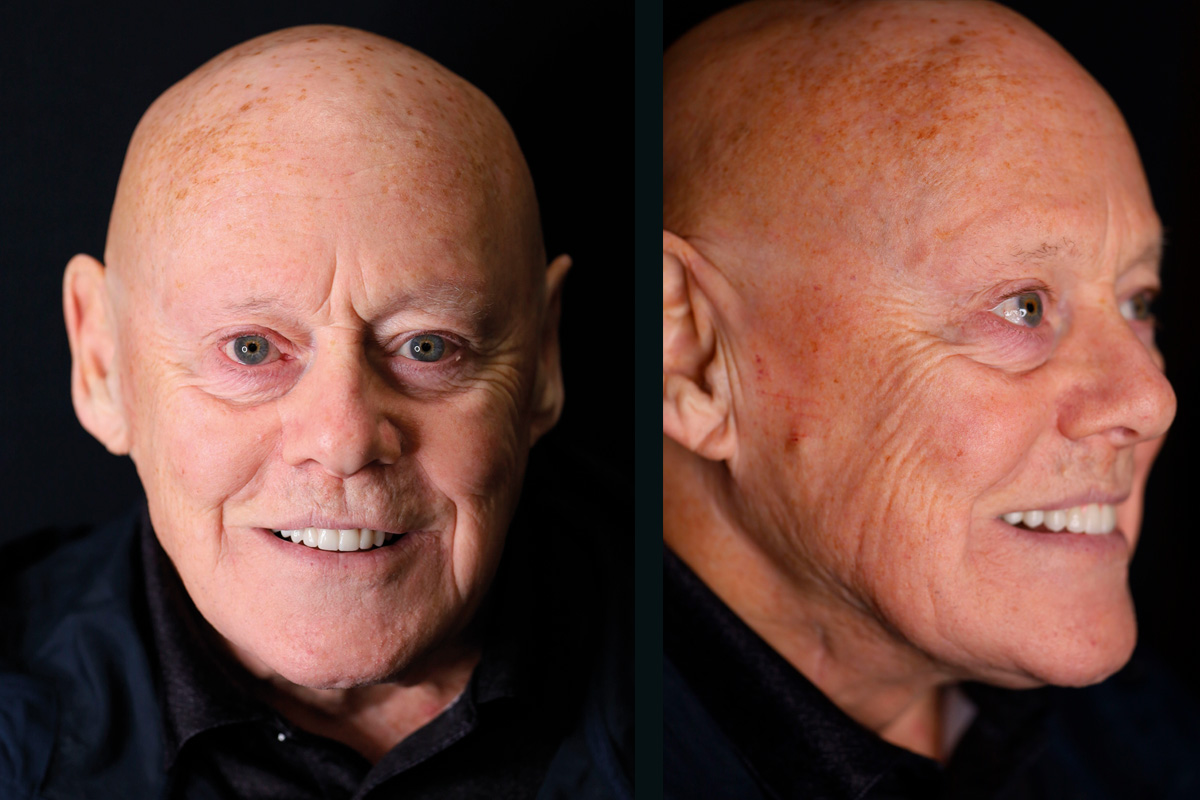

Titanium Implants Side Effects and How to Minimize Your Risks?

What is Titanium?

A popular choice for tooth restoration these days, Dental implants are mostly made of titanium.

A non-allergenic metal, Titanium is also biocompatible, which infers that it is not seen as a foreign invader and attacked by the immune system.

Having been used for several years now Titanium remains a popular material not only in implants but also in other medical devices, including heart valves, artificial hips, and bone screws.

The use of titanium for dental implants has many advantages including:

  • The ability to ossify allows the Titanium to integrate with the bone tissue or become part of the bone in a process called osseointegration.
  • Its quality of being extremely strong but still lighter than even gold alloys at the same time makes it an ideal choice for a comfortable and secure dental restoration.
  • Titanium processes a Low thermal conductivity which helps to decrease the risk of pain or irritation attributed to dramatic temperature changes.

The titanium dental implants have an extremely high success rate of about 95 percent and can remain intact for the rest of a patient’s life.

So, the dentists usually recommend getting a titanium implant if one is missing a tooth or two or needs to get a tooth extracted due to some reason like:

Titanium Dental implants are surgically fixed into the jawbone to completely replace a tooth unlike dental crowns that are placed on top of an existing tooth, The dentist then places a crown on top of the titanium implant.

Though designed to be permanent, one may sometimes have to replace the Titanium dental implants after several years. So titanium dental implants make the best option for permanent tooth restoration.

However, one can get some side effects with titanium implants in a few rare instances. 

It is natural for one to be concerned about the possible effect of the procedure on the rest of the mouth. However, some awareness and being well-informed can help you to minimize your risks.


Titanium Implant Procedure

The dental implant procedure consists of the following steps:

  • A thorough examination is performed by the dentist to determine if the person is an ideal candidate for implants. Some X-rays and imaging tests may also be performed.
  • The dentist inserts titanium implants into the jawbone to serve as a post for the dental crown that will finally be placed on top. This titanium post looks like a screw and fuses to the surrounding bone as the area heals in the course of the next few months. 
  • An abutment is then placed on top of the implant which not only helps to keep the implant securely in place but also serves as a base for the tooth crown.
  • Lastly, a crown is placed on top of the abutment. The crown looks and acts like a natural tooth, restoring the full function of the mouth.

However, an adequate amount of bone to support the implant in the area encompassing the extracted tooth and the absence of periodontal disease of the gum tissue are the prerequisites of the dental implant procedure

After the completion of the procedure, the instructions for the care and maintenance of the new implants are provided by the dental surgeon, which is almost similar to that of the natural teeth.

Usually, people resume their normal routine within two to three days of dental implant surgery.

Also Read: Is Molar Implant Right for You?


What are the Possible Complications & Risks Associated With Titanium Implants?

The titanium implants usually function extremely well even after many years of their placement. However, any surgical procedure still carries a chance of side effects.

Titanium may pose a risk of allergic reactions, though rarely so. Those with a history of allergies to metal should get themselves tested for the allergy before having this implant procedure. 

The other risks associated with titanium dental implant surgery, though extremely rare include:

  • Infection: Some patients may develop an infection at the site after the implant procedure. This is called peri-implantitis. The symptoms may include redness and tenderness in the gum tissue of the implant, and bleeding while brushing. People who smoke or have gum disease are more prone to this infection.
  • Injury: The titanium implant procedure may sometimes cause injury to the teeth, blood vessels and nerves. The symptoms may include pain, numbness or tingling in the teeth, gums, lips or chin after the procedure, due to the damage to the nerves or surrounding structures.
  • Sinus Issues: Problems related to the sinus may sometimes occur particularly after the implants have been placed in the upper jaw. The protruding of the implant post into the sinus cavities may cause this issue, leading to headaches and pain inside the cheekbones.

Mild discomfort, swelling of the gums and face and bruising of the skin and gums are normal after the implant surgery.

According to Dr. Gaurav Sharma at Kirkland Premier Dentistry, mild pain and slight bleeding at the implant site may also be experienced and is absolutely normal.

However, this discomfort or swelling should go away in a few days. You must see your dental surgeon immediately if this gets worse or unbearable.

It is imperative to mention here that these side effects are not common and are easily treatable.

Dr. Gaurav Sharma has extensive experience in the complexities of the bones, skin, muscles and nerves involved in the dental implant procedure.

He is also fully aware of the methods to minimize the likelihood of titanium implant side effects.

The efficient team at our office works with complete diligence to provide you with a bright, happy and healthy smile.


Can One have an MRI with Titanium Dental Implants?

Titanium implants pose no hindrance in getting an MRI. Though titanium is a metal, it’s not affected by MRIs.

However, it is always advisable to inform your medical provider about titanium implants, if any in your body before any MRI testing.


Takeaway

The most common type of dental implant, Titanium implants are much sought after due to their effectiveness, strength and durability. They can generally last a lifetime with proper care and regular cleanings.

However, some concern about their side effects is absolutely normal. Book an appointment with us to discuss any concerns about possible side effects related to titanium implant.

Dr. Gaurav Sharma firmly believes in discussing the pros and cons and any possible contraindications of the procedure beforehand with the patient.

At Kirkland Premier Dentistry, we have been building trust through our hard work and are constantly rewarded with the confident smiles of our patients. 

Book an appointment today at Kirkland Premier Dentistry.

Is Molar Implant Right for You?

Introduction 

Our molars ensure that we chew food properly so that it can be easily swallowed and digested. This makes them very important and losing even one of them can be troublesome. 

These days Dental implants are the most popular method to conserve the quality of the jawbone and the most preferred way to replace missing teeth.

A missing molar can be replaced by a molar implant, but many people are not sure if it’s the right option for them. In this article, we have tried to make it easy for you to give an insight into the pros and cons of molar implants. 

Understanding Molar Implants

All molar implants are dental implants, but not all implants are meant for molars due to the function performed by molars in the mouth.

If set properly and taken care of, Implants can last a decade or longer. But implants aren’t the only option available to replace missing teeth, so it becomes important to understand their significance.

Molars lend a great amount of support to the jaw and also assist in eating the foods that are hard and need to be ground and mashed.

Multiple missing molars can often force one to swap to softer foods. 

Besides adversely affecting one’s ability to chew, a missing back molar can also dampen one’s self-esteem and hinder their confident smile.

It might also cause other teeth to move from their correct positions to fill in the empty gap left behind by the missing molars.

Patients with a missing rear molar would sooner or later want to opt for tooth replacement choices, with a dental implant being one of the most preferred alternatives to have an artificial tooth that is not only functional but also aesthetically pleasing.

An implant is usually a good choice for a single missing molar. 

What are Dental Implants?

Consisting of three main pieces: screw, abutment and crown, Dental implants are the only available tooth replacement option that includes an artificial tooth that is made of titanium and looks like a tiny screw. 

The abutment acts as an anchor for the crown and the screw as a tooth root.

The implant fuses with the bone upon being placed in the jawbone, in a process called osseointegration. This process ensures the success of the implant as the jawbone must totally fuse or bond with the artificial root to make the replacement tooth strong, tough and long-lasting.

The adequate bonding of the implant with the bone is significant for stimulating the bone in the jaw too, preventing it from deteriorating and shrinking further.

When you chew with the implant, the implant’s root stimulates the bone for proper regeneration.

The jawbone will otherwise slowly shrink, in the absence of the root, ultimately changing the shape of the face and how the jaws fit together. 

Preservation of the jawbone is one of the biggest benefits of replacing missing teeth with dental implants. People with missing back molars should consult a dentist who provides dental implants.

The back molars help to chew food correctly, which may create excess pressure on the front teeth while eating, in their absence.

Dental implants are undoubtedly the best way to protect the integrity of the jawbone while also being the most natural way to replace missing teeth. 

The molars located in the interior of the mouth are the second molars that come in around the age of twelve.

These molars are extracted because of inadequate space in the majority of people. Essential for better chewing, the second molars also help to maintain the adequate health of the jawbone and remaining teeth.

Though people with no second molars may also be able to chew comfortably, it creates problems like gum disease, tooth decay, trauma, etc in the long run.

Also Read: How to Clean Stained Invisalign Trays

Dental Implant Process Timeline

An implant procedure is a time-consuming process involving various steps:

  1. An examination is conducted by the dentist to discern the possibility of successful implants.
  1. Images of the area are taken to check the shape of teeth for the crown, the density of the jawbone, and risk if any to the surrounding teeth.
  1. Sometimes extractions need to be performed before an implant can be placed. In such cases, recovery time may be needed between the initial examination and the screw implantation.
  1. The screw is implanted by the oral surgeon around which the bone grows and integrates with it. This is a four to six months-long process. Patients may sometimes have issues with their bone density owing to age, illness, or certain genetic conditions. These patients are ideal candidates for bone grafts. For the patients requiring a bone graft, the process may take even more time. 
  1. After the integration of the screw has taken place, a crown is attached to complete the procedure. 

Dr. Gaurav Sharma at Kirkland Premier Dentistry explains that after the dental implant process is over and the crown has been placed, the surrounding bone forms a connection with the titanium surface of the implant, allowing the implant to function in the same way as a natural tooth root does, making an implant-supported crown a more stable and functional option for effective restoration of the missing back molars.

Dental Implants and Molars

Besides facing extra pressure from the type of bite force they face, the molars also are larger than the incisors and canines.

The recovery time taken by implanted molars to ensure strong osseointegration is usually longer.

The implants called subperiosteal, which are placed above the jawline in the gums, work very well for front teeth but cannot hold as strongly as the dental implant of a molar. Endosteal implants are required for this particular purpose. 

Inserted as a part of a system, molar implants work very well. For example, a single molar implant has more likelihood of holding without complication than several put together, including side by side and top/bottom of the mouth.

In case there are two or more teeth gaps, then the dentists usually recommend partial dentures or bridges.

Moreover, the longer the period that has passed since an extraction, the more the chance of the deterioration of the gum and jawbone.

The mouth being a complex system, each weak part faces the risks of deterioration that can cause damage to the nearby systems.

For a gap that has been there for ten years, an implant procedure is possible but the results depend primarily on the bone density and the condition of the gums.

The possibility of the procedure also requires some investigations such as a CT scan etc.

A skilled and experienced oral surgeon or a restorative dentist like Dr. Gaurav Sharma will be well aware of the conditions that affect the success of the implantation and will make sure to review all options and success rates based on the individual circumstances.

Who is a Good Candidate For Dental Implants?

The factors that help to make one the right candidate for dental implants include:

  • Good overall & oral health
  • Absence of immune system disorders
  • One should be free from diabetes
  • Being a non-tobacco user
  • Good jawbone health
  • Absence of a gum disease

Bottom Line

Dental implants are undoubtedly the best option to restore lost back molars because they not only function and appear just like natural teeth but also provide a natural and functional tooth. Replacing missing back molars ensures the well-being and safety of your remaining teeth too.  

To learn more about molar implants that can be well suitable for your mouth, call for an appointment at Kirkland Premier Dentistry where Dr. Gaurav Sharma has a wide experience in Molar Replacement Surgeries and can suggest to you the best way to ensure a healthy smile!

How to Clean Stained Invisalign Trays

Introduction

Invisalign is an orthodontic treatment in which you are required to wear clear and custom-made removable braces to gradually straighten your teeth. Invisalign trays are made of a clear material so no one really knows if you are wearing them.

However, your Invisalign tray might start to show stains or may turn yellow if you don’t follow the right cleaning practices. 

Even though Invisalign aligners or trays are meant to be changed every few weeks, cleaning them is a crucial practice.

This guide will help you prevent your Invisalign trays from getting stained and will also allow you to maintain the best oral hygiene which will give you a radiant smile. 

Cleaning Invisalign trays

Cleaning your Invisalign trays is not a very complex process but is indeed very essential. Dirty aligners can cause bacteria to build up which can cause tooth decay. That was not a part of your plan, right? 

Let us tell you how to clean your Invisalign trays for the best results 

Dirty Invisalign trays can cause tooth decay. Here are five ways to clean your aligner trays:

Invisalign Crystals

This is the best way to clean your Invisalign trays without damaging them. Just take a container with warm water and add a packet of Invisalign crystals to it. Dissolve the crystals and soak your trays in the solution for 15 minutes. Take them out and softly brush them before rinsing them. 

Hydrogen Peroxide Solution 

You can make a cleaning solution by mixing water and 50 % hydrogen peroxide. This low concentration solution is the ideal stain remover for your aligner trays. Just soak your Invisalign trays for 30 minutes and brush them lightly to remove any remaining plaque. Rinse them with cold water and feel free to wear them.

Antibacterial Soap 

A solution of antibacterial soap and water is great for cleaning your aligner trays. As long as you are using clear, unscented and colorless antibacterial soap, everything should be fine.

Colored soaps can stain your clear trays. You can soak your trays in this mixture and then rinse them well before using them. 

Distilled White Vinegar

A 3:1 water and distilled white vinegar solution can be used to loosen any gunk or plaque from the aligner trays. You just need to let the trays soak for 15 minutes. After they are soaked, you can gently brush them with a soft toothbrush. Rinse and wear. 

Baking Soda

Just mix a tablespoon of baking soda in a cup of warm water. Put your Invisalign trays in this solution for 30 minutes and take them out. You can use a light toothbrush to remove any loosened plaque. This solution is great for getting rid of any leftover food particles. Rinse your trays with cool water before wearing them. 

Practices to Follow to Keep Your Invisalign from Getting Stained or Dirty

Follow An Oral Hygiene Routine

To get the best results with Invisalign, it is recommended to wear them at night. It is also true that bacteria work on your teeth and aligners when you are sleeping.

This is why in order to totally get rid of these bacteria, you need to follow regular morning oral hygiene. 

Remove your aligners in the morning and softly brush them after you have brushed your teeth. Poor oral hygiene also causes your teeth and Invisalign trays to get stained. For the best results, do this again before you go to bed. 

Remember To Rinse Your Aligner Trays

It is not practical to keep wearing your aligner trays all the time. You have to remove them every time you eat and drink. Since you have to remove them several times, it is best to rinse them once before wearing them again. 

Rinsing the aligners will ensure that plaque build-up is minimized. If you can, brush your teeth or rinse before wearing the Invisalign trays again. 

Soak Your Aligner Trays Daily

There is always some stubborn gunk or food that brushing cannot remove completely. If you want your clear aligners to look shiny and perfect, you should make sure that they are soaked at least once a day. 

The best is to take Invisalign cleaning crystals and soak your Invisalign trays as it says on the packaging.

Once they are soaked well, take them out from the solution and brush them lightly with a soft toothbrush to remove any remaining food particles or plaque.

Rinse them thoroughly and wear them after you have also cleaned your teeth.

Do Not Eat Or Drink While Wearing Your Aligners

There is one thing that you should not do while you are wearing your Invisalign trays. That is eating. Your aligners are prone to getting stained or damaged if you eat or drink any coloured foods.

If you want to drink or eat anything except clean water, make sure you take out your aligners. 

Do Not Expose Your Invisalign To Open Air

Clear braces have a tendency of drying out when left out in the open air. They can also get stained if someone spills anything on them.

It is not recommended to wear dried-out aligners because it can be a very uncomfortable experience. 

How Often Should You Clean Your Aligners?

Dr. Sheena Gaur at Kirkland Premier Dentistry recommends that for the best results, you should clean the aligners daily when you brush and floss your teeth.

She explains that this ensures that all remaining food particles, gunk, or bacteria build-up through the day are effectively removed. 

You should also check for signs of any visible discoloration. If you can see that they are stained, you should clean them.

Another practice to maintain clear aligners is to rinse your Invisalign every time you remove them. 

How To not Clean Your Invisalign Trays?

Make sure you do not use any harsh or abrasive cleansers on your clear aligners. 

– Avoid regular denture cleaning solutions. 

– Avoid any mouthwash which contains alcohol.

– Scented or colored soaps.

How Often To Change Invisalign Trays?

It is suggested to change your Invisalign trays every one to two weeks. However, it totally depends on your dentist and what they suggest. 

If you have any further questions about Invisalign, feel free to book an appointment with us today. At Kirkland Premier Dentistry, we put your comfort and smile foremost always. 

Bone Graft Surgery- Purpose, Procedure and Risk

Introduction 

Bone grafting for dental implants is a painless procedure with a normal course of healing.

This is a surgical procedure to repair, restructure, or rebuild the jawbones through bone transplant.

It is commonly performed while fitting dental implants and there is nothing scary about it at all.

Many times, a person getting dental implants may not have adequate bony support or may lack healthy bones in the mouth.

To provide support to the dental implants, this procedure may be carried out by the dental surgeon before proceeding with the dental implants.


What is a Dental Bone Graft?

This is a fairly common surgical procedure carried out when there is a loss of bony support or absence of healthy bone structure in the mouth. 

These changes impact the neighboring tooth/teeth. These changes also create a problem for dental implants due to lack of support.

The remedial measure is bone grafting by an experienced dental surgeon to add volume as well as density to the jaw in specific areas of bone loss.

When done by an expert, this is a painless, uneventful procedure with rapid healing. Dental bone grafting for dental implants is a prerequisite for longevity and success of implants in people who have low bone mass or weak bone structure in their jaw.


What are the Different Types of Bone Graft Procedures?

These are the four major types

  • Socket preservation also called ridge preservation
  • Block bone graft
  • Sinus lift
  • Periodontal bone graft


Who May Need Dental Bone Grafts?

Dental bone grafts are mostly performed on:

  • People requiring implants who have insufficient bone structure and density
  • People with loss of bone tissue due to tooth decay and gum disease
  • For those whose facial structure and appearance has been affected due to bone loss. This can occur due to injuries, infections, certain treatments like for cancer, etc
  • Some people having a tooth extraction
  • People who need more structural support before getting the dentures


How is this Procedure Done?

First and foremost, the type of bone graft procedure and the type of graft have to be decided after assessing the patient. 

  • The graft may come from your body which is called autogenous graft. 
  • It may come from another person via human tissue bank and it is called allograft. 
  • The graft may come from an animal which is called xenograft
  • Synthetic bone material or natural substitutes can also be used. Synthetic bone graft is called alloplast. 

Bone tissue can regenerate and this is what makes bone grafting successful. Thus it is both filler and a scaffold.

This procedure does not generally lead to any major reaction making it a really safe and successful process. 

The Procedure

The First Step for Dental Bone Grafting:

  • It all begins with an oral examination to assess the health of your teeth, gums, and jaw.
  • The dentist discusses the next step with the patient and understands their needs
  • This is followed up by X-Rays or CT scans to locate the specific areas of bone loss or decay. Your dentist makes a treatment plan based on the results 


The Second Step

It involves the main procedure. 

  • First of all, the type of bone graft is decided. In case of Autografts, the donor site is ascertained and then the bone is taken out using special tools under the effect of anaesthesia to make it a painless process. Necessary repairs are made around the site of bone harvest.
  • Once the bone or replacement is ready, the area where the graft is to be placed is numbed with a local anaesthetic. There is no discomfort felt.
  • After the area becomes numb, a small incision is made in the gums so that the jawbone can be exposed. This area is thoroughly cleaned and disinfected after which the bone grafting material is placed. 
  • An additional layer of membrane may be placed for added protection. 
  • The gum tissue is placed back and the incision is sutured. 


The Follow Up

After getting a dental bone graft, there can be a little pain, swelling, and bruising like any other minor surgery.

Dr Gaurav Sharma at Kirkland Premier Dentistry explains that these are minor side effects which are easily manageable with anti-inflammatory drugs and painkillers.

Antibiotics may be given to prevent any infection. Do comply with the instructions provided by your dentist. 

Do not worry if after the process you notice granules of bone coming out from the treatment site. Always keep your dentist informed and follow the instructions.

For people getting Autografts, two sites are involved but the discomfort is not significant as the area of bone harvest is not extensive.  


Recovery Period

Like any other surgical procedure, recovery depends upon the extent of area involved, general health of the patient which determines the rate of healing, type of graft, etc.

Most people can go back to a normal routine after 24 hours. Complete healing takes between 3-9 months while one needs only a week or two to feel completely normal. 

Your dentist checks for healing to see if the bone is strong enough before going ahead with the dental implants. 

How to make the bone graft heal faster?

Certain precautions must be taken like

  • Avoiding direct impact or pressure to the area
  • Avoiding hot foods and liquids
  • Avoiding hard and crunchy food

You can accelerate healing by

  • Applying ice packs for the first 2-3 days
  • Eating soft, bland, nutritious food till the site heals
  • Sleeping with head elevated to avoid pooling of blood
  • Taking medicines as prescribed

Talking about side effects, Dr Gaurav Sharma says that the rare side effects are graft failure, blood clots, infection, and nerve damage but are highly unlikely to occur with modern day procedures.

Reach out if there is

  • Intolerable pain
  • Increased swelling 
  • High fever of 101° or more
  • Pus or discharge around the grafting or harvesting site


To Sum It Up

Whether you need bone grafting for tooth loss that requires an implant or you need it to improve your appearance or you need it because of bone loss due to decay, going to a specialist can bring the desired outcomes without any negative consequences.

Loss of strength or structure of the jaw will impact the nutritional status, mental health, physical appearance, and confidence of a person.

Our expert team at Kirkland Premier Dentistry, under Dr Gaurav Sharma ensures that to get the desired outcomes from the process.

FAQs

1. What type of safety concerns are there with this process?

A. There are no major safety concerns because the chances of reactions and rejections are highly unlikely. A graft is processed to avoid any immune reaction. Today, there is rigorous screening and processing due to which chances of infection are also low. 

2. How long after bone grafting can you get a dental implant? 

A. It depends upon the rate of recovery and healing of the bone tissue. Everybody reacts and responds differently. In most types of graft, a patient is ready for dental implant within maximum 4-6 months. In sinus lift procedure, one may need to wait for a little longer. Very rarely, bone grafting and dental implants may be done during the same session. 

Sinus Lift Surgery- What You Need to Know

Dental implants are one of the most trusted and effective ways to restore missing teeth.

However, it may require some additional procedures for the treatment to be effective.

A sinus lift procedure can in some cases certainly be an important step on the journey towards a full and healthy smile.

This fairly common procedure ensures that one can enjoy the full benefits of dental implants, even after a substantial bone loss.

Sinus Augmentation or Sinus Graft is a treatment approach that may be recommended when one decides to get dental implants but lacks sufficient jaw bone to support the implant.

The procedure is usually performed by medical specialists like periodontists or oral surgeons.

Various techniques are used by dental specialists when performing a sinus lift procedure.

This procedure helps to increase the amount of bone required for dental implants in the upper jaw.

One of the most common bone grafting procedures for dental implant patients,  sinus augmentations are one of the several procedures done during a full mouth reconstruction.

Why is the Sinus Lift Procedure Performed?

The augmentation or lifting up of the maxillary sinus to make more space for new bone is known as the Sinus lift.

The air-filled cavities that are located just above the back portion of the maxilla (upper jaw) are known as Maxillary Sinuses.

Lifting the sinus and grafting bone in between, helps the doctor to create more bone to place a dental implant.

For those who lack enough upper jaw bone, the implant is unable to properly anchor, and may not be able to perform more demanding tasks, like chewing.

Moreover, the lack of sufficient bone can lead to the dental implant not being properly secure and failure. 

The bone loss in the jaw bone can happen due to many reasons including:

  • Birth defects
  • Cancer
  • Natural variation due to sinus cavities that are very large or jawbone that is very thin
  • Periodontal disease or gum disease 

However, the lack of the use of the bone due to tooth loss can also make the bone thinner over time.

A sinus lift surgery is recommended if the bone height of less than 4 to 6 millimeters in the back portion of the jaw is determined by the doctor.

What Happens Before a Sinus Augmentation Procedure?

The dental implant procedure can sometimes become a process that involves many steps.

Sinus lift and bone grafting are the procedures that are done earlier in the process before placing the dental implant.

The usual preparation of the dental implant procedure includes: 

1. The discussion between the doctor and the patient to establish the desired goals of the dental implants.

2. Through examination of the teeth, mouth, and gums by the dentist 

3. Imaging studies, such as X-rays or a computed tomography scan are done to determine jawbone health and other main structures in the skull.

4. A sinus lift surgery, if necessary, to help secure the implant

5. The screw or the dental implant holder on which the implant will be later secured, known as an abutment is placed by the doctor.

6. The dental implant is inserted by the doctor.

The time is taken by each process usually depends upon the overall oral health of the person.

Sinus lift surgery has many different approaches. However, the method best suited for the patient depends on the amount of bone naturally present in the jaw, the type of bone graft that is to be provided, and the method for dental implant placement later.

Basically a bone transplant, the sinus lift surgery is usually performed using a bone from other areas of the mouth or body and using it in the upper jaw.

Determining where the bone to be used in the surgery will come from is the first step of the surgery. 

After establishing the bone source, the dental specialist takes great care to study the anatomy of the jaw and sinus.

Accurate measurements are taken to assess the height and width of the existing bone and to evaluate the sinus. Once the bone to be used has been chosen, the procedure can start.

At Kirkland Premier Dentistry, we go the extra mile to etch beautiful smiles through years of experience and the latest methods of Dental surgery. 

What Happens During the Sinus Augmentation Procedure?

A safe and straightforward procedure, sinus augmentation is normally performed at the oral surgeon’s office and takes anywhere between 1-2 hours.

The basic procedure of a sinus lift surgery includes the following:

  • Oral or intravenous sedatives are given by the dentist to keep the patient comfortable during the procedure.
  • The site is identified by the surgeon and incisions are made in the posterior region of the gum tissue to expose the bone.
  • A small part of the bone is also cut by the surgeon while taking care to avoid sinus membranes. 
  • The cut portion of the bone is lifted into the sinus cavity by raising the membrane and the hole is filled with the previously determined bone graft.
  • Finally, the surgeon closes the incisions in the gums with sutures.

The instructions to guide the patient through the recovery are given by the dentist.

Recovery

Patients can go home after they wake from anesthesia. A little swelling and bleeding are experienced by most patients after the sinus augmentation surgery.

However, the discomfort is minimal and usually subsides in a few days and one can return to the regular activities as directed by the dentist. 

The perforation of the Schneiderian membrane lining the maxillary sinus cavity is the most complicated concern after the sinus lift procedure as it can increase the risk for chronic sinusitis and infections.

However, if everything goes well as is the case in most the sinus lift procedures, the patients are instructed to

  • Avoid blowing the nose (or sneezing, if possible) as these may cause the bone-graft material to move and loosen the stitches.
  • Avoid Brushing the teeth for some time to prevent the dislodging of any clots or bleeding.
  • Refrain from using a straw for drinking as it can dislodge the blood clots that prevent bleeding.
  • Take antibiotics, if prescribed by the doctor to avoid infection.
  • Refrain from Smoking as harmful chemicals present in tobacco can impair the healing time.

The patient is usually asked to return to the doctor after a week of the procedure.

However, one must call the doctor immediately on experiencing any pain or bleeding that is difficult to control or there is a sensation that the bone graft materials have moved out of place after vigorous sneezing or blowing the nose. 

Any signs of infection such as swelling, fever, or foul-smelling drainage from the surgical area are also a signal for immediate medical attention.

The jawbone requires anywhere between 4 to 12 months to heal from sinus lift procedures before one can have dental implants.

However, sometimes the dentists may place dental implants immediately after the sinus lift surgery.

The Bottom Line

Sinus lift surgery is an outpatient procedure that helps build a stronger anchor of bone for a dental implant, to ensure the success of the Dental Implants.

Your jawbone and oral health should be carefully determined before the implant procedure by a competent doctor like Dr. Gaurav Sharma at Kirkland Premier Dentistry who can explain the sinus lift suggestions, methods, and potential bone grafting materials that may be used.

Though sinus lift surgery might appear to be a complicated process, its benefits are completely worth it.

The prerequisite of successful dental implants is a supportive base and for some patients, the only way to attain this adequate support system is through a sinus augmentation procedure

Dr. Gaurav Sharma who has reshaped many smiles explains that this relatively new, but extremely effective surgery is an answer for the patients without any other means to support their dental implants.

The sinus augmentation can make it possible for you to enjoy all the benefits of natural, strong, and beautiful teeth. 

Our very proficient staff at Kirkland Premier Dentistry ensures that the procedure is made totally comfortable and smooth for you.

For more information on a sinus lift and dental implants give us a call today.

Dental Abscess- Diagnosis and Treatment

Introduction 

A pocket of pus that forms in or around the tooth as a result of a bacterial infection is called an Abscess Tooth or a dental abscess.

It can cause mild to excruciating pain. An untreated, abscessed tooth may sometimes lead to serious, life-threatening conditions. 

The tooth abscesses can be of different types depending on the location and types of tooth infections like

  • Gingival
  • Periapical
  • Periodontal

Dental Abscess can cause a throbbing or shooting pain near a tooth, in the gums or a pain that radiates to the ear, jaw, or neck and usually comes on suddenly and worsens over time is the main symptom of an abscessed tooth.

It may also cause Redness and swelling of the face, difficulty in chewing food, foul breath and fever.

The is filled with a pulp made up of nerves, connective tissue, and blood vessels from the inside, and this pulp  might sometimes get infected due to Tooth decay, broken, chipped or cracked teeth, gum disease or an injury to the tooth

Smoking, Dry mouth, weakened immune system, a diet rich in sugar and poor dental hygiene can increase the risk of Dental infection in the patients.

The risk of developing a tooth abscess can be considerably reduced by regular dental examinations and cleanings.

However if a tooth becomes loose or chipped, it becomes imperative to see a dentist. 

When to See a Doctor?

Getting an abscessed tooth treated by a dentist is of utmost necessity. Even if the abscess is already ruptured, the area must be examined and cleaned by a dentist to make sure the infection doesn’t spread.

An infection, if left untreated can spread to the jaw and other parts of the head and neck, including the brain.

In very rare cases, It can even lead to sepsis, that can be. a life-threatening complication caused by an infection.

One must immediately go to an emergency room if an abscessed tooth is accompanied by:

  • High fever
  • Facial swelling
  • Difficulty swallowing
  • Rapid heart rate
  • Confusion

These all are signs of a serious infection that may need immediate attention.

How Is an Abscessed Tooth Diagnosed?

Besides examining the tooth and surrounding tissue for signs of infection, the dentist may:

  • Recommend an X-ray to help recognize the origin of the dental disease that might have led to the infection. X-rays can also be used to determine if the infection has spread to or is affecting other areas.
  • Suggest a CT scan to ascertain if the infection has spread to other areas within the neck and also to identify the extent of the infection.
  • Tap and press on the teeth as the tooth that has an abscess at its root is typically sensitive to touch or pressure.
  • Recommend Thermal tests to determine the health of the pulpal tissues.

Will a Tooth Infection Go Away on Its Own?

No, A tooth infection will never go away on its own. The toothache may stop if an infection causes the pulp inside the tooth to because the nerve isn’t functioning anymore.

But the bacteria will continue to spread and destroy the surrounding tissue. One must see a dentist if they have tooth infection symptoms, even if they no longer have pain.

How is it Treated?

An abscessed tooth is treated by focusing on clearing up the infection and relieving pain.

The dentist usually starts by taking a dental X-ray to discern whether the infection has spread to other areas of the mouth.

The treatment options depend on the type and severity of the abscess and may include:

  • Draining the abscess: A small cut is made in the abscess by the dentist to drain the pus, followed up by cleaning the area with a saline solution. A small rubber drain may be placed sometimes to keep the area open for drainage.
  • A Root Canal Procedure: This can help to get rid of the infection and save the tooth. The affected tooth is drilled into to drain the abscess and remove any infected pulp. The dentist then fills and seals the pulp chamber, which holds pulp, and the root canal with material to prevent any other infection. The tooth might also be capped with a crown to strengthen it, during a separate appointment, Dr. Sheena Gaur at Kirkland Premier Dentistry explains that a restored tooth can last a lifetime if cared for properly.
  • Tooth Extraction:  The tooth that is too damaged, might be removed by the dentist before draining the abscess. Your dentist may pull the tooth if it can’t be saved and then drain the abscess.
  • Antibiotics: A dentist might prescribe oral antibiotics to clear an infection that has spread beyond the abscessed area or for those with a weakened immune system.
  • Removal of Foreign Objects: If the abscess is caused by a foreign object lodged in the gums, the dentist will need to remove it. This process is finished by cleaning the area with a saline solution.

When asked about the treatment and precautions, Dr. Sheena Gaur at Kirkland Premier Dentistry elaborates that If one cannot get to see the dentist right away, an over-the-counter anti-inflammatory drug, such as ibuprofen (Advil, Motrin) can be taken to help with the pain.

Rinsing the mouth with warm salt water may also help to relieve the symptoms temporarily.

Conclusion 

There can be many reasons for tooth infection or an abscessed tooth. A few days of treatment should clear up the infection.

Even if the infection seems to have drained on its own, one must follow up with the dentist to make sure the infection does not spread further.

Good oral hygiene and regular dental checkups every six months can reduce the risk of abscesses to a great extent.

Dr. Sheena Gaur has been treating tooth infections for many years now, helping the patients to lead a normal and pain-free life.

If you feel that your tooth might be infected or you are experiencing any symptoms of tooth abscess as discussed in the article, book an appointment.

Dental Abscess: Symptoms, Causes, Risk Factors and Prevention

Introduction 

A pocket of pus that may form in different parts of a tooth because of a bacterial infection is called an Abscess Tooth or a dental abscess. 

An abscessed tooth can cause mild to excruciating pain that can sometimes radiate to the ear or neck.

A tooth abscess can occur in different areas around a tooth for various reasons, not only affecting the tooth involved, but also the surrounding bone and occasionally the adjacent teeth.

A tooth abscess is usually treated by draining it and getting rid of the infection. The dentist may be able to save the tooth with a root canal treatment, but sometimes the tooth may need to be pulled. 

An untreated, abscessed tooth may sometimes lead to serious, life-threatening conditions. 


What are the Different Types of Dental Abscesses?

The abscesses can be of different types depending on the location and types of tooth infection.

The three most common types are:

  • Gingival: The infection that develops in the gums but does not usually affect the tooth or supporting structures.
  • Periapical: An infection that forms at the tip of the root because of the bacteria that spread to the inside of the tooth, to the pulp through a fracture or cavity. The pulp is the innermost part of the tooth that contains nerves and blood vessels, the bacteria can upon invading it can spread to the tip of the tooth’s root causing the infection to spread eventually to the bone, forming an abscess
  • Periodontal: Starting in bone and tissues that support the tooth, a periodontal abscess is usually an outcome of periodontitis or gum disease and is more prevalent among adults.
  •  

What are the Symptoms of an Abscessed Tooth?

A throbbing or shooting pain near a tooth or in the gums that usually comes on suddenly and worsens over time is the main symptom of an abscessed tooth

Other symptoms may include:

  • Pain that radiates to the ear, jaw, or neck
  • Pain that gets worse on lying down 
  • Pain while chewing or biting food
  • Redness and swelling of the face
  • Swollen and red gums
  • Tooth Sensitivity toward hot and cold foods
  • Discolored or loose tooth
  • Foul breath
  • Foul taste in the mouth
  • Tender or swollen lymph nodes in the neck or under your jaw
  • Loosening of tooth
  • Fever

An immediate pain relief along with sudden bad taste may be experienced if the abscess ruptures and as the pus drains out.


What Causes a Tooth Abscess?

The tooth is hard on the outside, but it is filled with a pulp made up of nerves, connective tissue, and blood vessels from the inside. This pulp might sometimes get infected due to:

  • Tooth decay: The bacteria break down sugars in food and drinks, creating acid that attacks enamel, causing a cavity, or tooth decay that can destroy the hard surfaces of the tooth. 
  • Gum disease (periodontitis): An infection and inflammation of the tissues around the teeth are known as Gum Disease and its advancement can make the bacteria gain access to deeper tissues.
  • Injury to the tooth: The inner pulp can be damaged due to trauma to the mouth, even when there is no apparent crack, making it susceptible to infection.
  •  

Who Is More Likely to Get Tooth Infections?

The following factors may increase the chances of tooth abscess

  • Smoking: Smokers have almost twice the chance of getting tooth infections as nonsmokers.
  • Dry mouth: A mouth with a low amount of saliva can be a breeding ground for bacteria, increasing the risk of tooth decay. Dry mouth can be caused due to a side effect of certain medications or because of aging issues.
  • Poor dental hygiene: Lack of proper care of the teeth and gums like not brushing the teeth twice a day and not flossing can certainly increase the risk of tooth decay, gum disease, tooth abscess, and other dental and mouth complications.
  • Weakened immune system: The immune response can be weakened by diseases or medications, making it harder for the body to fight off germs.
  • A diet high in sugar:  Regular consumption of food and drinks rich in sugar, such as sweets and sodas, can lead to dental cavities, which can turn into tooth abscesses.


Can an Abscessed Tooth Be Prevented?

The risk of developing a tooth abscess can be significantly reduced by visiting the dentist regularly for dental examinations and cleanings.

Seeing a dentist becomes imperative if a tooth becomes loose or chipped.

Dr. Sheena Gaur emphasizes the role of Oral hygiene as an important aspect of maintaining optimal dental health.

Brushing the teeth twice a day and flossing once a day can go a long way in preventing tooth infections.


Conclusion

A dental abscess is a painful situation caused by an infection around the tooth.

A condition that can lead to further complications, a Dental Abscess is usually a result of bad food habits, a weak immune system and poor oral hygiene. 

Dr. Sheena Gaur at Kirkland Premier Dentistry says that maintaining optimal oral hygiene along with a regular visiting schedule to the dentist can save you from pain and Abscessed teeth.

To learn more about the tooth infection and for a detailed checkup of your oral health book an appointment.

All You Need to Know About Dental Phobia

One of the most vital aspects of our overall health, oral health is regarded as extremely important more than ever in present times.

However, most of the concerns for oral health are also accompanied by fear of the dentist which stems from many feelings related to worries over one’s oral health and probable bad experiences one may have had at the dentist in the past.

The fear, anxiety, or stress related to a dental setup is known as Dental Anxiety or Dental Phobia. This fear of visiting the dentist can make one delay or avoid dental treatment. 

Dental anxiety can be triggered by equipment like needles, drills or the dental atmosphere in general. 

Severe dental anxiety which can be a cause of irrational fear and may make one completely avoid going to the dentist can be classified as a dental phobia, also called odontophobia.

However, a fear of the dentist shouldn’t hold one back from regular checkups and cleanings. 

Understanding various causes as well as treatments and coping mechanisms can be a starting point for helping people conquer their fear of the dentist.

Signs And Symptoms Of Dental Phobia

Dental anxiety can lead to: 

  • Sweating
  • Fast heartbeat or palpitations
  • Low blood pressure 
  • Fainting 
  • Apparent anxiety, crying or showing panic
  • Use of humor or aggression to mask anxiety

Some people routinely miss or avoid dental appointments as they may find it tough to undergo even a simple dental treatment.

Who Can Be Affected By Dental Anxiety?

People of any age can be affected by Dental Anxiety or Phobia. Children who might have had a difficult experience in the past can overcome their fear by managing the situation well and by receiving good support and care during further dental visits.

However, Adults who display signs of Dental Anxiety usually tend to remain anxious all through their life during Dental visits. 

A dentist sympathetic to their situation can help them to cope with the situation.

What Are The Causes Of Dental Anxiety?

Some common concerns that can cause dental anxiety are:

Pain

Many people assume that dental care is naturally painful, a thought which can cause anyone to be fearful.

However, being much less invasive, modern-day dental techniques and treatments are more comfortable than in the past.

Also, a competent dentist will make every effort to ensure a painless experience for the patients.

Loss of Control & Fear of the Unknown

There are other conditions that can be a reason for dental anxiety-like:

  • Agoraphobia is a fear of being in situations where one feels they cannot escape.
  • Claustrophobia is a fear of closed spaces.
  • An obsessive-compulsive disorder can cause an obsession with cleanliness.

For some people, the sheer uncertainty of what is going to happen or what to expect can cause anxiety, as it can make them feel out of control.

Embarrassment About Dental Health

There are chances that those who have stayed away from the dentist for many years, due to dental anxiety may be dealing with aggravated dental issues.

Or some may worry about getting in trouble for delaying the appointment for so long or maintaining poor dental hygiene, even when their teeth may be in good health.

However one must remember that the longer the going to the dentist is put off, the more likely is the embarrassment to increase!  

Bad Experiences in the Past

Dental anxiety is many times a result of bad or negative past experiences. 

Thinking about the noises of the tools dentists and dental hygienists use for teeth cleaning and exams can bring about some fears, too.

Also Read: How Does Sugar Effect Your Teeth

How does Dental Anxiety or Phobia Can Affect Your Oral Health?

Avoiding the dentist will only make the problem worse, sometimes leading to a need for emergency dental care or maybe more complex treatment.

The underlying problem of dental anxiety is also aggravated by delaying the visit resulting in a ‘vicious cycle of dental anxiety. 

Dental disease can be prevented by regular dental check-ups, cleaning and X-rays of the teeth, allowing the dentist to find early signs of problems easily.

Moreover, early diagnosis requires simpler and less invasive treatments. Signs, if any of mouth cancer, are also checked for during these regular check-ups, especially important for those who smoke or regularly drink alcohol or chew tobacco.

A mouth ulcer that lasts longer than 15 days, should be checked by a dentist as soon as possible.

A timely dental visit is also recommended as most dental diseases are lifestyle-related and preventable, and delaying the checkup will only aggravate them.

What are the Treatments for Dental Phobia?

The best remedy for mild fears is going to the dentist instead of avoiding them.

However, In the case of substantial dental work, sedation is recommended for patients with Dental Phobia so that the patient is not awake during the procedure.

Some of the techniques and methods that can help one combat Dental Anxiety are:

Exposure Therapy

Like any other phobias, dentophobia may be associated with an anxiety disorder, requiring a combination of therapies and medications.

Exposure therapy, a type of psychotherapy, is among the most effective solutions for dentophobia as it implies seeing the dentist in a more gradual manner.

Anxiety Relieving Medication 

Certain types of anti-anxiety medications may help to relieve the symptoms as one works through exposure therapy.

Some physical symptoms of the phobia, such as high blood pressure can also be controlled by medication.

Other methods that can help one overcome fear are deep breaths, meditation, distractions like listening to music or the use of devices, progressive muscle relaxation etc.

Sedation

  • Relative Analgesia (happy gas): Nitrous Oxide also known as Happy gas or laughing gas can help people relax during dental treatment. A mask is fitted to the patient’s face, and one breathes a mixture of oxygen and nitrous oxide which takes effect within a few minutes and later wears off quickly. It helps the patients to stay relaxed but still be awake. They can talk to the dentist, and hear what they say but not necessarily remember everything afterwards. The relaxed feeling created by nitrous oxide sedation is very pleasant. However, Some people may not like the sensation it creates, and then other options can be considered. 
  • Conscious Sedation: Receiving medication through a drip placed into a vein of the arm or hand is known as Conscious Sedation. Provided by a dentist with advanced training in sedation or anesthetic, Intravenous Sedation can be undertaken at a dental practice like Kirkland Premier Dentistry that has additional equipment. Under IV sedation patients are relaxed and sometimes drift off into a light sleep, but can respond to verbal prompts. Drowsiness and nausea are probably side effects after the procedure. 
  • General Anesthesia: General anesthesia involves patients being ‘fully asleep’ and the treatment under a general anesthetic is carried out in a hospital setting by the dentist and an anesthetist. Nausea and a longer recovery time than other forms of sedation are the possible side effects. A good option for some people,  a general anesthetic doesn’t help the patients to learn coping strategies for anxiety or get used to going to see the dentist. 

The Right Doctor

A substantial difference in how the patient perceives the treatment can be made by the right dentist.

A competent and compassionate dentist will help the patient to feel more comfortable and confident about the care being received.

Kirkland Premier Dentistry is proud of its friendly and caring staff which is highly adept at making the patient feel at ease in our relaxing and comfortable office environment.

Conclusion

Oral health is an important aspect of one’s all-around well-being. However, this fact alone is not enough to convince someone with extreme fear and phobia to go to the dentist.

But as a paradox,  the continued avoidance can only end up making the fear of the dentist even worse.

At Kirkland Premier Dentistry, we are aware of the fact that visiting a new dentist can be a stressful event for many.

But here at our office we approach dental anxiety differently and are here to help.

The appointment is catered to your needs, making sure that you feel comfortable and relaxed throughout the appointment.

We believe in informing and educating the patient as we go along, readily answering all the questions to help you to feel confident.

For an appointment call or book using the online tool.

How Does Sugar Effect Your Teeth

We are all slowly becoming aware of the fact that consuming large amounts of sugar can wreak havoc on our overall health.

We have also heard how sugar can be devastating to teeth and oral health.

So this leads us to many times wonder how sugar can be so harmful?

Sugar being part of so many foods and drinks that are regularly consumed, it’s important to understand why it should be avoided the best one can.

Here are several ways to explain how sugar is bad for oral health, and what you can do about it.


Mouth, A Battleground

The mouth is the major entry point for the majority of things that we put into the body.

All the food and drinks consumed by us enter through the mouth, so the mouth actually acts as a battleground between beneficial and harmful bacteria.

Harmful acid is produced in the mouth by these harmful bacteria whenever they encounter or digest sugar.

So every time sugar is consumed, these bacteria produce more and more acid that eats away at the teeth.

The saliva in the mouth does fight this damage. However, consuming large amounts of sugar leads to more acid in the mouth than can be handled by saliva alone.

Mineral loss is caused in the shiny, protective layer around teeth called the enamel with the repeated acid attacks on the teeth, weakening and destroying the enamel, over time.

Streptococcus mutans and Streptococcus sobrinus are the two destructive types of bacteria found in the mouth and both these bacteria feed on sugar and form plaque, the sticky substance that forms on the teeth.

If this plaque is not cleaned by the dentist and is allowed to sit on the teeth or is not washed away by brushing or saliva, the environment of the mouth becomes acidic, eating away at the enamel on the teeth.


Sugar Attracts Bad Bacteria

Sugar not only creates enamel-eating acids but also attracts tiny bacteria that can cause gingivitis and gum disease.

The gums can recede away from the teeth because of this disease and the protective tissues that hold the teeth into place can also be destroyed.

Also Read: Why Healthy Teeth Are So Important?


Effects of Solid Sugars on Teeth

More foods than we actually realize contain sugar. Besides the natural sources of sugar, like fruits, vegetables, and honey, sugar can also be consumed by eating ordinary snacks like chips and cookies.

Foods with high amounts of white processed sugar are especially damaging as these foods can leave a sticky residue on the teeth that is too strong for the saliva to wash away.

Regular brushing, flossing, mouth wash, and dental cleanings can help get rid of their residue.

Moderation should be practiced in all kinds of sugar consumption as frequent snacking on foods high in sugar increases the amount of time the teeth are exposed to the dissolving effects of these acids, eventually causing tooth decay.


Effects Of Sugary Drinks On Teeth

Soft drinks, sports drinks, energy drinks and juices are the most common sources of liquid sugar and high levels of acids that can cause tooth decay.

Studies show that drinking 1–2 sugar-sweetened beverages in a day can contribute to a 31% higher risk of cavities.

It is partly because teeth are exposed to harmful effects of sugar for a longer time, due to this habit, giving the harmful bacteria more opportunity to damage them.


Sugar can Cause Gum Disease

High sugar consumption can cause gum disease in the mouth and once the gum disease starts, it may advance to periodontitis which involves both gum tissues and the bones beneath the gums.

The bacteria related to periodontitis can travel throughout the human body, affecting joints, connective tissue, and organs such as the kidneys, liver, and lungs and can also lead to coronary artery disease as the bacteria that amass from periodontitis can be a reason for blood clots that clog arteries.


How Can We Avoid the Harmful Effects of Sugar?

It may appear hard to remove sugar from our diet as it is so prevalent in the food we consume.

But one can start with simple steps like removing refined, processed sugar, or high fructose corn syrup from the diet.

One can significantly reduce the risk of developing problems with the teeth by changing or removing these sweeteners and following the below-written guidelines:

  • Eat a balanced diet rich in whole grains, fresh fruits, vegetables and dairy products.
  • Have sugary foods & sweetened or acidic beverages with meals, instead of between them, but that too rarely. 
  • Use a straw when drinking sugary & acidic beverages to give your teeth less exposure to the sugar and acid in the drinks.
  • Add raw fruit or vegetables to the meals to increase the flow of saliva in your mouth.
  • Cut Down on Sugar by eating sugary and sticky foods only occasionally.
  •  Good Oral Hygiene like brushing at least twice per day and flossing daily is an important step in preventing cavities and tooth decay. Using toothpaste that contains fluoride helps protect the teeth.


The Bottom Line

The bacteria inside the mouth work to break down anything sugary we eat or drink producing acid in the process which destroys the tooth enamel that results in tooth decay over time.

This can give birth to many more problems like Gum disease and other health complications.

Explaining the measures to avoid this attack, Dr. Sheena Gaur at Kirkland Premier Dentistry explains that one must keep the intake of high-sugar foods and beverages to a minimum, especially between meals and right before bedtime.

She further adds that taking good care of teeth and practicing a healthy lifestyle are the best ways to win the battle against tooth decay.

A regular visit to the dentist can help in nipping more serious complications in the bud. To protect your oral health and prevent health complications related to your teeth book an appointment now.

Why Healthy Teeth Are So Important?

Our teeth have an important role to play in our lives. They help us chew and digest food, help us to speak clearly, and also give our face its shape.

Teeth are the caretakers of our smile and are also the first wall of protection of our general wellbeing.

However, we tend to overlook them and many times end up abusing them. The gums are the soft pink tissue in the mouth that holds the teeth in place.

The sugar bugs go crazy over the sugar on the teeth, after we eat, turning the sugar into acids that eat away tooth enamel, causing cavities.

These sugar bugs can also be the root cause of gingivitis, a gum disease that can make the gums red, swollen, and sore.

Inadequate care of teeth, cavities, and unhealthy gums can end up making the mouth very, very uncomfortable, causing difficulty in eating meals and the way one smiles.

Most people tend to delay the vital six-monthly check-up at the dentist because of convenience. 

Many also forget teeth’s actual function and use them as tools to open bottles, or to cut through threads.

However, we also tend to complain when our teeth show signs of abuse causing excruciating pain in us, in an attempt to get the message across that they are in trouble.


Why Do We Need Healthy Teeth?

Healthy teeth are one of the rewards of good oral hygiene and can have a substantial effect on one’s personal and professional life.

People with healthy teeth get to enjoy certain advantages like a great smile and fresh-smelling breath.

The first thing people notice when they interact are teeth and those conscious of the condition of their teeth, often find themselves feeling low in confidence.

When it comes to dental health, prevention is always a lot cheaper than treating a problem that has developed fully.


Consequences of Unhealthy Teeth

Toothache is a tell-tale sign for us to rush into action, but sometimes it can come too late after the damage on a larger scale has already happened.

Teeth and mouth are a key and a kind of diagnostic system to our general health.

A swab of saliva can sometimes tell a great deal about the general health, and give necessary warning signs of the presence of systemic disease. 

Unhealthy teeth can cause

  • Tooth decay and tooth loss
  • Gum disease & bone loss
  • Heart and lungs disease
  • Worsening of diabetes
  • Strokes
  • Osteoporosis
  • Oral cancer
  • Emotional issues like low confidence, self-esteem, and embarrassment

Our teeth bite, tear, chew and break down the food we eat making it ready for the digestive process to begin.

Everything that enters our mouths needs to get past them first. If the teeth are healthy, strong, and capable of performing their intended function, the system works comfortably well.

However, if the teeth are chipped, broken, missing, or misaligned, the damage caused can be more than just a smile. Their optimum functionality can be damaged.

A chain reaction that is kicked by Cavities, gum recession, and poor hygiene in terms of bacteria and plaque build-up can further result in gum disease, leading to tooth and bone loss, impacting the overall health of the person.

Also Read: Temporary Crown vs. Permanent Crown: What’s The Difference?


Benefits Of Having Healthy Teeth

Fresh Breath

Maintaining proper oral hygiene and taking care of teeth and gums can keep the bad breath causing bacteria at a minimum.

Bad breath can have a  negative impact on both the personal and professional life of a person. 


Prevents Tooth Decay

Patients are less likely to develop tooth decay if their teeth are taken proper care of.

Adequate oral hygiene ensures that the food particles converted into acids by the bacteria in the mouth have limited exposure to teeth, helping to prevent issues like cavities, gum disease and infections that may develop over time.


Reduces The Risk Of Heart Attacks

Certain types of bacteria that live in the mouth can make their way into a person’s bloodstream, increasing the likelihood of having a stroke or heart attack.


Reducing the Risk of Cancer and Dementia

Keeping teeth and gums healthy can reduce the risk of certain cancers, particularly in women, as well as some forms of dementia.


Improves Confidence

A healthy smile can transform a person’s visual appearance, increasing the positivity of the mindset!

People with healthy teeth are generally perceived to be more sociable, attractive and successful whereas the opposite is true for the people with unhealthy teeth.


Saves Money

Brushing and flossing twice a day, and visiting the dentist twice a year is a lot cheaper than paying for the dental treatments. Thus making dental hygiene a priority can help to save a lot of money.


Keeping Teeth Healthy

Some simple tips to keep Teeth Healthy that can go a long way in ensuring good oral health are:

  • Brush with a soft brush, twice a day
  • Floss between the teeth once a day to clear out food particles from difficult-to-reach places.
  • Avoid acidic or sugary foods that can be breeding agents for Plaque and the bacteria in it.
  • Quit smoking or using tobacco products.
  • Regular dental check-ups, preferably every six months can enable the dentist to be able to check for early signs of disease, perform necessary procedures, and advise on necessary changes regarding oral hygiene.
  • A dentist should be immediately contacted if there is an apparent change, pain, or bleeding in the mouth.
  • Teeth should be used only for their designed function i.e. chewing, tearing and pulping food.


Conclusion 

A healthy mouth can be a great asset.

Dr. Sheena Gaur at Kirkland Premier Dentistry that a healthy smile has many day-to-day benefits.

It can not only give us greater confidence but also influence our social lives, careers and relationships.

Brushing teeth twice daily, maintaining a low-in-sugar diet and regular visits to a competent dental professional, help reduce the risk of diseases like dental decay and gum disease, both of which can result in tooth loss.

She explains that the permanent teeth we get at a tender age are needed to last an entire lifetime.

Fillings, crowns, dentures and implants can fill the gaps, but they cannot be the same as the teeth lost.

Keeping teeth healthy becomes especially relevant, and often more difficult, as one ages.

Optimum dental care involves working together with a dentist to ensure that the teeth stay healthy for as long as possible.

Optimal oral health can go a long way to contribute to the general state of well-being.

Our goal at Kirkland Premier Dentistry is to provide the highest quality dental care gently and compassionately, in the process providing our patients with a healthy & confident smile for a lifetime.

Call for an appointment or book it online.

Temporary Crown vs. Permanent Crown: What’s The Difference?

Introduction

Dental cosmetics have come a long way in recent years. Gaining a healthy and attractive smile is much easier these days due to advancements in Dental Science.

Also known as dental caps, ‘Dental Crowns‘ completely cover a tooth to make it stronger and can be used to restore broken, decayed or stained teeth. 

This type of restoration is not only natural-looking but can also completely transform a person’s smile.

A temporary tooth is often cemented in place during the process of preparing the tooth for the crown, as the permanent crown is being fabricated in a dental laboratory.

This temporary crown is to provide immediate protection before the permanent one is made.

This leads patients to wonder if there is a difference between these two types of crowns and if permanent restoration is necessary.

In this article, we will learn more about these two dental crown types needed to proceed with restorative and preventive dental care needs.


What is the difference between the Structure of Temporary Dental Crowns?

A universal form of crown is utilized by dentists to create temporary dental crowns for the protection of the tooth as these universal forms allow the crown to fit over the remnant of the prepared tooth.

However, it might not perfectly fit as the fabrication and adjustment process allow for a comfortable fit while one waits for the creation of the permanent crown. 

Moreover, temporary restorations being made of a material that is only meant to last for a short time cannot be a permanent fix.  

Understanding the importance of the placement of the custom-fabricated crown after the initial crown preparation procedure is very important for the patients.

Once the process of making the fabricated permanent dental crown is complete, the dentist carefully places the newly made crown over the patient’s tooth, where it can last for anywhere between five and 15 years. 

A dental crown helps reclaim the integrity of the tooth by making it stronger so that it can last longer. The crown can last a long time if it is taken care of.

Thus It is important that they are taken proper care of and every measure is taken to make sure that the teeth last the entire lifetime, as that is exactly what they were designed to do.

As tooth decay is caused by improper oral care, it is necessary for anyone who gets a crown to ensure proper oral care. A visit to the dentist twice a year is vital along with adequate oral hygiene.

Also Read: Bad Breath- Causes, Symptoms and Treatment


Benefits of a Permanent Crown versus a Temporary Crown

Better Fit

Dr. Sheena Gaur at Kirkland Premier Dentistry explains that the dentist ensures that the permanent crown perfectly mates against its opposite tooth and fits firmly on your repaired tooth material by taking impressions to send to the lab.

The exact dental impressions are used by the lab to create the permanent crown. The permanent Crown is cast to fit the person’s tooth exactly.

An ultra-strong dental adhesive is used to permanently affix the crown over the prepared tooth, during the fitment process.

‘Custom crowns’ have better retention because of the simple reason that they fit on the tooth much better than a temporary one.

Thus, any new cavity starting to form around the margins of the restoration can be prevented because it is tightly sealed.

The risk of tooth damage is greater if the temporary crown is worn for too long.


Stronger Crown Materials

Usually made of composite resin or acrylic material usually, the temporary crowns can withstand the bite for a while without deformation or falling apart, but they are not meant to last permanently.

The temporary materials are only meant to be worn while the new crowns are being made, the process which generally takes a few weeks.

Permanent crowns can be fabricated of porcelain and stronger metals, offering a robust structure to bite.

It is important that the materials used in dental cosmetics can withstand the wear and tear our teeth endure.

Thus the Permanent crowns are typically made from stainless steel, gold or platinum alloys, ceramic or porcelain, and metal composites.

The endurance of these permanent materials prevents chips and breaks in the outer protective surface of the restored tooth.


Improved Appearance

Temporary crowns are not made keeping aesthetics in mind as they are there for a short-term purpose. 

Whereas a permanent crown often looks more natural. A crown that matches the patient’s other teeth can be made at the dental lab ensuring that the new tooth does not stand out. The better quality of materials used looks more pleasing aesthetically.


Conclusion

A dental crown can ensure that the restored remains protected from damage for the long term.

Dr. Sheena Gaur, an expert in the field emphasizes the point that a healthy smile can increase confidence in everyone.

She explains that the advancements in modern dentistry have made it easier than ever before to create a beautiful smile. 

However, a consultation is recommended for patients wishing to opt for crowns.

Temporary crowns or restorations are just the starting point of the process and the permanent crowns need to be placed at the end.

Contact Kirkland Premier Dentistry or schedule your visit to our clinic and start your journey toward improved dental health.

Bad Breath- Causes, Symptoms and Treatment

Anyone can suffer from bad breath and there can be many causes for the problem.

Halitosis or bad breath can be embarrassing and may even cause anxiety sometimes.

Most of the products on store shelves designed to fight bad breath like gum, mints, and mouthwashes are only temporary measures because they don’t address the main cause of the problem.

The causes of bad breath include certain foods, health conditions and certain habits.

Bad breath can be improved in many cases with regular and proper dental hygiene.

However, if self-care techniques don’t solve the problem, one must see a dentist or physician to rule out any serious condition that may be causing the bad breath.

According to some studies, bad breath is the third most common reason after tooth decay and gum disease, for people to seek dental care.

What are the Causes of Bad Breath?

Bad breath can start both inside and outside of the mouth and is generally caused by bacteria present on the teeth and debris on the tongue. 

The possible causes of Bad Breath include:

  • Food: The bacteria can increase by the breakdown of food particles in and around the teeth causing a foul odour. Certain foods, like onions, garlic and spices can also cause bad breath. After these foods are digested, they enter the bloodstream and are carried to the lungs,  affecting the breath. Other common foods that can cause bad breath are Cheese, Certain spices, Orange juice or soda and Alcohol
  • Tobacco products: The use of tobacco products and smoking cause their own type of unpleasant mouth odour, stain teeth and reduce the ability to taste foods. Smokers and oral tobacco users are also more prone to having gum disease, which is another source of bad breath.
  • Poor dental hygiene: Brushing and flossing daily is important to ensure the removal of the food particles from the mouth. These food particles can otherwise cause bad breath. A colourless, sticky film of bacteria called plaque can also form on the teeth due to improper brushing and if not brushed away, plaque can irritate the gums and ultimately irritate the gums and form plaque-filled pockets between the teeth and gums, a condition which is called gum disease or periodontitis.

Bacteria can be trapped in the tongue also, producing a bad odour. Also, Dentures that aren’t cleaned regularly or don’t fit properly can give breeding place to odour-causing bacteria and food particles.

  • Dry mouth: Saliva produced in the mouth can naturally cleanse it, removing particles that cause a bad odour. However, the mouth is dry or dry due to a specific disease, such as xerostomia, and bad breath can build up.  A problem with the salivary glands and some diseases can also cause chronic dry mouth.
  • Infections in the mouth: Surgical wounds after oral surgery, such as tooth removal can also cause bad breath or it can be caused as a result of tooth decay, gum disease or mouth sores.
  • Other mouths, nose and throat conditions: Small bacteria-covered stones can form in the tonsils sometimes and can produce odour and cause bad breath. Moreover, Infections or chronic inflammation in the nose, sinuses or throat can contribute to postnasal drip, causing bad breath or halitosis.
  • Drugs: Saliva can be reduced by certain medications, increasing the odours. There are some drugs that can produce odours as they break down, releasing chemicals in the breath. These include nitrates used to treat angina, some chemotherapy chemicals, and some tranquilisers. Taking vitamin supplements in large doses can also make one prone to bad breath.

What are the Symptoms of the Bad Breath? 

The odours of the bad breath can vary, depending on the source or the underlying reason.

Few people tend to worry too much about their breath even when they have little or no mouth odour, while others may have bad breath and be unaware of it.

As it is difficult to assess one’s own breath, it’s better to ask a close friend or relative to confirm if your breath has a bad odour.

When to See A Doctor?

Reviewing your oral hygiene habits is the best first step to take on discovering that you have bad breath.

Lifestyle changes like brushing teeth and tongue after eating, dental floss, and drinking plenty of water can go a long way to combat foul mouth odour.

However, if the bad breath persists even after making these changes, one must see the dentist to ascertain if a more serious condition is causing the bad breath. 

Tips to Improve Bad Breath

Bad breath can be improved through the following tips: 

  • Cleaning the tongue is also equally important to get rid of unwanted bacteria in the mouth
  • Avoid smoking and chewing tobacco-based products.
  • An alcohol-free mouthwash can be used to rinse and gargle before bed. This can help kill bad breath and plaque-causing bacteria that can lead to gingivitis or gum disease. 
  • Remove the Dentures at night and clean them thoroughly before placing them in the mouth the next morning.
  • Those who have a dry mouth should make sure to drink enough fluids throughout the day and use over-the-counter moisturizing agents, such as a dry mouth spray, rinses, or dry mouth moisturizing gel. If no improvement is noticed, one must schedule a visit with an oral medicine specialist as they can provide comprehensive care for mucosal diseases, salivary gland disorders, orofacial pain conditions, and oral complications of cancer therapies, among other things.
  • Visit the dentist regularly, at least twice a year for an oral exam and professional teeth cleaning. Do remember that these visits are an opportunity for the dentist to be able to find and treat periodontal disease, dry mouth, or other causes of bad breath.
  • Changing your toothbrush every 2 to 3 months is also important to maintain a healthy and odour-free mouth.

Who Treats Bad Breath?

The dentist can treat the cause of bad breath in most cases.

The presence of halitosis might be confirmed through tests to measure the strength of bad breath on a predefined scale and by the use of instruments that can detect specific compounds related to halitosis.

The intensity of bad breath is usually evaluated by the doctor by smelling the air that the person breathes out through the nose or mouth, or from the odour of a tongue scraping, length of dental floss, or a dental appliance such as a nightguard.

If the dentist feels that the mouth is healthy and the origin of the odour is the oral origin, the patient may be referred to the family doctor or to a specialist to determine the source of the odour and the treatment plan.

One can discuss the medications being taken with the dentist to see if any of them could be causing the problem.

If the odour is being caused by gum disease, the dentist can either treat the disease or refer the patient to a periodontist, a dentist who specializes in treating gum conditions.

What is the Treatment of Bad Breath? 

Good oral hygiene is the best way to reduce bad breath. This also helps to avoid cavities and reduce the likelihood of gum disease.

A visit to the dentist for a check-up and cleaning twice a year is highly recommended.

A toothpaste that includes an antibacterial agent or an antibacterial mouthwash may also be prescribed by the dentist.

However, if there is a presence of gum disease, professional cleaning may be necessary to clear out the build-up of bacteria in pockets between the gums and teeth.

Dr Sheena Gaur at Kirkland Premier Dentistry explains that bad breath can not only cause low self-esteem, but it may be a sign of a deeper problem. 

Good oral Hygiene along with twice a year visit to the dentist can go a long way in giving you a healthy smile and an odour-free mouth.

If your feel your breath does not feel fresh, call for an appointment.

Dental Implants and Gum Disease- Things You Should Know About

Introduction

Gum disease or periodontal disease can many times result in tooth loss if left untreated.
This leads many people to wonder if they can get dental implants. Sometimes the patients who do not develop the advanced form of the gum disease, known as periodontitis, may also want to replace missing or decayed teeth with dental implants, and they are also left wondering about its viability.


Will You Lose Your Teeth If You Have Gum Disease?

Gum or periodontal disease is a leading cause of tooth loss in adults. However, it is not necessary that one will lose a tooth with gum disease.

But it is better if this issue is addressed as soon as possible as there are treatments available and habits that can be acquired to reverse the infection & avoid tooth loss.

Tooth loss is a result of severe damage to the soft tissue of the gums as this lack of healthy soft tissue allows bacteria to move deeper into the mouth and destroy the bone that supports teeth.

However, tooth loss is considered the worst-case scenario for periodontal disease and one must do their best to avoid getting to this stage of infection.

Contact Kirkland Premier Dentistry immediately if you notice that your teeth feel loose.


What is Gum Disease?

Periodontitis or periodontal disease commonly known as gum disease is a serious infection of the gums, which is quite common.

The bacteria-filled plaque sticking to and building up around the gum line is the main cause of this disease.

The leading cause of tooth loss in adults, gum disease is also associated with an increased risk of heart attack, stroke, and coronary artery disease, and affects other health issues like diabetes and even certain types of cancer.

The most common symptoms of gum disease include:

  • Gums that are red, swollen and bleed easily
  • Receding gum line
  • Pus between the teeth
  • Loose feeling in the teeth 

Sometimes it is also possible that one has a periodontal disease but no warning signs or symptoms. 

Thus practicing good dental hygiene habits, and visiting the dentist at least twice a year is recommended.

The sooner the disease is spotted, the better it is to help fight it promptly and stop negative outcomes like receding gums or worse or losing teeth.

See Also: Types of Gums Disease and their Treatment


What are Implants?

Dental implants are the best method for replacing one or more missing or damaged teeth.

An implant is placed in the mouth and it acts as the root of the tooth. A dental crown, dental bridge, or another type of natural-looking restoration is put on top giving the patient the look and benefit of the natural tooth.

This procedure has many benefits including:

  • Prevention of bone loss
  • Helps in adding stability and durability
  • Allows one to chew and speak more easily
  • Has a completely natural look


Dental Implants Require Healthy Gums

Consisting of a titanium steel root that is inserted directly into the jawbone to replace the missing tooth, dental implants look and act like real teeth. 

The implant is allowed to heal for a period of between four and six months after it is implanted.
The artificial root during healing fuses to the jawbone via a process called osseointegration.

The success of the overall procedure largely depends on this first step. The implant that does not fuse, can fall out, like the natural teeth. 

There may be a few different reasons for the failure of Dental Implants. However, with periodontal or gum disease, there are two major concerns

  • The implant needs underlying bone matter wide and thick enough to support the artificial titanium root. However, if the gum disease has advanced to the point where the jawbone is deteriorating, the root may not get that support.
  • The gums need to surround the root and lower crown of the implants just like natural teeth but gum disease can repeatedly eat away at the gums and in this case, the implant would not receive the proper support.


Can You Get Dental Implants if You Have Gum Disease?

There is a very simple answer to this question and that is ‘No’. 

Patients with any stage of gum disease can mostly qualify for dental implants.

However, as one needs healthy, strong gums to get a dental implant and the gum disease weakens and dissolves this tissue and bone, they might need to undergo certain treatments and procedures for that.

For patients with mild to moderate cases of gum disease, the disease may simply need to be brought under control through frequent dental cleanings and a strict oral hygiene routine.

Dr. Gaurav Sharma at Kirkland Premier Dentistry recommends that Certain food habits or substances that may interfere with the healing process, such as smoking, chewing tobacco or drinking alcohol, also need to be avoided.
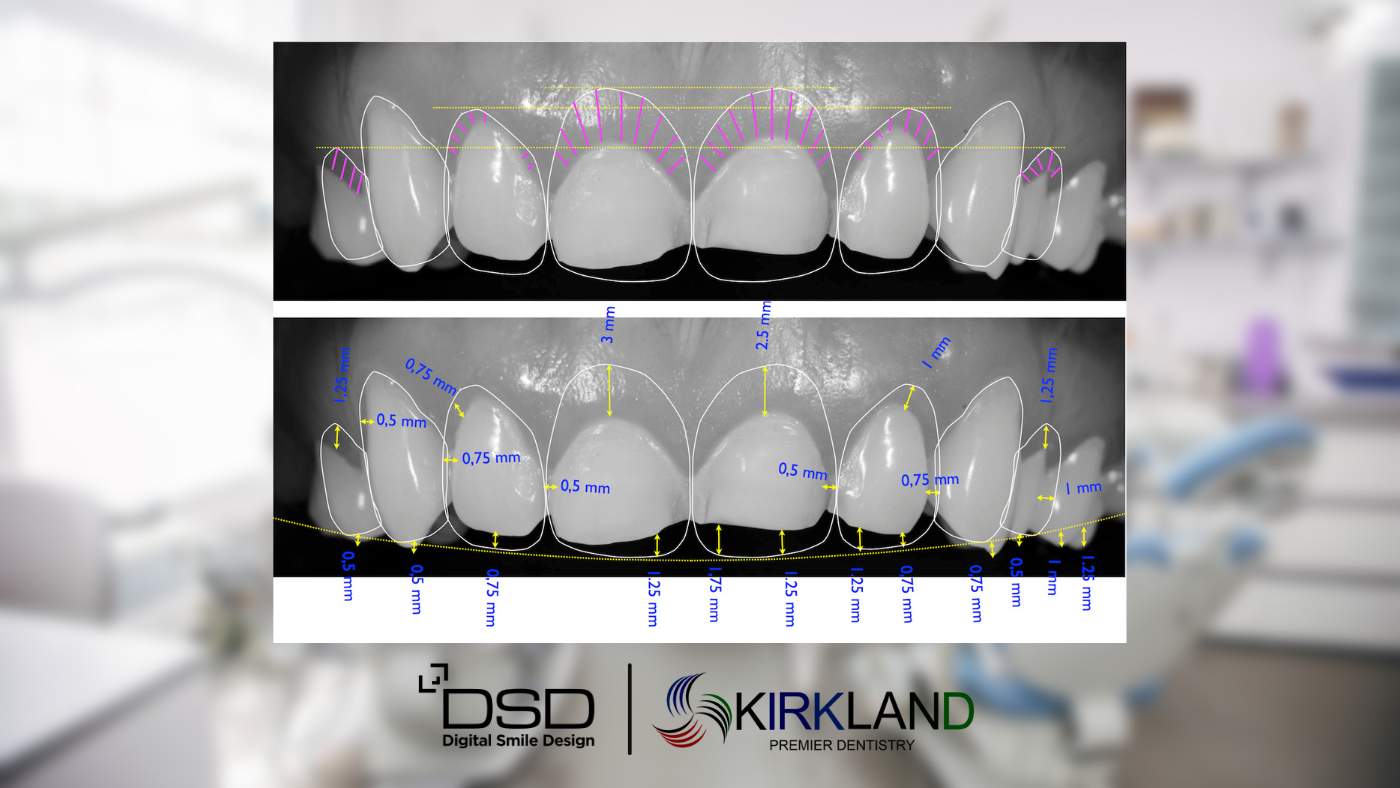
After the clearing up of the disease, under the treatment of the dentist, the oral surgeon ascertains if the mouth is ready for implants.

For the patients where the gum disease was very advanced, the oral surgeon may also decide if bone or gum grafting is necessary before the process. 

During Bone Grafting, the Bone structure is built back up via the use of donor bone or bone from another area of the patient’s body, such as the hip, jaw, or tibia whereas the gum recession is corrected with the use of healthy tissue from the roof of the mouth through gum grafting.


Conclusion

Gum disease if not managed on time can be a major cause of root loss. Not everyone with gum disease may be a candidate for dental implants.

However, with the proper dental care and after undergoing certain procedures, most people can benefit from dental implants

If you have gum disease or have experienced tooth loss due to it, contact Kirkland Premier dentistry about your tooth replacement options.

Dr. Gaurav Sharma has been adding healthy smiles to the lives of many patients with various stages of gum disease through Dental Implants

Request an appointment online or call Kirkland Premier Dentistry for an appointment.

What to Know About Teeth Scaling and Root Planing

What are Tooth Scaling and Root Planing?

Periodontal or teeth scaling and root planing are popular dental procedures that help to treat gum disease or periodontitis and excessive plaque buildup.

This procedure is more in-depth than regular teeth cleaning.

Scaling is a type of dental cleaning that reaches below the gum line to remove plaque buildup.

The dentists may usually recommend teeth scaling and root planing together. More commonly, both these procedures are known as “deep dental cleaning“.

The procedure often takes more than one dental visit and may require a local anesthetic depending on the severity of the chronic periodontal disease and if one has receding gums.

It usually takes only a few days to recover from this outpatient procedure but sometimes it may take longer.

When Do You Need Teeth Scaling and Root Planing?

Teeth scaling and root planing are recommended if your mouth has signs of chronic periodontal disease as it can help to stop the harmful effects of this condition, keeping the mouth healthy.

A severe infection or inflammation of the tissues that surround your teeth, Gum disease is caused by plaque that continuously forms on the teeth.

The bacteria that builds upon the teeth, as a result, can transform into tartar (dental calculus).

Chronic periodontal disease is caused by this bacteria in plaque that makes your gums pull away from your teeth, creating large pockets to grow between the teeth and gums. 

There is also a chance of more bacteria growing there that one cannot reach with teeth brushing at home.

If not treated on time, chronic periodontal disease can lead to:

  • Reddening, swelling, and bleeding of  gums
  • bone and tissue loss
  • tooth loss
  • loose teeth
  • moving teeth

Chronic periodontal disease affects many adults over the age of 30. Some of the reasons that lead to the development of this condition include:

  • poor dental hygiene
  • smoking
  • aging
  • hormonal changes
  • poor nutrition
  • family history
  • other medical conditions

However, gum disease can be prevented with proper teeth and gum care and regular dental visits. It is very important to floss regularly to reach spots that toothbrushes can’t.

However, if you have pockets of 4 millimeters or more, you will probably be recommended dental scaling to remove the plaque beneath the gum line in order to treat the gum disease.

What Happens During Teeth Scaling and Root Planing?

Teeth scaling and root planing are outpatient procedures and can be done in the dentist’s office.

However, one or more appointments for the procedure may be needed depending on the severity of the condition.

A local anesthetic is sometimes used to numb the area and reduce the discomfort of the procedure depending on the condition. 

The teeth scaling is first conducted which involves scraping the plaque and dental tartar from the teeth and from below the gum line from any large pockets that might have developed between the teeth and gums.

The next step is root planing. The dentist after removing plaque planes or smooths out the rough surfaces on the roots of your teeth uses a scaling tool. This procedure helps the gums to reattach to your teeth.

Additional treatment may also be recommended depending on the health of the teeth and gums.

Some antimicrobial agents may be used in your mouth by the dentist or you may be prescribed oral antibiotics to be taken for several days to ensure faster healing.

Periodontal scaling and root planing may take more than one dental visit depending on the condition of the teeth. A post-procedure checkup might be needed after the treatment.

There are two basic methods for scaling teeth:

  • Traditional handheld metal tools, including a scalar and a curette, may be used to perform the procedure. This thin tool will be inserted beneath the gum line to access plaque your toothbrush can’t reach.
  • Alternatively, an ultrasonic instrument may be used by the dentist to scale your teeth. This includes a vibrating metal tip combined with a cool water spray. The tip works on chipping the tartar away as the water flushes out the pocket.

See also: How Often Should You Get Teeth Scaling Done?

What to Expect After the Procedure?

The treatment of Teeth scaling and root planing may take more than one trip to the dentist’s office and the dentist will most likely recommend a follow-up appointment to ensure the procedure was successful and that there are no complications like an infection.

Also if the pockets do not shrink with the procedure, you may be recommended to come back for another procedure.

Dr. Sheena Gaur at Kirkland Premier Dentistry says that it is advisable to resume normal oral care procedures after your teeth scaling and root planing, like brushing your teeth at least twice a day and flossing regularly.

Eating a healthy, balanced diet and seeing your dentist for regular cleanings to prevent the condition from returning are also recommended.

A periodontal maintenance cleaning schedule i.e. returning for regular cleanings every three to four months versus the standard cleanings every six months may also be advised based on your condition.
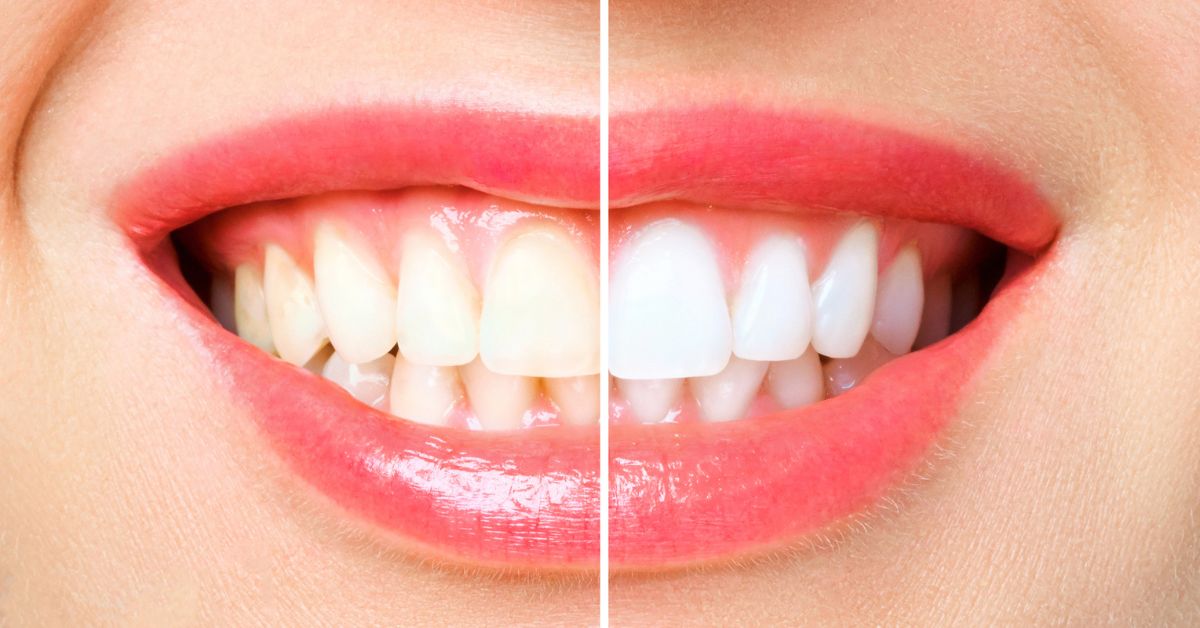
What Are the Benefits of Teeth Scaling and Root Planing?

Considered to be the gold standard treatment for chronic periodontal disease, teeth Scaling and root planing are known to improve the pocket gap between teeth and gums.

Reducing the pockets that develop between the teeth and gums through teeth scaling and root planing, can help to reduce the risk of experiencing tooth, bone, and tissue loss which are known to be linked with chronic periodontal disease.

What Are Scaling and Root Planing Risks?

Teeth scaling carries minimal risks. There is a slight risk of infection following the procedure, so an antibiotic or a special mouthwash may be prescribed by your dentist for a few days or weeks.

There is also a slight chance of harmful bacteria being introduced into your bloodstream during Dental scaling and root planing which can lead to bacteremia or blood infection.

A mouth rinse or antibiotics is prescribed to prevent infection and help you heal if such is the case. 

Your gums can feel painful for a few days and the teeth may be sensitive for up to a week.

There may also be some bleeding, swelling, or tenderness of the gums right after the treatment.

When to Call the Dentist?

Though Teeth Scaling and Root Planing are very safe procedures with minimal risk, one must be cautious of the following signs and must contact the dentist immediately after experiencing these: 

  • worsening pain
  • the area doesn’t heal as expected
  • fever

However, any side effects of the procedure should clear up within a few weeks. 

Takeaway

Dental scaling and root planing is a very common treatment for patients, to treat chronic periodontal disease.

It can be performed as an outpatient procedure at the dentist’s office with or without local anesthesia.

Scheduling dental scaling when your dentist recommends it, can help fight unseen plaque and maintain a cleaner mouth and you must not hesitate to schedule deep cleaning too if your dentist recommends.

More than one appointment may be needed to complete the procedure and you may experience mild side effects following the procedure for a few days or a week.

However, this treatment will go a long way in giving you a fresher smile and healthy gums.

If you feel that your teeth might need deep cleaning, do book an appointment with Dr. Sheena Gaur at Kirkland Premier Dentistry.

Everything You Need to Know About All-On-X Dental Implants?

What are All-on-X Dental Implants?

One of the most important discoveries in dental history, dental implants have changed the way people view dental restoration. The All-on-X procedure takes dental implants to the next level. 

In order to understand All-on-X implants, it is important to understand how dental implants work.

The procedure of dental implant placement consists of replacing the missing or damaged tooth with an implant that is made of either Titanium or ceramic.

The missing tooth crown is then replaced with a crown using an abutment, which connects the crown with the screw. 

The All-on-X dental implants allow patients to replace multiple missing or damaged teeth at the same time. 

What is the Procedure for All-on-X implants?

A trained dentist uses computer-guided surgery to determine the best locations for implants and inserts them into the bone. 

A temporary denture is usually inserted so that one can smile and eat normally while the natural bone heals and grows around the implants, just like it would around a natural tooth.

This process usually takes a few months, and then a full-arch denture is fitted and permanently secured to the implants.

A dental bridge anchored by 4 implants that can be placed in the top or bottom teeth is used in the All-on-X process, positioning the implants within the jawbone at the same time.

So, just four implants are needed to replace multiple missing teeth. Being made of titanium, the implant can fuse to the bone, becoming a part of the jawbone. 

Also Read: How to Prevent an Infection After Dental Implants

What are the Advantages of All-on-X Dental Implants

Can Last Much Longer

Much different from traditional crowns, titanium implants are designed to last a lifetime and to support zirconia implant crowns.

Being the most durable material used in implant dentistry, Zirconia is also chosen for its aesthetics. Zirconia crowns not only look great but also no one can tell the difference.

Time Effective

A cost-efficient and minimally invasive method All-on-X dental implants restore both the function of the mouth and the confidence that comes with a beautiful smile.

Moreover, one can leave the office with a temporarily fixed, full-arch denture the very day of treatment!

Bone Grafts Are Not Necessary

Because of the use of computer-guided technology during the procedure, the dentist can see where the highest levels of bone are without the need for bone grafting, saving patients the expense and recovery time.

Moreover, skipping this invasive treatment helps in faster healing with much less complication.

Along with restoring the beauty of the smile All-on-X implants help to prevent further bone loss as they act as a scaffold that supports the existing bone giving it something to hold on to. 

Cost-Effective

The cost of the fabrication of the prosthesis is relatively lower and moreover, the cost of repair is minimal as repairs can be easily achieved with repair resin which is added to the defects or areas of concern.

So the patient is not effected without the prosthesis for any length of time as there is no need to send the denture to the laboratory for repair.

Maintenance of All-on-X Dental Implants?

All-on-x does not affect speech or eating abilities. One can eat and drink normally and speak as clearly as with natural teeth after the implants are inserted.  

Brushing twice a day and flossing regularly are important to maintain the health of the implants.

Keeping a regular professional maintenance schedule with the dentist is also important as it allows the dentist to inspect all the pieces of the All-on-X implant system and regularly evaluate bone levels to make sure everything is in the right shape.

Conclusion

The All-on-X technique is a great option for those who are looking for Multiple teeth restoration.

The technique uses four or more, strategically placed dental implants that allow a full-arch denture to be securely and permanently placed over them.

The patients are able to eat normally and speak clearly after getting these implants. 

Dr. Gaurav Sharma at Kirkland Premier Dentistry emphasizes the importance of choosing a competent dental surgeon for the procedure.

Regular checkups and maintaining good oral habits can go a long way in preserving your smile after you get All-on-X implants!

What are Tooth Coloured Filling- Procedure, Types and Cost

Overview

Dental fillings are one of the most common types of routine dental care to treat dental cavities.

Almost 91% of adults experience at least one cavity in their permanent teeth during their lifetime.

With an elevated demand for dental work of this nature, there have been many developments that offer patients more options to treat tooth decay.

What are Tooth Coloured Fillings?

Tooth coloured fillings are Dental restorations and are an innovative new version of the old, metal fillings.

They are designed to be discreet and natural in appearance as they blend well with the teeth and look more natural than amalgam fillings, which are darker and more easily noticeable. 

They are also known as Composite Fillings as they are made of a composite resin material that can chemically bond to the teeth and they can be utilized to fill and close off a cavity after the decayed part of the tooth has been removed and also to help repair chipped or broken teeth. 

Composite restorations are used to treat the teeth closest to the front of the mouth.

However, the latest advances in technology and the composition of composite fillings have made it possible for dentists to use tooth-coloured fillings on molars too, as they receive more wear than other teeth.

What Is the Procedure for Tooth Coloured Fillings?

First and foremost the dentist discusses the options to decide the filling type best suited for the patient and starts by selecting the shade of composite to use in the filling.

A local anaesthetic is administered in the area to numb the tooth and surrounding areas before the procedure and the decay is then removed usually using a dental drill, leaving a sound and strong tooth structure. 

The cavity is then cleaned, disinfected and dried to prepare it for the filling material to be placed in it.

This step might involve some tooth shaving for severely damaged teeth.

The filling is then shaped to restore the shape of the tooth and then cured with light for hardening before checking the bite and ensuring that the restoration is comfortable.  The tooth is then contoured and polished.

After the Filling Procedure

The patients are usually advised not to eat or drink for 2–3 hours after the procedure. 

Some people may experience some sensitivity in the area for a few days following the procedure.

However, if one experiences any pain or if the filling does not feel right, the dentist must be consulted as soon as possible.

What are the Types of Tooth Coloured Dental Fillings?

When it comes to choosing the right type of dental filling for a cavity, patients now have several options.

Currently, most people opt for tooth-coloured fillings for a more discreet result. However, in certain situations, a metal filling may be the more appropriate choice.

A dentist can help patients make the most appropriate selection based on age, dental history and the location of the affected tooth.

Tooth-Coloured Materials

Filling the decayed tooth using a tooth-coloured material, results in a more natural-looking and less noticeable appearance.

This option is preferred by most patients especially while receiving routine dental care for decay towards the front of the mouth.

These materials can be even enjoyed in the back of the mouth if the decay is not too drastic. 

Tooth-coloured fillings can be made of: 

  • Porcelain or ceramic
  • Resin composite which is a combination of porcelain and plastic
  • Glass ionomer which is a combination of acrylic and glass, infused with fluoride

Porcelain and resin composite are usually used on exposed tooth areas, while glass ionomer fillings are generally used to treat decay below the gum line.

A popular choice among dentists and patients, Composite Fillings can be easily accommodated to match the natural shade of the patient’s teeth. 

Also Read: Things to Know About Dental Cleaning: Benefits, Risks Types and Treatment

What are the Advantages of Tooth Coloured Fillings?

1. Quick Treatment

The procedure of the tooth coloured filling is quick and painless and takes less than an hour to fill one or two cavities. 

At Kirkland Premier Dentistry Dr Sheena Gaur is quite adept with these fillings and works as efficiently as possible to limit the amount of actual treatment time.

In most cases, a filling can be placed, cured and polished in about 15 to 20/minutes after the anaesthesia sets in.

2. Aesthetically Appealing

Tooth-coloured fillings easily blend in with the surrounding tooth structure making it unnoticeable and only white sparkling teeth visible, unlike the silver amalgam and gold fillings. 

3. Long Lasting

The tooth-coloured fillings could last for 10 years or more if proper care of teeth, gums, and fillings is taken.

Dr Sheena Gaur explains that Brushing twice a day, flossing daily, getting a dental examination and cleaning every six months can go a long way in protecting the fillings.  

4. Leaves More Healthy Tooth Structure Intact

As the composite resin that is used in tooth-coloured fillings bonds to the teeth, there is the least need to remove as much natural tooth structure, as is needed with silver amalgam or gold fillings, allowing more conservatively treatment of the cavity and maintaining more of the natural tooth structure.

5. Mercury-Free

Some amount of Mercury, which is a toxic material, is present in Silver amalgam fillings.

Though it is very low and not considered dangerous to health, many patients prefer a mercury-free option, such as tooth-coloured fillings.

How Long Do Composite Fillings Last?

Composite fillings can last around 10 years if the fillings are well taken care of. However, someone at very high risk for cavities may not get that many years out of a composite filling.

Porcelain fillings, which can also be tinted for a near-natural finish can last between 10 and 15 years in a healthy adult.

What is the Cost of Tooth Coloured Fillings?

The cost of a composite resin filling depends on many factors. It is a non-invasive procedure which can easily be performed under local anaesthesia but if the patient is affected by dental anxieties or a strong gag reflex, dental sedation might be needed and it can increase the cost.

It is always cheaper to treat a cavity with filling on time than to neglect the problem till the time it gets worse.

Afterword

Most adults deal with cavity treatment at some point in life and tooth-coloured filling options can help make the work appear more natural.

They have many benefits, the biggest being preserving your smile and bite with a completely natural look!

Dr Sheena Gaur at Kirkland Premier dentistry has a wide experience in treating tooth decay and cavities and can offer expert guidance in helping patients make an appropriate choice according to the condition, placement and amount of decay!

For sparkling, white and healthy teeth book an appointment today.

How to Prevent an Infection After Dental Implants

Introduction

A life-changing experience for many people, dental implants can improve the impression of the smile and increase all-around comfort and function.

But Dental implant process is invasive and may require several surgeries. 

A relatively common dental procedure, Dental implants go in without a hitch, mostly.

However rare complications are possible as it is with any procedure. Adequate post-implantation care is the key to preventing infection and ensuring that the procedure is successful.

One of the most common complications following surgery is Dental Plant infection and, in most cases, it is a minor problem that can be easily resolved.
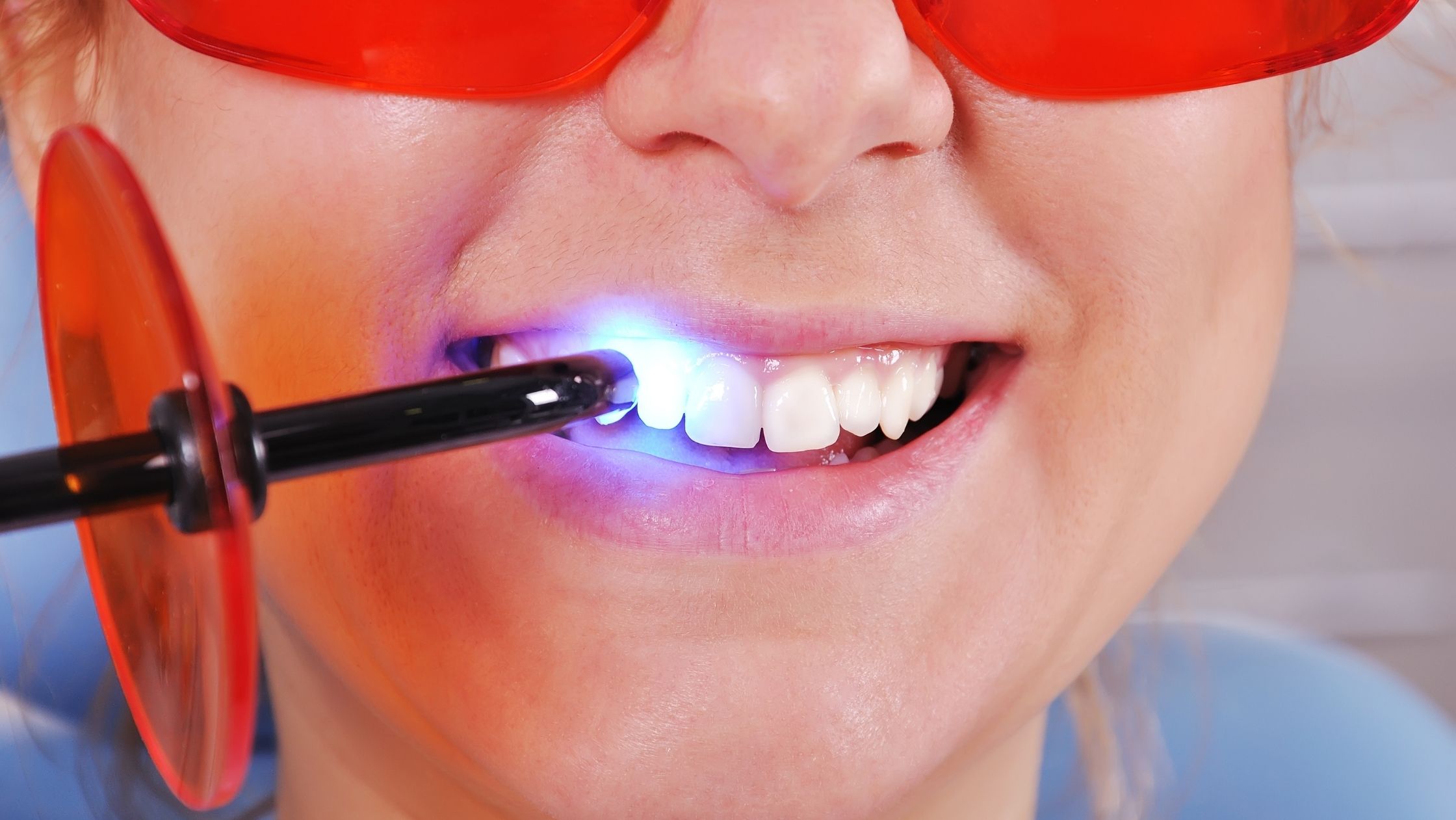
Dr. Gaurav Sharma at Kirkland Premier Dentistry says, “Whether one is about to go in for a dental implant procedure or already has one done, it’s always helpful to be informed”
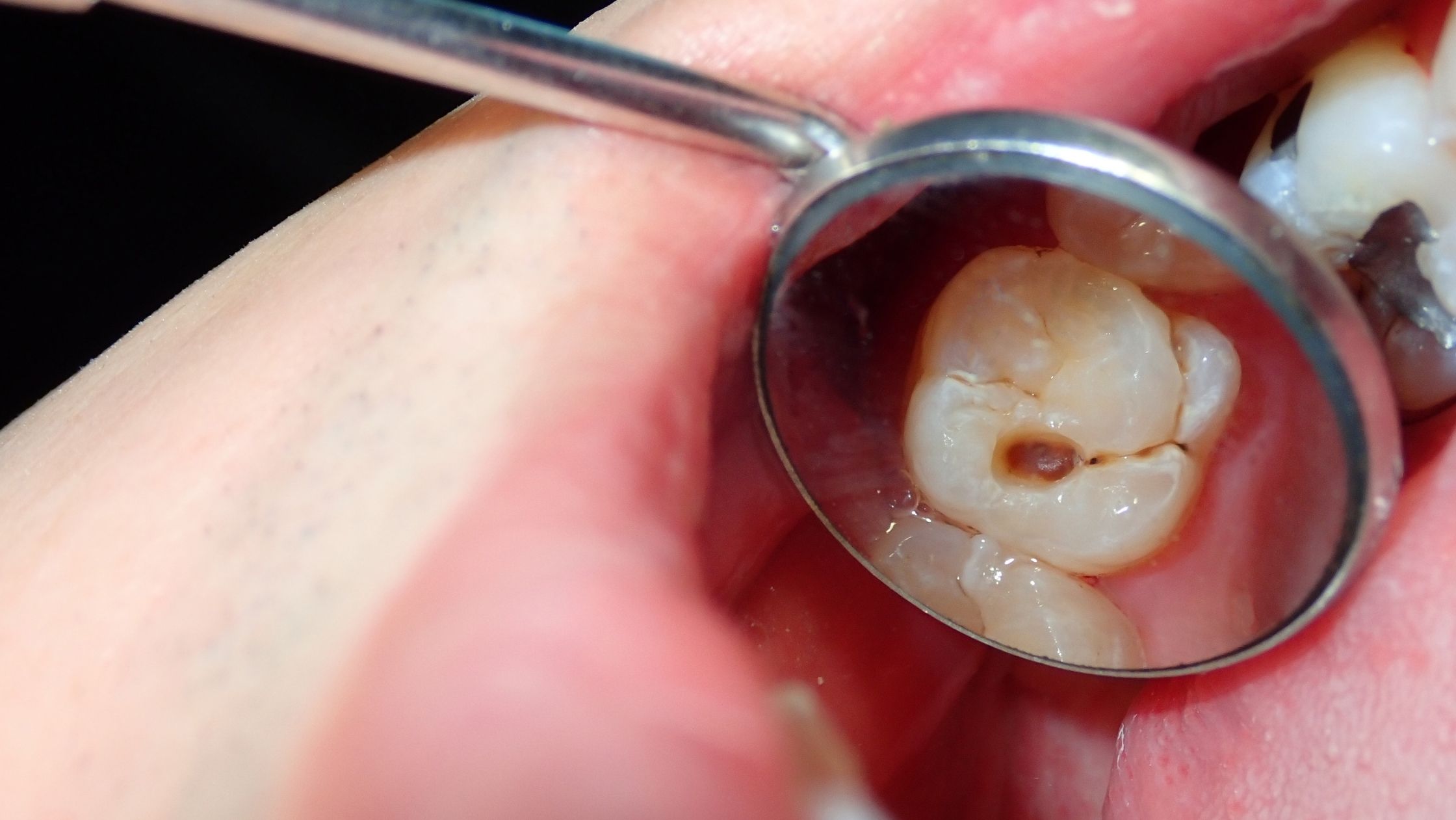
Here are some answers to commonly asked questions about dental implant infections.

How Do Dental Implants Work?

Dental implants help to replace a missing tooth permanently. A small screw-like structure is first installed into the jaw bone by the dentist and it forms the root of the new tooth.

People who have had severe bone loss in their jaw may need a bone graft beforehand.

This regrowth of the bone is stimulated by the implant, making the new tooth more stable.

On the healing of the tooth, the dentist attaches the top of the implant, giving the patient a permanent tooth that both looks and feels natural.

What is a Dental Implant Infection?

When the area around the implant site gets inflamed, it’s called a Dental Infection. There are two major types of Dental Infection:

  • Peri-implant mucositis: The less serious of the two infections, it is commonly caused by poor oral hygiene. A plaque biofilm is formed between the implant and prosthetic crown and there is an inflammation of the soft tissue around an implant, with no additional bone loss.
  • Peri-implantitis:  Usually a result of untreated peri-implant mucositis, it is a more serious destructive inflammatory condition of the soft and hard tissues around dental implants, which affects a large area of the bone covering the artificial tooth root.  

What are the Most Common Dental Implant Infection Signs? 

Every surgery takes some time to heal, leaving the area exposed and vulnerable to bacteria.

However the risk of infection after dental implant surgery is relatively low, and its treatment is quite easy if the patient acts swiftly and sees a dentist immediately on developing the warning signs. 

Symptoms of infection may include the following:

Pain and Trouble in Chewing:

Some pain after any invasive dental procedure is natural but it should be manageable with a prescription or over-the-counter pain killer.

However, if the pain increases or spreads to the point where it interferes with talking and chewing, it may be a sign of an infection.

Fever, Redness, and Swelling:

Similarly to pain a little swelling around the surgery area after getting the implants is also normal.

However, it should not last for more than the first few days. Aggravated swelling and redness, particularly accompanied by fever, can be a sign of infection.

Constant Bad Taste in the Mouth:

The buildup of bad bacteria and debris is the main cause of dental implant infections.

As these bacteria settle in the gums and trickle into the mouth, it is usually accompanied by a persistent terrible bad taste in the mouth and in some cases a constant bad breath.

Bleeding or Leaking Pus:

The infection may also cause the leaking of blood and pus into the mouth. An infection can cause persistent bleeding which might increase after a few days.

Loose Implant:

As the dental implants are screwed directly onto the jawbone to keep them from coming loose, they should remain stable for the rest of their life.

An implant that is loose or wobbly is a sign that there is an issue with it and that another procedure may be needed to fix it.

What are the Causes of the Infection Around Dental Implants?

The causes of dental implant infection usually include:

  • Poor oral hygiene
  • Smoking
  • An allergic reaction caused by the implant
  • Chronic health issues such as diabetes
  • A weak immune system
  • A bite that is misaligned can contribute to the growth of bacteria
  • Grinding or clenching of teeth.
  • Severe bone loss in the jaw 

How Can I Reduce the Risk of Infection Following Dental Implants Surgery?

All the symptoms of dental implant infection can be normally avoided with proper care post-implant surgery. 

It is extremely important to follow the aftercare instructions given by your dentist carefully.

One of the major contributing factors toward a smooth dental implant experience is consulting a reputed and competent dentist with an extensive dental implant experience for the procedure.

However, the good news is that the risk of dental implant infection is very low, especially if one sticks to a proper care regime post-implant surgery. This includes:

Good Oral Hygiene

A diligent and optimal hygiene routine can go a long way in preventing an infection from occurring after dental implant surgery. 

Gently brushing teeth twice a day helps to prevent the accumulation of infection-causing bacteria.

In addition to brushing, flossing is also very important as it helps to remove the food particles that cannot be reached by a toothbrush.

Robust oral hygiene helps to ensure that the gums and teeth have an environment that is conducive for the implants to thrive.

Rinse Regularly

Regular rinsing is one of the most important aspects of healing dental implants. Rinsing helps to control the accumulation of bacteria, subsequently reducing the risk of infection.

Patients must rinse the mouth once or twice a day with a dentist-approved mouthwash or a saltwater solution. 

Avoid Smoking

Smoking can invite a lot of bacteria into the mouth and also compromises the body’s capacity to heal properly.

It is one of the worst things that a patient can do to the implants after surgery. Patients are advised to avoid smoking both before and after the surgery.

Avoid Foods and Beverages High in Sugar

Sugar is not good for the gums at any time, but it can be especially damaging to gums when they are in the healing process.

Patients should completely avoid foods and beverages that contain a lot of sugar, during the healing of dental implants.

Being extremely small, sugar particles can hide in the tiny crevices of the mouth, including within the site of the surgery, and can lead to an excessive buildup of bacteria.

In addition to all these measures, patients should take care to reduce their physical activity for a few days and take the prescribed antibiotics and medicines properly to ensure optimal healing of the implants.

What Should One Do Upon Noticing the Signs of Dental Implant Infection in the Mouth?

Time is of great essence when it comes to saving dental implants. Ignoring the problem will not only make things worse but also increase the risk of the infection spreading to the body.

One must call the dentist immediately on noticing any of the above-mentioned red flags. 

Conclusion

Dental implants can last a lifetime, but only if the initial process is successful. Poor dental hygiene and not following aftercare instructions can lead to dental implant problems. 

Dr. Gaurav Sharma stresses the importance of discussing with the dentist about precautions that need to be taken and the ways to take care of the implants immediately following the surgery.

The dentist may give some specific guidelines for proper healing of the implants and it is very important to follow them.

It is also important to remember that if the infection happens, it will not go away on its own and may further lead to serious oral damage if not treated on time.

So it is extremely important to call the dental surgeon immediately if you think your implant is infected.

However, When you are inexperienced and competent hands,  there is no need to worry about dental implant infections leading to implant failure.

At Kirkland Premier Dentistry, we provide optimal dental implant solutions and make sure our patients are appropriately guided about how to avoid any infections

Teeth Cleaning: Safety, Side Effects, Disadvantages and Benefits

What is Dental (Teeth) Cleaning?

Routine Teeth cleaning is the key to a healthy smile. The main goal of Dental cleaning is to remove plaque and tartar buildup on the teeth and under the gum line to reduce the chances of cavities, gum disease, and tooth loss.

A dentist also gets a chance to look for signs of tooth decay, oral cancer, and other oral health issues during the Cleaning.

A non-surgical, routine procedure dental Cleaning can vary in duration, depending on the condition of the teeth and gums. Usually, a routine dental cleaning takes a little under an hour.

However, the duration can vary according to how much Scaling is necessary.


Dental Cleaning Process and Types

Physical Examination

A physical examination of teeth and gums before the dental Cleaning is essential for the dentist to check for any signs of gingivitis or other potential concerns.

In some cases, X-rays can help identify anything abnormal that requires treatment or a referral to a specialist.

Once all the assessment data is collected and a diagnosis of current conditions is made, a treatment plan can be created to address the specific needs.

The frequency of X-rays or radiographs depends on a few key factors like a patient’s age, oral health, risk for disease, and any signs or symptoms of oral disease.

The Cleaning begins once the assessments and recommendations are complete.

There are four different types of dental cleanings for various issues:

  • Prophylaxis Cleaning: A preventative cleaning, prophylaxis refers to an action to prevent disease. Commonly used for individuals with overall good dental health, plaque, and tartar are removed from the front, back, and teeth during a prophylaxis cleaning. Usually recommended at least twice a year to keep teeth and gums healthy, they can sometimes be recommended every 3 to 4 months in high-risk patients.  
  • Scaling and Root Planing: Also known as deep Cleaning, Scaling, and root planing are performed on patients affected by gum diseases such as gingivitis or periodontitis. There are two main steps which include:
  • Scaling: Removal of plaque and tartar from the visible surface of the teeth and the gum pocket below the gum line. 
  • Planning: After clearing all the gum pockets of plaque and tartar, the root surface is smoothed. It makes reattaching of the gums to teeth easier. In some cases, local anesthetics and multiple dental appointments are needed to complete Scaling and root planing, which may be needed. 
  • Periodontal Maintenance: Periodontal maintenance is essential for those affected with gum disease. Unlike gingivitis, periodontitis is not reversible with treatment. However, both these gum diseases are progressive and continue to worsen if not treated, eventually leading to tooth loss. Performed more frequently than preventative cleanings, periodontal cleanings are usually continued until the symptoms are adequately managed. 
  • Gross Debridement: Performed when regular teeth cleaning is not enough. Gross Debridement is usually used for people who have delayed dental visits or teeth cleanings for quite some time and have a substantial buildup of plaque and tartar. Plaque is first removed with a scaler tool, and then a unique electric tool is usually needed to loosen and remove tartar from the teeth as tartar hardens and has been in place for a while. A regular prophylaxis cleaning is performed afterward.


Fluoride Treatment

Fluoride treatment is the last step of the cleaning process and is used to protect the teeth for several months to help fight against cavities.

A foamy gel or a sticky paste is placed into a mouthpiece that fits over the teeth and is left on the teeth for one minute.

Sometimes, fluoride varnish is painted onto the teeth with a small brush. The varnish hardens when in contact with saliva; one can eat and drink it immediately afterward. 

Also Read: Difference Between Routine & Deep Dental Cleaning


How Often Should One Get Dental Cleaning?

The frequency of dental Cleaning depends on what the dentist or dental Hygienist observes in the mouth, during the examination, and the patient’s unique circumstances.

Dentists usually recommend twice-a-year cleanings for optimal oral health, but a shorter interval of every three to four months may be essential if there are any signs of gum disease.

Molar sealants might be recommended in children to help prevent cavities in areas that are difficult to brush.

Returning to the dentist for regular teeth cleanings is vital to prevent problems altogether. 


What Type of Cleaning Is Good for Me?

While prophylaxis cleaning is usually enough for most people, scaling and root planing, periodontal maintenance, or gross debridement may be advisable for a few.

The dentist or a dental hygienist can best suggest the Cleaning you need after a physical examination.

It is essential to mention here that each type of Cleaning is bound to help your oral health and prevent painful dental problems. 


What are the Benefits of Deep Cleaning Teeth?

Deep Cleaning is needed if gum disease causes the gums to pull away from the teeth, creating a space more than 5 mm deep.

The space between the gums and teeth can continue to widen with the worsening of the gum disease.

This can further weaken the bones that support the teeth, causing loose teeth or tooth loss.

Deep Cleaning helps to:

  • Improve overall health 
  •  Stop the advancement of gum disease.
  •  Treat an existing infection and promote healing
  •  Clean the teeth above and below the gumline
  •  Get rid of bad breath caused by gum disease
  •  Protect the roots of the teeth


What are the side effects and disadvantages of teeth cleaning?

Although deep Cleaning can effectively treat gum disease, it has its risks, too, like any procedure. The disadvantages of deep cleaning teeth are:

  • It can cause nerve damage
  •  No guarantee of the reattachment of gums to the teeth
  •  It can cause the gums to recede
  •  Possibility of infection if one has a compromised immune system
  •  It can cause Pain and sensitivity
  •  Antibiotics may be needed

Dr Sheena Gaur at Kirkland Premier Dentistry says that Pain and sensitivity are the most common side effects of Deep Dental cleaningand any other risks from deep Cleaning are usually minimal and last only about 5 to 7 days.

However, this may extend to a few more days for extensive cases. Those with a compromised immune system might have to take an antibiotic for a few days to avoid the risk of infection after the procedure.

In some rare cases, deep dental cleanings can release bacteria into the bloodstream. 


Is Deep Cleaning Teeth Painful Harmful?

Some discomfort can be caused by teeth scaling and root planing. However, a topical or local anesthetic is given to numb the gums.

Some sensitivity can also be expected after the treatment; the gums might swell. One can also have minor bleeding.


How Can One Reduce Sensitivity After the Procedure?

Sensitivity can be reduced by eating soft foods for a few days after the procedure. Scorching & cold foods and drinks should also be avoi21+ded.

Over-the-counter pain medications and warm salt water rinsing can also help reduce inflammation. 

Diligent and regular brushing and flossing twice a day can promote healing and reduce further gum inflammation. 


Takeaway

A deep teeth cleaning can help you get rid of bad breath and promote the healing of gum disease.

Though deep cleanings have risks, they are usually minimal and can be managed easily.

However, it is important to understand possible complications or side effects before going in for the procedure.

An experienced dentist or dental Hygienist can guide you about the type of procedure recommended for you after your check-up.


Is teeth cleaning safe or not?

Dental Cleaning is a relatively safe procedure, but some sensitivity and swelling can be expected afterward.

However, if swelling, bleeding, or Pain continues for more than a week after the procedure, one must see the dentist immediately.

Contact Dr Sheena Gaur at Kirkland Premier Dentistry today to learn more about dental cleaning options!

Dental Implants: Traditional Vs Mini

Introduction

A permanent tooth root replacement option that supports artificial teeth, Dental Implants are these days considered an alternative to conventional ways of fixing the problem of missing teeth.

Tooth Implants can help to restore one or several teeth and even hold removable dentures in place.

Made from titanium, a strong but lightweight metal, compatible with the human body, dental Implants do not provoke a reaction from the immune system.

Implants can help in stimulating bone growth as far as their role in dentistry is concerned.

A small titanium post is inserted into the bone socket of a missing tooth, and as the jaw heals from surgery, the bone fuses to the implants, turning them into stable “roots” that support the replacement teeth. 

Dental Implants help in restoring smile and self-esteem, allowing people to eat their favourite food.

They help to maintain the structural integrity of the jaw, providing a bite strength much stronger than conventional dentures.

Providing stability for the surrounding natural teeth, Implants can last for decades if they are taken care of properly.

What are Mini Dental Implants?

Traditional implants consist of two pieces with a diameter of 3.25 to 5 millimetres which are inserted into the bone socket of missing teeth with an external screw.

A smaller version of regular implants, Mini dental implants have the same but less intimidating structure as regular implants. 

Mini Dental Implants come in two parts: A tiny titanium rod, approximately the diameter of a toothpick with a small ball on the exposed end.

This provides an anchor for the elastic O-rings to attach so that the replacement tooth can ultimately be put into place.

Sufficient bone mass is a prerequisite for being an ideal candidate for regular dental implants.

Mini implants allow the patients to avoid the need for a bone graft, which can take up to six months to heal completely and may not always be successful.

Also Read: Everything You Need to Know About Deep Dental Cleaning

What is the Difference Between the Procedure of Regular Implants and Mini Implants?

The surgical procedure of both implants is similar. Incisions are made into the gums to expose the jawbone with the help of local anaesthesia.

The dentist then drills the bone to be able to place the implant, stitching the area closed and leaving a small area exposed above the gums.

Temporary teeth are provided while the area heals, to avoid any damage. The procedure time and healing period are reduced in mini dental implants due to the smaller size.

Usually, everything can be done in one day, allowing the patient to get finished with replacement teeth in a much shorter time.

Difference Between the Regular and Mini Implants

Though both regular implants and mini implants are options available to replace missing teeth, there are a few differences between the two:

  • A substantial bone mass is required for the regular implants for proper osseointegration to happen. Mini implants do not require as much bone mass or osseointegration. They can be used when one has experienced bone loss, or are at a risk for it, as an alternative option to dentures.
  • Being much smaller than regular implants, mini implants are an ideal option for fitting into smaller areas of the mouth or as stabilizers for dentures. Because of their small size, they can be used for small teeth. 
  • Abutments or screws as in regular implants are not used in Mini Implants. The teeth are instead secured in place, by elastic O-rings on a ball at the top of the implant.
  • Traditional dentures can be stabilized using Mini Implants. Generally, even a properly fitting denture can come loose, and slide around on the gums. Mini Implants can help to keep them securely in place. Providing an alternative to denture adhesives can help to avoid the dentures coming loose and causing both embarrassment and pain. 
  • The surgical procedure with Mini Implants is much less invasive due to their small size, reducing the downtime after surgery too.
  • The cost of Mini Implants is lesser than regular dental implants.
  • Regular dental implants provide more stability, and a much longer-term solution than the Mini Implants as a smaller implant may sometimes not prove not to be as strong or as durable, because of receiving lesser support from the jawbone as compared to a traditional implant.
  • Mini implants don’t last as long and may ultimately move around the gums, leading to embarrassment and pain. This happens as they don’t have anything holding them down tightly beyond the surrounding bone and gum tissue. However, regular implants guarantee more stability overall and last for several years because of their bigger size and construction.

Dr Gaurav Sharma at Kirkland Premier Dentistry suggests that though mini dental implants are still incredibly secure, and have their unique benefits if one is looking for the most durable and secure tooth replacement, traditional dental implants are still the best option. Book an online appointment now.

Everything You Need to Know About Deep Dental Cleaning

What is a Dental Cleaning?

Regularly brushing, flossing and seeing a dentist twice a year for routine dental cleanings plays a vital role in oral health.

Dental hygiene can go a long way in fighting bad breath and preventing gum disease.

Deep dental cleanings are recommended by the dentist sometimes when one has bleeding or receding gums and loose teeth.

As common as it may be, deep cleaning or periodontal scaling or root planing, like any procedure, is accompanied by its advantages, disadvantages and risks.

What is Deep Dental Cleaning?

A buildup of plaque and tartar on the teeth can be got rid of with the help of Deep teeth cleaning.

The procedure helps in reducing gum inflammation and greatly improves gum health.

Sticky film that forms on teeth, Plaque contains bacteria that develops when food particles mix with saliva.

The plaque, which collects on teeth daily, can be removed by brushing the teeth.

However, brushing is not enough to remove all the plaque between the teeth. So gradually, the leftover plaque calcifies or hardens, forming tartar.

The accumulation of plaque or tartar can end up causing gum diseases like gingivitis, an inflammation of the gums, which if left untreated, can further into periodontitis.

A serious infection that destroys the bone that supports the teeth, periodontitis can give rise to many problems.

Advantages of Deep Teeth Cleaning

A deep cleaning may be needed if gum disease causes the gums to pull away from the teeth, creating a space of more than 5 mm.

The space between the gums and teeth continues to widen with the worsening of the gum disease, leading to the weakening of the bones that support teeth. This can eventually result in loose teeth or tooth loss.

In such cases, deep cleaning is recommended by the dentist and its benefits include:

  • Helps to stop the advancement of gum disease.
  • Helps in treating a present infection
  • Aids in promoting healing
  • Helps to clean the teeth above and below the gumline
  • Can help get rid of bad breath caused by the gum disease
  • Protects the roots of the teeth

Also Read: Full Mouth Dental Implants- Types and Procedure

Disadvantages of Deep Dental Cleaning 

Extremely efficient in helping to treat gum disease, deep cleaning like any procedure has its risks and disadvantages which include:

  • It can cause nerve damage
  • The reattachment of  gums to the teeth is not guaranteed
  • It can lead to the receding of the gums
  • There are chances of infection, especially for people with compromised immune systems.
  • Can cause pain and sensitivity

It is imperative to mention here that though pain and sensitivity are the most common side effects of deep dental cleaning, risks and complications are usually minimal.

Pain and sensitivity also last for only about 5 to 7 days except for a few cases.

How is Deep Dental Cleaning Different from Regular Dental Cleaning?

Deep teeth cleanings and routine teeth cleanings are different from each other.

Whereas regular cleaning works on removing plaque and tartar from above the gumline, a deep cleaning helps to remove plaque and tartar from below the gumline.

A space can be formed between your teeth and gums due to gum disease, trapping the tartar and plaque. This buildup can be removed by a deep dental cleaning.

Moreover, deep cleanings need two or more visits to the dental clinic involving gum scaling and root planing.

The dentist removes plaque and tartar from below the gum line during the tooth scaling appointment.

But during the root planning visit, plaque and tartar are removed from the roots of the teeth, reducing the size of the space between the teeth and gums. This helps the gums to reattach to the teeth.

Antibiotics can be prescribed for a few days during a deep dental cleaning, to avoid the risk of infection, especially for those whose immune system is compromised. 


Is Deep Dental Cleaning Painful?

Teeth scaling and root planing can cause some discomfort and pain.

Dr. Sheena Gaur at Kirkland Premier Dentistry says, ” We usually administer a topical or local anesthetic to numb the gums to put patients at ease and keep the procedure pain free” She further explains that some sensitivity, swelling and minor bleeding can still be expected after the treatment. 

Reducing Sensitivity After the Deep Dental Cleaning Procedure

The following measure can prove beneficial in reducing sensitivity after the procedure:

  • Eat soft foods for a few days 
  • Avoid extremely hot or cold foods and drinks.
  • Over-the-counter pain medications can help reduce inflammation.
  • Rinsing the mouth with warm saltwater 
  • Brush and floss regularly using a soft bristle toothbrush 

Bottom Line

Deep teeth cleaning can help to get rid of bad breath and promote the healing of gum disease.

It is a relatively safe procedure but may carry a few risks. Understanding the possible complications or side effects can help one make a better decision.

Dr. Sheena Gaur explains that a little sensitivity and swelling after the procedure is quite normal but If swelling, bleeding, or pain continues for more than a week, then one must see their dentist.

For a better understanding of the procedure book an appointment today at Kirkland Premier Dentistry

What Are the Benefits of Full Mouth Dental Implants?

The loss of a whole arch or several teeth is faced by many adults even today.

Dental implants, which are one of the most remarkable methods to replace missing teeth, these days, are a good option for one or two missing teeth.

However, when someone has all or most of them missing, it can be resolved by an innovative solution known as ‘Full Mouth Dental Implants’.

Full mouth dental implants provide a permanent solution for several missing teeth or full-arch loss, at the same time conserving the gums and jaw bone structure.

Four to eight implants per row of teeth are fixed in the gum to sustain the tooth and they take the place of the roots, blending with the jawbones. 

The dentist places a set of replacement teeth on the implant anchors, once they have healed.

The replacement teeth may consist of a dental bridge or custom-made dentures.

What are the Types of Full Mouth Dental Implants

There are many types of full mouth dental implants like:

  • All-on-six dental implants
  • Zirconia bridges
  • Traditional removable prosthetics
  • Full-implants no-denture

Procedure for Full Mouth Dental Implants 

The treatment of full mouth dental implants is an outpatient procedure, in which the dentist takes some x-rays to determine the bone strength.

The number of implants that are needed is inserted in the form of a titanium screw and they act as new tooth “roots.”

After the jawbone and gum have healed an abutment and the new tooth crown goes into place, giving a permanent new tooth that is as stable as a natural tooth.

The first six months after getting the implants is the time when the teeth get stable and the implants are fixed. Several appointments may be needed till the implants have fully healed.

Also Read: Do You Need Dental Crown After Root Canal Therapy?

What Are the Benefits of Full Arch Dental Implants?

There are several reasons which make full mouth dental implants a better choice and a more reliable procedure to replace multiple missing teeth. 

The full mouth implants do not only take less time than the single need for more teeth, but they also have several other benefits like:

Preservation of Bone Structure

The gums which support the teeth receive support from the jawbone found under the gum.

The tooth loss leads to the loss of the jawbone strength, bringing about facial structure changes as the height of the jawbone shrinks. 

This can result in corners of the mouth and cheeks sinking and sagging.

Full mouth dental implants provide the same support as natural teeth roots and stimulate the bone within the jaw to provide stability to the artificial tooth crown.

Providing a permanent solution that lasts for a lifetime, allows the person to eat, talk, and use the jaw without any problems, at the same time checking the bone loss and preventing the gum bones from shrinking.

Preservation of Adjacent Teeth

The shifting of the remaining natural teeth and misalignment problems with one’s bite can be prevented with full mouth dental implants.

Moreover, these save the wear and tear on adjacent natural teeth as they do not need to perform the double-duty of supporting bite pressure of the artificial denture and bridge, resulting in their weakening.

Higher Success Rate

The titanium dental implants derive their strength from the bone and gum that grow around the implant material and they do not need the periodic replacing that usually comes with dentures or bridges.

With adequate oral hygiene, the full mouth dental implant can last up to 25 to 30 years.

Natural-Looking

Full dental implants have a completely natural look and people are usually not able to tell the difference.

A natural facial appearance is also maintained during the restoration process giving one a beautiful smile.

Parafunctional Habits

Full arch implants are more durable than regular implants and are thus more suitable for people with parafunctional habits like clenching of teeth or bruxism which can take a toll on regular implants and natural teeth alike, causing the teeth to develop cracks or get weak.

Suitable for People with High Caries Index

Dr. Gaurav Sharma at Kirkland Premier Dentistry explains that Cavities can be caused often in people with high caries index leading to damage to the teeth, making them lose teeth regularly in absence of adequate awareness and care.

Full mouth restoration with a full mouth dental implant can prove to be highly beneficial for such people. 

Ideal for Missing Multiple Teeth

Full mouth implants are the best choice for people who have multiple teeth missing.

A long-lasting solution that needs zero maintenance, the patient has to go through much less discomfort and fewer visits than required for replacing every single tooth.

Doctor’s Note

Full Mouth Dental implants have changed the complete outlook towards the way complete tooth restoration was viewed a few years back.

A novel option for replacing multiple teeth or the full arch, full mouth dental restoration has immense benefits. 

Dr. Gaurav Sharma at Kirkland Premier Dentistry explains that the procedure saves the precious time of the patients, at the same time lending them a confident smile.

To know more about the benefits of full mouth restoration and your options book an appointment with Dr. Gaurav Sharma.

Full Mouth Dental Implants- Types and Procedure

Even today, many adults face the problem of losing a whole arch or several teeth.

A few years back, the only solution for this issue was full-removable dentures that were inconvenient and not functional.

Full Mouth Dental Implants are one of the most remarkable methods to replace missing teeth.

Replacing the original roots in the gum and adding a crown on top can help restore the function of the teeth. 

Dental implants are a good option for one or two missing teeth, but when someone has all or most of them missing, it can be resolved by an innovative solution known as ‘Full Mouth Dental Implants‘.

Dr. Gaurav Sharma at Kirkland Premier Dentistry explains, “A permanent replacement for missing teeth along with achieving a natural look and dignified smile can be made possible through this solution.

One of the best ways of a full-scale mouth restoration is to provide a lasting, safer, and more comfortable solution for tooth loss.”

What are Full Mouth Dental Implants, and How Do They Work?

A permanent solution for several missing teeth or full-arch loss, full-mouth dental implants provide a natural smile while conserving the gums and jaw bone structure. They are quite similar to single-tooth implants. 

Four to eight implants per row of teeth are fixed in the gum to sustain the tooth.

The implants take the place of the roots, blending with the jawbones. Upon healing, the dentist places replacement teeth on the implant anchors.

The replacement teeth may consist of a dental bridge or custom-made dentures.

What Are The Types Of Full Mouth Dental Implants?

Full-mouth dental implants can be of various types and may use anywhere between 2 and 6 dental implants to support the full-arch:

1. All-On-4 Full Dental Implants

All Four dental implants are used for every row of teeth. Two straight plus two angled implants are placed to support the crowns. The process is completed by fixing the replacement teeth on the implants.

2. All-On-Six Dental Implants

All-on-six implants help to provide a firmer bite and support. However, this treatment is not possible in patients who do not have much bone structure left.

3. Zirconia Bridges

Six to eight dental implants are used to accommodate the teeth. It is considered one of the most reliable options.

4. Traditional Removable Prosthetics

These prosthetics can be retained by the implants, where two implants hold them in place but are supported by gums, or they can be implant-supported, where four or more implants attach to the denture and barely touch the gums. These are usually a less stable option.

5. Full-Implants No-Denture

A fairly less common and more expensive option, their prerequisite is having enough gum and bone structure to support one implant per tooth.

A teeth bridge without gum stimulation is then fixated on top for a permanent restoration.

Also Read:- What Are the Benefits of Full Mouth Dental Implants?

Full Mouth Dental Implant Procedure Steps By Steps

The treatment of full-mouth dental implants is an outpatient procedure. It is generally considered an invasive procedure with several surgical interventions needed to implant the roots. 

1. Diagnosis

The dentist takes X-rays to determine the bone strength, ascertain the situation, and plan the best solution.

2. Implantation Surgery

The number of implants that are needed is inserted in the form of a titanium screw into the gum and jawbone. They act as new tooth “roots.”

3. Placing the Crown

After the jawbone and gum have healed, an abutment or connector is placed on top of the titanium screw.

After this, the last component, the new tooth crown, goes into place, giving a permanent new tooth that is as stable as a natural tooth.

4. Readjustment

The dentist may sometimes re-adjust the implants until they are in the right place and have appropriate tightness within 24 hours.  

5. Recovery Period and Checkups

The first six months after getting the implants are most crucial. This is when the teeth become stable, and the implants are fixed. Several appointments may be needed till the implants have fully healed.

In Conclusion

Full arch dental implants are a great choice if one is missing many teeth, as they can act as a permanent solution while maintaining facial aesthetics.

Prompt action can help one save more teeth and money, so if you are experiencing multiple tooth losses, which is diminishing your self-esteem, then you must book an appointment with Dr Gaurav Sharma today, who, with his expertise and experience, has been working towards fixing people’s smiles forever.

Gaurav Sharma has more than 400 hours of continuing education credits for dental implant training, so you can be sure you are safe.

Do You Need Dental Crown After Root Canal Therapy?

Introduction

Root canal therapy is a treatment used to relieve a patient from tooth pain and prevent the tooth from future infection and damage.

In most cases, the treatment is completed with a protective cap called a dental crown.

However, many people wonder if this final step of the root canal treatment ie ‘The dental Crown’ is truly important. 

When most patients are usually unnerved by the root canal procedure in itself, the additional factor of a dental crown seems even scarier.

What is Root Canal Therapy?

A dental procedure where an endodontist or dentist gains access to the centre of a tooth to eliminate an infection is known as the Root Canal.

The infection that reaches the roots of a tooth is called pulpitis, or infection of the pulp deep inside a tooth.

It usually occurs when advanced tooth decay is left untreated or when a sudden trauma damages a tooth and all the infection enters into the pulp.

The tooth in need of root canal therapy can be painful, but the procedure helps to bring permanent relief to that pain.

The dentist first makes a small hole on the surface of the tooth during the root canal and then removes all the damaged pulp before cleaning the inner tooth to remove any remaining debris.

The pulp consists of all of the tooth’s nerves and blood vessels. 

The patients are left with a tooth that is hollowed out and painless after the procedure.

A unique dental material is then filled into the tooth and it helps to seal it, preventing anything from getting inside.

However, as the tooth no longer contains pulp inside it, a crown can help to add support to it, preventing any further damage.

Why Does a Treated Tooth Need a Dental Crown?

A cap or a dental crown is used when a dental patient needs implants or bridges and it helps to strengthen a tooth.

When placed over a weak tooth, dental crowns can provide the extra strength the tooth needs so that it can continue its job. 

In absence of this cap, a weak tooth will split or break, making it more tedious to fix the teeth because more damage has been done.

Generally, a premolar, a molar or one of the back grinding teeth needs a crown to be placed over them after receiving a root canal, as these teeth bear the most bite force and usually need a little extra support to stay strong for continuous use.

A dentist often puts a crown over the tooth after a root canal, if it has prior damage or is now weaker because all of the pulp has been removed.

This helps to keep the tooth strong from further damage. A dentist is the best judge to decide if the crown is needed after a root canal.

If the doctor feels it is important to place a crown, then a crown should be placed on the tooth. 

Some other factors also help to decide whether a tooth needs a dental crown after a root canal. These include:

Oral Health

The reason that led to the root canal in the first place is also one of the most significant factors to decide if the dental crown placement is necessary.

A minor crack or decay at the surface can sometimes be filled with Gin with resin rather than having to get a dental crown.

A patient with otherwise good oral health and structurally sound teeth on either side of the compromised tooth does not necessarily always need a crown.

Bruxism

Grinding and clenching of teeth are known as bruxism and they can weaken even perfectly healthy teeth.

Thus the patients with bruxism need a dental crown after a root canal treatment.

Root canal treatment leads to the weakening of the tooth, and the pressure put on the freshly operated tooth may prove extremely harmful to the hollowed-out tooth.

Past Damage

The teeth which have had damage in the past are particularly vulnerable to breakage and a dental crown can help prevent a tooth from crumbling when its quality is already questionable.

Tooth Sensitivity

In some cases, removal of only some part of the pulp is needed during the root canal leaving the remaining part extremely sensitive to heat, cold, pressure and sugar. A crown helps to cover the tooth protecting it from these elements.

Discolouration

The tooth has become discoloured. Tooth decay or a root canal can cause discolouration of the tooth making the placement of a dental crown necessary for cosmetic reasons.

When is a Dental Crown Not a Necessity?

Dr Sheena Gaur at Kirkland Premier Dentistry explains, “The main purpose of the Dental crowns is to protect the tooth from falling apart on the pressure of grinding being exerted.

Dental crowns are especially necessary for the restoration of the back teeth.” 

She further elaborates that the front teeth need not bear as much pressure as the molars and they can simply be restored with a dental filling and left without a crown after a root canal.

However, a tooth that has been discoloured by decay might need a crown to be fitted for cosmetic purposes.

Bottom Line

To sum it up, the need for a dental crown is primarily based on the condition of the tooth.

If it is in a good condition after a root canal, the dentist may opt to fill it and let it be, especially for the front tooth.

However, in almost all cases, the placement of a crown will be recommended on a molar whose dental pulp has been removed.

The dentist will always be the best person to advise and provide you with a good and permanent solution. 

Dr Sheena Guar says that there is absolutely nothing to fear if you need a crown. It is a very safe procedure that can go a long way in protecting your tooth and giving it stability and strength.

To discuss whether you would need a dental crown after the root canal, request an appointment here.

All-on-4 Dental Implants- Procedure and Recovery

What are All-on-4 Dental Implants?

There are numerous factors and reasons that can lead to the loss of teeth like an accidental impact, advanced stages of tooth decay, or other oral health problems.

This tooth loss can hamper the speech and chewing ability of the person, at the same time being detrimental to the self-esteem of the person.

All-on-4 Dental Implants is a revolutionary approach that can help solve the issue of numerous missing teeth and restore the full function of the mouth.

Allowing the placement of four to six implants per arch, two vertically in the front of the mouth, and two to three at an angle in the back of the mouth, All-on-4 Implants help to maximize the use of the existing structure and also encourage bone regeneration. 

Moreover, there is no need for difficult procedures like nerve repositioning and bone grafts.

It has numerous other benefits like: 

  • Providing Immediate Function
  • They are easy to clean: 
  • Lesser need for lengthy bone grafts 
  • A less expensive treatment option relatively 
  • Less Complex Surgery

Consultation & Examination

A comprehensive examination and consultation are performed by the doctor which includes a detailed review of the patient’s dental health, past medical history, x-rays, digital 3D scans, and a thorough physical examination of the mouth. 

These investigations help the dentist gain a complete understanding of the patient’s dental health.

It also helps the patient and doctor to gain clarity about the goals on the type of outcome that can be expected upon the completion of the procedure. 

Pre-Procedure & Preparation

After the dentist has made sure that the patient is an eligible candidate for All-on-4, the next stage of the procedure begins.

Several measurements are taken to plan out the placement, shape and orientation of the replacement teeth prosthesis.

This helps to ensure a perfect fit and optimum comfort and the greatest stability between the implants and the prosthesis.

These measurements include the height of the natural gum lines, the extent of any overbite or under-bite, and how much ridge reduction will be needed. 

Referring to the process of removing a specific portion of bone material from the top and bottom jaw to accommodate the replacement tooth prosthesis, Ridge Reduction works towards creating enough space for a natural look and feel for the patient.

The All-on-4 Dental Implants Surgery Procedure

During the surgery, the dental surgeon measures and marks the accurate natural distance between the top and bottom jaws of the patient, to ensure that this distance is maintained at the end of the procedure.

This ensures that facial structure and jaw are in the prior position after the procedure.

The surgery is performed under sedation. The teeth and any remnants of previously lost teeth are extracted, and excess or damaged gum tissue removed.

An incision is made along the length of the ridge on both the top and bottom jaws, exposing the jawbone for ridge reduction.

After the ridge reduction, the remaining bone is smoothed and prepared for the insertion of the dental implants.

Each insertion point on the surface of the bone is marked to begin the placement of the implants.

Pilot holes are drilled at precise angles to obtain and ensure maximum strength and stability.

After the insertion and tightening of the implants optimally, the dental surgeon replaces the gum tissue around the implants and closes all incisions.

The abutments or the mounting posts for the replacement tooth prosthesis are attached to the ends of the implants, at this point.

A secure fit is ensured by marking, drilling, and testing the contact points of the abutments and the temporary prosthesis ensures a secure fit.

The temporary prosthesis is then secured in place using mechanical fasteners and the holes filled and sealed.

The process is completed by checking the bite pattern and the healing process begins.

Recovery & Final Prosthesis

After the procedure has finished, the patient is required to follow the standard guidelines for post-surgery oral care.

Pain relievers are prescribed as needed, and the patient is provided with information on how to keep the mouth properly clean to accelerate healing and tips for a swift recovery.

As deemed necessary, the dentist schedules follow-up appointments to monitor progress.

Once the healing process has been completed, the patient can return to the dentist’s office for another set of impressions which will be used to craft the final prosthesis.

To do this, the dentist removes the temporary prosthesis and takes molds of the gums and implants so that the fit of the new prosthesis can be customized to match the contours of the fully healed gums and implants.

After the impressions have been obtained, the temporary prosthesis is put back in place until the final version has been prepared.

After the final prosthesis has been attached, the procedure is officially complete and the patient is now ready to enjoy their life with their brand new set of permanent replacement teeth.

What is the Recovery Timeline of All-on-4 Dental Implants

Rest

Adequate rest is very important for the recovery process after having All-on-4 dental implants placed.

This helps to ensure the healing of the jawbone and gum tissue during the critical early recovery stage.

One must avoid participating in any arduous physical activity until after being cleared by the oral surgeon.

Diet

Altering your diet after having dental implants placed is essential to reduce potential discomfort and to allow the implants to fully integrate and bond with the surrounding bone in the jaw.

Patients should stick to a liquid and soft food-only diet to avoid unnecessary chewing. One should avoid crunchy and crispy foods.

A drinking straw should be avoided for some time as per the oral surgeon’s advice as the suction can harm incision sites.  

Dental implants are made from an advanced composite that is extremely strong and highly effective at forming a strong and secure bond with the organic material that makes up bone.

This bonding process is usually complete after about 3-4 months, at which time the patient can once again broaden the diet to include firmer foods, for example, raw vegetables and nuts.


Follow-up Visits

Dr. Gaurav Sharma says that some swelling, bleeding, and bruising in the days after the implant surgery is typically experienced by most patients.

Cleaning the All-on-4 implants by brushing and flossing twice daily just like the natural teeth is recommended. 

The healing is also closely monitored with follow-up visits, during your recovery. One must make it a point to keep these scheduled appointments.

Bottom Line

All-on-4 can make a vast difference in the lives of people dealing with the difficulties of lost and missing teeth, giving them a brand new smile and the option to eat their favorite foods.

Dr. Gaurav Sharma has 400+ hours of Continuing education from the prestigious AAID (American Academy of Implant Dentistry).

Dr. Sharma’s expertise combined with Kirkland Premier Dentistry’s specialty in Sedation Dentistry helps in making the procedure a smooth and pain-free experience for our patients.

To learn more about dental implants and our extraordinary and extensive treatment approach, contact Kirkland Premier Dentistry.

All On 4 Dental Implants- Why Are They Better?

What is All on 4 Dental Implants?

A revolutionary approach to solving the issue of numerous missing teeth of a patient to restore full function All on 4 Dental Implants has many benefits.

Loss of teeth can happen due to many factors like an accidental impact, advanced stages of tooth decay, or other oral health problems.

Whatever the cause, tooth loss can give rise to many issues like affecting speech and chewing abilities. It can also hamper the self-esteem of the person.

Patients with missing teeth usually have moderate to advanced bone loss in either the upper jaw, lower jaw, or both. 

Conventional dentures are one of the most popular methods used to treat them because they are not eligible to receive fixed bridges or removable implant-supported prostheses due to insufficient bone structure, jaw nerve positions, and other challenges. 

These difficulties with bridges and prostheses have inspired dentists to create All-on-4  dental implants, also known as hybrid dentures.

These implants allow for the placement of four to six implants per arch, two vertically in the front of the mouth, and two to three at an angle in the back of the mouth.

This helps to maximize the uses of the existing structure and also encourages bone regeneration.

Moreover, there is no need for difficult procedures like nerve repositioning and bone grafts.

Why All-on-4 Is A Better Option Than Traditional Implants

Conventional styles of dentures simply sit on top of the gums and have many shortcomings like premature loosening of denture adhesives resulting in dentures separating from the gums unexpectedly.

Likewise, the strength of the denture adhesive can limit the eating options of the patients, preventing them from enjoying many of their favorite foods.

Moreover, traditional dentures can also lead to gradual loss of bone density, a consequence of the absence of teeth from the jaw.

Pressure is exerted on the bone when a tooth is in place in the jaw, by the natural movements of the mouth, such as eating. 

This pressure results in stimulation of the growth and strengthening of the area by increasing the density of the jawbones.

When there is tooth loss,  this pressure is reduced, thus the bones gradually lose density and strength over time.

The secure adhesion of All-on-4 implants offers a superior result in all of these respects, as this method directly embeds the anchoring dental implants into the jawbone, providing the same stimulation as natural teeth to prevent the loss of bone density and maintain the strength of the jawbone.

Also Read: All About Mini Dental Implants: Benefits, Procedure, Care, Recovery

Benefits of All-on-4 Dental Implants

The other benefits of All on 4 Implants include:

Immediate Function

Patients can enjoy the benefits of this implant immediately as the implants bond with the jawbone immediately, creating stability and allowing the patient to return to their regular activities within a few days. 

Easy to Clean

The care of the All on 4 dental implants is relatively simple and similar to the natural teeth.

All-on-4 implants are not vulnerable to tooth decay. However, it is still significant to take adequate care of them because they can develop plaque.

One should also be cautious of not using implants for activities outside of chewing food and speaking, like opening bags or bottles.

Less Need for Bone Grafts

The traditional implants require a bone graft procedure where a new piece of bone is placed in the area where the bone needs healing.

However, most of the patients who receive All-on-4 implants do not require bone grafts because these can utilize the areas with denser bone.

Less Expensive Treatment Option in Kirkland

The traditional implants involve the expenditure of expensive prosthetics as well as the cost of the additional treatment time taken to prepare them.

Thus compared to the alternatives like traditional implants, All-on-4 implants are usually a more affordable option for replacing multiple missing teeth.

Less Complex All on 4 Dental Implants Surgery in Kirkland

Traditional implants need almost 20 implants on the upper and lower arches, often requiring bone grafts and sinus augmentation.

It also takes between three to six months for the gums to heal after traditional implant surgery and for the implants to integrate with the jawbone acting as a replacement for the missing tooth.

A second surgery is interactive to attach the dental crown to the abutment. 

Whereas the All-on-4 implants are a minimally invasive treatment that utilizes four separate implants.

This makes even patients with a significant jawbone loss a good candidate for the procedure.

Conclusion

Dr. Gaurav Sharma at Kirkland Dentistry says All-on-4 dental implants are a revolution that can benefit people with tooth loss, permanent restoration of teeth without the bone grafts and multiple processes.

Dr. Gaurav Sharma has 400+ hours of Continuing education from the prestigious AAID (American Academy of Implant Dentistry).

It’s a relatively quick procedure than the traditional implants with great results. 

Thus, All-on-4 implants offer the best technique to achieve the patient’s smile, and aesthetics and restore functionality in an affordable way. 

However, a consultation with a competent oral surgeon is important for an accurate assessment of a patient’s eligibility for these implants. For an appointment with Dr. Gaurav Sharma, Book your appointment here.

Root Canal: Symptoms, Procedure and Treatment

What is a Root Canal?

Root Canal is a dental procedure that relieves pain caused by an infected or abscessed tooth, it involves the removal of the soft centre of the tooth or inflamed pulp which is made up of nerves, connective tissue & blood vessels that help the tooth grow.

The removal of the pulp is followed by cleaning and disinfecting the surfaces inside the tooth. A filling is finally placed to seal the space.

The procedure is mostly performed by a general dentist or endodontist under local anaesthesia.

When is a Root Canal Needed?

Sometimes the oral bacteria invade the soft inner part of a tooth, known as the pulp, causing injury, inflammation or infection. In such cases, a root canal becomes a necessity.

The crown of the tooth can remain intact even when the pulp is dead. Thus removing the injured or the infected pulp becomes the only way to preserve the structure of the tooth.

Common causes of damage to the pulp include:

A cavity left untreated for a long time, causing deep decay

A tooth that is cracked, chipped or damaged due to trauma.

Multiple dental procedures have been performed on the same tooth

An injury to the tooth including those where the crown is not damaged.

Symptoms of Root Canal

Though in some cases, a patient may not know they have an infected tooth, there are usually some symptoms that indicate that one needs a root canal. These include:

Persistent Tooth Pain

A deep pain in the tooth that may also radiate to the jaw, face or other teeth may be an indication that one needs root canal therapy. 

Sensitivity to Heat and Cold

A tooth that hurts from drinking or eating hot or cold foods, especially where the pain persists for more than a few seconds can mean that one needs a root canal treatment

Swollen Gums

Pus can accumulate in the area when the tooth is infected, leading to puffy, swollen or tender gums.

Bad Smell

A pimple or boil may develop on the gums and pus from the infected tooth that drains from the pimple, can cause an unpleasant taste or smell.

Swollen Jaw

Lack of drainage from the site may result in a swollen jaw.

Tooth discolouration: Infected pulp of a tooth can cause the tooth to look darker because of a poor blood supply to the tooth.

Pain on Applying Pressure

Pain on eating or touching the tooth could be a sign that the nerves around the pulp are damaged.

Loose Tooth

The pus from the infected pulp can soften the bone that supports the tooth, resulting in the tooth becoming loose.

Also Read: Dental Implant Vs. Bridge: Which One Is the Best Option for You

How is a Root Canal Performed?

A root canal is performed in a dental office. The painful tooth is examined and X-rays are taken by the dentist to confirm the diagnosis and determine the extent of damage 

The steps of a root canal procedure include:

Anaesthesia

A small amount of numbing medication is placed on the gum near the affected tooth.

A local anaesthetic is injected into the gums once the area is numb.

Other medications like nitrous oxide, oral sedatives or intravenous (IV) sedation may also be used to help the patient relax.

Sedation might be recommended for those who face dental anxiety. 

Removal of the Pulp

A small rubber dam is placed over the area to isolate the tooth and keep it dry during the procedure and a small opening is made in the crown of the tooth to expose the infected or damaged.

Nerves, blood vessels and tissues inside the tooth are removed using tiny dental instruments called files. All the pathways or canals in the tooth are carefully cleared.

Antibiotics

After removing the pulp, the dentist coats the area with a topical antibiotic to ensure disinfection. 

After cleaning and disinfecting the canals, the dentist fills and seals the tooth with a flexible, rubbery dental material called gutta-percha.

Some oral antibiotics may also be provided to prevent further infection. 

Temporary Filling

The procedure ends with filling the top of the tooth with a soft, temporary dental filling to seal the tooth, prevent bacteria from re-entering and prevent the canals from being damaged by saliva.

Placing the Final Restoration

A dental crown is needed in most cases to protect the treated tooth and restore the patient’s comfort and bite.

The realistic appearance of the crown is also one of its benefits. As the crowns are custom-made, their fabrication generally takes two to three weeks.

Once the crown is ready, the dentist removes the temporary filling and places the permanent crown. 

How Long Does a Root Canal Take?

The root canal therapy may need one or two appointments depending on the amount of infection in the tooth.

The total time taken by a root canal treatment is about 30 to 60 minutes. If it’s a larger tooth with multiple roots, which requires treatment, this time can go up to an hour and a half.

What to Expect After the Procedure?

Pain After Root Canal

The gums might feel a little sore and may swell as the numbing medication wears off.

However, these symptoms are easily treatable with over-the-counter pain medications such as Tylenol or Advil.

There may be some sensitivity also for the initial few days. However one must call the dentist if the pain becomes unbearable or persists for more than a few days.

What to Eat After Root Canal?

One can eat normally after the effects of the anaesthesia wear off.

However, one should try to stick with softer foods like pasta, mashed potatoes and yoghurts for the first two days.

Solid food can be introduced as the comfort level improves.

One should avoid biting or chewing with the treated tooth and try chewing on the other side of the mouth until the permanent dental crown is in place.

Resuming Normal Activity

One can resume normal activities the same or the next day. However, if one takes sedation during the dental procedure, an extra day or two may be needed to fully recover.

Aftercare 

As root canal is considered a restorative procedure, its positive results can be enjoyed for the rest of life.

However, how long the results last depends on good oral hygiene habits.

One must brush and floss normally, and preferably use an antibacterial mouthwash.

A Note from the Doctor

Dr Sheena Gaur, a dentist at Kirkland Premier Dentistry says a Root canal is a very safe procedure, which can help save the tooth.

One must consult a healthcare professional immediately if they notice any symptoms, such as tooth pain, swelling, bad taste or other warning signs.

The sooner the infected tooth is treated, the better the chance of saving it.

He further adds that Regular dental check-ups can play a big part in curtailing the risk of infection as this gives the dentist a chance to detect problems before they worsen.

A timely Root canal procedure can prevent infection from spreading and relieve pain so that one can return to their routine activities.

For any kind of dental emergency, feel free to contact us online or call the office.

Mini Dental Implants: Advantages, Disadvantages and Lifespan

One of the most preferred methods of replacing missing teeth, dental implants allow people to restore their smiles and comfortable eating.

However, conventional dental implants may not be suitable for everyone.

Mini implants offer a choice for people who cannot opt for traditional Dental Implants.

Similar to conventional implants, they are much smaller in size. Though relatively new to the dental industry, they have fast become popular because of their benefits.

Mini Implants are composed of two parts, a titanium piece that has a ball on each end and a socket piece with a ring shaped like an “O” made of rubber that fits around the tooth.

Though Mini dental implants are proving to be a great option for restoration replacement, there are always questions about the advantages and disadvantages of any procedure especially when it is still new. 

Advantages of Mini Dental Implants

There are many advantages of mini implants as compared to traditional implants:

Quick and Easy to Place

Mini Implants are quicker and easier to place, as compared to conventional implants.

Not needing an incision in the gum or stitches, the procedure can be as quick as 30 minutes, not requiring additional surgery to place an abutment because they are made of one solid piece of metal.

Less Invasive Procedure

As a smaller surgical opening is needed to place these implants, Mini Implants have a minimal healing time and are a relatively less invasive experience. 

Less Discomfort

The post-surgery experience of conventional dental implants can be uncomfortable and painful for a few days to a week.

However, mini dental implants come with minimal discomfort which is usually confined to a few days.

More Affordable

Mini implants are considerably cheaper than traditional implants since they are smaller, use less material, and have a simpler and faster treatment methodology.

Better Aesthetics

Mini dental implants offer the same solution as traditional implants but they often offer better aesthetics than traditional dental implants.

No Need for Bone Grafts

Even for the patients who have experienced some bone loss, it is usually not necessary to get a bone graft because mini implants are a lot smaller in size, and can be placed in jawbones that may not have as much bone as required for traditional implants for use and function.

Also Read: All About Mini Dental Implants: Benefits, Procedure, Care, Recovery


‍Disadvantages of Mini Dental Implants

Just like any other dental treatment, Mini Implants have got some shortcomings, too.

Some of the disadvantages of Mini implants are:

Lesser Stability

Mini implants are usually less stable than traditional dental implants and for that reason, multiple mini implants are often needed to stabilize a set of implant-supported dentures or a dental bridge as compared to the one or two traditional implants required for the same purpose.

Not a Good Option for Those Who Grind Their Teeth

Mini implants can get damaged and worn down much more quickly than traditional implants for those who grind their teeth.

However, this issue can be prevented by using a nightguard.

Healthy Jaw Bone Needed

Though Mini Dental Implants do not need as much bone material as a traditional implant, a healthy jaw bone with enough vertical bone is still a prerequisite to support and accommodate a mini implant.

Other Shortcomings of Mini Dental Implants

Mini dental implants cannot be used in areas that have little vertical bone as the screws of these implants are long to ensure stability.

Damage to mini implants implies the removal of the whole thing and implantation all over again. This can make the process longer and more traumatizing for the patient.

How Long Do Mini Dental Implants Last

There is still no certain answer to how long mini-implants can last. However, there are a few conditions that may contribute to their lifespan.

Some studies show that mini dental implants can also last as long as traditional dental implants with adequate care and a few other factors.

However, below are some key factors that may increase the lifespan of the implants.

Oral Hygiene

An implant be it Conventional or Mini can be retained to last longer if good oral hygiene is maintained and practiced each day.

Regular good oral hygiene helps to ensure that the implant or artificial tooth is not damaged by bacteria, thus increasing their longevity.

Gentleness

One must avoid biting nails or using teeth to open bottles for other reasons too but these habits can be exceptionally damaging to the mini dental implants.

Though Mini implants are strong and durable, just like any other dental equipment, they too can suffer damage and be worn down if not cared for properly.

However, there is a limit to the force Mini Implants can withstand and thus mini implants usually have a shorter lifespan of 6–9 years, as compared to conventional implants that have a lifespan of over 15 years or much more if maintained properly.

However, both Mini dental implants and normal implants can fail before their expected time, if they are not taken care of properly or due to other medical problems.

Doctor’s Word

Dr. Gaurav Sharma, a highly acclaimed Dental Implant specialist with more than 400 hours of continuing education credits for dental implant training says, ‘On the whole, traditional implants provide patients with a more long-term solution than mini implants because of better weight distribution and less stress on the jawbone in the long-term, providing a stronger chewing force as their surface area is more as compared to the mini implants.’ 

The rubber O-ring attaching the mini implant to the post also needs replacement throughout its lifespan as they tend to wear out and become loose 

Mini dental implants are usually more useful to stabilize dentures, so they are mostly suitable for older patients who have lost teeth in the past which has resulted in bone loss, which means bone grafting is needed for conventional implants.

That being a more invasive procedure can be difficult to be endured by older patients and Mini implants can prove to be a better option here.  

However, no two patients are alike. If you’re interested in dental implants and are looking for help choosing between mini implants and traditional implants, Kirkland Premier Dentistry is here to help you.

Dr. Gaurav Sharma a dentist from Kirkland has 400+ hours of Continuing education from the prestigious AAID (American Academy of Implant Dentistry).

Book an appointment with Dr. Gaurav Sharma to discuss the pros and cons of mini implants in further detail and assess your mouth and your oral health, to determine which treatment will be more suitable for you.

Dental Implant Vs. Bridge: Which One Is the Best Option for You

Overview 

Tooth loss is an extremely common problem. Studies show that 65 percent of adults lose at least one adult tooth before 35 to 44 years of age and about 25% of adults lose all their teeth by the age of 75. 

A significant effect is caused on the appearance of one’s smile by tooth loss in addition to functionality issues, putting a serious dent in self-confidence. 

It is important to get a proper replacement after tooth loss to keep the rest of your teeth aligned and help maintain the facial shape and avoid difficulties with eating or speaking.

The most common options for tooth replacement are dental bridges and implants.

Though both approaches address the same challenges, at a technical level, they are very different options to consider.

If one is looking for the right solution for missing teeth, it becomes imperative to understand the available treatment options and an understanding of what each entails before deciding on the method suitable for one’s specific needs. 

Dental Bridge

Semi-permanent replacements for a missing tooth or teeth, a dental bridge attaches to the remaining healthy teeth surrounding a gap to build a bridge across the area in the person’s smile.

They are custom-made out of porcelain, ceramic, or plastic to match the natural colour of the teeth.

Dental Bridge Procedure

The Dental bridges procedure usually requires two appointments and involves:

  • Preparing the abutment teeth by filing down the abutment teeth to make room for the new crowns.
  • Taking an impression of teeth and sending it to the lab to create the bridge. A temporary bridge is placed till the bridge is ready.

Once the bridge is ready, the patient is called for a second appointment to:

  • Remove the temporary bridge and clean the teeth.
  • Place the new bridge and take x-rays to make sure it fits well.
  • Finally bonding the bridge and teeth using special dental cement.

Aftercare of Dental Bridges includes:

  • Frequent rinsing with mouthwash and brushing at least twice a day
  • Flossing the teeth regularly with a special tool such as a water flosser, super floss, or floss threaders to make sure that the bridge is clean.

Types of Dental Bridge

There may not always be teeth on both sides of a gap in some instances. One may need an alternative style of bridge, in these cases where there are no strong teeth to support bridge such as:

Cantilever Bridges

The Bridge is attached to a single tooth on one side and helps to replace a missing tooth in the anterior region when there is only one adjacent supporting tooth.

Maryland Bridges

Made of a fake tooth supported by metal frames attached to the teeth on either side of the missing tooth, Maryland bridges are used in the part of the mouth that cannot handle much force or where only one tooth is missing.

Implant-Supported Bridges

Set on dental implants, these are usually useful for patients who have at least three missing molars in a row.

Advantages of Dental Bridge

  • Quick procedure
  • Usually covered by insurance
  • Do not require bone grafting or invasive surgery
  • Usually, only two visits to the dentist spread over a couple of weeks needed
  • One of the most cost-effective methods for replacing missing teeth.
  • Faster recovery time

Disadvantages of Dental Bridge

  • They usually need to be replaced about every 5 to 7 years 
  • Their natural-looking appearance is lost with age
  • The surrounding teeth get more prone to cavities and tooth decay.
  • Healthy teeth around the missing tooth can be damaged 
  • Long-term issues arising from bone loss due to the removal of teeth continue to advance even after the gap is addressed.

Also Read: Mini Dental Implants: Advantages, Disadvantages and Lifespan

Dental Implants

When the underlying structure of a tooth which includes bone, ligaments, and nerves is removed, the neighboring area slowly begins to erode.

This structure is replaced with a metal post, usually made of titanium, called dental implants.

A permanent tooth replacement option, dental implants are made of three or four parts, including:

  • The implant is usually made of titanium, which is surgically placed and fuses with the jawbone.
  • The middle section is called an abutment that connects the implant to the crown or bridge 
  • Screws are used to connect the abutment to the implant or crown.
  • A crown or bridge that is attached to the top of the implant to replicate the look & function of a natural tooth.

Dental Implant Procedure

In an outpatient procedure, patients can return home at the end of the Dental Implant surgery. However, the complete process can sometimes take a few months. 

The treatment length and steps can vary from person to person but the general procedure for most implants requires:

  • Removal of the damaged tooth if it is still in the mouth. 
  • Performing a bone graft if the jawbone is too thin, to help increase the bone strength.

The implant surgery involves:

  • Cutting open the gums, exposing the bone. 
  • Drilling a hole in each place where an implant is needed.
  • Placing the implant screw deep in the bone.

Healing and growth is a significant next step of the procedure. The implant will begin to fuse with the surrounding bone as the incision begins to heal.

This process called osseointegration can take several months till the base is strong enough to support a crown.

The abutment is placed after the wound has helped to connect the implant to the crown.

Impressions are then taken and sent to the lab to create the crowns. The final step is placing the crown which is the only visible portion of the implant, on top of the abutment.

Aftercare of Implant includes:

  • Antibiotics to prevent infection and promote healing 
  • Consuming soft foods during the healing process
  • Brushing and flossing twice a day
  • Practicing optimal oral health care 
  • Abstaining from alcohol, caffeine & tobacco

Types of Implants

There are various types of dental implant techniques for different conditions.

  • Single Tooth implants help to replace a single missing tooth, requiring just one implant screw and a crown placed between the natural teeth.
  • Implant-Supported Bridges are used to replace multiple teeth wherein the implants support a bridge that replaces the missing teeth. 
  • Implant-Retained Dentures are a replacement option for the full arch, providing more stability and less pressure on the gums than traditional dentures.
  • 3-on-6 Dental Implants are an alternative to implant-supported dentures with three bridges that are set on top of six dental implants.
  • All-on-4 Dental Implants that provide a more permanent, natural-looking alternative to dentures, replacing the entire upper or lower arch or both.

Pros of Dental Implants

  • A more permanent solution as the crown may last 15 years
  • More natural-looking
  • Less damage to surrounding healthy teeth and jaw

Cons of Dental Implants

  • More expensive option than bridges
  • Mostly not covered by insurance
  • Longer healing process
  • Surgical complications though rare can be serious

Which Cost More Implant or Bridge?

Dental bridges are generally cheaper options than implants. The cost of dental implants depends on the type of procedure, number of teeth needing replacement and bone condition.

The bone grafts, the dental abutment, and the dental crown can incur extra costs.

Making The Right Choice

Though choosing between a dental bridge or implant seems like a difficult decision, the dentist can give you the best advice. 

The best option for you will depend on various factors such as:

  • Number of teeth missing
  • The condition of the jawbone
  • The general overall health of the patient
  • Patient’s budget.
  • Availability of time

Dr. Gaurav Sharma at Kirkland Premier Dentistry says that if a person is missing multiple teeth in a row, a bridge may make more sense as with multiple missing teeth, multiple implants may need to be surgically placed.

However, if a person has good overall health, implants can be a more permanent & successful option with long-term success. 

A dental bridge can be placed in two visits if one is in a hurry whereas the implant procedure can take up to six months so the time is of important consideration too.

To know more about your options and further clarity on how to choose between the two most popular tooth replacement options available, book an online appointment with Dr. Gaurav Sharma at Kirkland premier dentistry who has more than 400 hours of continuing education credits for dental implant training, so you can be sure of being in safe hands

All About Mini Dental Implants: Benefits, Procedure, Care, Recovery

What are Mini Dental Implants?

Dental Implants have become a popular choice for those looking for a permanent solution to replace one or more missing teeth.

However, some people do not want or cannot opt for conventional implants due to the lack of bone mass in the jaw to support the implant or for the simple reason that they want to avoid intrusive & painful surgery unless it is essential.

A newer type of dental implant, mini dental implants are small implants that have a similar structure and look like standard dental implants, but are typically about half the size of a traditional dental implant, which makes them easier and less painful to install.

They also do not need the same amount of jaw bone mass as traditional dental implants.

Not only is the process to install them less invasive, but it is also a quick procedure that usually requires only a single appointment.

Mini Dental Implants use a 1-piece screw which is a little bit smaller than 3 mm whereas traditional dental implant screws are made of 2 pieces and have a diameter between 3.25 and 5 mm.

Mini dental implants have two parts – a titanium post with a ball on the end and a socket with an O-ring that attaches the tooth to the post which is embedded in the jaw.

Titanium is a metal that can be integrated into the body so it is used to integrate the implant in the jaw and the rod used to attach the dental implant mimics the movement of the natural tooth which can help to prevent facial collapse and other issues.

Benefits of Mini Dental Implants

Mini dental implants can be used to replace a single missing tooth, multiple teeth, or to stabilize dentures.

These benefits include:

  • Less invasive surgery
  • Quick recovery
  • Lower cost
  • Less jawbone density is needed
  • No need for bone grafting
  • Faster results
  • The capability of fitting into smaller areas of the mouth
  • Less painful to place and repair
  • More permanent choice than bridges or dentures
  • Prevents facial collapse
  • Mini implants can help to stabilize the dentures and provide an alternative to dentures adhesives.

Who Can Get Mini Implants?

Mini dental implants are an ideal recommendation when bone resorption has taken place or the jawbone mass is not enough to support a traditional implant.

These are also ideal or quick solutions as the process of installing them is relatively quick and painless as compared to traditional dental implants.

Though a good option for people who are unable to have traditional dental implants, Mini Implants are not an ideal fit for all tooth loss.

These cannot be used in children or anyone whose mouth isn’t fully developed as the implant can become surrounded by the bone as the bone grows. 

They’re also not an ideal option for people who grind their teeth or for people with certain health issues including:

  • Diabetes
  • Vascular disease
  • Hemophilia or any other clotting issue
  • Bone disease
  • Periodontitis or gum disease 
  • Issues that can impact wound or bone healing

The Ability to get mini dental implants can also be impacted if the person 

  • Is a smoker
  • Jas limited oral hygiene
  • Takes any anticoagulant medications
  • Is on any medication that slows down bone healing
  • Is receiving chemotherapy or radiation

Though Mini implants do not require as much jawbone density as traditional implants, still some amount of bone density is needed to place them.

Thus they might not work if one has severe decay and bone loss.

People with recessed or damaged gums might also be unable to support mini implants.

Also Read: Are Dental Implants Painful?

Mini Dental Implant Procedure

The procedure for getting Mini Dental Implants is as follows:

  1. First and foremost dental X-rays are done by the dentist to establish exactly where the implants need to be placed.
  2. After the X-rays are taken, the dentist uses a local anesthetic to numb the gums and jaw. 
  3. Incisions are made into the gums, by drilling a small hole in the jaw to expose the jawbone.
  4. A small metal dental impact post is placed in the hole and the gums are then stitched closed around the implants, leaving a small portion exposed above the gums. 
  5. The temporary replacement tooth is attached to the post and the dentist ensures that the replacement tooth is properly placed and secured.

Many mini implants do not require holes to be drilled as the threads of the screw grab onto the bone. 

After the patient has healed from the surgery, the process of creating permanent teeth begins, by taking impressions of the mouth.

These impressions help design and fabricate the new teeth. Once ready, they are fitted on the titanium post using O-rings that allow them to be firmly snapped into place.

What’s the Recovery Like from a Mini Dental Implant?

Recovery from mini implants is generally fast and easy.

One must avoid overly hard or sticky foods in the initial days after the mini dental implant procedure and stick to soft foods like ice cream, mashed potatoes, soups, and smoothies.

However, the pain of Mini Dental Implants as compared to a conventional dental implant process is minimal and one is ready to resume normal activities in a day or two in many cases, a follow-up appointment may also not be needed. 

Some pain and discomfort may be experienced following the procedure.

Ice or over-the-counter pain relievers are usually enough to help manage pain. 

However one must immediately call their dentist or another medical professional if they experience any unexpected symptoms like:

  • Severe pain or pain that lasts for more than a few days
  • Loose or fallen out implanted tooth 
  • Numbness in the jaw

Care of Mini Implants

One must take care of the Mini Dental Implant the same way as the natural teeth.

Brushing and flossing daily is mandatory. One can use an extra soft-bristled toothbrush if the gums are more sensitive after the procedure.

Regular dental checkups and cleanings to maintain the health of your mini dental implants and the rest of the teeth are important to maintain oral health.

Lack of good oral hygiene can wear or decay them down.

Regular dental check-ups are also important to make sure that the mini-implant stays intact. 

Mini dental implants can be a permanent solution for tooth loss if taken care of. 

Just like other implants, they can last many years before needing repairs or replacement.

Summary

Mini dental implants can prove to be a long-lasting and durable solution for lost teeth, with the convenience of minimally invasive surgery, without any substantial effect on your daily routine.

However, as every mouth, person and needs are different, so the possibility of getting Mini Implants can be established by the dentist after a thorough checkup.

The health and effectiveness of mini dental implants also vary from person to person.

Regular teeth cleanings combined with daily brushing and flossing go a long way towards maintaining the health of the implant.

Dr. Gaurav Sharma a dentist from Kirkland has 400+ hours of Continuing education from the prestigious AAID (American Academy of Implant Dentistry).

He says that a proper hygiene routine and regular checkups with a dentist can make these implants last for years. If you are looking for minimally invasive tooth restoration options, contact us at Kirkland Premier Dentistry.

we'd love to hear from you